No products in the cart.

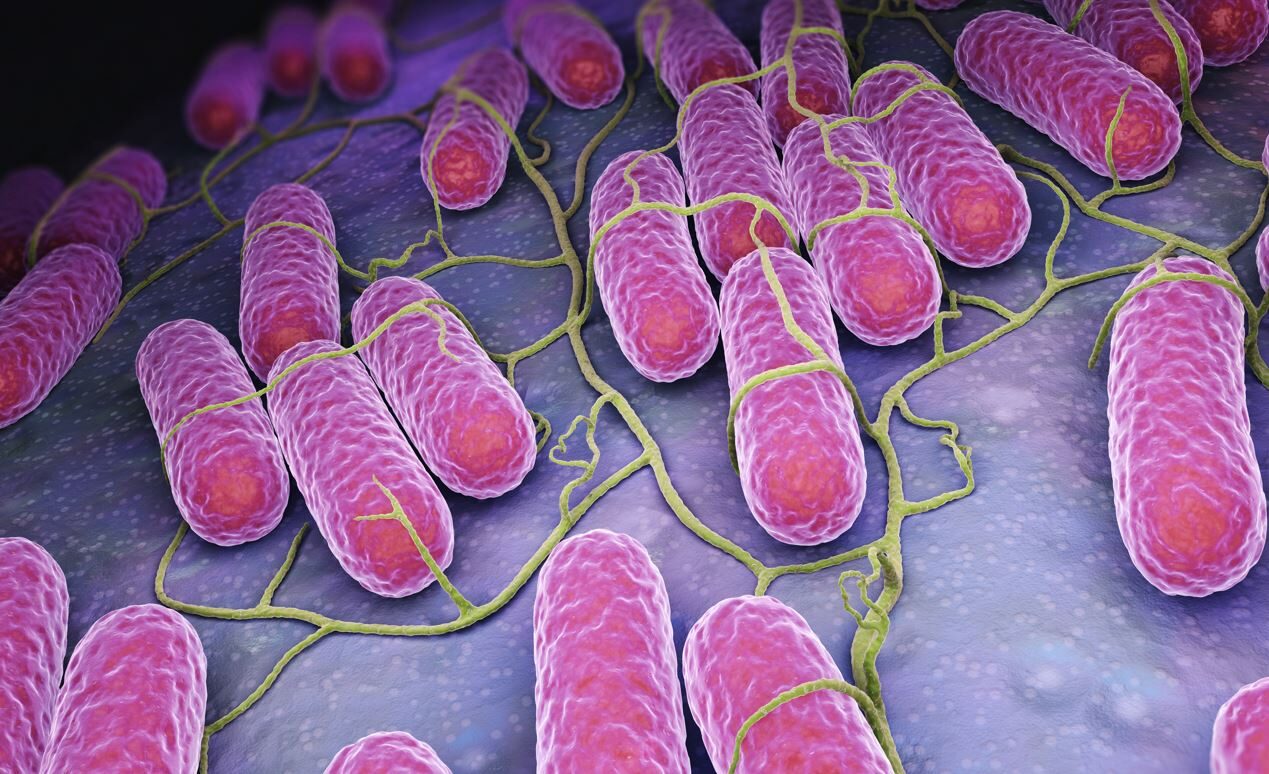
Salmonella low res

Vaccinate against salmonella in your herd

There are multiple clinical signs of salmonellosis. The most common are diarrhoea and abortion, predominantly caused by Salmonella typhimurium and Salmonella dublin respectively. Once infected cattle can acquire immunity and recover or remain carriers. These carriers can shed the bacteria constantly, intermittently or become latent carriers.

Economic implications are not only restricted to treatment costs and mortality, but significantly affect productivity subsequently profitability.

Production losses:

  • Decreased milk production
  • Can lead to fewer calves/cow/year
  • Decreased daily weight gain
  • Ill thrift

Abortions caused by Salmonella dublin in spring born dairy herds likely commence in autumn and peaking in November.  It is therefore recommended to vaccinate pregnant heifers with a primary course, or a booster, at least 2-3 weeks before this main risk period.

Vaccination protocols for Bovilis Bovivac S:

  • Aged 6 months – adult: Two 5ml doses 21 days apart
  • Revaccination annually 2-3 weeks before the main risk period, or 3-4 weeks pre-calving provided a primary vaccination course has been completed by subcutaneous administration
  • Calves from approx. 3 weeks to 6 months can start their primary vaccination course: Two 2ml doses 14-21 days apart

Implementing a vaccination programme in addition with strict management and good husbandry practices will provide cattle with immunity to reduce infections.  Contact our team today to schedule your vaccination.

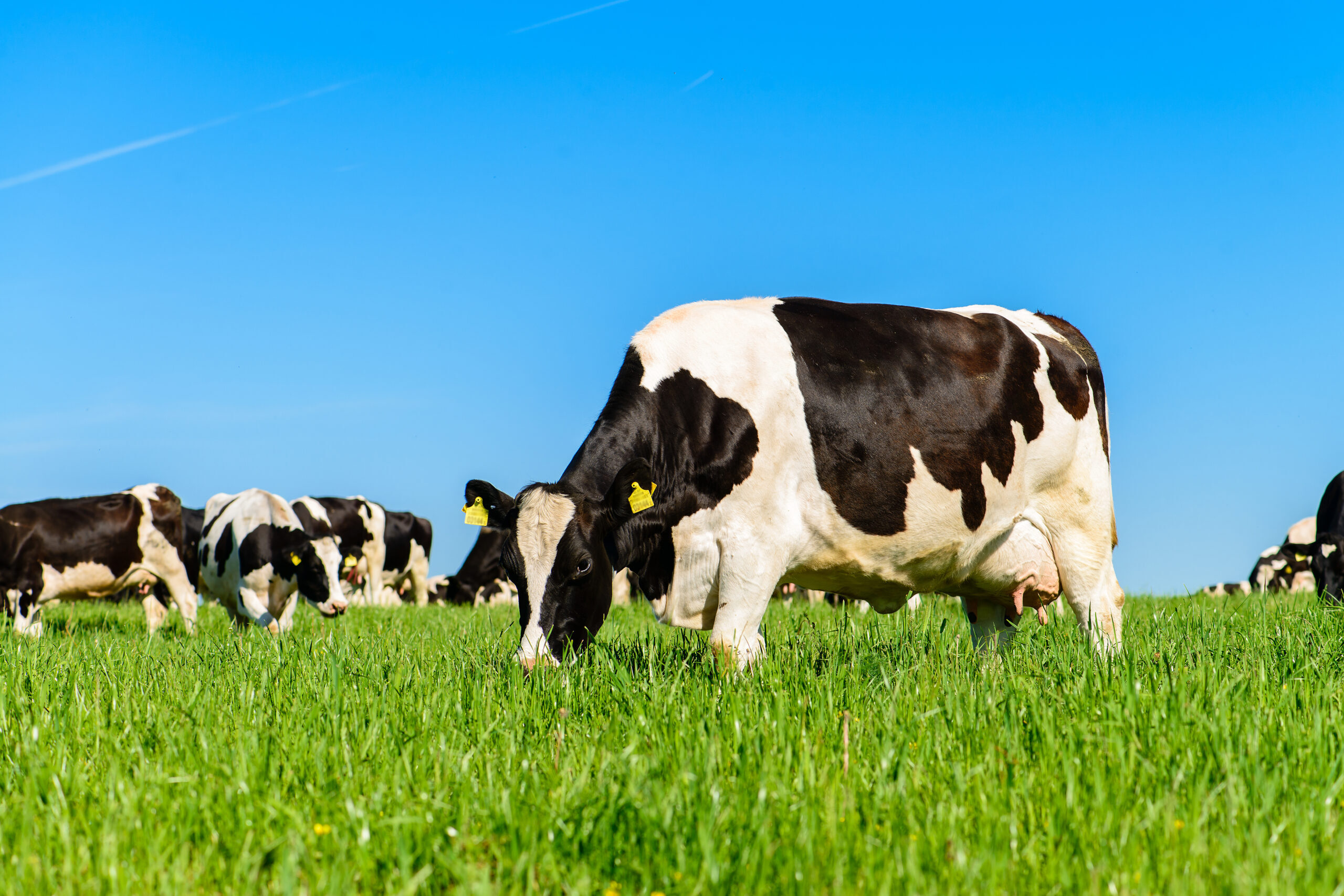
cows graze on a green field in sunny weather, layout with space for text

Making the most of milk records

Our colleague Kevin Meaney MVB Cert DHH, Southview Veterinary Hospital and XL Vets member, gives a very good insight into how to interpret and act on milk quality reports.

Mastitis and high somatic cell counts (SCC) can be one of the most expensive health problems on a dairy farm. Teagasc research has shown an increase of 1.3 cents per litre in getting a bulk Milk Cell Count from 200,000-300,000 to below 200,000. In a 94-cow herd, this was shown to increase the farm profit by 33%. Milk recording is an essential tool in monitoring mastitis levels on farm- without it, reliable and effective milk quality control is impossible.

As well as udder heath information, milk recording gives us valuable information on the production performance of cows, which helps us to make decisions on a herd and individual cow level, but here we will concentrate on how to find, interpret and act on milk quality reports.

Upon logging into IBCF, you will see on the right side of the dashboard a list of the most recent reports; these are usually the latest milk recording reports.

Alternatively, clicking on menu on the left upper corner of the screen, then, selecting reports, then milk management, will allow you access to all your milk reports (See ICBF Reports Menu image below).

Milk Recording Reports

There are 4 Milk Recording Reports;

More commonly used

  • The CellCheck Report; this gives herd-level analysis in a very easy to read format Milk Recording Farm SCC Report (Problem Cow Report);
  • Milk recording Farm Summary Report; this divides herd information into groups based on Autumn/Spring calving and age – may sometimes provide insight into mastitis problem, if there are other management problems Milk recording detailed.

Less commonly used

  • Milk recording Farm Summary Report; this divides herd information into groups based on Autumn/Spring calving and age – may sometimes provide insight into mastitis problem, if there are other management problems.
  • Milk recording detailed Farm Report; this provides a lot of general information on each cow on the farm- not commonly used for mastitis control.

Cell Check Report

This report is a very powerful tool that very quickly and clearly shows us how the herd mastitis control is performing and highlights any worrying trends. It evaluates 4 measures of performance; (and gives the farm a quick, eye-catching star rating for each) 1

  1. Somatic Cell Count
  2. Mastitis control during lactation
  3. Mastitis control during dry period/calving
  4. Clinical mastitis

Somatic Cell Count

This section starts with the bulk milk versus the average SCC at the recording, showing the effect of cows withheld from the tank on the overall SCC of the herd. It also gives the percentage of infected cows in the herd; the higher this is, the greater the source of infection for other cows and the greater the risk of spread. Finally, there is an estimate of loss of milk production, to illustrate the cost of the problem and the benefit in resolving it.
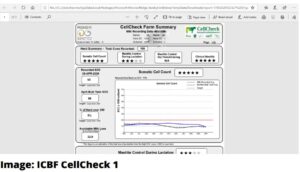
Mastitis Control During Lactation

The recent infection rate identifies the percentage of uninfected cows at the last recording that are now infected. An increase here points to possible problems with the milking regime and control measures. The Chronic infection rate identifies the percentage of cows with persistently high SCC. These animals are a source of infection to other cows and are less likely to resolve or respond to treatment. Many of these cows will need to be culled, so an increase above the 8% threshold presents a serious and expensive problem.
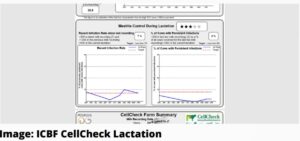
Mastitis Control in Dry Period/ At Calving

The New Infection Rate over the Dry Period gives the percentage of cows that dried off without a high SCC but had one in the new lactation. This may point to poor hygiene at or around the time of drying off, or during housing, calving down or early lactation. It also raises questions about the efficacy of the dry cow therapy and use of sealers.

The Cure Rate over the dry period, is the real test of the Dry Cow Therapy and culling policy. Low cure rate suggests ineffective dry cow tubes but could also mean that some cows should have been culled last autumn, instead of drying off.

Clinical Mastitis

This section is usually blank, because very few farmers take the time to log onto ICBF and record use of mastitis tubes or clinical mastitis. This is a pity, because accurate recording of this information can be really useful on an individual and herd level- it is very informative to see how many times a cow has been treated for mastitis, along with her SCC results for the year. This can be done on the ICBF event recording option on the menu on the top left corner of the dashboard, or by text message to ICBF. To register your mobile number telephone 1850-600-900.

Milk Recording Farm SCC Report (Problem Cow Report)

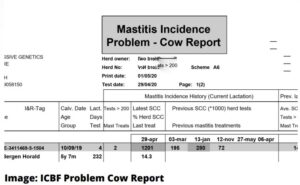
This report lists the mastitis information for all the cows that had a high SCC in this lactation, order of their SCC at the last recording.

For each cow it gives up to 7 important pieces of information;

  1. Age- a big factor in response to therapy
  2. Lactation- again older cows less likely to respond
  3. Number of tests over 200,000 in this lactation- is this a recent or chronic infection?
  4. SCC results for the last 3-4 recordings; very high results indicate poorer response to therapy
  5. (and 6.) Average SCC and number of high SCC results in the last lactation- cows that were infected in the last lactation and again in this are very unlikely to respond to Dry Cow Therapy this time around
  6. Number of mastitis treatments in this lactation and the last very useful information to have.
Actions – What to do with all this information

  1. Identify new cases (recent infections)
  2. Identify infected quarters, using California Mastitis Test (CMT) and sample for culture.

Options include;

  • Treat infected quarter with mastitis tubes – only likely to work in quite new cases
  • Dry Off the quarter – do not treat with dry cow therapy, watch closely for mastitis
  • Dry off cow – a longer dry period increases cure rates and reduces risk to rest of herd
  • Cull the cow (See 4. below)
  1. Review management
    1. Identify the bacteria causing the infection this will help to pick the most effective control measures
    2. Identify the source (High SCC cows) and is from uninfected cows. Options include;
      • Milking last
      • Running a separate high SCC group
      • Culling infected cows

Identify risk factors for spread – there are too many of these to discuss here, and the risks on your farm need to be identified and resolved, your vet will be happy to advise you on this

4.  Culling decisions – Unfortunately, a large proportion of problem cows will ultimately need to be culled because of a SCC problem. Which cows to cull depend on a number of factors;

  1. Herd Factors – these will determine how many animals you can afford to replace;
  • The level of infection in the herd
  • Number of in-calf replacement heifers
  • Number of cows culled for other reasons, such as infertility or lameness

2. Individual Factors – these will determine which cows will be at the top of the culling list and which will be further down;

  • Number of high SCC results in this lactation- more high results means a poorer response to Dry Cow Therapy
  • Number of high SCC results- high SCC last year, and again this year point to a poor chance of response to Dry Cow Therapy- these cows go to the top of the culling list
  • Age – generally cow in their 3rd lactation or higher show a poor response to Dry Cow Therapy
  • Changes to the udder- this is a factor that is often overlooked, but if a cow has a lumpy udder, she is much less likely to respond to Dry Cow Therapy
IMG-20220725-WA0041

Caring for your new puppy 2 months – 2 years

Congratulations on your new family member! Dogs are a great addition to every family and provide years of unconditional love & companionship. The following is a bit of advice to help get your new best friend off to a great start.

Puppies generally go to their new homes at 8 – 12 weeks old. Here at Glasslyn we advise that you start vaccinating your new pet at 8 weeks old. This vaccine (known as a 7 in 1) covers your pet against distemper, hepatitis, parvovirus, parainfluenza & leptospirosis. After their initial vaccine they get a booster 4 weeks later (at 12 weeks old) they get another booster once they turn 9 months old. After this they get a vaccine every 12 months to help protect them for the rest of their lives. We also advise your dog gets a kennel cough vaccine, this is required for all kennels, puppy day care etc. Once your pet has had their initial course of vaccines (at 13 weeks) they are safe to get out and begin socialising with other puppies & people. It is important to start socialising your pet at a young age to help prevent behavioural problems when they are older.

It is also important to ensure that your pet is up to date with their parasite treatments. You must be especially vigilant with younger animals who need to be treated more often than adult pets. Puppies should be wormed every 2 weeks until they are 12 weeks old, every month until they are 6 months old & every 3 months after this. Flea treatments can be given monthly or every three months depending on the product used.

Neutering your pet is another important part of owning a dog. Neutering helps prevent unwanted litters, mammary/prostate cancers, womb infections, wandering & behavioural issues. Dogs can be neutered from 6 months onwards depending on the breed of the dog:

  • Small breeds can be neutered from 6 months
  • Medium – Large breeds, we advise to wait until they are 1 year old
  • Giant breeds, we advise to wait until they are 2 years old

*This can vary with certain breeds

Female dogs cannot be neutered while they are coming into or already in season. We advise that you wait 8 weeks once their season has ended to get them neutered. It is important to ensure that they are kept away from any unneutered male dogs both in your own household and outside while they are in season.

We stock a variety of breed & age specific foods for your dog at our clinics. It is vital to feed your pet an appropriate diet throughout their lives and we can advise you more about this when your puppy comes in for their vaccinations & neutering appointments.

Our pet health plan starting at €15 a month includes all your dog’s vaccines, parasite treatments, an annual check-up and 15% off neutering & food. You can sign up for it at any stage either online or in person.

smeagol

First steps in choosing a puppy

Firstly when looking for a puppy, prospective owners should research what dog breed would suit their family circumstances. Certain breeds require a lot of exercise, particularly working dogs ie collies, huskies etc. Owners need to make sure that they can offer the time and commitment to exercise and spend time with them, as often they can become frustrated and develop behavioural problems if their needs aren’t being met. We also need to consider some health issues which may arise in some dog breeds ie. respiratory, skin and orthopaedic issues.

When viewing the puppy, owners should ideally see both parents of the pup and the house itself, to ensure both parents are healthy and the pup is coming from a good home. It is not recommended to collect pups at the side of the road or shopping centres etc. Legally all pups should be microchipped and registered when being sold or rehomed. Puppies should be at least 8 weeks old before being rehomed and ideally have the first vaccine given of DHPPi and L4.

A 2nd vaccine of the same is normally given 4 weeks after the first injection. This is to protect your pup against infectious diseases such as parvo virus and leptospirosis (Weil’s disease). It is important for everyone at home including the puppy, that they are vaccinated.

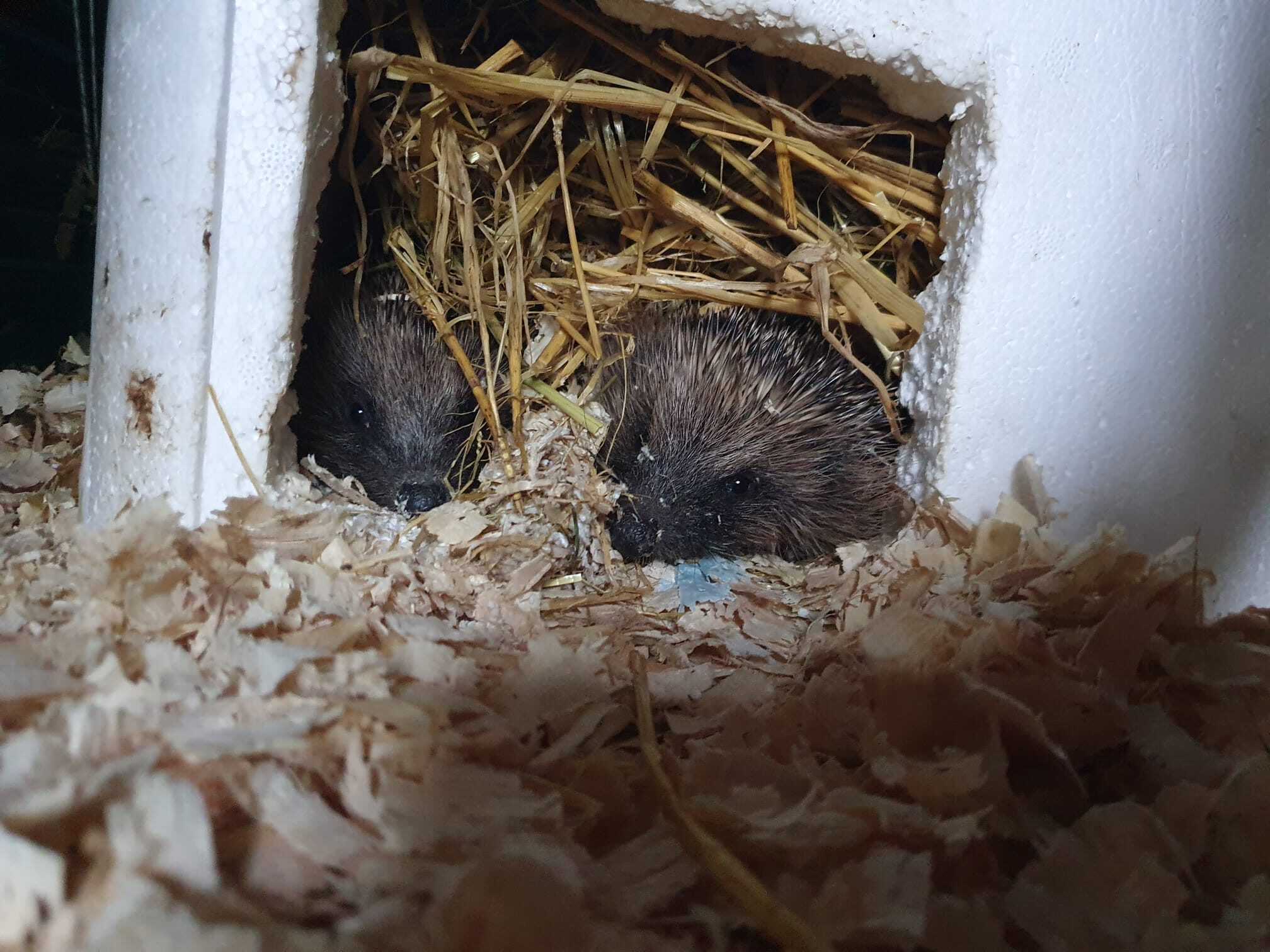
hedge

Looking after wildlife: Hedgehogs


Hedgehogs are one of our most loved native mammals. They are especially loved by gardeners thanks to their habit of eating slugs. Sadly, due to loss of habitat, increased road traffic & use of insecticides, their numbers have dropped by 30% in the last decade. Taking care of hedgehogs has never been so important. Here are our top tips for looking after hedgehogs and creating a hedgehog friendly garden.

How to make your garden hedgehog friendly

  • Hedgehogs need space to roam, they can cover up to 19km every night! To help them out you can cut holes at ground level in fences or dig channels under dense hedges so they can get through easily. The holes should be about 13cm in width & height
  • Refrain from using pesticides if possible. Pesticides such as slug pellets can poison hedgehogs if they eat affected slugs. Less slugs also means less food for hedgehogs
  • Don’t be too tidy. Leave some tall perennials & piles of leaves standing over winter or leave an area of grass unmown to create homes for insects. Mulch beds with compost to encourage earthworms and build woodpiles to attract woodlice. Hedgehogs love to eat bugs & worms!
  • If you have a pond in your garden, make sure hedgehogs and other wildlife can get out of it. Make a shallow beach at one end or use a plank of wood wrapped in chicken wire as a non- slip ramp
  • Always check for hedgehog nests before forking over compost heaps or strimming long grass.

Feeding Hedgehogs in your garden

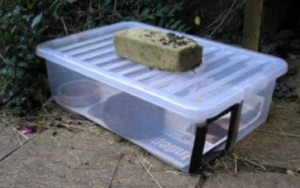
Hedgehogs always benefit from being given extra food. They love meat flavoured cat food both wet & dry but should also be provided with a shallow dish of fresh water. Ceramic bowls are less likely to be knocked over so are a great choice. You can make your own hedgehog feeding station easily using a large plastic storage container. A brick should be placed on the lid, this prevents cats & foxes eating the food. Carefully cut a hole out of the container around 4.5’’ square, cover edges with tape to prevent sharp edge and place food & water bowls in the very back.

What to do if you find a hedgehog

If you see a hedgehog out in the daytime, it could be injured or sick. With the exception of pregnant females who venture out during the day to gather nesting materials or in search of extra food. These hedgehogs will be very active and should be left alone whereas a sick animal may be staggering or not moving at all. Please phone us if you find a sick hedgehog or are concerned about an animal, for more advice on 023 88 41404 / 021 4772277


scan

Early Pregnancy scanning

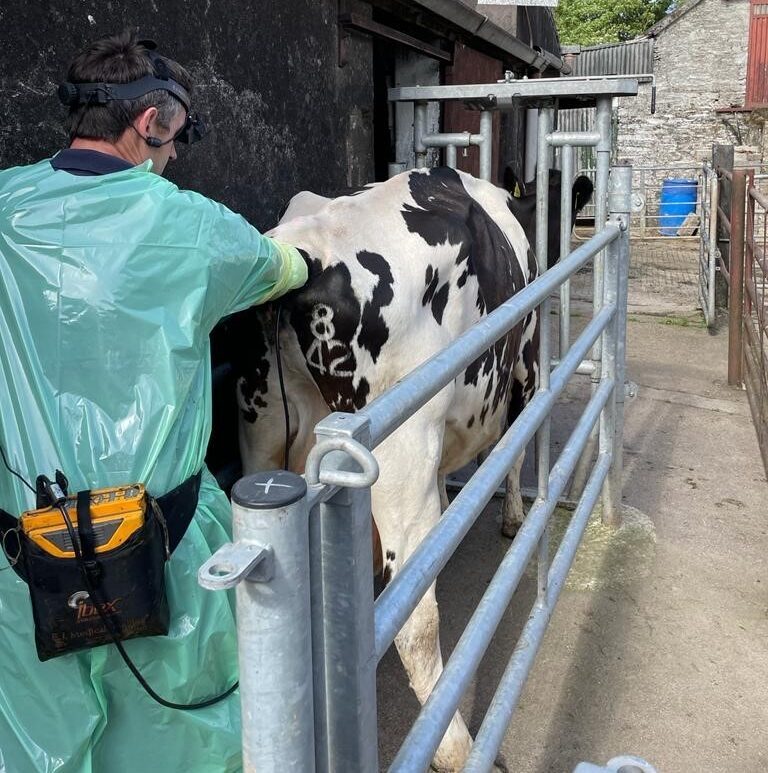
Early  pregnancy test results give you more detailed information for your herd reproduction reports, so you can accurately assess your herd’s reproduction performance.  Herd reproduction reports need a high percentage of cows to have an early aged results. To get early aged pregnancy test results, cows must be scanned between 35 and 122 days of pregnancy (5 to 17 weeks).


Depending on your mating length, you may need to do more than one round of pregnancy testing to get early aged results for your whole herd.


1st scan (12 to 14 weeks after mating start date)  to ensure that cows that got pregnant in the first 6 weeks of mating will have early aged results.

2nd scan (at least 42 days after the end of mating) to age cows that got pregnant in the later part of mating.

pexels-couleur-2674485

Calf Summer Scour Syndrome

We visited some farms in the last number of years to examine calves that were near weaning or weaned but were scouring and losing weight. These calves were suffering from ‘’Summer Scour syndrome’’ or ‘’calf to grass syndrome’’. These calves had to be taken off grass and put back on milk and a fibre source.

Summer scour in calves is a relatively new phenomenon, where calves start to scour profusely, become dehydrated and lose weight rapidly a few weeks after turnout to grass. Calves are selective grazers which means they only eat the tip of the grass plant, this tip is full of
sugar and nitrogen while being low in fibre.

It is more commonly seen in calves turned out to have excellent quality nitrogen (N)-rich grass. It is believed that an excessive intake of N (calves tend to browse from the top of the leaf, where non-protein N is concentrated) leads to ammonia toxicity and the resulting scouring and wasting in the calves. Those fed on older, more fibrous grass rarely suffer from the condition.

  • NOW is the time to prevent this from happening this year, feeding a product like Rumenito or Equaliser 365 pellet with your calf ration daily, can aid in the prevention of summer scour syndrome.
  • Feeding a source of fibre at grass can also help in preventing acidosis and summer scour syndrome.
  • This can also be complicated by Coccidiosis which can be easily diagnosed by taking a Faecal sample.
pexels-pixabay-33550

Managing Calf Scour

Scour is one of the main contributors to calf mortality in Ireland. It results from a badly damaged gut, leading to a loss of function of the intestines, which leads to watery faeces. Damage to the intestines results in nutrients not being absorbed properly.

There are a number of infectious agents that cause scour:

  • Parasites:
    • Cryptosporidium
    • Coccidia
  • Viruses:
    • Rotavirus
    • Coronavirus
  • Bacteria:
    • Salmonella
    • Coli

The most common causes of scour are rotavirus, cryptosporidium and coccidia. Coronavirus and salmonella are fewer common causes and E. coli is rare.  Coccidia generally causes scour in calves older than 3 weeks.   E.coli can cause scour in calves less than 5 days old.  It is important to note that cryptosporidium is a zoonotic disease, which means that it can be readily transferred from animals to humans.

Treating a calf with scour

 The most important principles of treating calf scour are:

  • Oral rehydration
  • Isolation of the calf from the others
  • Continue to feed milk

Oral rehydration

This is the single most important aspect of treating a scouring calf. A large volume of salts and fluids are lost due to the scouring, so these need to be replaced regularly. An extra 1 to 2 feeds of electrolytes a day is necessary while the calf is scouring e.g. milk in morning, electrolytes at lunchtime, milk in the evening and electrolytes at night. If the calf is not drinking then electrolytes can be stomach tubed effectively. Effervescent electrolyte tablets containing bicarbonate are especially good for the calves that are not drinking. These will help correct the acidosis/depression of the calf that occurs. Sachet or dietetic electrolytes are sufficient to be used for calves that are drinking some volume of milk and are not overly depressed.

Removal of the calf from the group of calves

Scour is contagious so by isolating the sick calf it helps prevent the spread of infection to the other animals in the group. It also helps the sick calf to recover better.

Continue to feed milk

Despite some common myths, continuing to feed milk/good quality milk replacer does not worsen or prolong scour. In contrast, it will continue to provide some nutrition to the calf and will help with the healing of the intestines. It is not recommended to tube milk to calves with scour if they are not drinking as it will cause a build-up of acids in the stomach and damage the wall of the rumen. It will cause the calf to become more acidotic and depressed. By withholding milk from the calf it will only cause starvation and will prevent a quicker recovery.

It is also important to find out the pathogen causing the scour. By bringing a sample to the clinic, we can determine in the lab what the cause of the scour is and therefore target treatments more accurately. Knowing the exact cause allows proper decisions to be made regarding treatment and prevention.

Probiotics are a dietary supplement that are useful to help with the repair of the intestines as well as revitalisation of the good bacteria in the gut. Long term use of these will help stabilise the calf’s gut.

Prevention of calf scour

A good start to a calf’s life is essential.

  • Good quality colostrum fed to the calf is key. The quality of colostrum can be assessed with a refractometer.
  • If poor quality colostrum is fed, it leads to a failure of passive transfer of antibodies which in turn increases the risk of the calf getting sick with scour or pneumonia etc.
  • Use the 1,2,3 rule: ‘Cow’s first milk, fed within the first two hours of birth, minimum volume of 3 litres’.

The calf’s environment is also key to prevention.

  • They need to be kept in a clean, warm and dry bed at all times.
  • Wet bedding and poor drainage aid with the spreading of disease. You should be able to kneel down in the calf’s bed and it should not be wet, cold or hard. If you find it uncomfortable, then it is not suitable for the calf.
  • Cleaning & disinfection of the feeding equipment used is also. This is especially important if there is an outbreak of scour to prevent transfer of the disease from one pen to another.
  • Avoid overcrowding of pens as well as mixing of ages of calves.
  • Placing footbaths with disinfectant outside every calf house and making sure that everyone’s boots are dipped both going in and out of the house to prevent spread.
  • Isolation pens for sick calves to help spread from calf to calf. It is important to identify the problem quickly and isolate the affected animal as soon as possible.

Vaccination of the cows 3-12 weeks prior to calving will provide increased protection against calf scour.

  • The vaccine is effective against rotavirus, coronavirus and E.coli.
  • Note that it is important to have good colostrum management here as well because the antibodies are passed to the calves via the colostrum. The antibodies in the colostrum reduce the incidence & severity of the scour.

Risk factors for calf scour

  • Dirty, wet environment
  • Poor drainage in the calf house
  • Stressed calves
  • Poor colostrum management leading to poor passive transfer of antibodies
  • Calves of different ages being mixed
  • Lack of isolation of sick calves

Economic significance

If calves get scour in their early life it can set them back significantly and therefore there is delayed growth of the animals. Looking after and caring for a sick calf or calves takes a lot of time, which is of the utmost importance especially during the springtime. Costs of medication to treat the animals, as well as losses due to mortality, can be high.

Antibiotics & their use in scour treatment

The most common causes of scour are parasites and viruses. Antibiotics do not work against these. They only work against bacteria. Therefore, it doesn’t make any sense to treat a calf with antibiotics just because they are scouring. This is why testing the scour sample is essential to the overall management of scouring calves. By using antibiotics ‘because that was what was left over in the yard at home’, is only contributing to antibiotic resistance and isn’t a wise use of funds either.

Only scouring calves that are very sick or have a high temperature should be given antibiotics. Calves that are very sick have a weakened immune system and therefore can get a secondary bacterial infection so this is when antibiotics should be used correctly. It is important to get advice from your vet regarding the use of antibiotics with scouring calves.

In summary

  • Plenty of electrolytes & fluids are essential in the treatment of scour
  • Prevention & hygiene are of utmost importance & of key significance reducing costs due to treatments and losses
  • Antibiotics are not essential in treating scour in most cases
  • Continue to feed milk to help speed up the recovery process– do not starve the calves!

For additional information contact our large animal team on 023 8847404.

Fasciola hepatica, or liver fluke (low res)

Combatting worm burdens and free parasite control consultancy

As of the 1st of June 2022, worming products and other anti-parasitic drugs will no longer be readily available for farmers to purchase over the counter without a prescription.

Why are these implications coming in?

These measures have been introduced as a result of the overuse of worming products throughout the year. Antiparasitic resistance is an increasing concern in livestock farming. Resistance is present when a medicine does not kill the target parasites as expected. Although it may kill some of the parasites it may not kill all of them. Resistance is when less than 95% of susceptible worms are killed therefore allowing the leftover worms to modify their genetics to build resistance.

Every time animals are treated with an antiparasitic product there is a risk of resistance forming. Therefore alternative methods (herd or flock health plans, grazing management) of controlling worms in livestock that do not rely on dosing should be considered. Multiple factors contribute to the increased risk of resistance and parasite control planning should try to address these where possible.

How can we help our farmers combat worm burdens in livestock for the year ahead?

Animal Health Ireland have put in place a consultancy service between veterinary practitioners and their clients as part of the Targeted Advisory Service on Animal Health (TASAH). This is a free and voluntary programme supported as part of the Rural Development Plan 2014-2020, co-funded by the Irish government and the EU. The purpose of the parasite control TASAH is to facilitate discussions and planning between farmers and their veterinarians on the best practices around parasite control with the long term view of minimising the further development of antiparasitic resistance.

The TASAH will fund a veterinary farm visit and two faecal egg counts. The Parasitic Control TASAH Consult is open to all cattle and sheep farmers in Ireland. Herd or flock owners must nominate a trained, participating veterinary practitioner to undertake the farm visit.

If you are a herd or flock owner and would like to register for a Parasite Control TASAH, please click here.  For additional information contact our Large Animal team on 023 8847404.

Cute puppy dog getting medication after treatment at the veterin

Canine Cough

Canine cough is a highly infectious and transmissible upper respiratory infection of dogs. It was previously known as kennel cough with the misconception that it can only be caught by dogs boarding in kennels. However, canine cough can affect any dogs mixing with others i.e. in the local park, at the groomers, puppy classes etc.

Typically, dogs infected with canine cough present with a dry hacking cough that can last from 5 – 10 days and usually require veterinary attention. Other symptoms include reduced appetite, lethargy and a high temperature. Puppies, older dogs and dogs with underlying illnesses can be more seriously affected and can run the risk of developing bronchopneumonia or chronic bronchitis.

Dogs usually require a course of antibiotics and steroids to help with tracheal inflammation. Sometimes the vet will discuss chest x-rays to rule out any other causes of coughing. If you suspect your dog has canine cough and you are bringing them to the vet clinic, we ask that the patient remains in the car until the vet is ready for him/her. This is due to its highly infectious nature and to reduce the risk of spread to any other dogs in the clinic.

There are typically two infectious agents that cause canine cough:

  • Parainfluenza
  • Bordetella Bronchiseptica

It is important that we keep up to date yearly with vaccines. If your dog is going into kennels or you plan to do training classes or puppy classes, your pet will require the canine cough vaccine at least 3 weeks beforehand.

The vaccine can be given in 3 different ways:

  • Up the nose
  • Into the mouth
  • In injectable form

Each method is as effective as the other. For more information on canine cough please contact our companion veterinary team on 023 8841404 or 021 4772277.

Bandon Contact Details
📞 023 8841404
📍 Station Road,
Bandon,
Co. Cork.
Ireland.
P72 FY72
Muskerry Vets
📞 02641055
📍 Sawmill Yard, Macroom,
Co. Cork,
Ireland.
P12EY80

Kinsale Contact Details
📞 021 4772277
📍 1 Church Square,
Kinsale,
Co. Cork.
Ireland.
P17 W281
Carbery Vets
📞 023 8845206
📍 Bridge street
Dunmanway
Co Cork
Ireland
P47FN36