No products in the cart.

adaptil

Adaptil: How to make car travel more relaxing for your dog

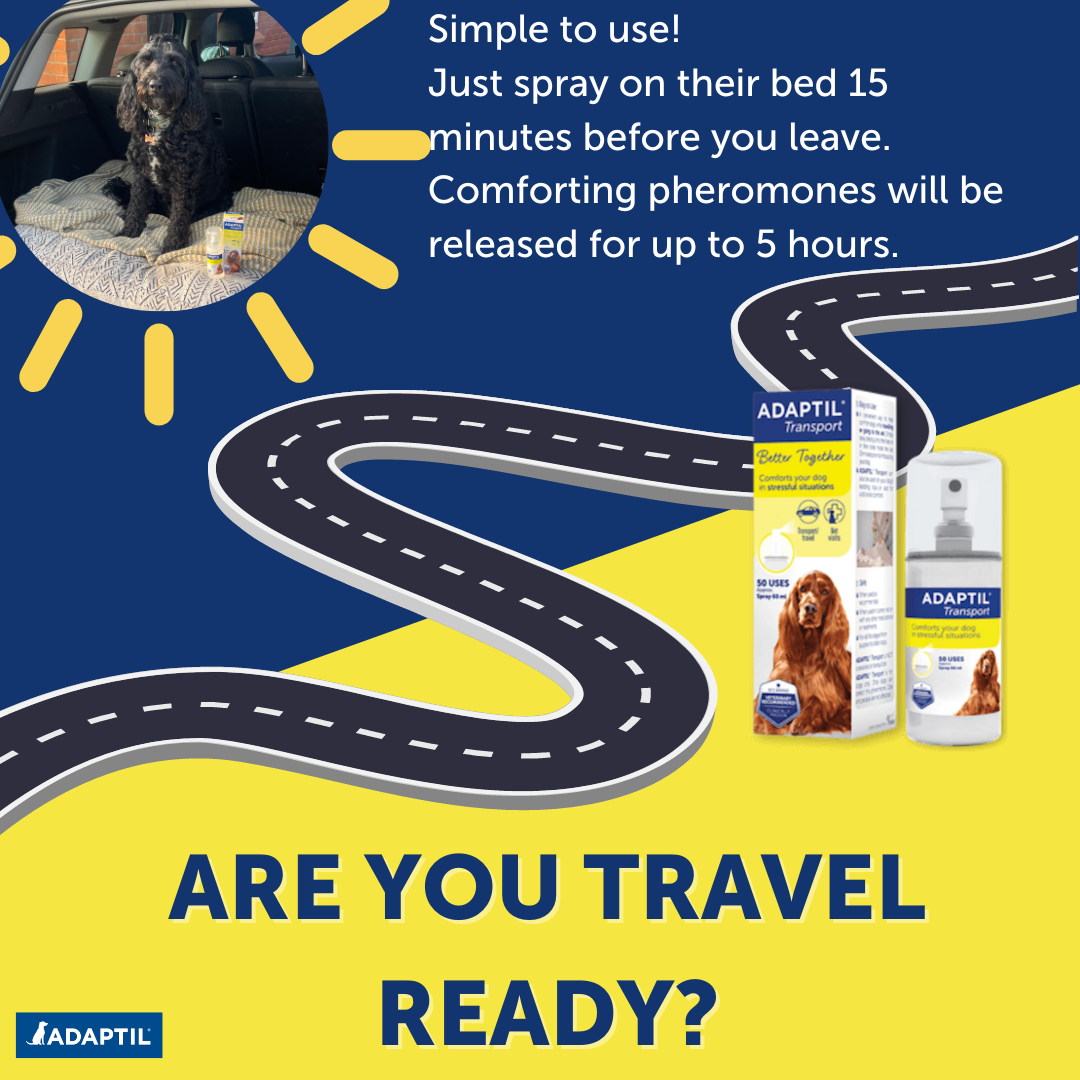
1. ADAPTIL Transport is clinically proven to help your dog cope when travelling:

Studies have shown:

· 85% reduction of shaking.

· 71% reduction of panting*.

Easy to use:

· Spray in the car or on your dog’s blanket/bedding just 15 minutes before your dog gets in. They will then receive up to 5 hours of comforting pheromones.

2. You need to build up your dog

You need to start small. Start with a stationary car and reward them for relaxed body language. When you feel they are comfortable, progress to having the engine one and when happy with this stage progress to taking short drives.

3. Safety tips

· Make sure your dog is properly restrained for their (and your) safety.

· Options include a seatbelt harness, dog carrier, crate or dog guard.

· Introduce your dog to the appropriate restraint so they have positive associations with it beforehand.

4. Travel tips

· Stop for exercise and toilet breaks every 2 hours.

· Bring water for your dog with you.

· Keep the car well ventilated.

· Don’t leave your dog unattended in the car.

5. Sign that your dog is uncomfortable or anxious

Dogs have super sensitive hearing and can hear noises earlier and much more acutely than humans. If they have not yet acclimated to the sound of car horns, or cars passing by on rainy days, these sudden noises could make them nervous and, therefore, show signs of being uncomfortable or anxious when you take them outside.

If your dog seems restless when they are around cars and they start panting, trembling, salivating or even vomiting, you need to take action to allay their fears.

Helping them to get used to cars may take some time, but with patience, gentle training and support, you’ll soon be travelling around.


6. Other tips for travelling with your dog

As well as using ADAPTIL Transport to support your pooch, these tips should help you travel safely and calmly!

· Train them to use and be comfortable in a carrier, or wearing a car harness before you start using them in the car.

· Before the journey, help your dog get used to being around the car. Let them sniff and explore the car when it is stationary; show them their ‘space’ in the car, whether it’s a crate, or where they will be restrained with a harness; put some familiar items like their blanket or favourite toy beside them; sit in the car together with the engine running, but don’t drive; after a few times doing this, start taking short trips. Always reward your dog when they are calm with quiet praise during the process.

· Make sure you give yourself enough time before the journey to go at your dog’s pace they may not be ready for a car journey straight away, but need a couple of times just sitting in the car without the engine on to adjust.

· Associate their first journeys with pleasant things, like going to the park.

· Keep the first journeys short. When on longer journeys, stop at least every couple of hours for exercise and to allow them to go to the toilet.

· Only feed them with a light meal before you travel. This will help limit car sickness if they are prone to it.

· Take plenty of water with you on the journey and make sure they have a drink when you stop for a break.

· Keep the car well ventilated and never leave your dog unattended in the car.

· You can also try playing music in the car that helps calm your dog after all, it’s proven that certain types of music can help put your dog at ease.

· Training your dog from a young age to accept that travelling by car is a normal part of life, will enable them to join you in all sorts of adventures and activities and build their confidence.

Happy travels!
dbvets24

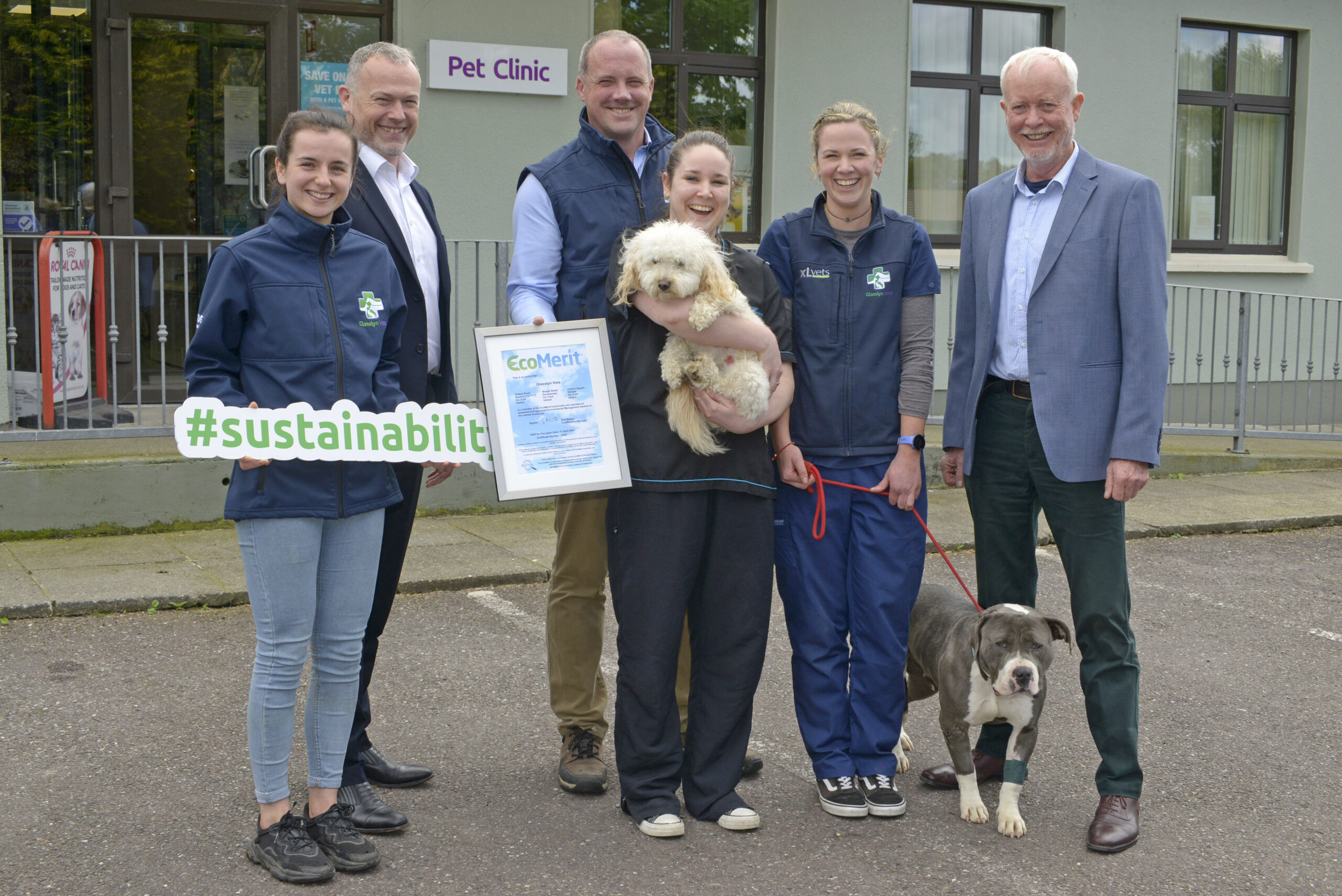
Glasslyn Vets Awarded EcoMerit Environmental Certification

Glasslyn Vets has been awarded the EcoMerit Environmental Certification in recognition of their commitment to ongoing environmental improvement. The award recognises that the company has successfully put in place a programme of energy, waste, and water efficiencies to reduce their environmental footprint.

The Certificate relates to Glasslyn Vets two clinics in Bandon and Kinsale, and to its Carbery Vets clinic in Dunmanway. Glasslyn Vets’ environmental improvement plans include reviewing its procurement procedures to establish to what extent environmental considerations inform purchasing decisions, implementing a waste prevention programme, increasing segregation for reuse and recycling, and investigating ways to conserve water.

On receiving the EcoMerit Certification, Kevin O’ Sullivan, Managing Director, Glasslyn Vets said: “I believe this accreditation is a positive start to Glasslyn Vets’ sustainable journey and we are keen to play our part. We want our business to perform in a sustainable way and show others that it is possible to make changes for the better, which will have a positive impact on the environment. We believe vets play an important role in promoting more sustainable farm practices and Glasslyn Vets will continue to implement changes that demonstrates our commitment to environmental improvement”.

The pace of climate change has picked up significantly in recent years. As a community, Irish veterinary practices are steeped in rural life through agriculture and have a finger on the pulse of everyday life in towns and cities too. This unique position enables vets to recognise the role sustainable thinking and action can play in their businesses in the face of this major challenge.

Mike Curran, CEO of XL Vets added “We are delighted to announce that our XLVets Ireland member, Glasslyn Vets in Cork, are the next veterinary practice in Ireland to have achieved an EcoMerit Certification. Glasslyn business principal Kevin O’ Sullivan, a key leader of our sustainability project, is also Chair of XLVets Ireland. Following on from the XLVets Ireland and XLVets Skillnet (Skillnet Ireland) certification last year, Glasslyn joins us with other sites who complete their certification journey in the coming weeks, with more to follow. An EcoMerit Certification commits us to an annual independent audit every year for five years in order to ensure sustainability targets are met in-house.”

Commenting on Glasslyn Vets accreditation Phil Walker, Managing Director, EcoMerit stated “EcoMerit is delighted that Glasslyn Vets has achieved EcoMerit Certification. In so doing it demonstrates its commitment to sustainable practice and in particular to effective environmental improvement, with external support and verification, combined with measurement and monitoring. With this certification, Glasslyn has now become part of the EcoMerit Sustainable Energy Community, whose members have delivered average emissions reductions of over 60% in a 10-year period. We particularly welcome this as part of the XLVets broader commitment to its sustainability journey and look forward to developing our partnership in this regard.“

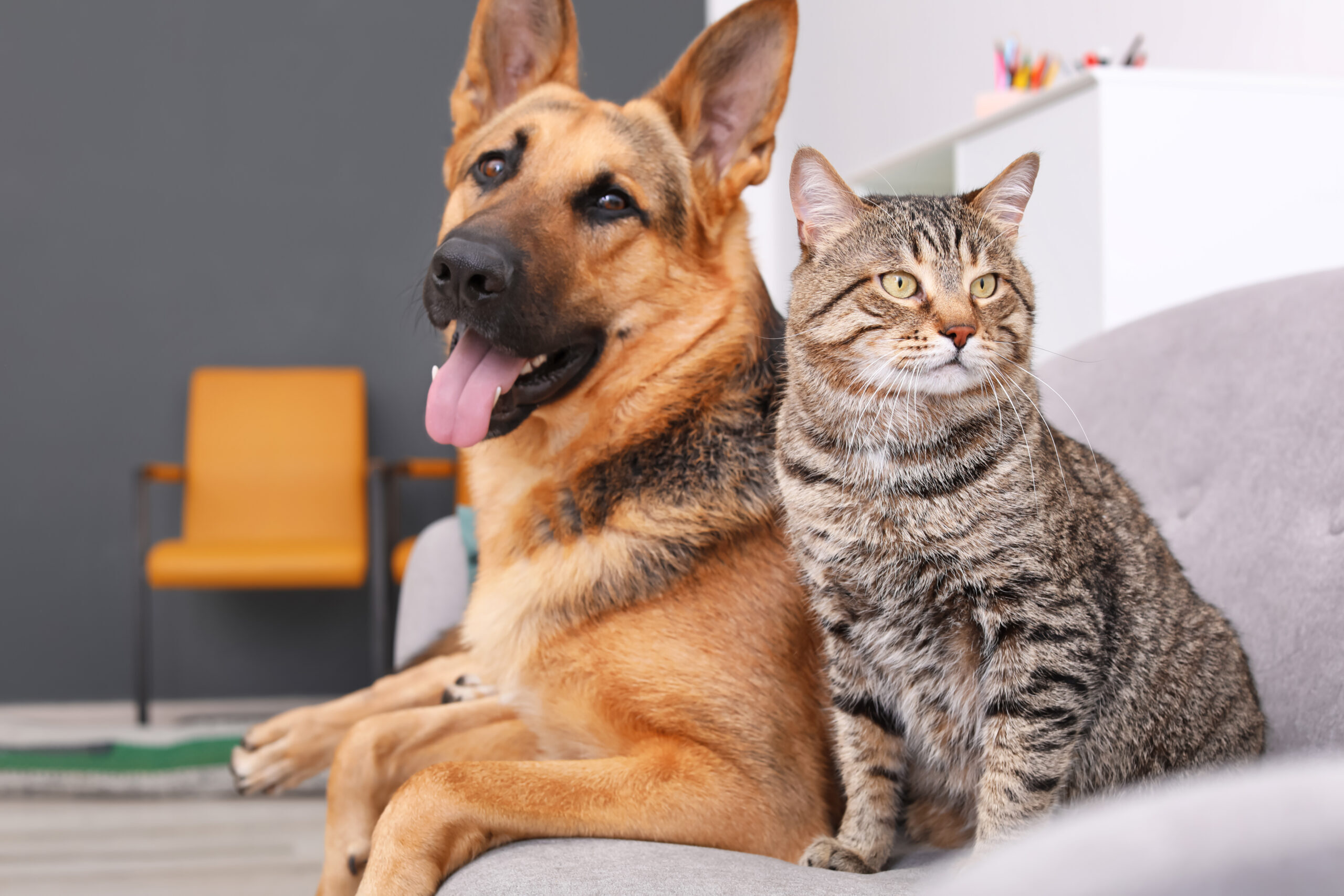
Adorable cat and dog resting together on sofa indoors. Animal fr

How to Identify Diabetes in Cats and Dogs

Diabetes is a problem that can affect both dogs and cats. It is a condition where there is a higher than normal level of glucose (sugar) in the blood and urine. This article will explain how the disease can be identified and what can be done to manage it.

Which animals are most at risk of developing diabetes? 

  • Overweight or obese cats and dogs
  • Animals on long term steroids
  • Entire (unspayed) bitches
  • Elderly dogs and cats

What are the signs?

  1. Increased drinking and increased urination
    This happens because excess glucose is lost from the body into the urine. It takes water with it which causes the animal to drink more and urinate more. 
  1. Weight loss and lack of energy
    Glucose is an important energy source which is lost from the body. Affected dogs and cats tend to lose weight and feel more tired even though they are often hungrier and eat more. 
    1. Collapse
      If diabetes is left untreated, the body will start to use fat as an energy source instead of glucose. This process produces compounds called ketones, which are poisonous. The animal may become very sick and dehydrated and need intensive veterinary care.


How is diabetes diagnosed?

There are a few ways of checking if your pet has diabetes generally a combination of at least two tests plus the appropriate clinical signs will be used to make diagnosis.

Urine Test
This is a quick and easy test to do to see if there is glucose in the urine. If you suspect your pet may be diabetic, bring a fresh urine sample to the surgery to be checked. Use a clean jar or sample pot which can be obtained from the practice.

Blood test

  1. Blood glucose levels
  2. Blood fructosamine levels – Fructosamine is a protein which increases in the blood stream when an animal has uncontrolled diabetes. It is a much more reliable way of checking for diabetes in cats who can sometimes have high blood glucose levels as a result of stress!


Treatment and Management

Insulin injections – Insulin helps reduce the amount of circulating glucose in the bloodstream and is the main factor in controlling diabetes. Injections may be given once or more commonly twice daily depending on your pet’s individual requirements. They are given under the skin usually at the scruff of the neck and are generally very well tolerated by most patients. The vets and nurses will show you how to carry out these injections so that treatment can be maintained at home.

Diet – Use of a diet designed for diabetic patients may help reduce the quantity of insulin required and achieve faster control of the disease. In dogs food must be given at set times during the day however cats will be allowed to graze.

Exercise – Regular exercise is good for diabetic patients but should be carefully controlled to help stabilise insulin requirements.

Correction of underlying factors – Weight management, spaying and reduction of steroid administration may all help improve the condition of a diabetic patient.


What can I expect when my pet starts treatment?

If your pet is very unwell when their diabetes is identified they may need to be hospitalised for a few days for the vet to get the symptoms under control.  It may take some time to fully stabilise a diabetic patient, however improvements in your pet should be seen within a few weeks of starting treatment.  Blood, urine and weight checks will be carried out periodically to monitor your pet’s response to treatment. Occasionally the vet may also carry out something called a ‘glucose curve’ to check your pet’s response to insulin over a 12-24 hour period.

 Low blood sugar (hypoglycaemia)
One potentially dangerous complication that you should be prepared for is “hypoglycaemia”; this is when blood sugar falls too low. This may happen if your pet refuses to eat or too much insulin is given. The early signs include unrest or lack of energy, and weakness or shivering which may progress to fits and unconsciousness.  If you suspect any of these signs try and feed your pet. If they will not eat straight away syringe or rub something sweet into the mouth and call your veterinary surgeon for advice.

The aim of treatment is to control blood glucose levels and restore a good quality of life for both you and your pet. Diabetes can usually be controlled by simple injections, exercise and dietary management. Regular monitoring is essential to maintain good control of all diabetic patients.

If you have any further questions about diabetes please contact one of our team for more advice.

Bandon Contact Details
📞 023 8841404
📍 Station Road,
Bandon,
Co. Cork.
Ireland.
P72 FY72
Muskerry Vets
📞 02641055
📍 Sawmill Yard, Macroom,
Co. Cork,
Ireland.
P12EY80

Kinsale Contact Details
📞 021 4772277
📍 1 Church Square,
Kinsale,
Co. Cork.
Ireland.
P17 W281
Carbery Vets
📞 023 8845206
📍 Bridge street
Dunmanway
Co Cork
Ireland
P47FN36