No products in the cart.

Category: Cat Care

Halloween Pet Safety tips!

Halloween Pet Safety Tips

At Halloween, there are a few things that we need to be aware of, to help protect our cats and dogs.

The house can be full of lots of sweets and chocolate, either in preparation for trick-or-treatin’ or when children are very successful in bringing back bags of goodies. These sweets can pose a risk if eaten by our furry friends as they contain an artificial sweetener in the form of xylitol. This is highly toxic to dogs and cats as it causes their blood glucose levels to drop, even in small doses. It can also lead to seizures or even worse.

Chocolate too is poisonous for our feline and canine companions. It contains an chemical called theobromine which is toxic. The toxic dose is dependent on the strength of the chocolate and the weight of the animal. Clinical signs can vary from gastrointestinal upset in mild cases, to seizures and sadly even death.

It’s important that if your pet consumes either  of these, that they are seen by a vet as soon as possible. If seen within  30-60 minutes of ingestion , their chances of avoiding serious medical issues and recovery are highest, as we can help eliminate it from their stomachs.

Another risk posed to our pets during Halloween, are fireworks. During this time the loud noise of fireworks can make them very frightened. Often this can lead to pets running away on a walk or escaping the garden/house. We want to avoid cats and dogs getting lost or potentially getting themselves hurt. We also want to make sure they are nowhere nearby when lighting fireworks. So it’s important to keep them inside and safe when there are fireworks in the area. If our pets are extremely frightened and stressed, there are medications that can be prescribed to help reduced their anxiety during this time.


Give us a call for any further advice!

ae91b14c-42e4-f92d-87d0-a39e5394a529

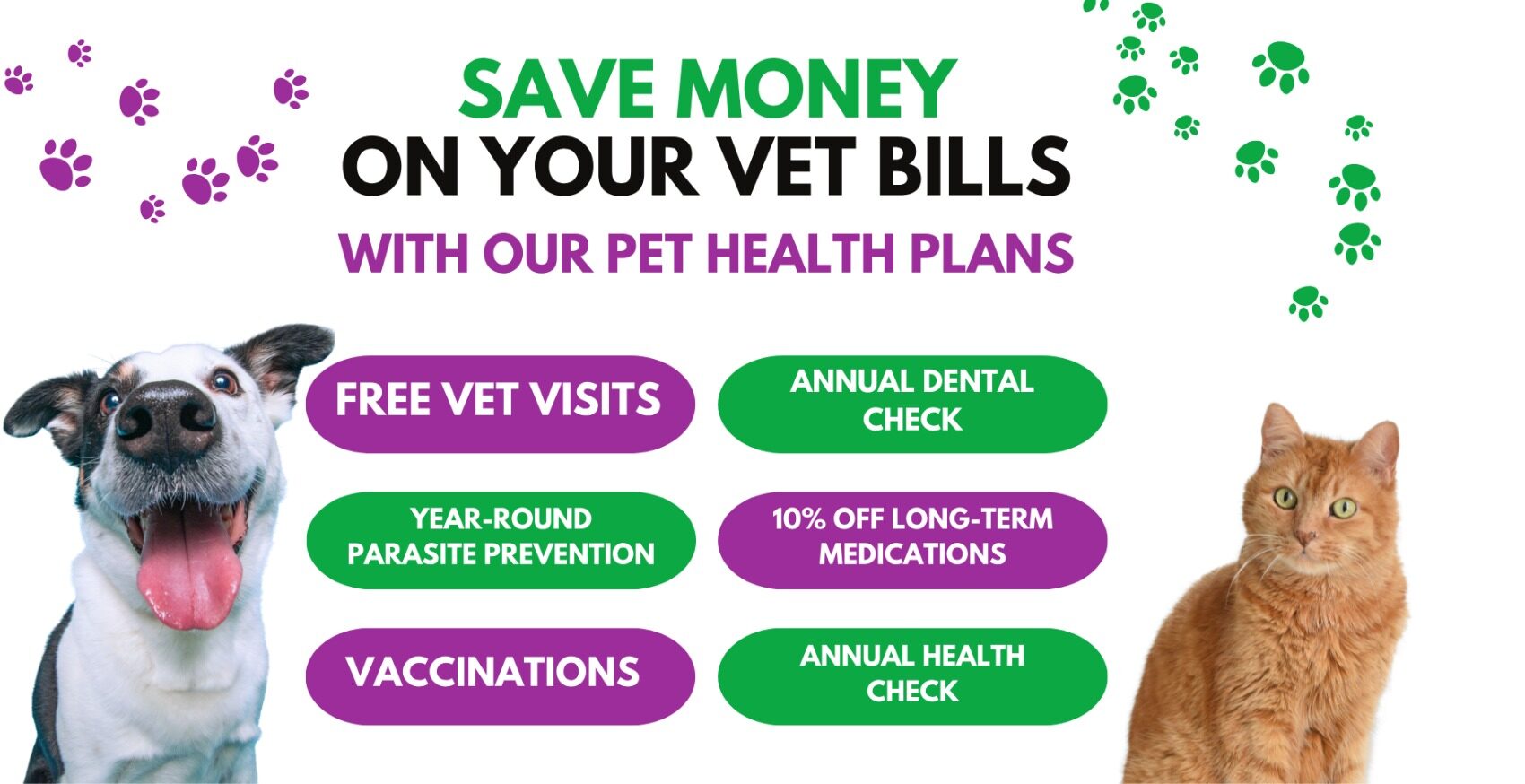
What’s the deal with Pet Healthplans?

Unlike a Pet Medical Aid, a Healthplan focuses on preventing illnesses as best as possible by making sure your pet goes for regular check-ups and keeps up to date with their annual vaccinations and parasite treatment. By encouraging this, issues like lumps, periodontal disease or skin allergies can be caught quickly and ahead of time before it turns into expensive surgeries and/or causing long term affects to your pets health.

By offering these services, we also ensure your pet is familiar with us and the clinic environment, making sure your pet is stress free and have more positive experiences with us!

What are the main benefits of having a Pet Plan?

  • Proactive response to your pets care, It is far easier to prevent disease and illness than to treat it. Even when 100% prevention isn’t possible, preventative health care, like vaccines, can minimise the symptoms and allow your pet to recover faster, leaving them happier in the long run.
  • Assist with Planning, budgeting and decision-making, With the cost-of-living crisis and rising bills, sometimes you can’t find the extra money at the end of the month you need for your pet’s preventative treatments. With a health plan, you have a direct debit and don’t need to worry about it again. You won’t need to decide between the flea treatment for your pet or the grocery shopping.
  • Reassurance, knowing your pet is on a healthplan and taken care of gives you peace of mind so you can relax and enjoy your time with your pet.
  • Diet, As we offer many discounts on Veterinary food diets, you have the option to choose a brand that fits your budget but that is also a high-quality food. At your pet’s free check up we can discuss the food of your choice, work out feeding guidelines for your pets weight and support you with a weight management plan, if needed.
  • Never miss an important vaccination or treatment, As we send reminders to all our clients, knowing the visit will not cost you a cent on the day, makes it easy to book and not having to budget beforehand!
  • Spread the Cost, a monthly premium is anywhere between €17 and €30, depending on species or size, which is alot more manageable than having to pay a single consult for boosters and parasite treatments.
  • Flexible, our staff is more than willing to help you amend your Healthplan or even pause it for a while, so do speak to us if you have any concerns.

So what are you waiting for, lets’ start getting proactive about your pets’ Health!


20240529_105402

Inspiring Young Minds

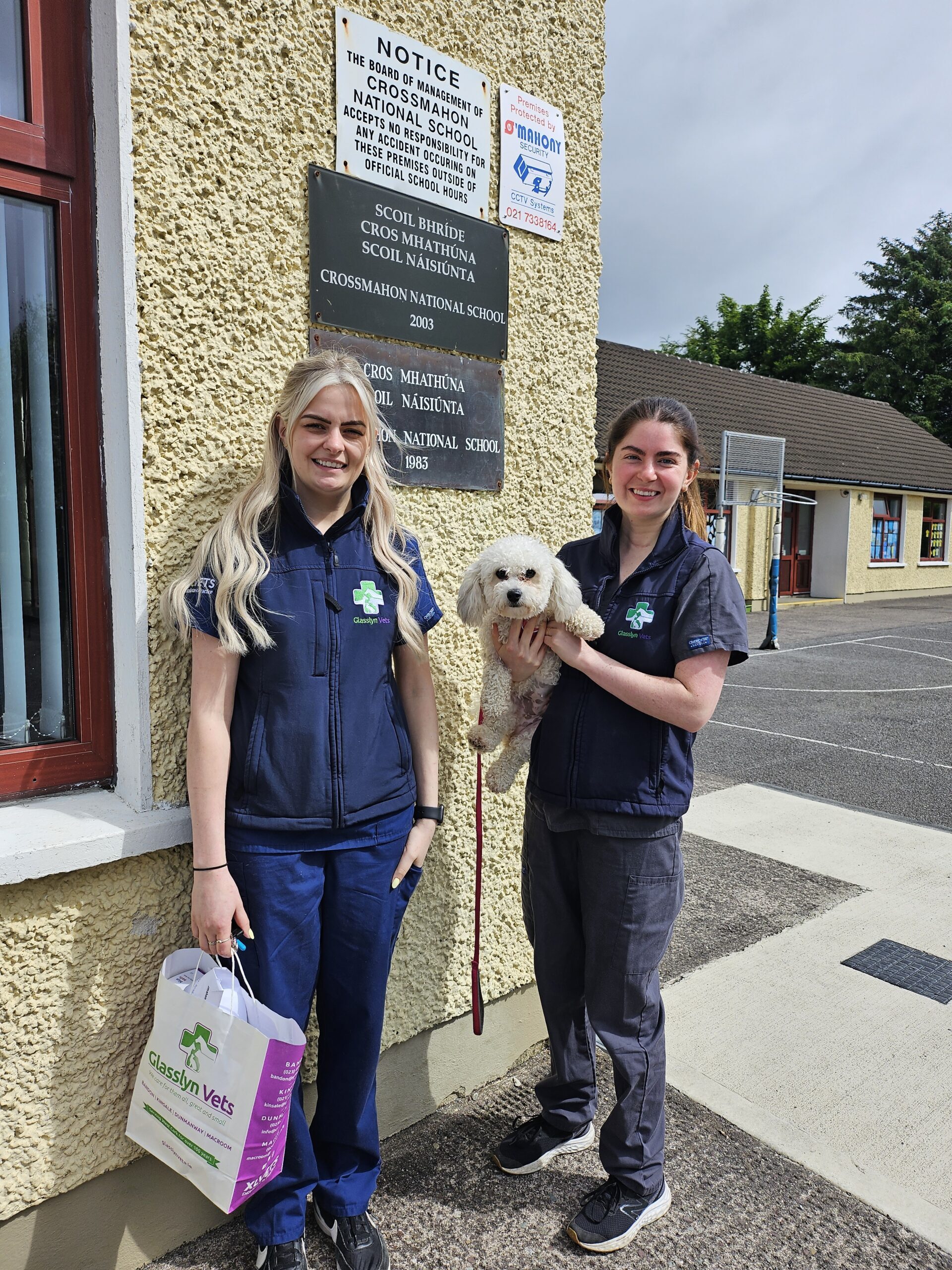
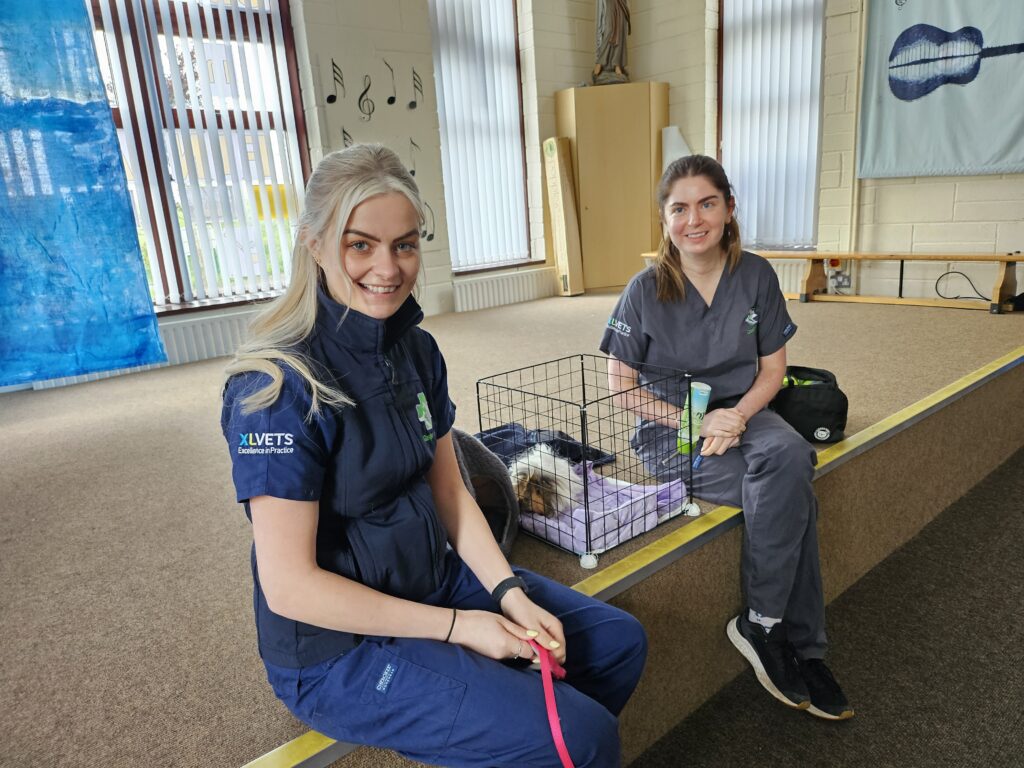
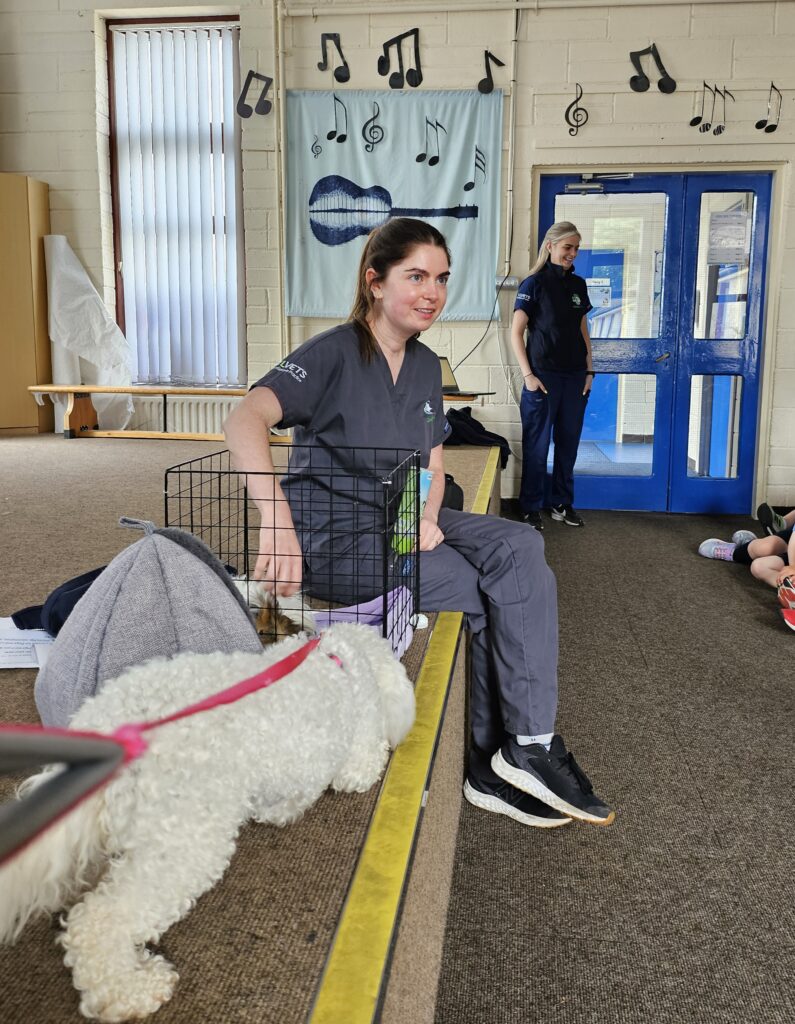
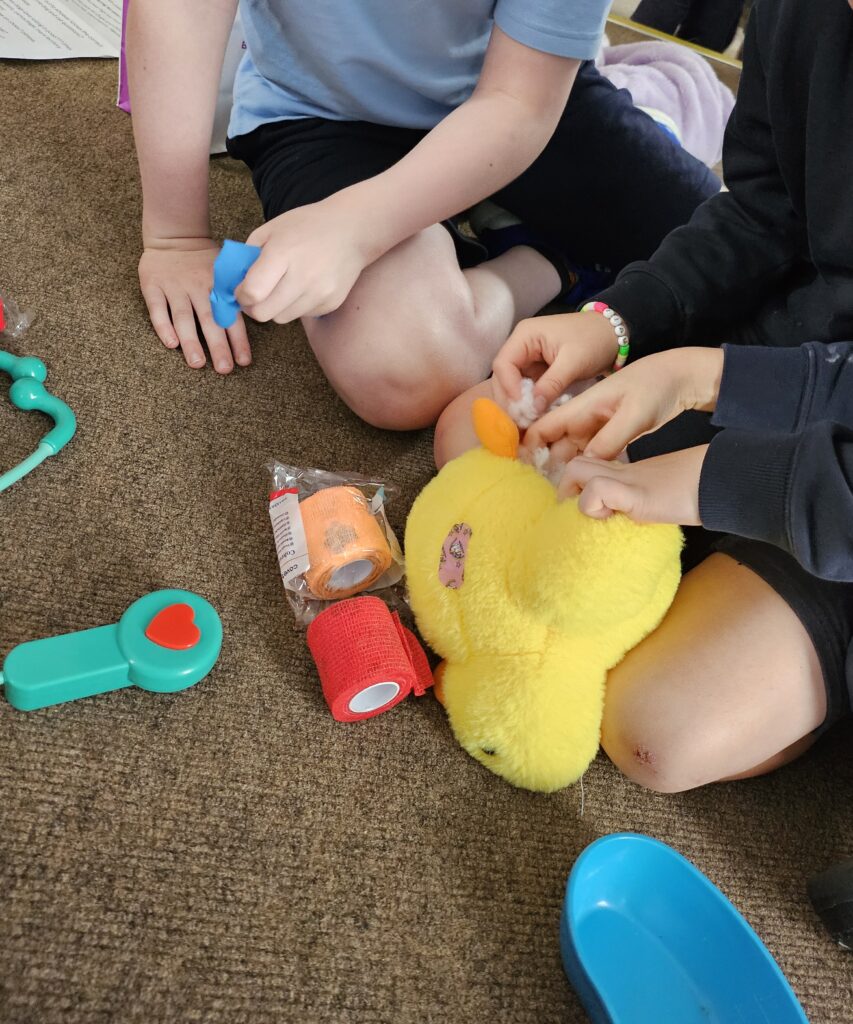
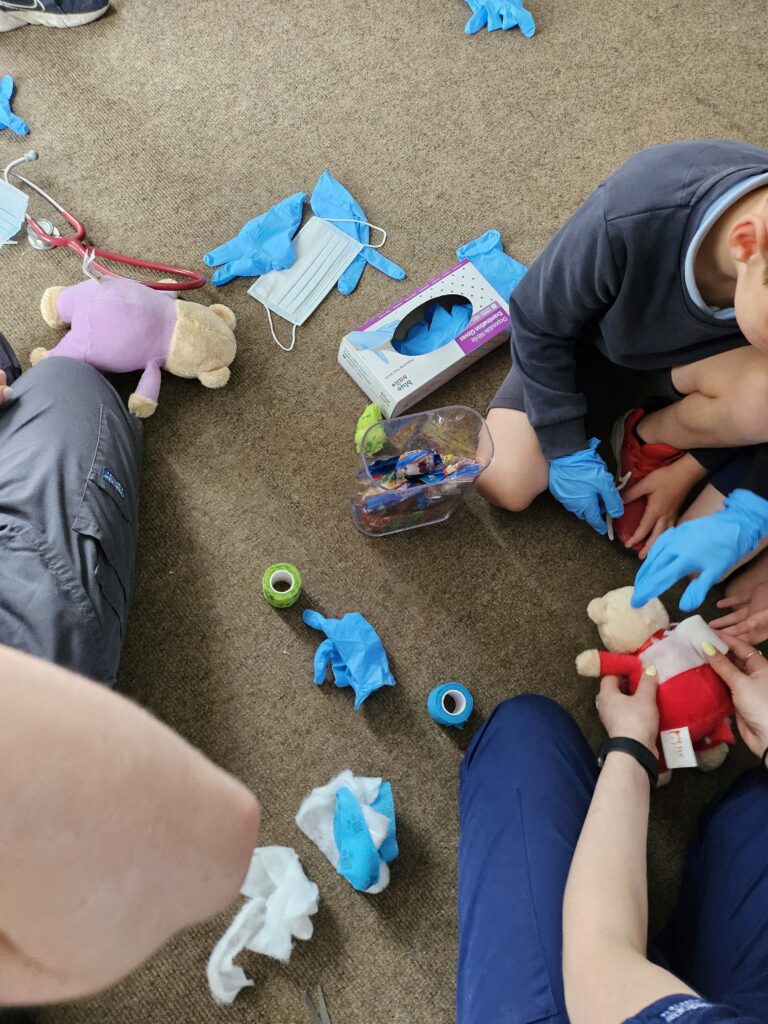
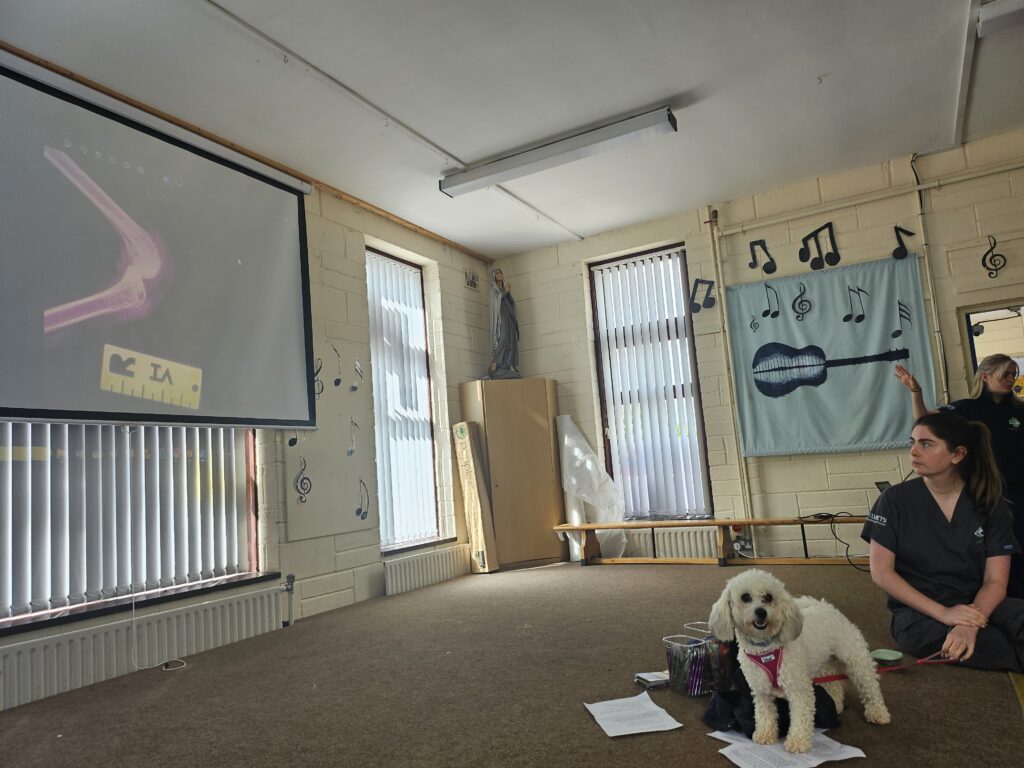
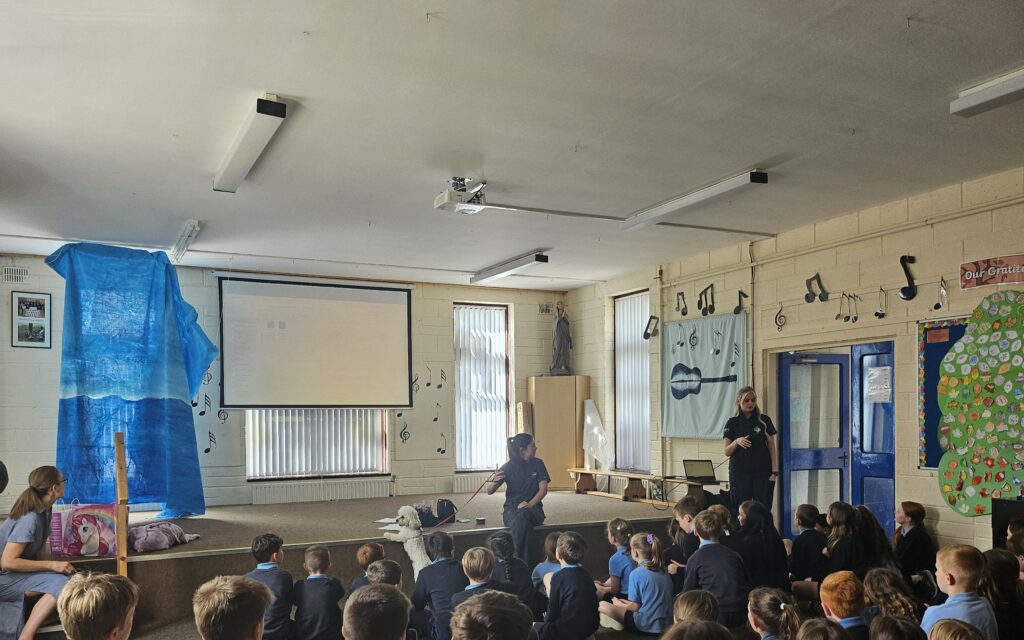
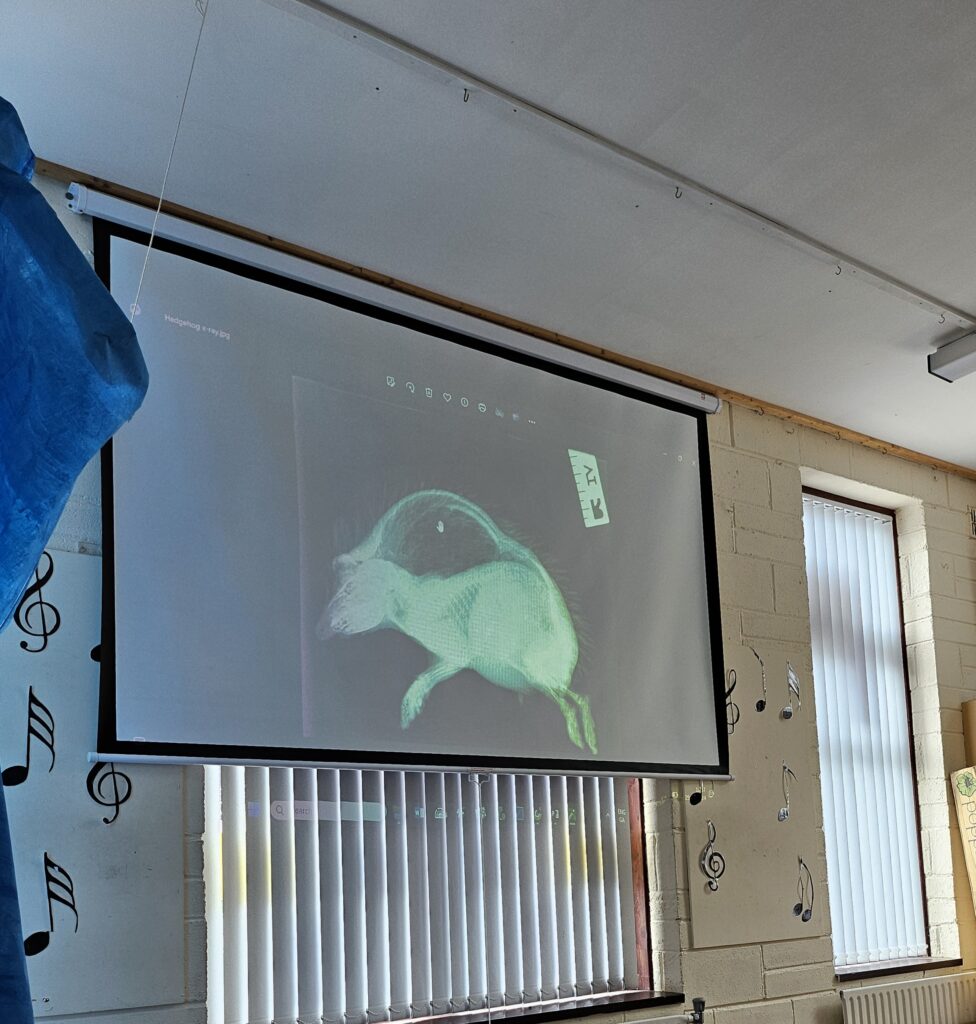
Glasslyn recently visited Scoil Bhríde in Crossmahon and had the most amazing time chatting to the pupils about pet care, Irish wildlife and career options in the Veterinary field.

We played a fun game of ‘guess the Xray’ and even roped in some Junior and Senior infants into helping us perform Teddy Bear Surgery!


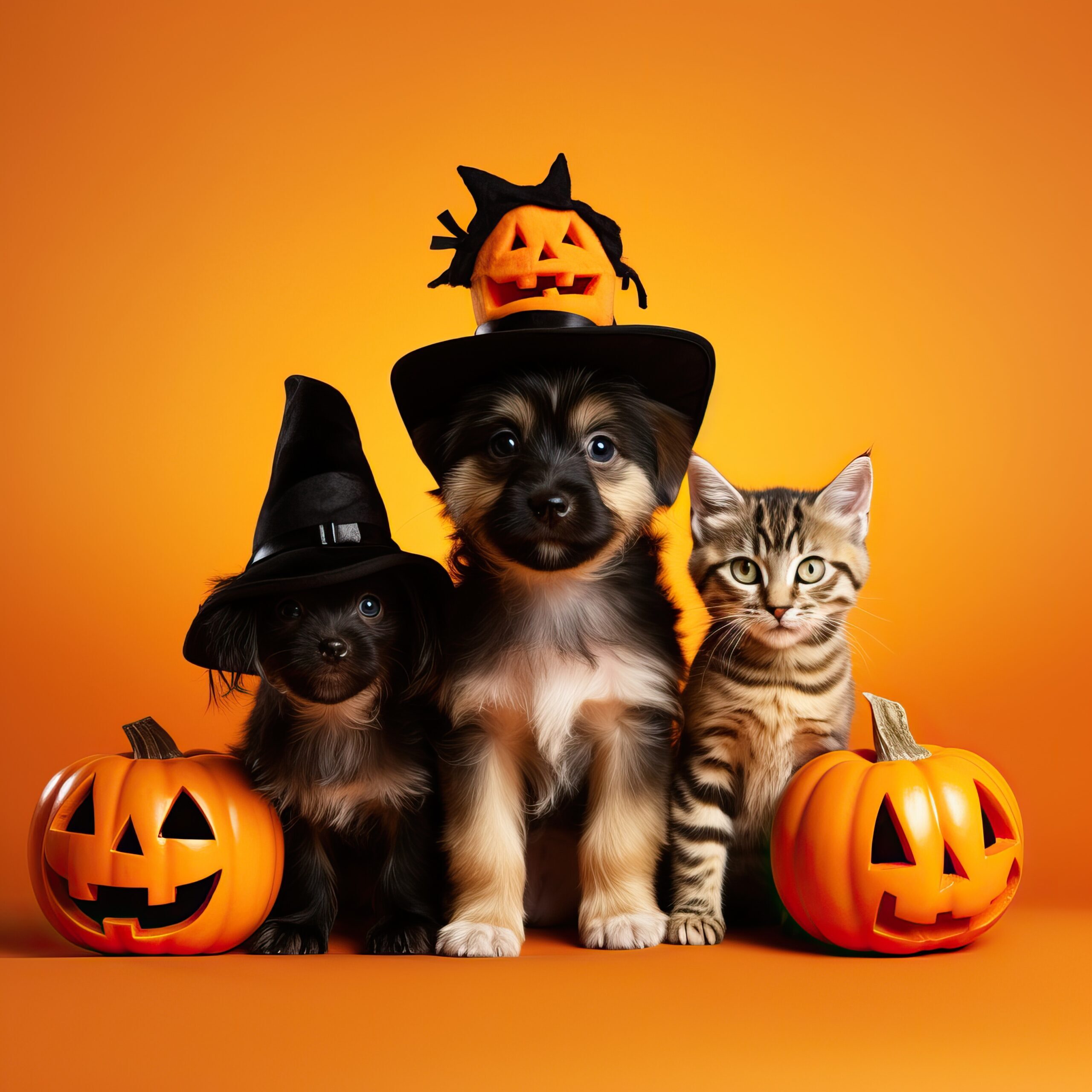
cat and dog, wearing costume for halloween. friend with orange backgound. halloween theme.

Tips to protect your pets at Halloween

As Halloween approaches, our thoughts drift to ghosts and ghouls, spooky decorations, lots of treats and fun times.  Sadly, for our pets it can be a frightening time.  There could be hazards in our homes, from toxic foods to dangerous decorations.  We are reminding you to be aware of the dangers Halloween poses to all animals and to take extra measures to safeguard the safety of not only domestic pets but farm animals and wildlife too.

Our small animal veterinary team has pulled together a Halloween survival guide to help keep pets happy.

Hide the treats

The sweets bowl is for trick-or-treaters, not our furry friends. Several popular Halloween treats are toxic to pets. Chocolate in all forms and sugar-free candies containing the sugar substitute xylitol can cause serious problems in pets. If your pet does ingest something toxic, contact your vet immediately.


Halloween decorations out of pets’ reach

Many cats and dogs love to play with dangly decorations. However, they could end up chewing and swallowing something harmful, leading to serious problems such as a gut blockage.  Its important to keep pets away from wires and candles.  Also, swallowing foil or plastic wrappers can lead to digestive problems and may require surgery.


Don’t dress up pets

Some pets may find wearing Halloween costumes stressful. Consider a festive themed bandana instead which will be less restrictive. If you do choose to put your pet in a costume, make sure it does not limit the animal’s movement, vision, ability to breathe or behave normally.


Fireworks

The sound of fireworks can cause a lot of distress for pets.  It is important to ensure pets are kept safe in a secure area where they cannot dart out an open door from the noise.  Keeping the lights low and playing a radio or television in the background can help drown out some of the noise outside. Close the curtains and windows if there’s lots of noise outside.


Be home before dark

Trick-or-treaters in costume and loud music from parties can be scary for our pets, so it’s best to be at home with them before Halloween activities start.  To avoid stress in dogs, take them for walks before it gets dark.  For cats, encourage them to come home earlier by moving their dinner time to before it gets dark outside.


Outdoor Pets and Wildlife

Horses, ponies and donkeys should be securely stabled to prevent them from escaping or hurting themselves if they live in areas with a considerable amount of Halloween-related noise. It is important you check under all wood piles before lighting any bonfires to ensure there is no wildlife hibernating. Some outdoor decorations such as fake spider webs can snare wild animals, so be careful if hanging them and ensure they are removed after the festivities.


Unfortunately stray animals can fall victim to abuse or cruel Halloween pranks. If you witness any animal cruelty, please contact your local Garda station immediately.

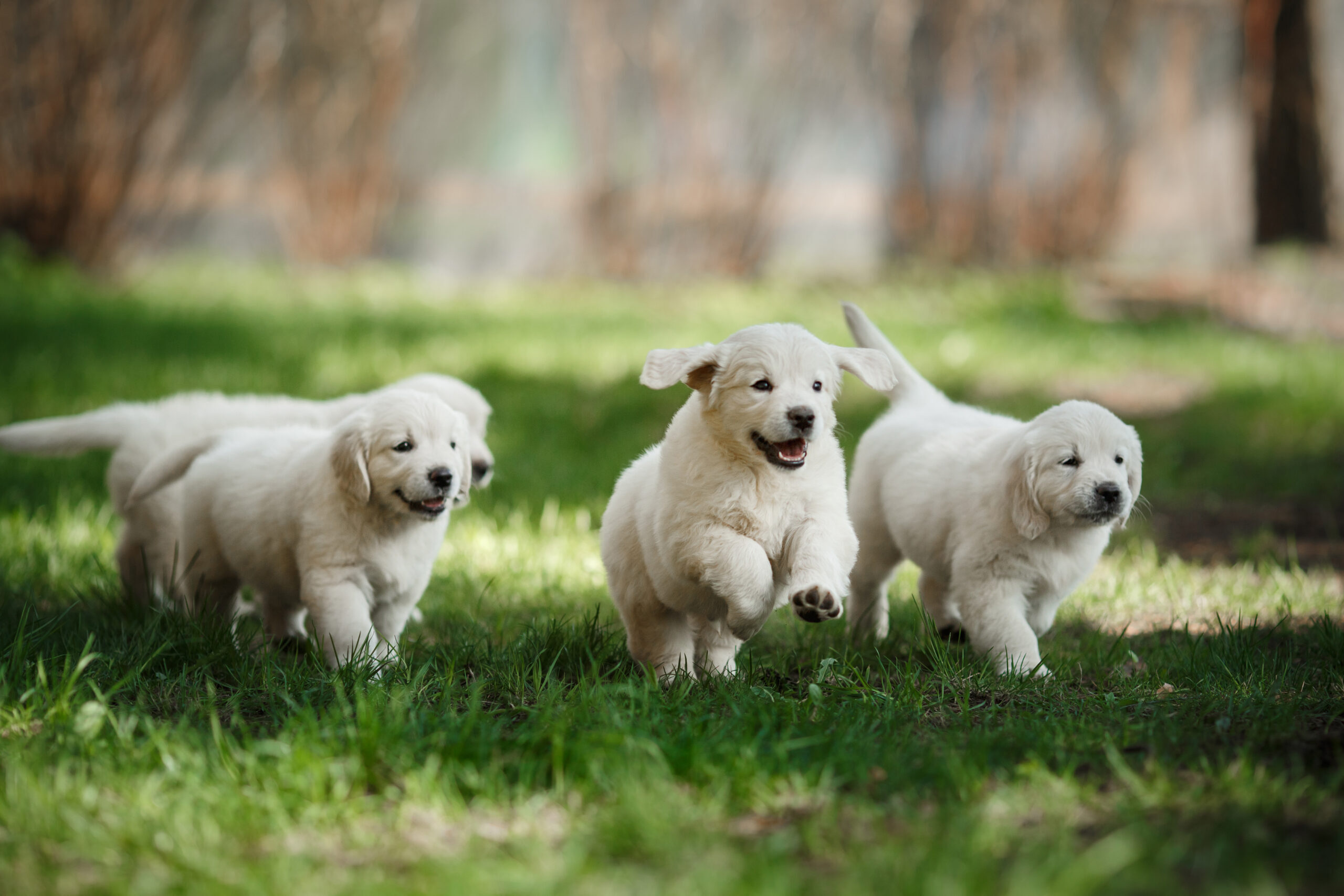
Little puppys Golden retriever

Importance of Microchipping Your Pet

Microchipping is an important part of responsible pet ownership.  It provides peace of mind that if your pet was to go missing, he or she would have the best chance of being returned safely.


When to microchip?

Microchips can be implanted at any time. It is often done in puppies and kittens at or around the time of initial vaccination, or when neutered. It is still a legal requirement for dogs to wear an identity tag on a collar even when microchipped.

If a stray animal is found it is always scanned. Vets, most rescue centres and local authorities have scanners.  When a microchip is found, the database can be accessed 24 hours a day and the owner informed.


What happens when your pet is microchipped?

The microchip is very small, about the size of a grain of rice, the procedure is very simple and no more painful than an injection. The microchip, which has a unique number, is placed under the loose skin between the shoulder blades. Your pet will not be aware of the microchip once it is inserted and the body will not react to it as it is coated in the same material that is used in human pacemakers!


Your vet will check the microchip with a handheld scanner. Your pet’s unique identity number, together with your contact details are registered by you or your vet onto a national database. This can be done online or by post. It is important to change your details should you move address.

ziggy g

FELINE IDIOPHATIC CYSTITIS

What to do when your cat has been diagnosticated with Feline Idiophatic Cystitis (FIC)? FIC is a complex syndrome that requires a multimodal management approach. Lets look at some tips:

ENVIRONMENTAL MODIFICATION- REDUCING STRESS
Cats with FIC are more sensitive to stress than avarage cats. Often, it is difficult to detect signs of stress in cats, but we need to provide an appropiate and rich
enviornment for them.
The most important aspects to consider are:
– Provide safe and quiet places to rest, where the cat can not be disturbed.
– Provide hight places where they can climb and have a view of most of the “territory”.
– Provide scratching surfaces, horitzontal and vertical.
– Play with the cat every day; they need to express their predatory behaviour and stay active. We can also hide small amounts of food around the house to simulate predatory activities.
– In a multiple-cat house is very important to provide enough ressources to avoid conflict (water, food, litter boxes..).
– Litter boxes: there are several aspects to consider refering the litter boxes: Place the litter box in a quiet and safe place, away from the
windows/outsie, so it can’t be overlooked. The litter box has to be away from the water and food. In mutiple-cat houses, there must be 1 box for cat plus 1 extra ideally, in different locations. Litter should be cleaned regullarly.
– We can also use feromones like Feliway.
It is very important to have close attention to the preferences of our cat (toys, litter, food…) and provide him/her depending on them.
You have to notice that environmental enrichment is the most important aspect in FIC management.

DIETARY AJUSTMENTS
Another important aspect in the management of FIC is increasing water intake in order to diluate the urine. Some strategies to achive this are:
– Feed with wet food (canned food) but we need to be careful when changin diets, it can be a stress factor in some cats.
– Use pet water fountains.
– Change water regularly, the water must always be clean and fresh.
– We can try flavoured water (tuna, beef…).
– Add some water in the dry food (if your cat tolerates it).
– Be sure that your cat likes the water bowl. It is recommended to fill the bowl so the cat doesn’t need to put all his/hers head inside. We can try different
bowls.
Normally, no other changes in the diet are required. If you cat needs an special diet, we will adapt it with the descrived strategies.

WEIGHT MANAGEMENT STRATEGIES
Overweight and obesity are an important risk factor in FIC developement (and many other pathologies).
Some things we can try are:
– Increase activity: we can try playing more with the cat, with games that requieres running, jumping and climbing. If the cat stays alone long periods
of time, we can try with interactive toys.
– Diet management and diet changes: it’s important to feed the exact quantity that the cat needs and avoid giving him/her too many treats. If necessary,
we may change the diet into a specific weight management diet.


DRUG THERAPY
There are few drugs proved to be effective against FIC, but we can use some to improve clinical signs and recurrence.
– Glycosaminoglycan replacers: might be beneficial in some cats.
– Analgesia and anti-inflamatory drugs: they can’t resolve the episode by themselves, but can reduce the severity of signs.
– Amitriptyline: it can be usefull in severe recurrent cases


feline-allergic13

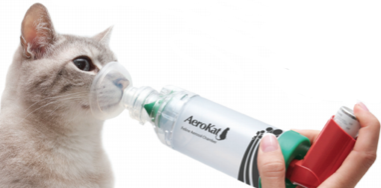
How To Use an Inhaler on a Cat

  1. Make the cat comfortable with the chamber . Before applying any medication, we need to make sure the cat tolerates the Chamber. We will start with short sessions, using snacks -or similar-, to associate the chamber with good input. We can start by showing the chamber to the cat and giving her/him a snack. Then, we will place the snack inside the face mask, so the animal puts the head voluntarily into the mask. Every session, we will increase the time that the face is inside the mask.
  2. Use the Chamber. Once the cat is comfortable, we can introduce the medication. After adding the medicine, you must count 15 breaths before releasing the cat, to make sure all is inhaled.
  3. Remember to always make it a positive experience, either through play or snacks!
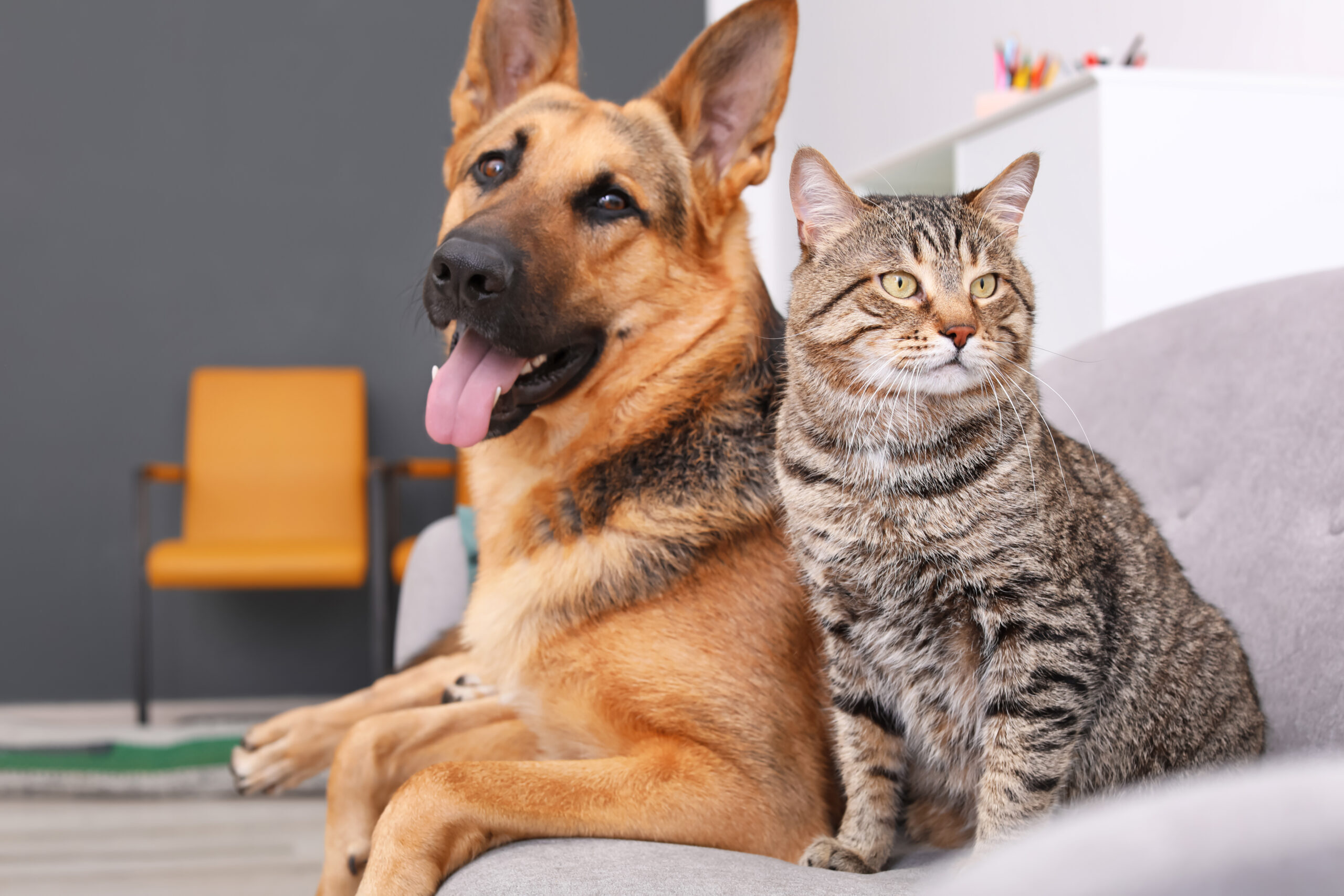
Adorable cat and dog resting together on sofa indoors. Animal fr

How to Identify Diabetes in Cats and Dogs

Diabetes is a problem that can affect both dogs and cats. It is a condition where there is a higher than normal level of glucose (sugar) in the blood and urine. This article will explain how the disease can be identified and what can be done to manage it.

Which animals are most at risk of developing diabetes? 

  • Overweight or obese cats and dogs
  • Animals on long term steroids
  • Entire (unspayed) bitches
  • Elderly dogs and cats

What are the signs?

  1. Increased drinking and increased urination
    This happens because excess glucose is lost from the body into the urine. It takes water with it which causes the animal to drink more and urinate more. 
  1. Weight loss and lack of energy
    Glucose is an important energy source which is lost from the body. Affected dogs and cats tend to lose weight and feel more tired even though they are often hungrier and eat more. 
    1. Collapse
      If diabetes is left untreated, the body will start to use fat as an energy source instead of glucose. This process produces compounds called ketones, which are poisonous. The animal may become very sick and dehydrated and need intensive veterinary care.


How is diabetes diagnosed?

There are a few ways of checking if your pet has diabetes generally a combination of at least two tests plus the appropriate clinical signs will be used to make diagnosis.

Urine Test
This is a quick and easy test to do to see if there is glucose in the urine. If you suspect your pet may be diabetic, bring a fresh urine sample to the surgery to be checked. Use a clean jar or sample pot which can be obtained from the practice.

Blood test

  1. Blood glucose levels
  2. Blood fructosamine levels – Fructosamine is a protein which increases in the blood stream when an animal has uncontrolled diabetes. It is a much more reliable way of checking for diabetes in cats who can sometimes have high blood glucose levels as a result of stress!


Treatment and Management

Insulin injections – Insulin helps reduce the amount of circulating glucose in the bloodstream and is the main factor in controlling diabetes. Injections may be given once or more commonly twice daily depending on your pet’s individual requirements. They are given under the skin usually at the scruff of the neck and are generally very well tolerated by most patients. The vets and nurses will show you how to carry out these injections so that treatment can be maintained at home.

Diet – Use of a diet designed for diabetic patients may help reduce the quantity of insulin required and achieve faster control of the disease. In dogs food must be given at set times during the day however cats will be allowed to graze.

Exercise – Regular exercise is good for diabetic patients but should be carefully controlled to help stabilise insulin requirements.

Correction of underlying factors – Weight management, spaying and reduction of steroid administration may all help improve the condition of a diabetic patient.


What can I expect when my pet starts treatment?

If your pet is very unwell when their diabetes is identified they may need to be hospitalised for a few days for the vet to get the symptoms under control.  It may take some time to fully stabilise a diabetic patient, however improvements in your pet should be seen within a few weeks of starting treatment.  Blood, urine and weight checks will be carried out periodically to monitor your pet’s response to treatment. Occasionally the vet may also carry out something called a ‘glucose curve’ to check your pet’s response to insulin over a 12-24 hour period.

 Low blood sugar (hypoglycaemia)
One potentially dangerous complication that you should be prepared for is “hypoglycaemia”; this is when blood sugar falls too low. This may happen if your pet refuses to eat or too much insulin is given. The early signs include unrest or lack of energy, and weakness or shivering which may progress to fits and unconsciousness.  If you suspect any of these signs try and feed your pet. If they will not eat straight away syringe or rub something sweet into the mouth and call your veterinary surgeon for advice.

The aim of treatment is to control blood glucose levels and restore a good quality of life for both you and your pet. Diabetes can usually be controlled by simple injections, exercise and dietary management. Regular monitoring is essential to maintain good control of all diabetic patients.

If you have any further questions about diabetes please contact one of our team for more advice.

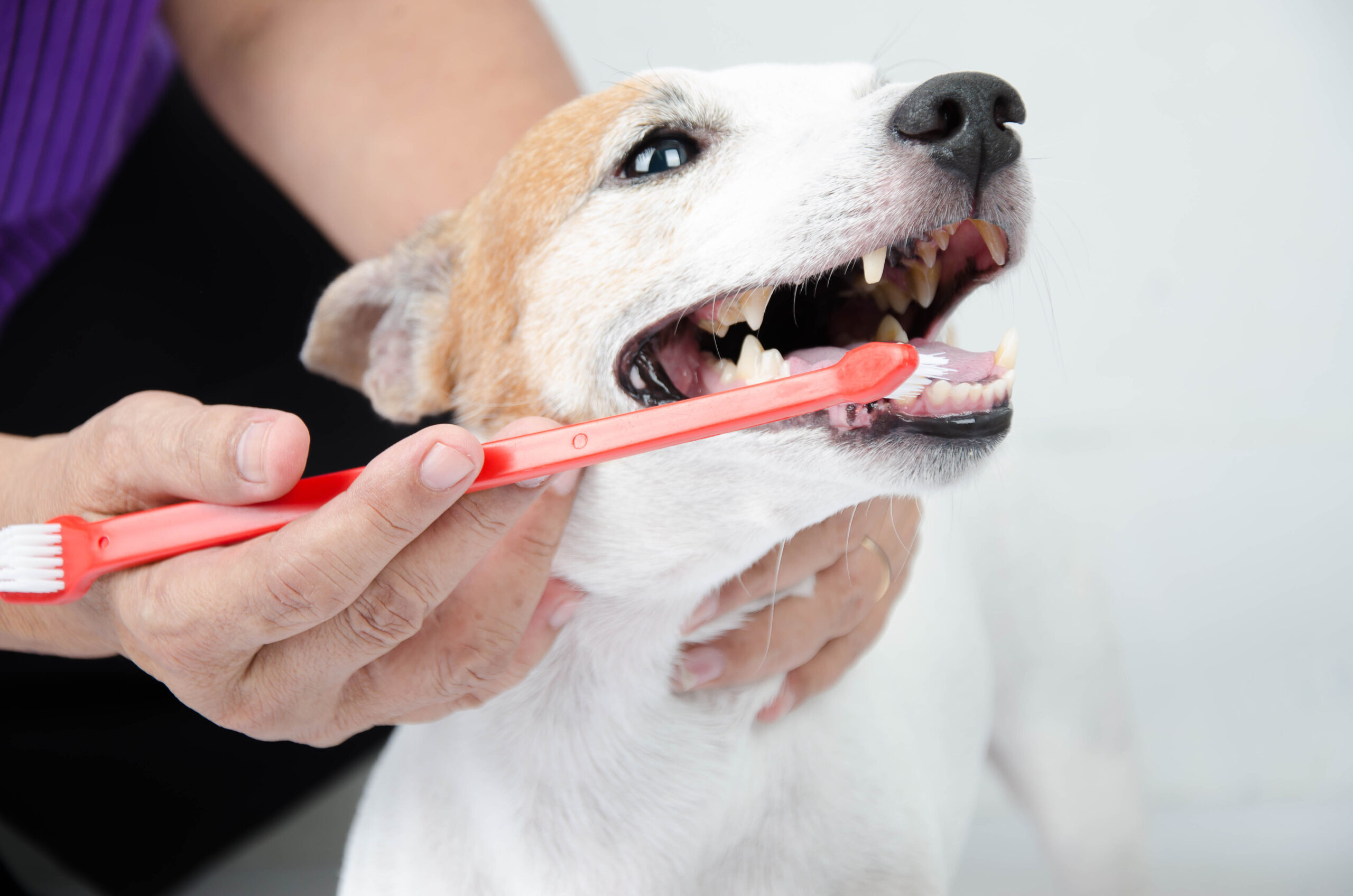
hand brushing dog’s tooth for dental care

Importance of Dental Care for your Pets

Dental disease is one of the most common problems in cats and dogs. It can be the cause of bad of breath, bleeding gums and chronic pain but can also be a source of infection which can spread to other parts of the body including kidneys, liver and the heart.

The early stages of the disease can be reversed by good oral hygiene including tooth brushing (not impossible in cats!), descaling and use of dental diets. For more advanced cases the only successful method of treatment may be to remove the teeth. Although this may seem drastic many cats are a lot happier after this procedure and will eat biscuits very happily!

Why does dental disease happen?

Without regular cleaning, teeth will become coated in a layer of plaque which is a mixture of bacteria and calcium deposits that are present in saliva.  As the plaque accumulates it can lead to painful inflammation of the gums also known as gingivitis. If left undisturbed it will form a layer of calculus or tartar which provides a perfect surface for more plaque accumulation.

Plaque, tartar and gum disease can be treated relatively easily, however if left unchecked may lead to loosening of teeth in their sockets (periodontal disease) and in some circumstances tooth root abscesses. These problems will generally require removal of the affected tooth as part of the treatment.  Broken teeth generally occur due to trauma and cats may also get tiny holes in their teeth which can be extremely painful.

How do I know if my pet has dental disease?

  • Red, swollen or bleeding gums
  • Pus around the gum lines
  • Bad breath
  • Dribbling (which can lead to fur staining)
  • Rubbing or pawing at the mouth
  • Difficulty eating
  • Pet will not allow mouth examination due to pain or discomfort

Remember: Pain is not always obvious in cats and dogs but it doesn’t mean it isn’t present

What does dental treatment consist of?

In most cases if your vet advises you that your pet needs dental treatment, this will involve a general anaesthetic. Removal of tartar and plaque from teeth generally requires the use of high speed air driven descaling equipment. The majority of our pets will not tolerate this when they are conscious, neither will they allow drilling or tooth removal!

A general anaesthetic means that the vet can have good access to the teeth and gums whilst protecting the pet’s airway from debris and fluid as the teeth are cleaned. The teeth will be descaled to remove the tartar and reveal any damaged or loose teeth that may need to be taken out. Finally they will be polished before the animal is woken up.

Dental disease in cats

Gingivostomatitis (inflammation of the gums) is a common disease in cats. It is a very painful condition and can result in severe changes within the mouth. Bad breath and weight loss are two common signs but unfortunately mean that the disease may be quite advanced by the time this is noticed. Red marks on the gums are a sign of gum disease.

FORLS (Resorptive Lesions) – These are very painful small holes that appear in the teeth of some cats. It is not clear why they occur but teeth will always need attention if they are present.

How to brush your pet’s teeth

Step 1

Introduce your pet to the taste of special animal toothpaste by allowing them to lick it off your finger. Make this an enjoyable experience and give them plenty of praise. Do this for 3-5 days.

Step 2

Use your finger to gently rub some toothpaste onto the outside surfaces of the teeth and gums. Start with the canines and gradually work your way to the back teeth. After a few days you can also start to introduce a finger brush to get your pet used to having an unusual object in their mouths.

Step 3

Use your finger to gently rub some toothpaste onto the outside surfaces of the teeth and gums. Start with the canines and gradually work your way to the back teeth. After a few days you can also start to introduce a finger brush to get your pet used to having an unusual object in their mouth

Now you can introduce a pet toothbrush. Brush each tooth in a circular motion with the brush angled at 45 degrees (downwards for the lower jaw and upwards for the upper jaw). Make sure you brush both the tooth and gum line.


It is very important to pay close attention to the health of your pet’s teeth and gums. If dental disease is overlooked or left untreated your pet may experience significant pain and discomfort. There are many ways to keep teeth clean. These include tooth brushing, dental diets and mouth washes to name a few.

Please contact our team if you would like to arrange a dental check for your pet, or for any further information on home dental care.  We are offering free dental check ups with a 10% discount on dental cleanings throughout the month of May.

pet-first-aid-kit

First Aid in Dogs and Cats

First Aid In Dogs and Cats


Golden Rules

  • Be prepared – keep your first aid kit organised and up to date.
  • Don’t panic at the first sign of a problem, try and remain calm and be logical in your approach
  • Know when to seek further help – minor problems may often be dealt with at home but if in any doubt consult your vet


First aid as the name suggests is the first treatment you would give when presented with an injury or traumatic episode. We all hope that our pets will never be in the situation where it is needed however the preparation of a basic first aid kit and some tips on how to handle situations may make dealing with an emergency much easier.


Cuts and tears:

These may vary from small superficial skin tears with little blood to larger gashes that require stitching. Basic examination of the wound will help you decide what to do.

  • Trim away any hair that is covering the wound
  • Flush well with a good amount of warm water or saline, this will remove any dust or debris
  • Apply a light bandage or dressing if possible to minimise further contamination- consult your vet if you are worried.

Bleeding wounds:

Some deep wounds or those on ears or tails may bleed profusely. The most important thing to do here is to apply pressure.

  • For severe wounds where a lot of blood is being lost use a tea towel to create a firm pad. This can be bandaged firmly onto the wound and should not be removed until you reach the vets
  • Ears – a head bandage can be applied alternatively use something to hold the ear firmly to the head to stop repeated flapping and give time for a clot to form
  • Tails – lots of tape is often required to hold these in place.
  • Sometimes wounds that appear small, for example a puncture wound caused by a bite may be significantly contaminated by bacteria. There may be tissue damaged underneath the skin that requires veterinary treatment.


Seizures:

Although these may seem very frightening when they occur it is very important you remain calm.

  • Reduce any external stimuli if possible such as loud noises or bright lights
  • Many animals may lose control of bladder or bowel function during a fit this is not unusual
  • Do not attempt to try and clear an airway you may get bitten
  • Reassure your pet whilst the seizure is happening, talk quietly and calmly.


Heat stroke:

Signs may include excessive panting, disorientation, collapse or seizures.

  • Wet towels with cold water and apply them to less hairy parts of the body such as under the front and back legs and over the abdomen. Change the towels as they begin to warm.
  • Create an airflow either using a fan or an open window in a moving car.
  • Avoid completely submerging your animal in water this may lead to more problems
Bandon Contact Details
📞 023 8841404
📍 Station Road,
Bandon,
Co. Cork.
Ireland.
P72 FY72
Muskerry Vets
📞 02641055
📍 Sawmill Yard, Macroom,
Co. Cork,
Ireland.
P12EY80

Kinsale Contact Details
📞 021 4772277
📍 1 Church Square,
Kinsale,
Co. Cork.
Ireland.
P17 W281
Carbery Vets
📞 023 8845206
📍 Bridge street
Dunmanway
Co Cork
Ireland
P47FN36