No products in the cart.

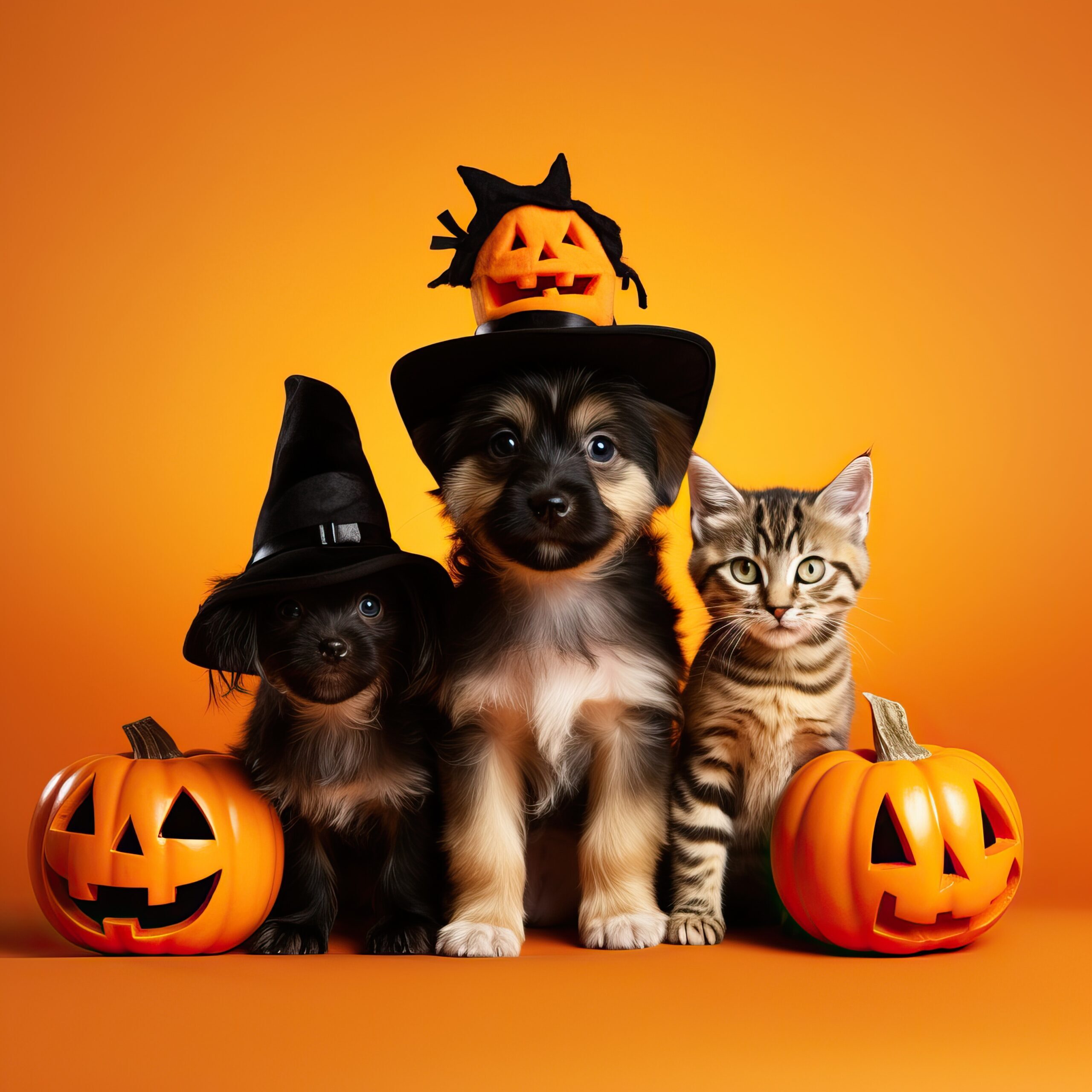
cat and dog, wearing costume for halloween. friend with orange backgound. halloween theme.

Tips to protect your pets at Halloween

As Halloween approaches, our thoughts drift to ghosts and ghouls, spooky decorations, lots of treats and fun times.  Sadly, for our pets it can be a frightening time.  There could be hazards in our homes, from toxic foods to dangerous decorations.  We are reminding you to be aware of the dangers Halloween poses to all animals and to take extra measures to safeguard the safety of not only domestic pets but farm animals and wildlife too.

Our small animal veterinary team has pulled together a Halloween survival guide to help keep pets happy.

Hide the treats

The sweets bowl is for trick-or-treaters, not our furry friends. Several popular Halloween treats are toxic to pets. Chocolate in all forms and sugar-free candies containing the sugar substitute xylitol can cause serious problems in pets. If your pet does ingest something toxic, contact your vet immediately.


Halloween decorations out of pets’ reach

Many cats and dogs love to play with dangly decorations. However, they could end up chewing and swallowing something harmful, leading to serious problems such as a gut blockage.  Its important to keep pets away from wires and candles.  Also, swallowing foil or plastic wrappers can lead to digestive problems and may require surgery.


Don’t dress up pets

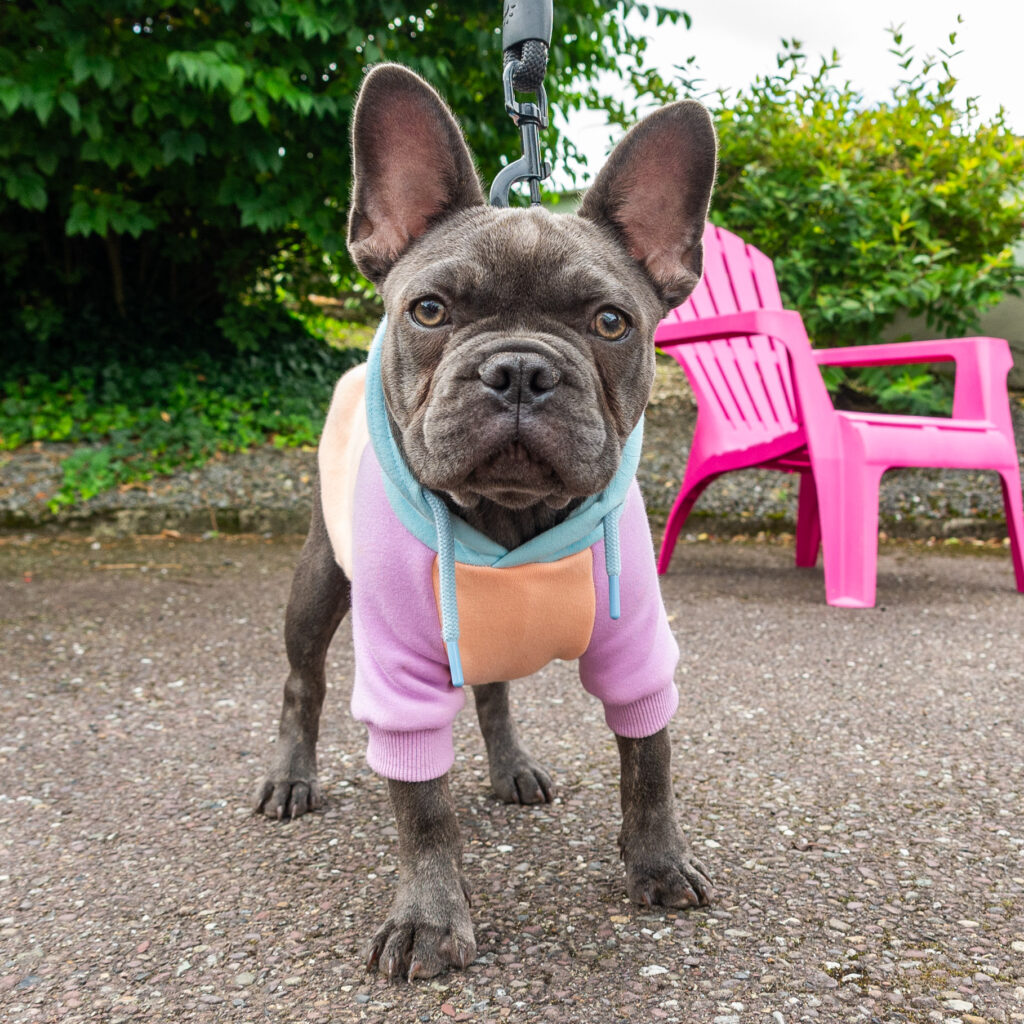
Some pets may find wearing Halloween costumes stressful. Consider a festive themed bandana instead which will be less restrictive. If you do choose to put your pet in a costume, make sure it does not limit the animal’s movement, vision, ability to breathe or behave normally.


Fireworks

The sound of fireworks can cause a lot of distress for pets.  It is important to ensure pets are kept safe in a secure area where they cannot dart out an open door from the noise.  Keeping the lights low and playing a radio or television in the background can help drown out some of the noise outside. Close the curtains and windows if there’s lots of noise outside.


Be home before dark

Trick-or-treaters in costume and loud music from parties can be scary for our pets, so it’s best to be at home with them before Halloween activities start.  To avoid stress in dogs, take them for walks before it gets dark.  For cats, encourage them to come home earlier by moving their dinner time to before it gets dark outside.


Outdoor Pets and Wildlife

Horses, ponies and donkeys should be securely stabled to prevent them from escaping or hurting themselves if they live in areas with a considerable amount of Halloween-related noise. It is important you check under all wood piles before lighting any bonfires to ensure there is no wildlife hibernating. Some outdoor decorations such as fake spider webs can snare wild animals, so be careful if hanging them and ensure they are removed after the festivities.


Unfortunately stray animals can fall victim to abuse or cruel Halloween pranks. If you witness any animal cruelty, please contact your local Garda station immediately.
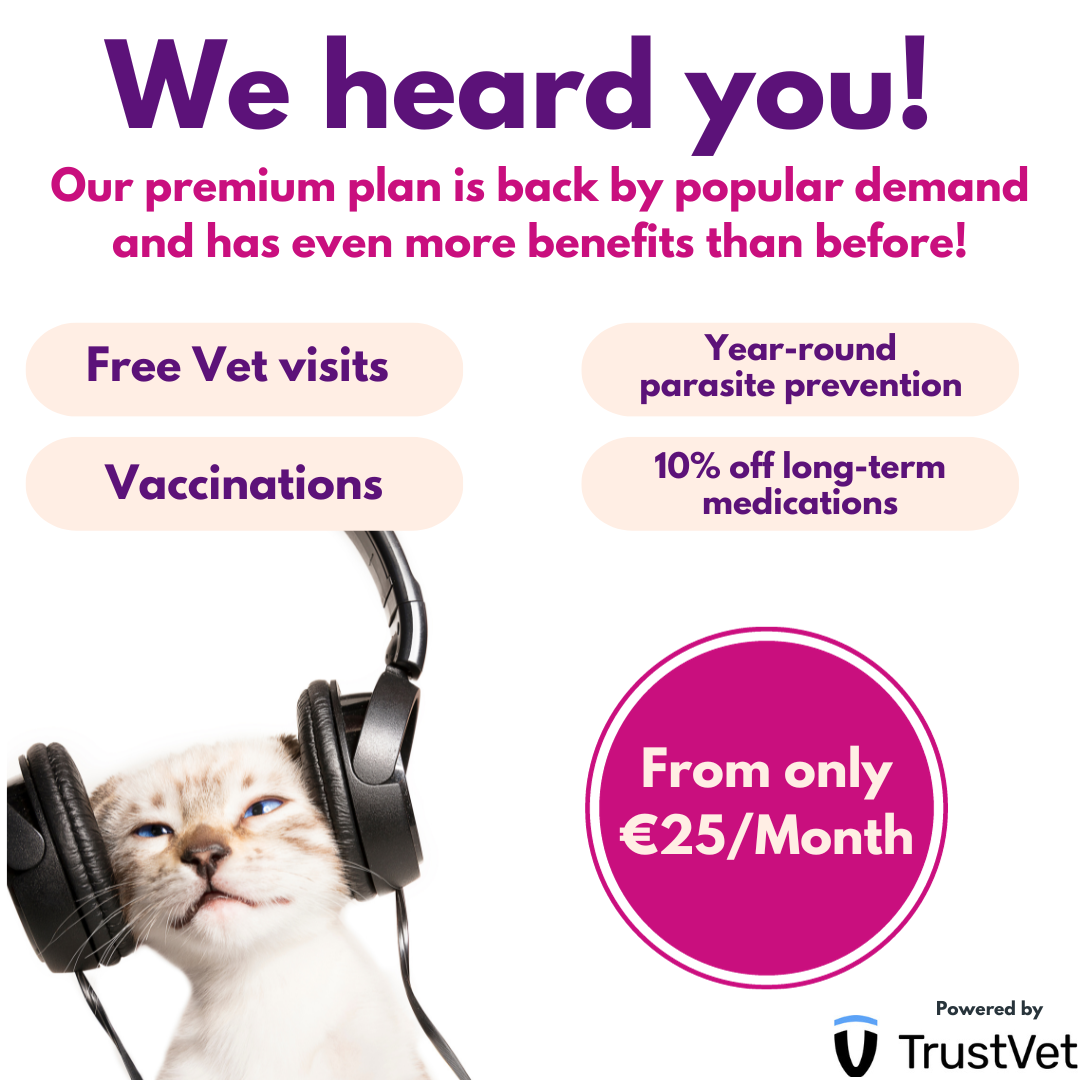
trustvet cat ad 2

Why join Glasslyn Vets’ Pet Health Plan?

Did you know Glasslyn Vets offer a Pet Health plan that helps you spread out the costs of your veterinary bills?


A Health plan gives you peace of mind that you are actively monitoring your pets’ health with regular visits, updated vaccinations and year round parasite treatment!


At Glasslyn we don’t judge or discriminate, so the health plan is open to all ages and preexisting conditions so you can sign up your new puppy and senior cat so that they both can benefit from our plan.


We do have a few exclusions, this plan does not cover:

  • Once off medications
  • Visits out of hours, home visits or public holidays
  • Vaccination restarts after missing the booster
  • Maximum of 12 visits a year


Lets look at the benefits of the Healthplan!

  1. Year round parasite protection


The harm from parasites to a pet’s health can range from minor irritation to serious conditions that, if untreated, can be fatal.

At Glasslyn we stock a wide variety of Flea and Worm medications, giving you the option of a spot on or tablet, monthly or every 3 months.


  1. Annual Vet check

Having your pet in for an annual vet check ensures that we catch any health problems early, avoiding an escalating illness and saving you added vet bills!

On the Essential plan you get a yearly vet check, and on the Premium plan you get up to 12 visits a year!


  1. Yearly Vaccinations

Unvaccinated pets are always at a greater risk of coming in contact with deadly diseases and spreading them to other pets or even humans.

Our Health plan covers your pets first and second vaccination, as well as the yearly booster. We also cover Kennel Cough for dogs and Feline Leukemia for cats.


  1. 10% Discount on Glasslyn Pet food

We stock Royal Canin, James Well Beloved and Calibra which offers a veterinary approved pet food for all budgets.

These brand have Vet specific diets like Gastrointestinal for pets prone to upset stomachs, Urinary for pets prone to bladder stones, Sensitive for pets with allergies and much more!

They also have the Health range for every day health and wellbeing.


  1. 10% Discount on Neutering

Did you know neutering your pets let them live longer?!

Neutering your pets prevents females from coming into season, attracting unwanted male attention which can lead to pregnancy or false pregnancies. It also prevents the risk of testicular cancer in males and uterus infections and cancers in females. It helps reduce urine marking and roaming in male dogs and cats.

This procedure is very straightforward with your pet coming in in the morning and going home that afternoon.


  1. 10% Discount on Long term medications

We know the vet bills can add up when your pet is diagnosed with a long term illness or condition, that is why our Premium plan covers any long term medications that your Vet has approved, this includes arthritis medications, allergies, heart or liver and others.


  1. Optional Dental pack

If your pet is prone to dental disease or bad breath, this added option would be for you!

At a small added monthly fee, we will include a yearly dental scale and polish, to keep your pets teeth healthy! By having a dental cleaning once a year, we can avoid tooth decay early enough to save you from expensive extraction surgery.


  1. Optional Blood and Urine analysis

This option is also at a small added fee and gives you added peace of mind. This is a good option for our older pets, to catch any underlying issues early enough.

Talk to our team or sign up on our home page for savings up to 490 euros a year!

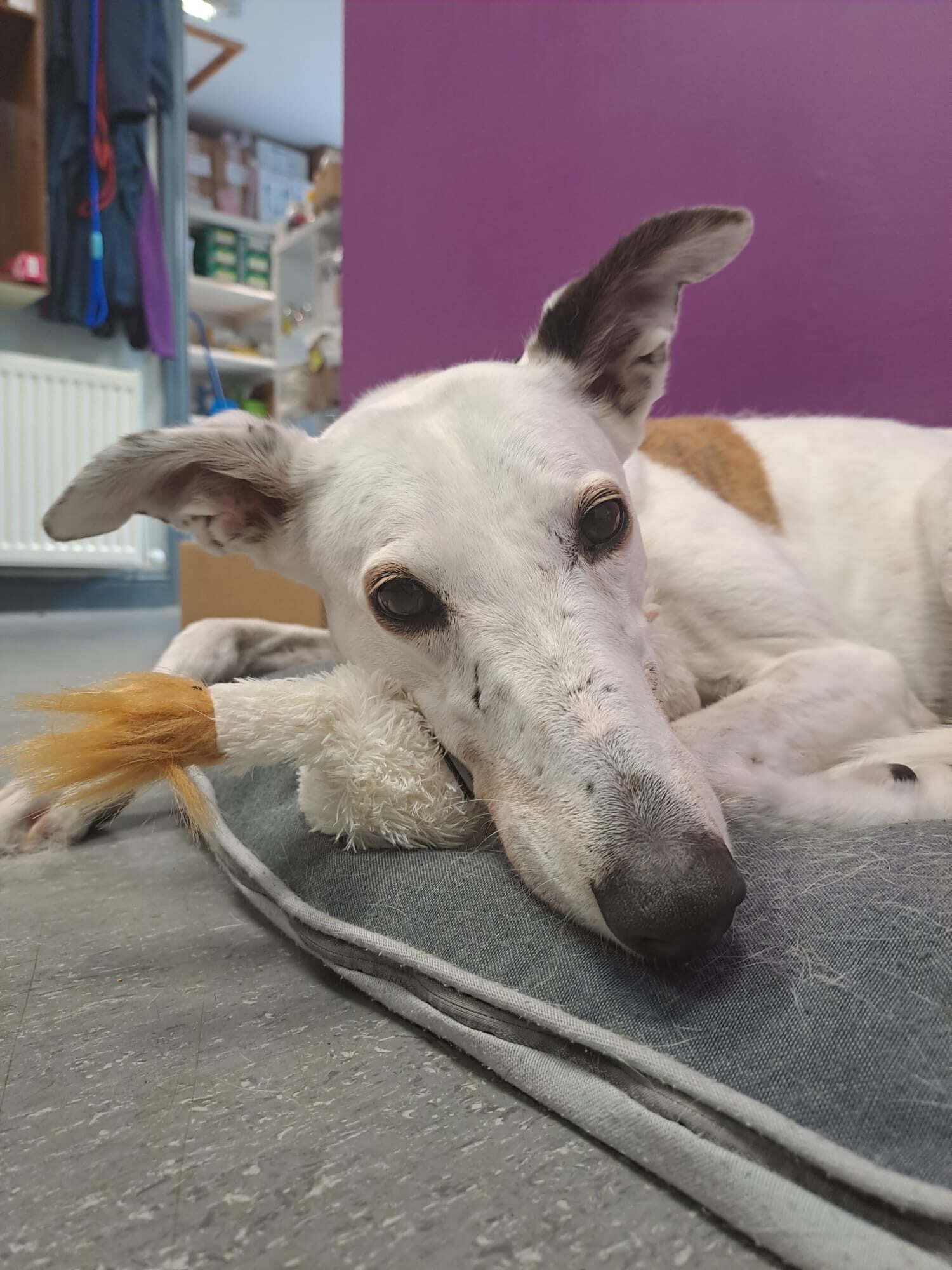
roz2

Office Dog Roz and Pulpitis

Dental issues can be a hidden source of pain in our pets. Routinely, having a look at your pet’s mouth and teeth can help catch any problems. When checking Roz’s mouth last month, we noticed her lower canine had become discoloured and a diagnosis of pulpitis was made. You can see from the photo below; her tooth had turned a dull / pink colour.

Pulpitis is normally due to trauma to the pulp within the tooth, this leads to bruising and subsequent bleeding within the tooth canal. The most common cause of pulpitis is blunt trauma to the tooth. This is often caused by chewing bones, stones, or accidental clashes when playing.

In addition to the bleeding in the canal, if sufficient trauma happens, the tooth may become subluxated or rotated within the tooth socket. This can lead to rupture of the blood supply. If the tooth has lost blood supply, the tooth will subsequently die. As the tooth is dying off, this causes pain to the animal.

Roz underwent a full general anaesthetic; she had full mouth dental x-rays taken. She was given local anaesthetic nerve blocks to ensure she felt no discomfort. All her teeth were cleaned and polished and the lower canine was removed. The dental x-rays also allowed us to see that two other premolar teeth needed to be extracted.

After her procedure she was kept comfortable at home with pain relief and was fed soft food for the next few days. She has since made a full recovery 😊

Teeth can often be overlooked by owners as a problem in our pets. Often, owners will think that if their animal is eating normally, they don’t have any pain in their mouths. Roz never showed any discomfort and never went off her food, even though she had a painful issue with her canine. It is very important to get regular check ups with your vet, we will always do an oral exam and suggest a dental if needed.

Life’s A Puppy Party!

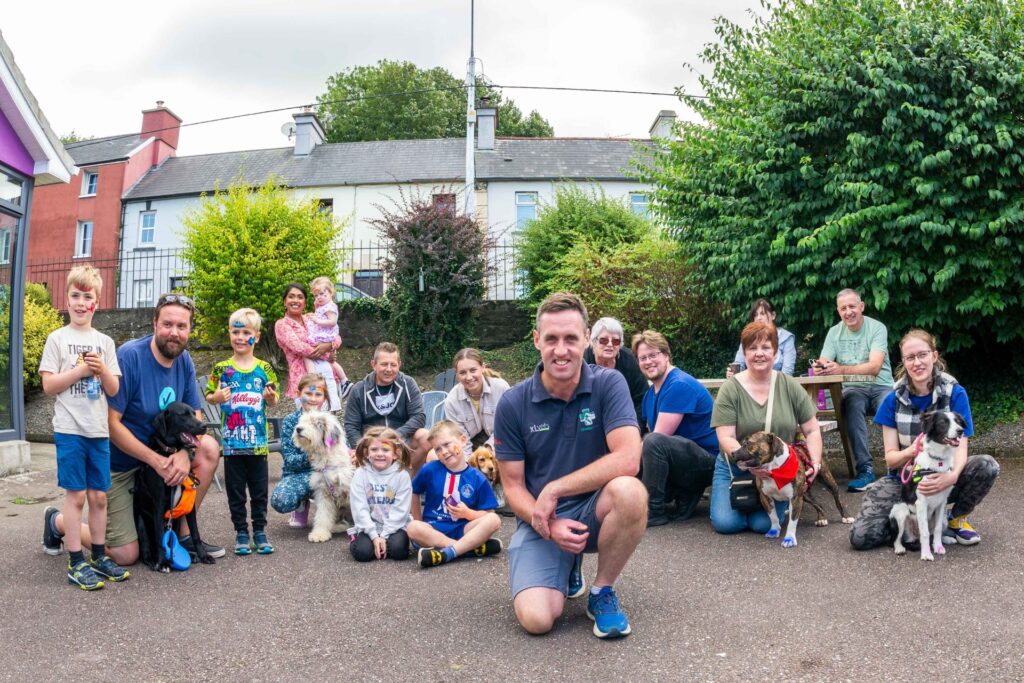
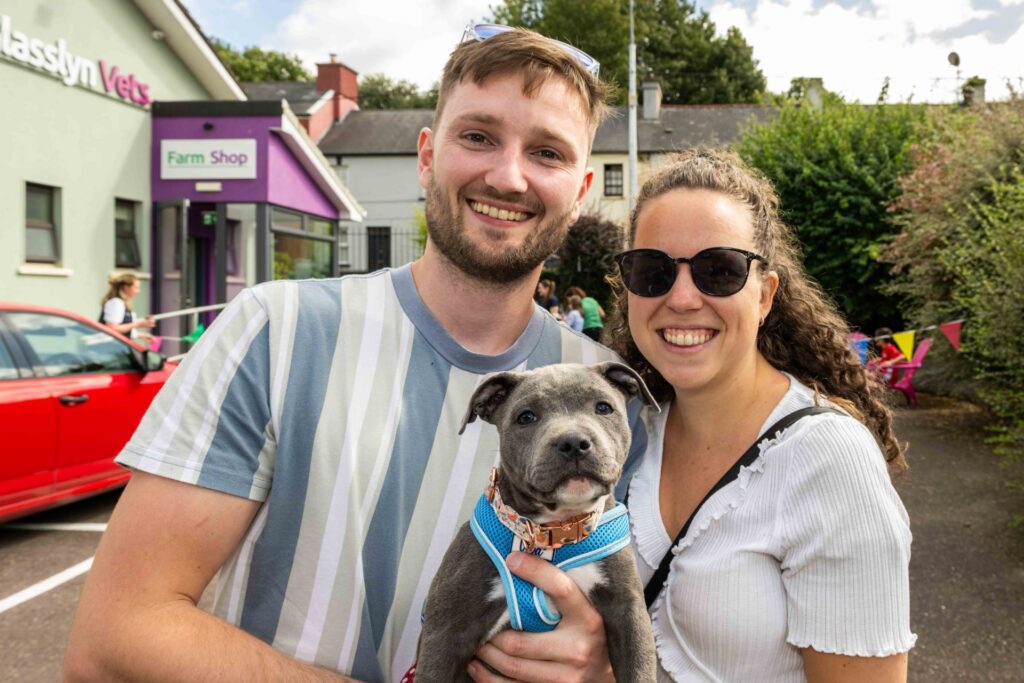
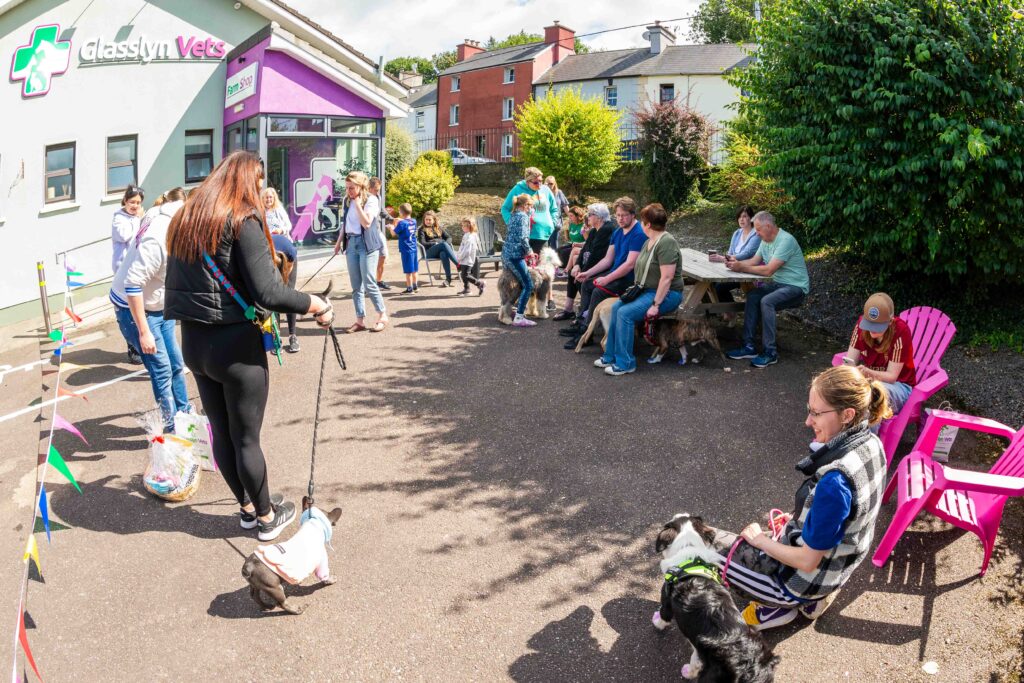
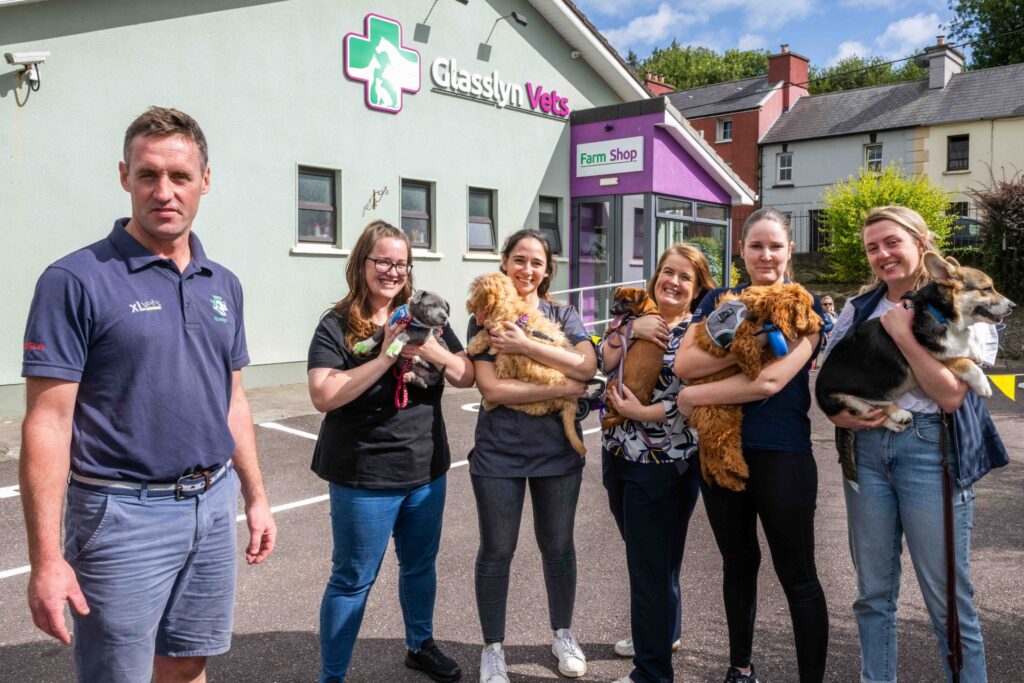
On Saturday, 26th August 2023 we hosted our annual puppy party in our Bandon clinic in County Cork. This paw-tastic event is a regular highlight for local pet owners to connect with fellow dog lovers and their furry friends.  It was a day filled with fun and excitement for everyone in the West Cork area and their adorable four-legged companions.

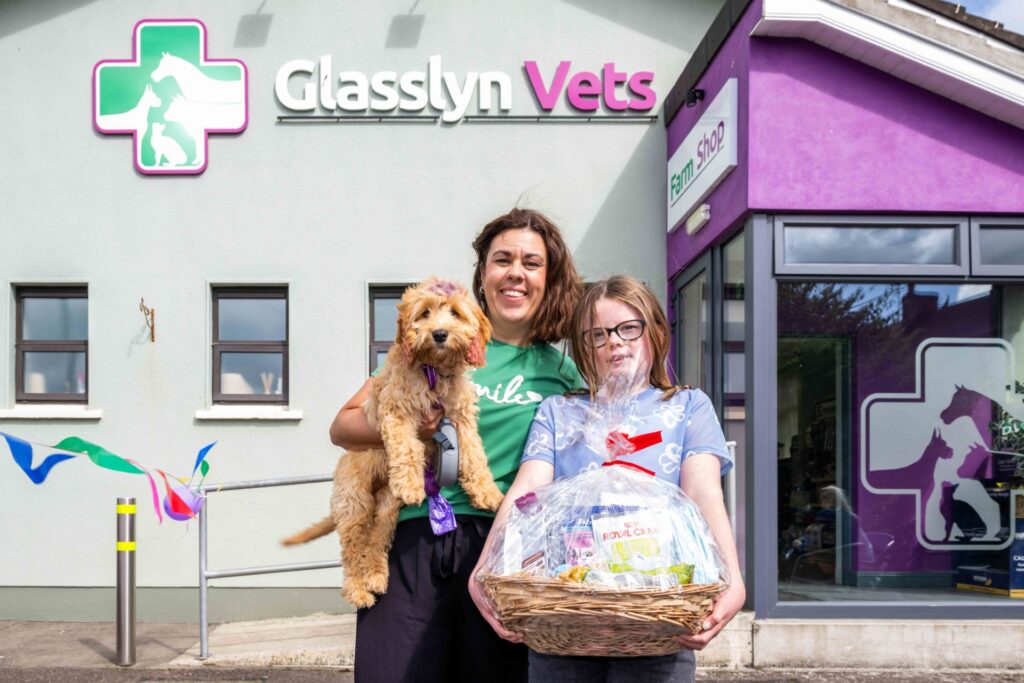
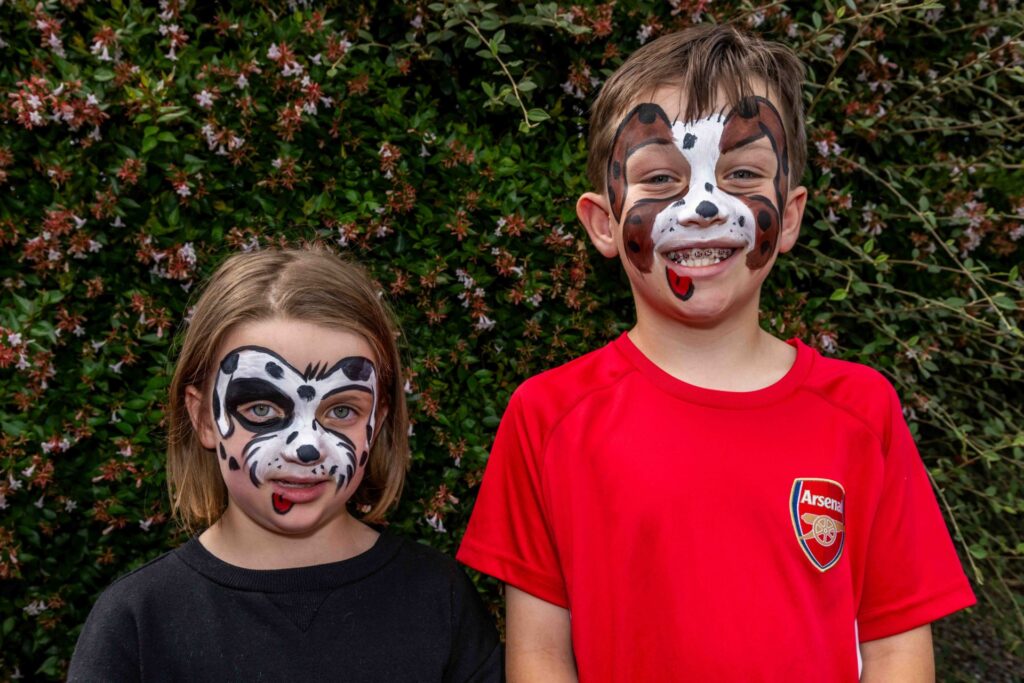
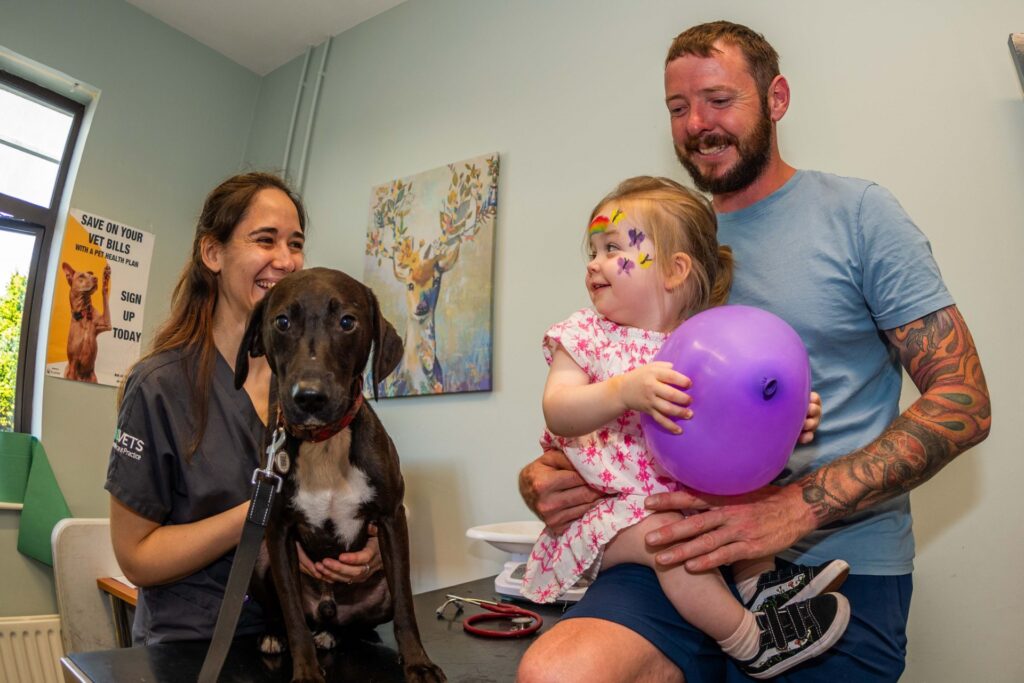
Throughout the afternoon the clinic was a hive of activities. For the puppies, veterinarian Marta Del Arca was performing free puppy health checks. Fluff & Buff groomer Catriona O’ Mahony brought some Hollywood glamour to the pets with fun non-toxic fun fur stamps, nail trims, and creative paw painting.  There was stiff competition for who would win the cutest puppy and most well behaved puppy competitions! Not to be left out, there was face painting and refreshments for the humans!

John Nyhan, Glasslyn Vets director, said: “We are delighted to be hosting the puppy party again this year. The puppy parties bring together pet owners and their pets, allow them to get to know one another, and in some case form long lasting friendships. Puppy parties are a great opportunity for pet owners to learn about what’s best for their puppy as they develop into an adult dog. It is also a great way for our team to connect with our customers, showcase our expertise, and have some fun. Everyone is always welcome here in Glasslyn Vets, especially man’s best friend!”

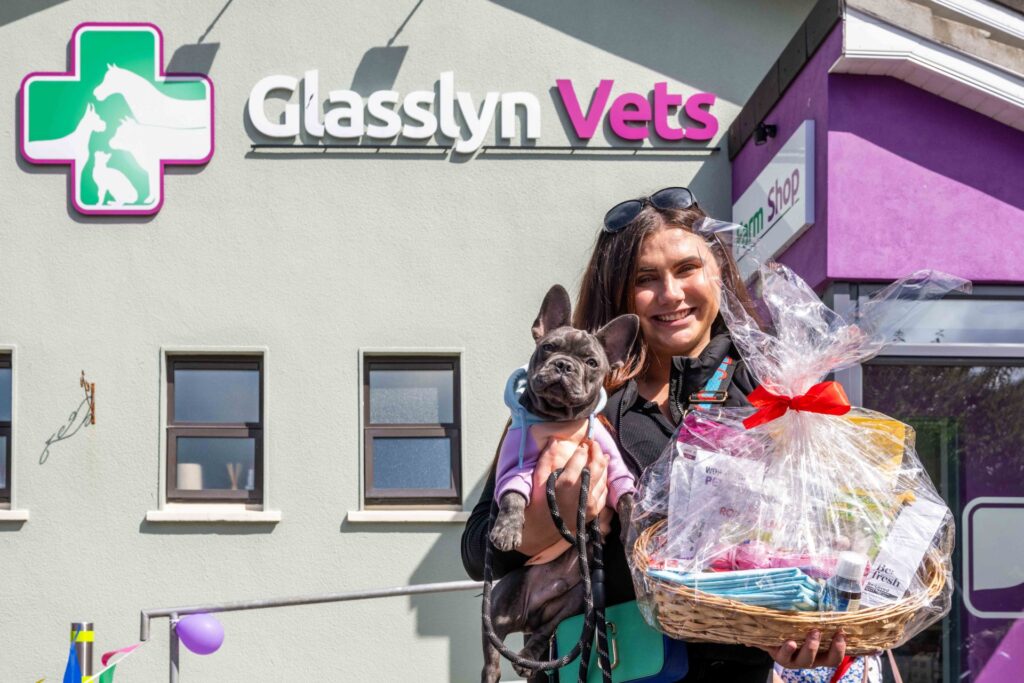
Thank you to all our sponsors for donating items to our complementary puppy packs and hamper prizes: Interchem, Royal Canin, MSD, C+M, Calibra, Nutravet and Duggans.

Special thanks was paid to the event team, led by Alexa Du Plessis, who put tremendous effort, creativity, and passion into organising the puppy party.

Some photos from the paw-tastic event!


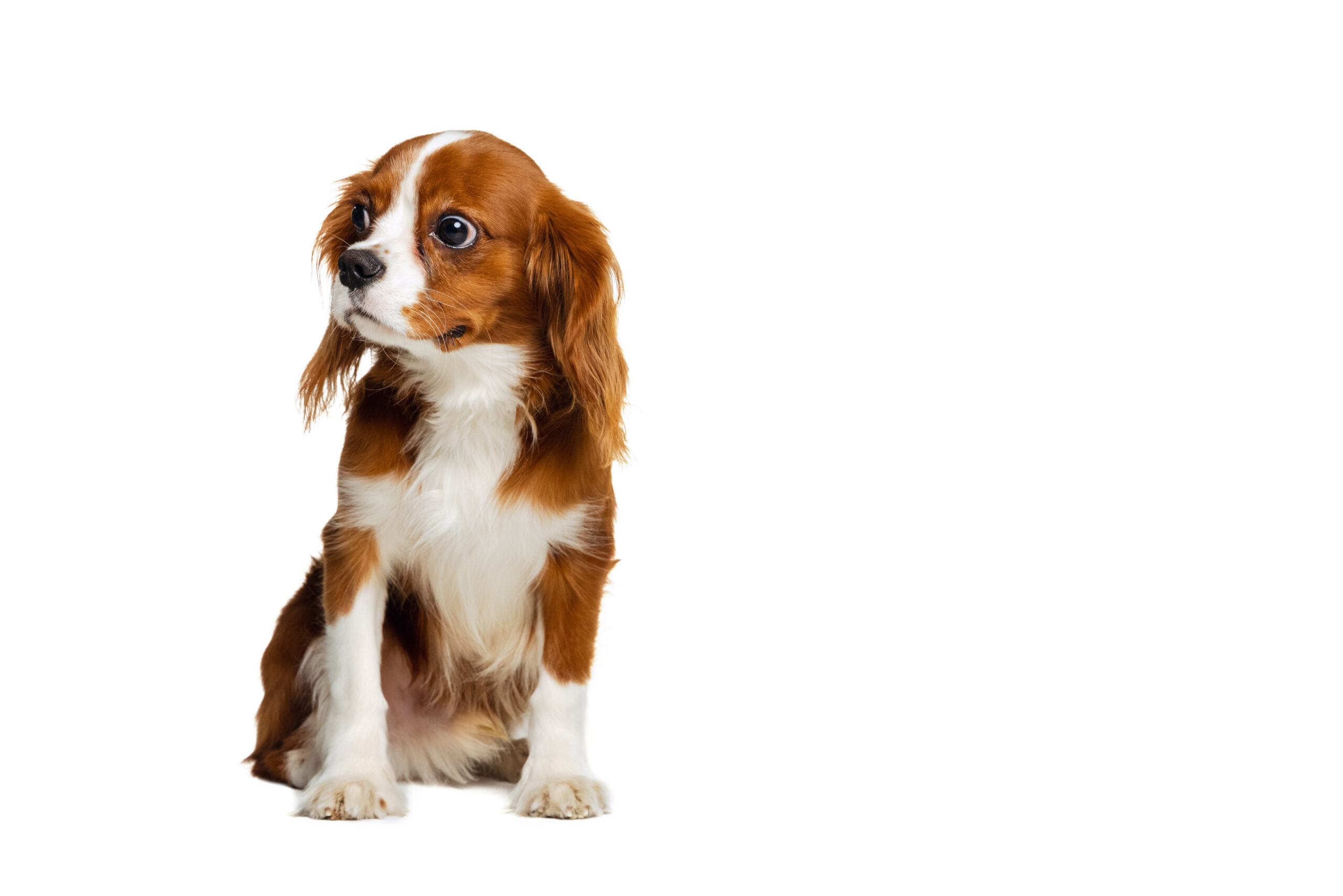
Companion dog breed, King Charles Spaniel calmly sitting isolated over white studio background.

First steps in choosing a puppy

Firstly, when looking for a puppy, prospective owners should research what dog breed would suit their family circumstances. Certain breeds require a lot of exercise, particularly working dogs ie collies, huskies etc.

Owners need to make sure that they can offer the time and commitment to exercise and spend time with them, as often they can become frustrated and develop behavioural problems if their needs aren’t being met. We also need to consider some health issues which may arise in some dog breeds ie. respiratory, skin and orthopaedic issues.

When viewing the puppy, owners should ideally see both parents of the pup and the house itself, to ensure both parents are healthy and the pup is coming from a good home. It is not recommended to collect pups at the side of the road or shopping centres etc.

Legally all pups should be microchipped and registered when being sold or rehomed. Puppies should be at least 8 weeks old before being rehomed and ideally have the first vaccine given of DHPPi and L4.

A 2nd vaccine of the same is normally given 4 weeks after the first injection. This is to protect your pup against infectious diseases such as parvo virus and leptospirosis (Weil’s disease). It is important for everyone at home including the puppy, that they are vaccinated.


Image by master1305 on Freepik

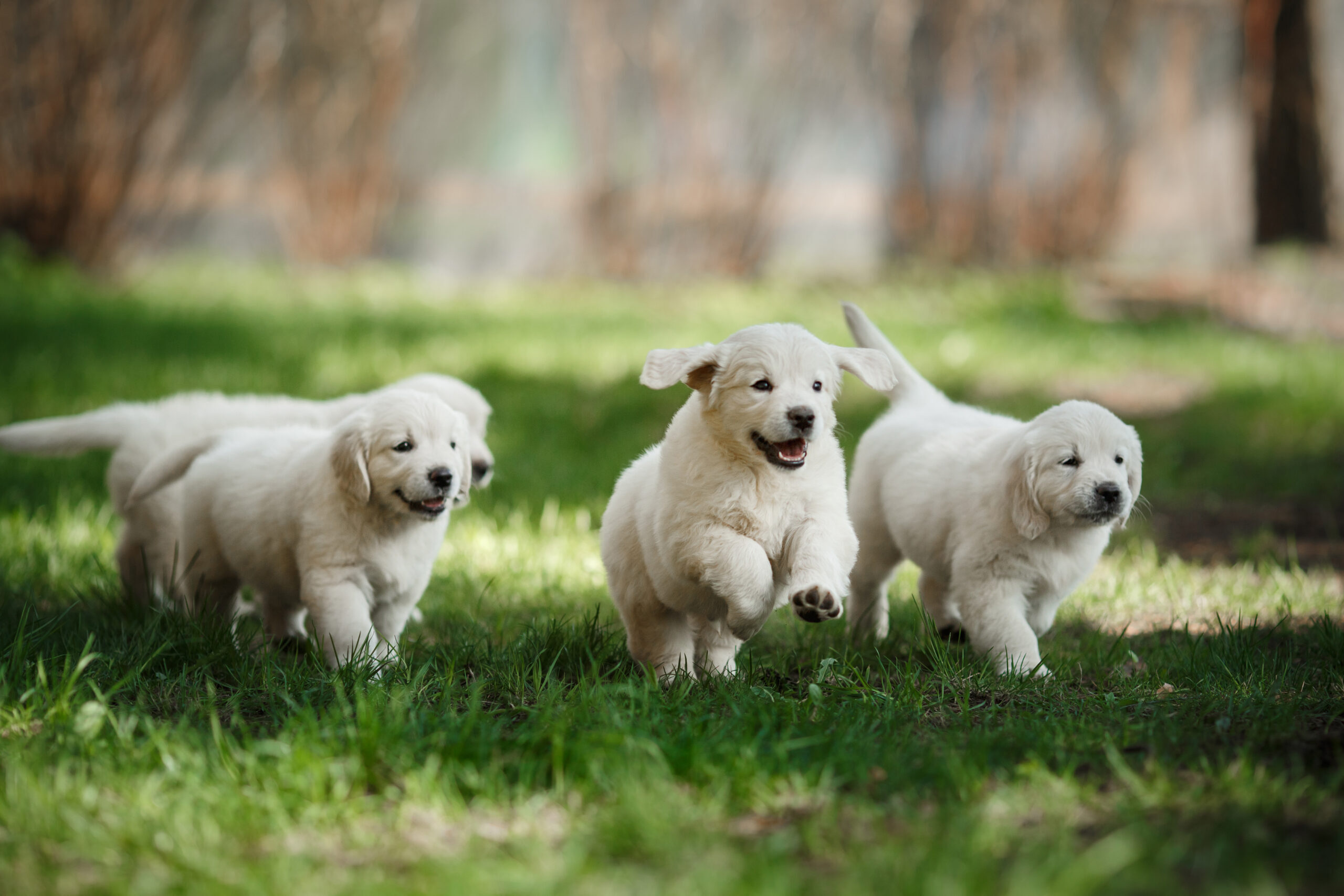
Little puppys Golden retriever

Importance of Microchipping Your Pet

Microchipping is an important part of responsible pet ownership.  It provides peace of mind that if your pet was to go missing, he or she would have the best chance of being returned safely.


When to microchip?

Microchips can be implanted at any time. It is often done in puppies and kittens at or around the time of initial vaccination, or when neutered. It is still a legal requirement for dogs to wear an identity tag on a collar even when microchipped.

If a stray animal is found it is always scanned. Vets, most rescue centres and local authorities have scanners.  When a microchip is found, the database can be accessed 24 hours a day and the owner informed.


What happens when your pet is microchipped?

The microchip is very small, about the size of a grain of rice, the procedure is very simple and no more painful than an injection. The microchip, which has a unique number, is placed under the loose skin between the shoulder blades. Your pet will not be aware of the microchip once it is inserted and the body will not react to it as it is coated in the same material that is used in human pacemakers!


Your vet will check the microchip with a handheld scanner. Your pet’s unique identity number, together with your contact details are registered by you or your vet onto a national database. This can be done online or by post. It is important to change your details should you move address.

Glasslyn Vets Employee Pat O’ Donnell Celebrates 50 Year Work Anniversary

Pat O’ Donnell Celebrates 50 Year Work Anniversary

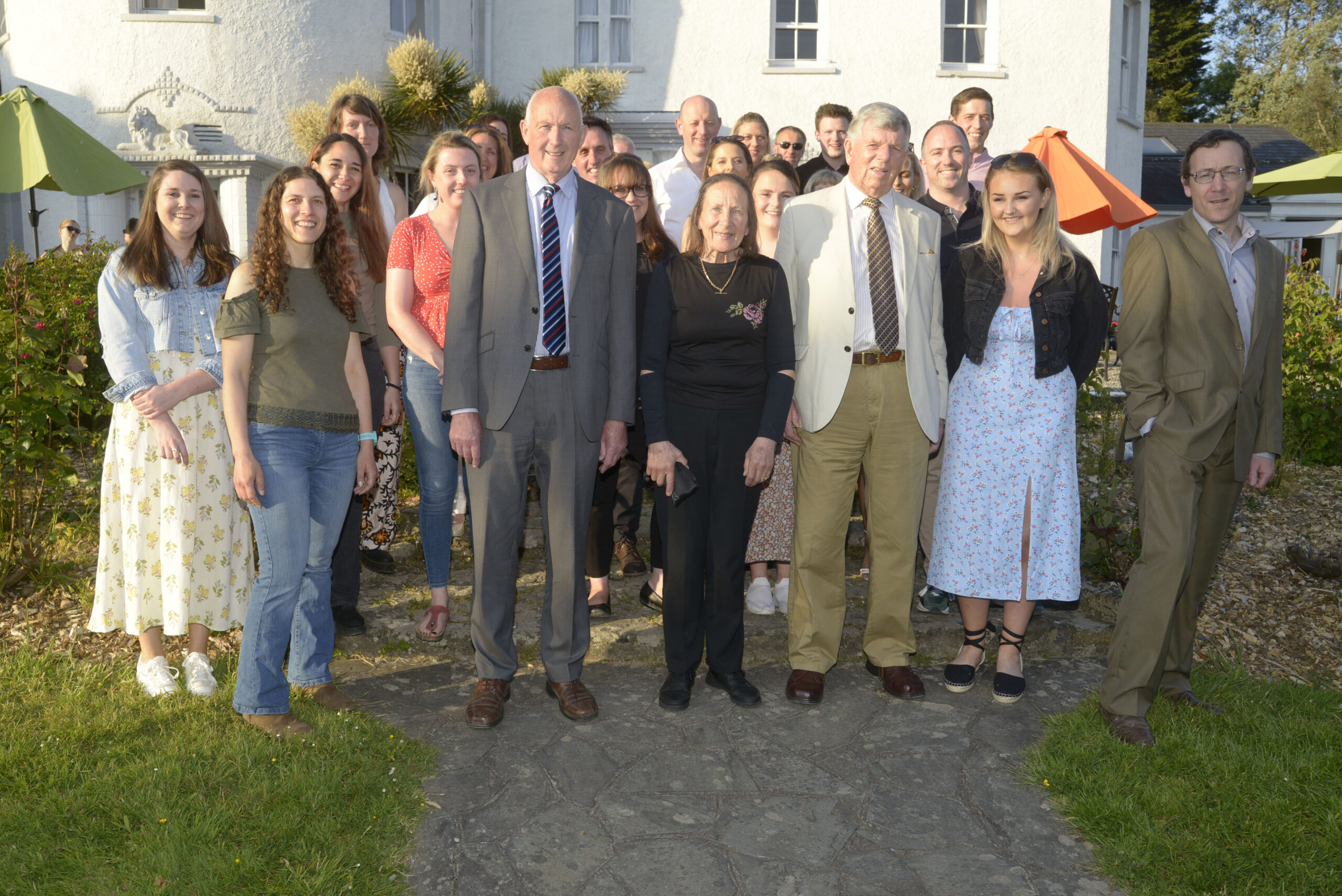
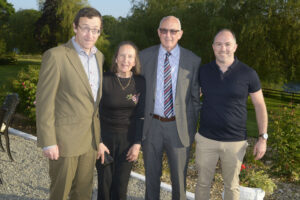
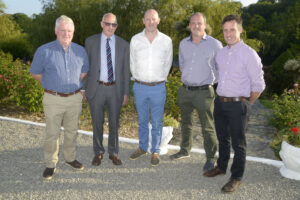
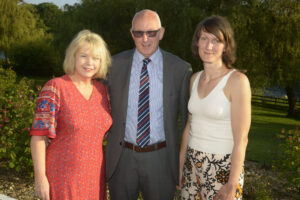
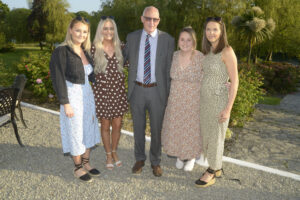
Glasslyn Vets honoured its longest serving employee Pat O’ Donnell, who recently celebrated his 50th anniversary with the company. Glasslyn Vets held a celebration in the Innishannon House Hotel for Pat O’ Donnell, his family and work colleagues.

Glasslyn Vets Managing Director, Kevin O’ Sullivan, directors David McLaughlin, John Nyhan and John Healy, along with work colleagues commended Mr O’ Donnell’s dedication to veterinary life and thanked him for his five decades of service and loyalty.

“We’re excited to celebrate Pat reaching the 50th anniversary milestone,” said Kevin O’ Sullivan.  “Pat embodies the traits that help make Glasslyn Vets a leader in our industry: hard work, commitment, and putting animals at the heart of everything we do. We know from personal experience that Pat is a great role model for future generations of Glasslyn Vets’ veterinary teams.  He has supported some of our directors with their own career, helping them to progress from assistants to partners and we have benefited hugely from his knowledge and experience. I would like to personally thank Pat for his daily contributions to our company.”

Mr. O’ Donnell  came to Bandon in 1972 and became a partner in 1973.  Over the following fifty years, Pat supported a lot of positive change for the business; from building on a purpose designed veterinary clinic on Glasslyn Road, Bandon in the early eighties, to purchasing a new premise in Church Square, Kinsale.  In the mid to late eighties the practice acquired six other practices throughout Cork county. All of this has led to Glasslyn Vets becoming a leader in the veterinary industry, with a strong culture of investing in its employees and offering state-of-the-art facilities to protect and improve large and small animals’ health.

“Pat has played a very important role within our organisation and continues to set the example of hard work and dedication to our company,” said Glasslyn Vets director David McLaughlin. “His experience and talents are invaluable to us. He has a keen interest in people which really stands to his client relationships and is much respected by our clients.  He is simply the best!”

Speaking on this tremendous milestone, Pat O’ Donnell stated “It is hard to imagine that the roots of Glasslyn Vets began before the 1916 Rising, when in 1914 Con O’ Driscoll of Abbey Mahon, Timoleague qualified as a veterinary surgeon.  There has been a lot of transformation from back then to now with veterinary practices changing dramatically.  I would like to acknowledge the support and friendship of my former and present Glasslyn Vets’ colleagues. Also, my family have played an important role over the past fifty year.  I wish Glasslyn Vets all the best going forward”.

Some photos from the celebrations.


bee pic

Creating a Pollinator-Friendly Garden

Every garden, no matter its size, can be a haven for hungry pollinators. In Ireland, there are 98 different types of bee: the honeybee, 20 different bumblebees and 77 different solitary bees. They along with other insects such as moths, butterflies & hoverflies carry out the very important job of pollination. Here are some tips to help encourage them into your space and help their numbers thrive.

  1. Plant trees, shrubs & flowers ( listed below) to attract bees, butterflies & moths throughout the year.

Spring: Willow, Dandelion, Gorse, Sycamore Blossom, Horse Chestnut, Bluebell, Snowdrops, Daisy, Elder, wild garlic

Summer: Hawthorn/Whitethorn, Fuchsia, Blackberry Blossom, White Clover, Foxglove, Lavender, Milk thistle, Poppy, Lobelia, Sunflowers

Autumn: Bell Heather, Ling Heather, Dahlia, Aster, Borage

Autumn/Winter: Ivy Blossom, Honeysuckle, Holly

  1. Build or buy an insect hotel. These are readily available to buy now but are a easy and fun to make yourself
  2. Create an insect friendly area by allowing a small part of your garden to go wild
  3. Provide a shallow water source for insects to drink out of. This could also encourage dragonflies & damselflies to your garden.
  4. Use non toxic pest control methods
wccp

West Cork’s Cutest Pet!

We joined forces with The Southern Star to find West Cork’s Cutest Pet!

Glasslyn Vets Social Media and Marketing Administrator, Alexa du Plessis joined a panel of judges along with Southern Star editor Siobhan Cronin and Social Democrats leader Holly Cairns to narrow it down to 10 finalists after a whopping 260 entrees.

The winner will receive a €100 grooming voucher, €100 pet food voucher and €50 health check, a professionally taken portrait, and a trophy.

Winner will be announced on 8 July 2023!


Go and Vote on : https://www.southernstar.ie/west-corks-cutest-pet?fbclid=IwAR0Xj6rStNg_vXcwqQHPLaVU8tm61WEXu-XwdkqLy34MBvG3mp-av6yTEoI

ziggy g

FELINE IDIOPHATIC CYSTITIS

What to do when your cat has been diagnosticated with Feline Idiophatic Cystitis (FIC)? FIC is a complex syndrome that requires a multimodal management approach. Lets look at some tips:

ENVIRONMENTAL MODIFICATION- REDUCING STRESS
Cats with FIC are more sensitive to stress than avarage cats. Often, it is difficult to detect signs of stress in cats, but we need to provide an appropiate and rich
enviornment for them.
The most important aspects to consider are:
– Provide safe and quiet places to rest, where the cat can not be disturbed.
– Provide hight places where they can climb and have a view of most of the “territory”.
– Provide scratching surfaces, horitzontal and vertical.
– Play with the cat every day; they need to express their predatory behaviour and stay active. We can also hide small amounts of food around the house to simulate predatory activities.
– In a multiple-cat house is very important to provide enough ressources to avoid conflict (water, food, litter boxes..).
– Litter boxes: there are several aspects to consider refering the litter boxes: Place the litter box in a quiet and safe place, away from the
windows/outsie, so it can’t be overlooked. The litter box has to be away from the water and food. In mutiple-cat houses, there must be 1 box for cat plus 1 extra ideally, in different locations. Litter should be cleaned regullarly.
– We can also use feromones like Feliway.
It is very important to have close attention to the preferences of our cat (toys, litter, food…) and provide him/her depending on them.
You have to notice that environmental enrichment is the most important aspect in FIC management.

DIETARY AJUSTMENTS
Another important aspect in the management of FIC is increasing water intake in order to diluate the urine. Some strategies to achive this are:
– Feed with wet food (canned food) but we need to be careful when changin diets, it can be a stress factor in some cats.
– Use pet water fountains.
– Change water regularly, the water must always be clean and fresh.
– We can try flavoured water (tuna, beef…).
– Add some water in the dry food (if your cat tolerates it).
– Be sure that your cat likes the water bowl. It is recommended to fill the bowl so the cat doesn’t need to put all his/hers head inside. We can try different
bowls.
Normally, no other changes in the diet are required. If you cat needs an special diet, we will adapt it with the descrived strategies.

WEIGHT MANAGEMENT STRATEGIES
Overweight and obesity are an important risk factor in FIC developement (and many other pathologies).
Some things we can try are:
– Increase activity: we can try playing more with the cat, with games that requieres running, jumping and climbing. If the cat stays alone long periods
of time, we can try with interactive toys.
– Diet management and diet changes: it’s important to feed the exact quantity that the cat needs and avoid giving him/her too many treats. If necessary,
we may change the diet into a specific weight management diet.


DRUG THERAPY
There are few drugs proved to be effective against FIC, but we can use some to improve clinical signs and recurrence.
– Glycosaminoglycan replacers: might be beneficial in some cats.
– Analgesia and anti-inflamatory drugs: they can’t resolve the episode by themselves, but can reduce the severity of signs.
– Amitriptyline: it can be usefull in severe recurrent cases


Bandon Contact Details
📞 023 8841404
📍 Station Road,
Bandon,
Co. Cork.
Ireland.
P72 FY72
Muskerry Vets
📞 02641055
📍 Sawmill Yard, Macroom,
Co. Cork,
Ireland.
P12EY80

Kinsale Contact Details
📞 021 4772277
📍 1 Church Square,
Kinsale,
Co. Cork.
Ireland.
P17 W281
Carbery Vets
📞 023 8845206
📍 Bridge street
Dunmanway
Co Cork
Ireland
P47FN36