No products in the cart.

IMG-20220725-WA0041

Caring for your new puppy 2 months – 2 years

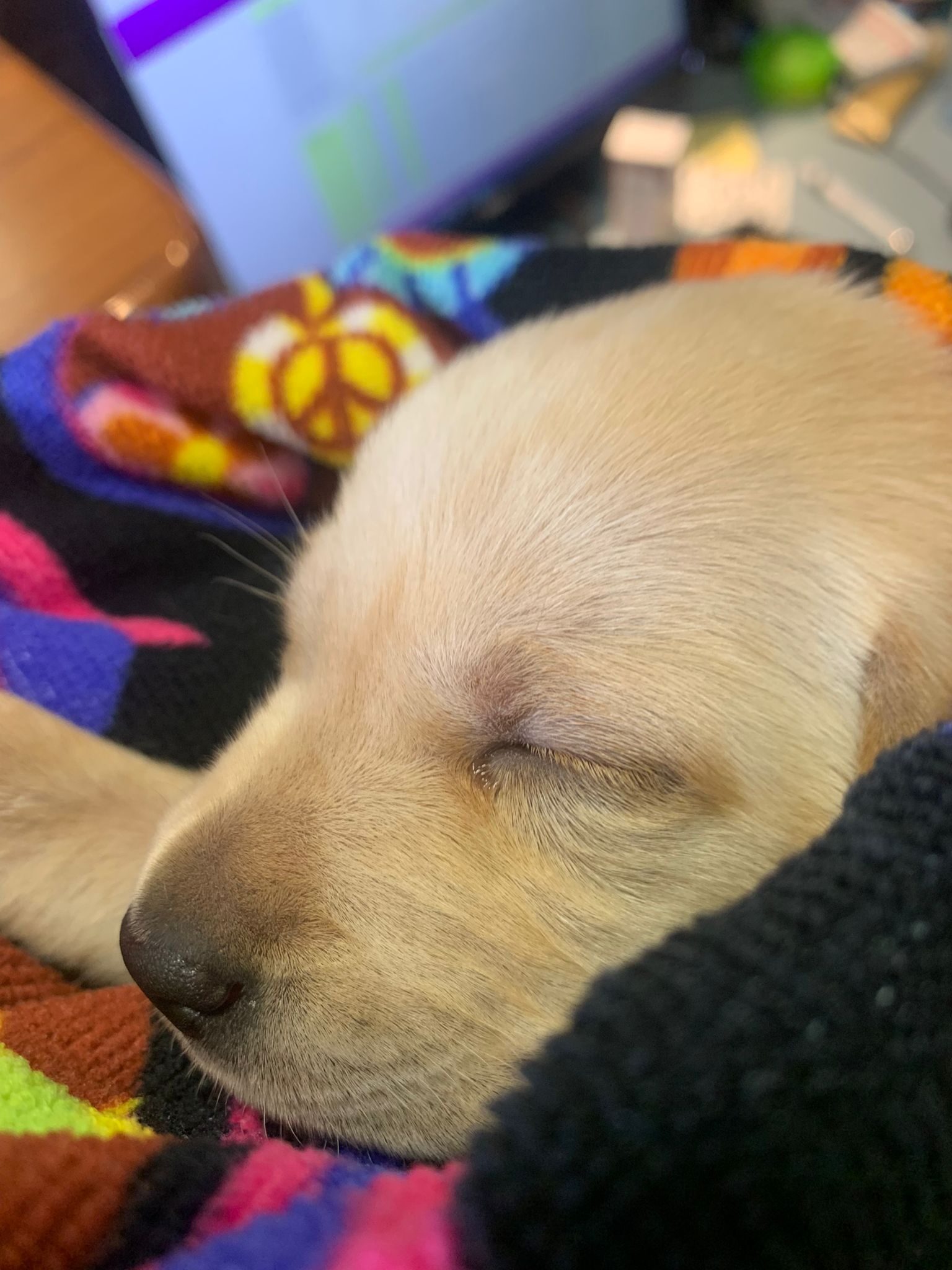
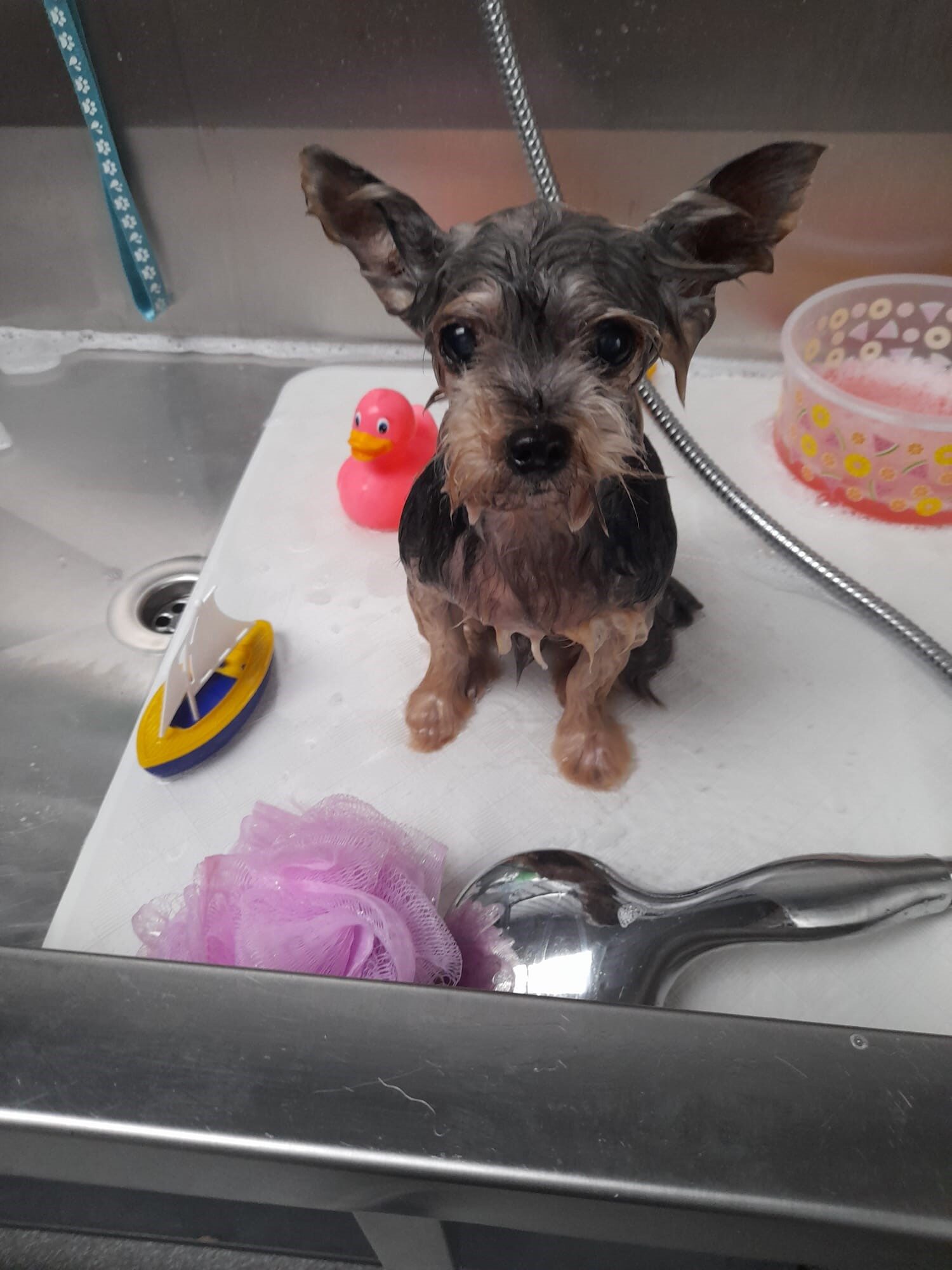
Congratulations on your new family member! Dogs are a great addition to every family and provide years of unconditional love & companionship. The following is a bit of advice to help get your new best friend off to a great start.

Puppies generally go to their new homes at 8 – 12 weeks old. Here at Glasslyn we advise that you start vaccinating your new pet at 8 weeks old. This vaccine (known as a 7 in 1) covers your pet against distemper, hepatitis, parvovirus, parainfluenza & leptospirosis. After their initial vaccine they get a booster 4 weeks later (at 12 weeks old) they get another booster once they turn 9 months old. After this they get a vaccine every 12 months to help protect them for the rest of their lives. We also advise your dog gets a kennel cough vaccine, this is required for all kennels, puppy day care etc. Once your pet has had their initial course of vaccines (at 13 weeks) they are safe to get out and begin socialising with other puppies & people. It is important to start socialising your pet at a young age to help prevent behavioural problems when they are older.

It is also important to ensure that your pet is up to date with their parasite treatments. You must be especially vigilant with younger animals who need to be treated more often than adult pets. Puppies should be wormed every 2 weeks until they are 12 weeks old, every month until they are 6 months old & every 3 months after this. Flea treatments can be given monthly or every three months depending on the product used.

Neutering your pet is another important part of owning a dog. Neutering helps prevent unwanted litters, mammary/prostate cancers, womb infections, wandering & behavioural issues. Dogs can be neutered from 6 months onwards depending on the breed of the dog:

  • Small breeds can be neutered from 6 months
  • Medium – Large breeds, we advise to wait until they are 1 year old
  • Giant breeds, we advise to wait until they are 2 years old

*This can vary with certain breeds

Female dogs cannot be neutered while they are coming into or already in season. We advise that you wait 8 weeks once their season has ended to get them neutered. It is important to ensure that they are kept away from any unneutered male dogs both in your own household and outside while they are in season.

We stock a variety of breed & age specific foods for your dog at our clinics. It is vital to feed your pet an appropriate diet throughout their lives and we can advise you more about this when your puppy comes in for their vaccinations & neutering appointments.

Our pet health plan starting at €15 a month includes all your dog’s vaccines, parasite treatments, an annual check-up and 15% off neutering & food. You can sign up for it at any stage either online or in person.
smeagol

First steps in choosing a puppy

Firstly when looking for a puppy, prospective owners should research what dog breed would suit their family circumstances. Certain breeds require a lot of exercise, particularly working dogs ie collies, huskies etc. Owners need to make sure that they can offer the time and commitment to exercise and spend time with them, as often they can become frustrated and develop behavioural problems if their needs aren’t being met. We also need to consider some health issues which may arise in some dog breeds ie. respiratory, skin and orthopaedic issues.

When viewing the puppy, owners should ideally see both parents of the pup and the house itself, to ensure both parents are healthy and the pup is coming from a good home. It is not recommended to collect pups at the side of the road or shopping centres etc. Legally all pups should be microchipped and registered when being sold or rehomed. Puppies should be at least 8 weeks old before being rehomed and ideally have the first vaccine given of DHPPi and L4.

A 2nd vaccine of the same is normally given 4 weeks after the first injection. This is to protect your pup against infectious diseases such as parvo virus and leptospirosis (Weil’s disease). It is important for everyone at home including the puppy, that they are vaccinated.

hedge

Looking after wildlife: Hedgehogs


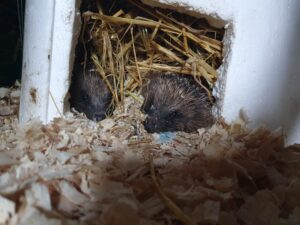
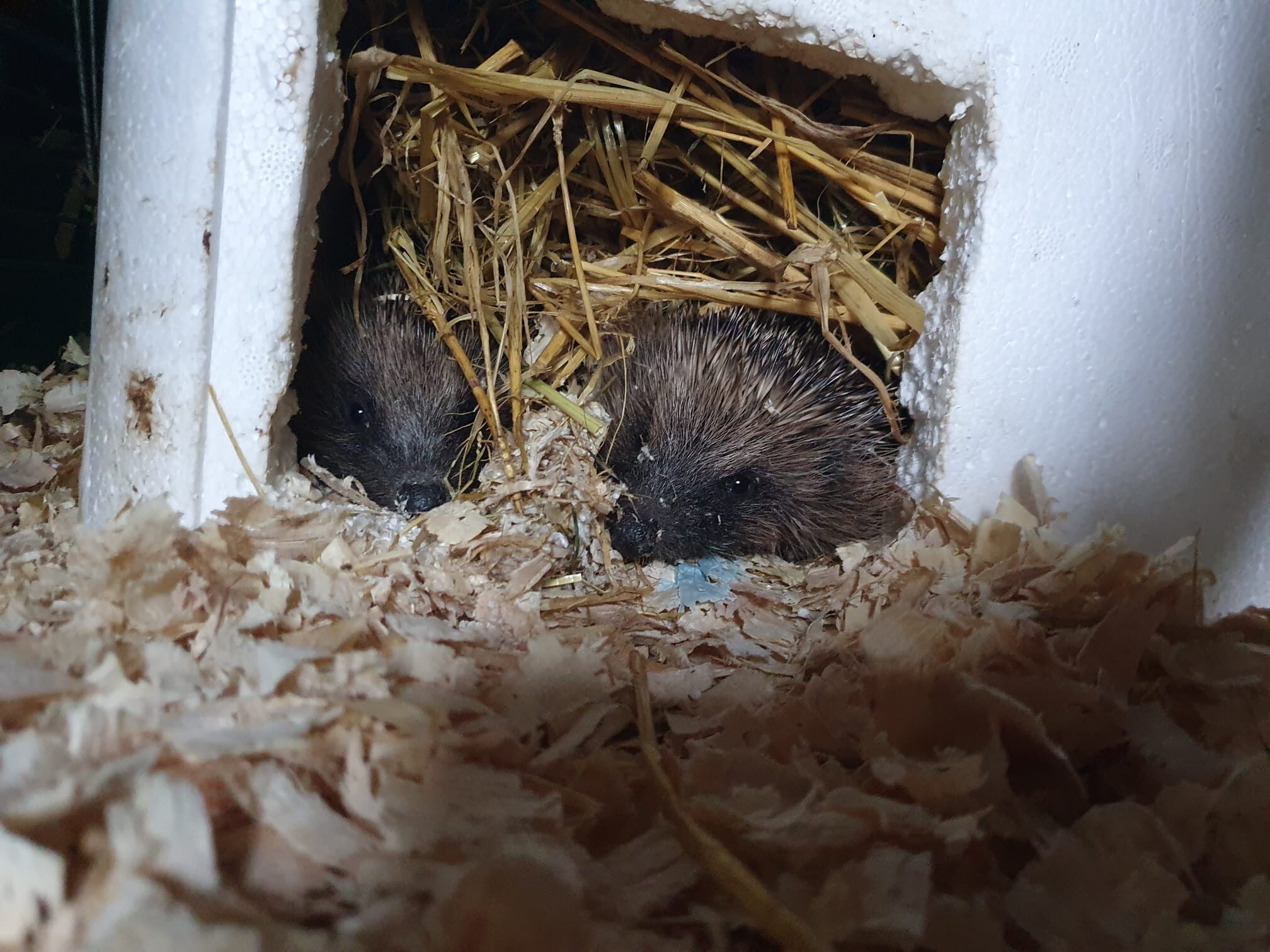
Hedgehogs are one of our most loved native mammals. They are especially loved by gardeners thanks to their habit of eating slugs. Sadly, due to loss of habitat, increased road traffic & use of insecticides, their numbers have dropped by 30% in the last decade. Taking care of hedgehogs has never been so important. Here are our top tips for looking after hedgehogs and creating a hedgehog friendly garden.

How to make your garden hedgehog friendly

  • Hedgehogs need space to roam, they can cover up to 19km every night! To help them out you can cut holes at ground level in fences or dig channels under dense hedges so they can get through easily. The holes should be about 13cm in width & height
  • Refrain from using pesticides if possible. Pesticides such as slug pellets can poison hedgehogs if they eat affected slugs. Less slugs also means less food for hedgehogs
  • Don’t be too tidy. Leave some tall perennials & piles of leaves standing over winter or leave an area of grass unmown to create homes for insects. Mulch beds with compost to encourage earthworms and build woodpiles to attract woodlice. Hedgehogs love to eat bugs & worms!
  • If you have a pond in your garden, make sure hedgehogs and other wildlife can get out of it. Make a shallow beach at one end or use a plank of wood wrapped in chicken wire as a non- slip ramp
  • Always check for hedgehog nests before forking over compost heaps or strimming long grass.

Feeding Hedgehogs in your garden

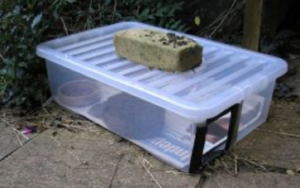
Hedgehogs always benefit from being given extra food. They love meat flavoured cat food both wet & dry but should also be provided with a shallow dish of fresh water. Ceramic bowls are less likely to be knocked over so are a great choice. You can make your own hedgehog feeding station easily using a large plastic storage container. A brick should be placed on the lid, this prevents cats & foxes eating the food. Carefully cut a hole out of the container around 4.5’’ square, cover edges with tape to prevent sharp edge and place food & water bowls in the very back.

What to do if you find a hedgehog

If you see a hedgehog out in the daytime, it could be injured or sick. With the exception of pregnant females who venture out during the day to gather nesting materials or in search of extra food. These hedgehogs will be very active and should be left alone whereas a sick animal may be staggering or not moving at all. Please phone us if you find a sick hedgehog or are concerned about an animal, for more advice on 023 88 41404 / 021 4772277


scan

Early Pregnancy scanning

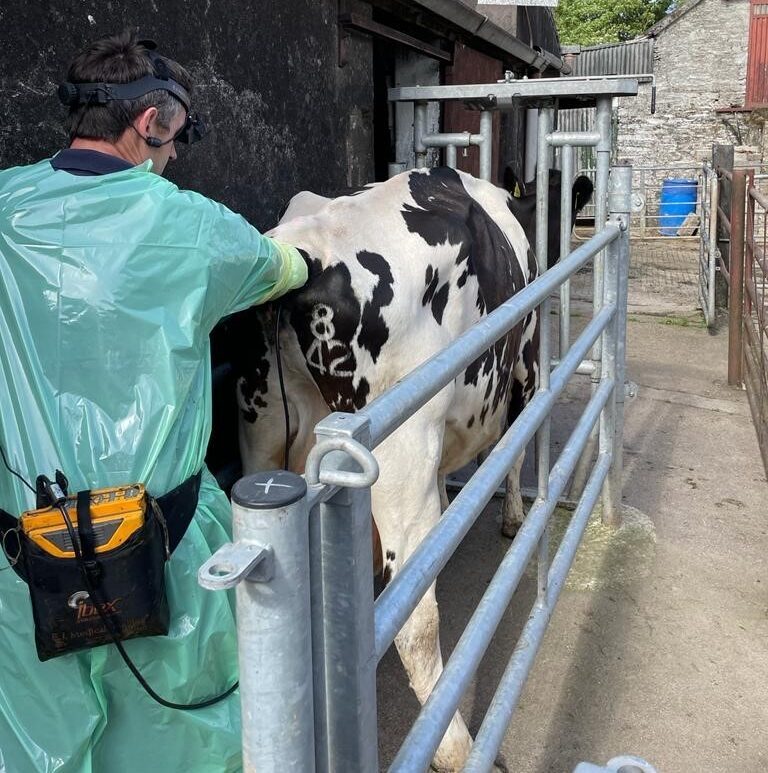
Early  pregnancy test results give you more detailed information for your herd reproduction reports, so you can accurately assess your herd’s reproduction performance.  Herd reproduction reports need a high percentage of cows to have an early aged results. To get early aged pregnancy test results, cows must be scanned between 35 and 122 days of pregnancy (5 to 17 weeks).


Depending on your mating length, you may need to do more than one round of pregnancy testing to get early aged results for your whole herd.


1st scan (12 to 14 weeks after mating start date)  to ensure that cows that got pregnant in the first 6 weeks of mating will have early aged results.

2nd scan (at least 42 days after the end of mating) to age cows that got pregnant in the later part of mating.

Bandon Contact Details
📞 023 8841404
📍 Station Road,
Bandon,
Co. Cork.
Ireland.
P72 FY72
Muskerry Vets
📞 02641055
📍 Sawmill Yard, Macroom,
Co. Cork,
Ireland.
P12EY80

Kinsale Contact Details
📞 021 4772277
📍 1 Church Square,
Kinsale,
Co. Cork.
Ireland.
P17 W281
Carbery Vets
📞 023 8845206
📍 Bridge street
Dunmanway
Co Cork
Ireland
P47FN36