No products in the cart.

nutrition wallpaper

Prescription Diets – What are they and how do they work?

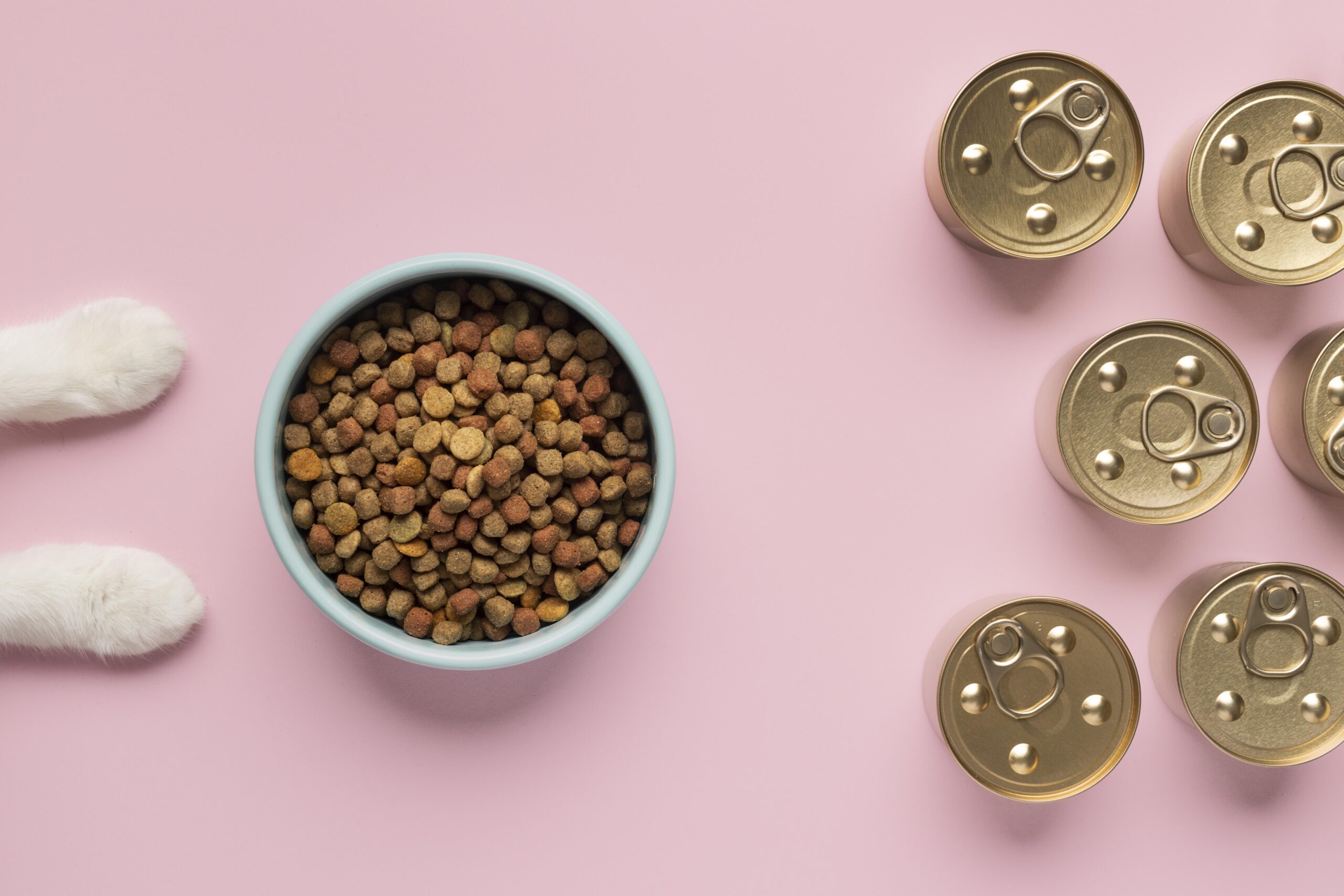
These are special diets formulated to help manage and treat specific health conditions and to support our pet’s health.  Examples of some diets are;

Hepatic and Renal diets: These are different foods created, to help support the function of these organs in those affected with kidney disease or liver disease. The levels of protein, energy and salts are adjusted and are easier for the liver and kidneys to metabolise.

Gastrointestinal diets: These are produced specifically for those pets with sensitive stomachs which require management long-term or for those with a temporary GI upset.

Urinary diets: Some individuals can suffer with urinary issues such as cystitis or urinary stones, which need long-term diet management to avoid reoccurrences. These are formulated with lower levels of certain salts and have supplements to promote the health of the urinary system.

Allergy diets: Hypoallergenic and Anallergenic diets are examples of these, which are prescribed if underlying allergies affecting the skin, gastrointestinal system or both are suspected. They are utilised to try and reduce the incidence of allergy flare ups and can be part a multimodal approach in terms of management.


Talk to a member of staff if you feel that your pet might benefit from one of these today!

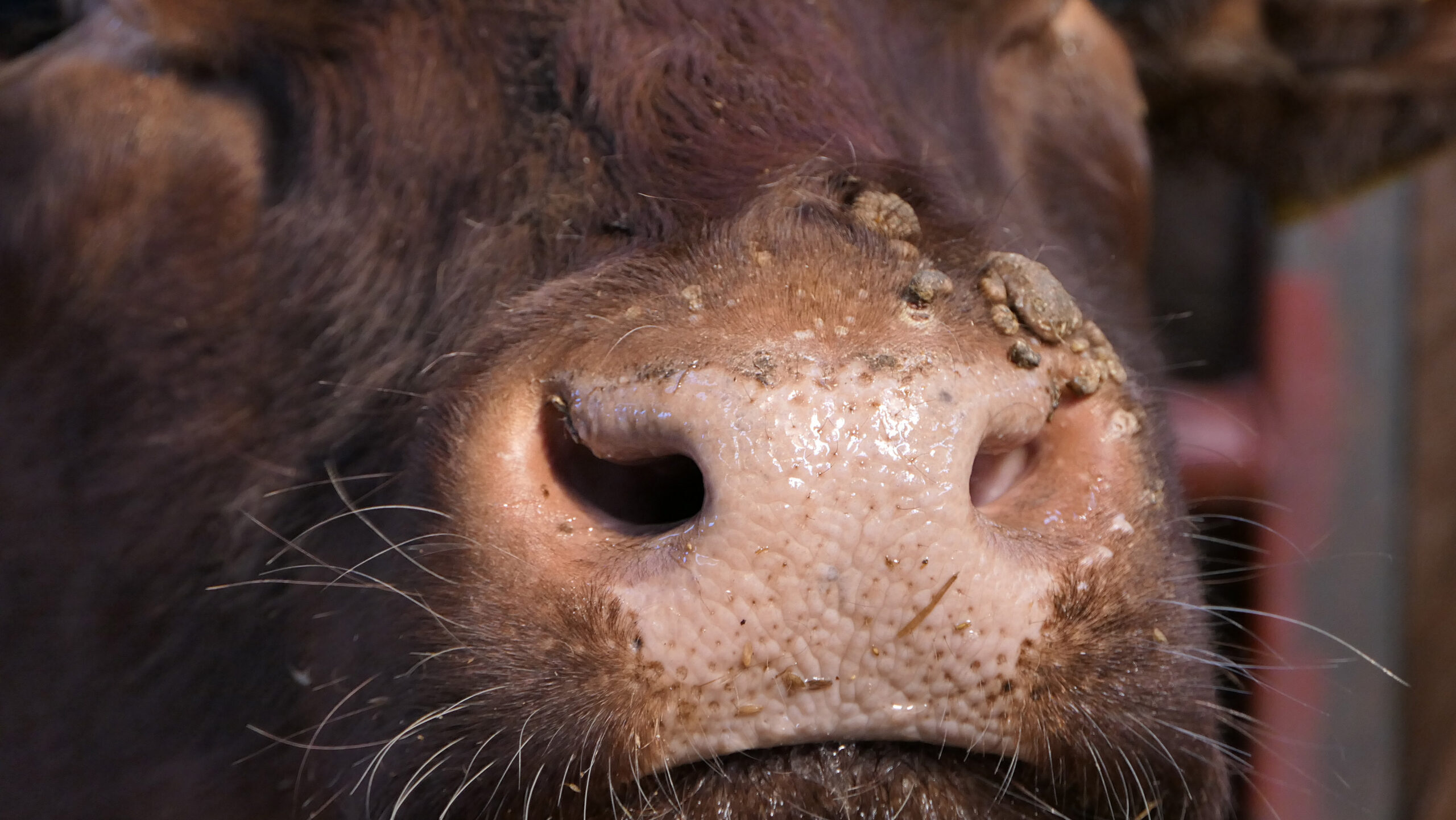
Cow with warts caused by an infectious and contagious virus bovi

IBR and It’s Effect on Your Herd

Infectious Bovine Rhinotracheitis or more commonly known as IBR is a virus that can present itself in many forms on farm including respiratory, fertility and production issues.

The textbook clinical signs of IBR are

  • ‘burnt’ muzzle
  • pink eye
  • high temp
  • dullness and lack of appetite
  • milk drop
  • snotty nose
  • ‘snore’ as their windpipe is affected.

This is severe form of IBR and even with aggressive treatment there can be huge losses.

On dairy farms the presentation of IBR may not always be as severe.  It can cause niggling problems such as:

  • production loss of 5-10%
  • embryo losses/ abortions
  • increased culling rate
  • poor treatment response for other diseases

A frequent consequence of IBR that we see on farm is calf ill health. Calves that are not thriving, wet noses, on/off temps +/- in the first 1-2 weeks of life that don’t respond well to treatment.  Antibiotics do not treat viruses but are used for the secondary bacterial infection. Usually calves survive but they don’t do as well in terms of daily gain going forward.

Time, treatment costs and extra feed for same gain are all things to consider here.

How does it spread?

It’s an airborne disease – think of COVID- it’s in water droplets, coughing, nasal secretions.It is worth noting that can be found in sperm from infected bulls.

Latent carriers are a huge problem

We use the term latent carriers to describe animals that have been previously infected with IBR, recovered from the disease but the virus basically hibernates in the animal’s immune system.

During a stressful period the virus is reactivated and the ‘apparently healthy’ animal will shed to other naïve animals and they will be clinically sick. It becomes a vicious cycle as this can create more carriers. In this way a serious problem can start in a previously ‘clean’ herd.


How do I know if my herd is affected?

  • Swab – sick animals or animals with nasal discharge

+/-

  • Bloods – sample 5-10 cows for IBR antibodies

+/-

  • Bulk Milk Sample – will test for IBR antibodies.


How can you prevent it?

Keep a closed herd to prevent. If buying reduce the risk by buying from herds that are either proven IBR negative or herds that are vaccinating.

Vaccination –there are a number of different protocols including live and inactivated which differ for age groups and from farm to farm.


Contact the office to have a chat through the protocol that best suits your farm.

itchy

Atopy in Dogs

Most common ear and skin disease


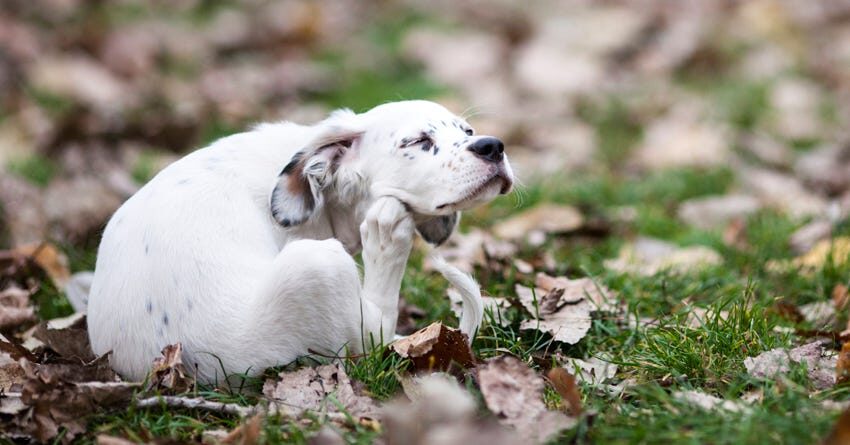
Atopy is a hereditary skin disease of dogs, characterised by skin inflammation and itchiness (pruritus).

Infections by bacteria or yeast are a secondary cause, which will need to be treated, but is not the primary cause for the most common skin condition: atopy.

Current understanding is that it is caused by an abnormal reaction of the immune system to tiny particles in the environment called allergens, combined with abnormalities in the surface layer (stratum corneum) of the skin. Allergens enter the body through the skin and lead to the production of certain antibodies in genetically predisposed animals. These antibodies then cause either intermittent or chronic (long-term) symptoms.

Corticosteroids: these usually come in tablet form or can be given by injection. They can be very useful in acute, short-term cases as they can work within hours, but must be used with care in more long-term cases in order to reduce the risk of side effects. Corticosteroids can also be applied directly to affected skin in the form of gels or sprays. This form of treatment can play a very important part in managing Atopy.

Apoquel/ Cytopoint/Cyclosporine: this drug, like corticosteroids is very effective but costs significantly more. Although slightly slower to work, its advantage over corticosteroids is reduced long-term side effects. Adding in other treatments, listed below, can reduce the dosage and frequency of administration of all systemic drugs:

Prescription diets: these are specially formulated to improve skin health and reduce pruritus.

Essential fatty acids: these originate from fish and various plants such as Evening Primrose and Borage. It may take 8-10 weeks to see the effect of these.

Topical treatments: these are applied directly to the skin in the form of shampoos, lotions and moisturisers. They help soothe and repair.

Hyposensitisation: having a vaccine made up, which contains the allergens your dog is allergic to and injecting this under the skin can be effective in 50 to 80% of cases but usually only yields an overall improvement of 50%.

This is called Allergen Specific Immunotherapy (ASIT). It may take 3-12 months to see a positive response, needs to be given life long and is mainly used with young dogs suffering from symptoms throughout the year.

If your pet suffers from atopy, there is unfortunately no quick fix. Flare ups will occur, when allergen exposure is high, despite adequate treatment.

Atopy is a complex condition and is best discussed with your vet, especially if an itch or an infection is not well controlled.

Speak to us if you would like to discuss this further.

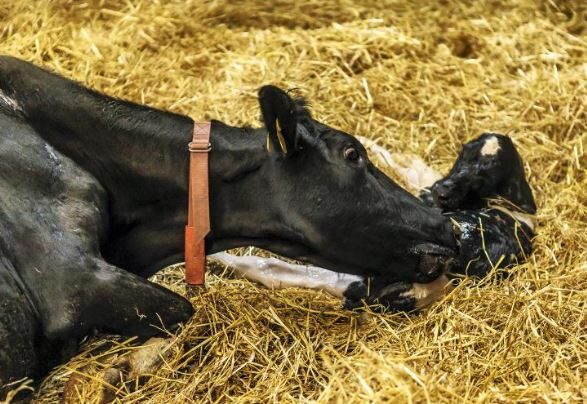
Milk fever cow and calf

Main Strategies to Avoid Milk Fever at Calving

Milk fever and subclinical milk fever are the most important macromineral disorders that affect transition dairy cows. The occurrence of milk fever or subclinical hypocalcaemia is related to increased incidence rates of several other transition cow problems. The cows with low blood level of calcium have a higher likelihood of having immunosupression, an assisted calving (2-3x), retained placenta, uterine prolapse, endometritis, mastitis (8x), displaced abomasum (2-4x) ketosis and fertility problems. Therefore, it very important that both milk fever and subclinical milk fever are prevented.

The main strategies to avoid milk fever and subclinical hypocalcaemia at calving are:

  1. Ensuring the correct BCS at calving (BCS 3.0)
  2. Providing adequate Mg supplementation pre-calving (min 20 g per cow per day)
  3. Achieving negative DCAB (dietary cation anion balance)
  4. Reducing dietary K intake

*It is very important to have your silage analysed to know the mineral content and the nutritional value.

Cows who have gone down with milk fever should be treated by a vet with IV calcium. High risk cows (over-conditioned, high-yielding, lame cows and cows with a previous history of milk fever) would benefit receiving an oral calcium bolus at the point of calving and the second one 12 hours later in aid of lowering the chance of the cow getting milk fever.

Consider milk fever as a gateway disease to other illnesses and work towards identifying the specific strategy for milk fever control in the enterprise. All farms should have some pre-determined strategy for milk fever prevention. If you have an increased number of transition cow problems or more than 5% of your cows get milk fever an investigation into the issue would be advisory.

Contact Glasslyn Vets for further information on milk fever prevention and testing.


walks

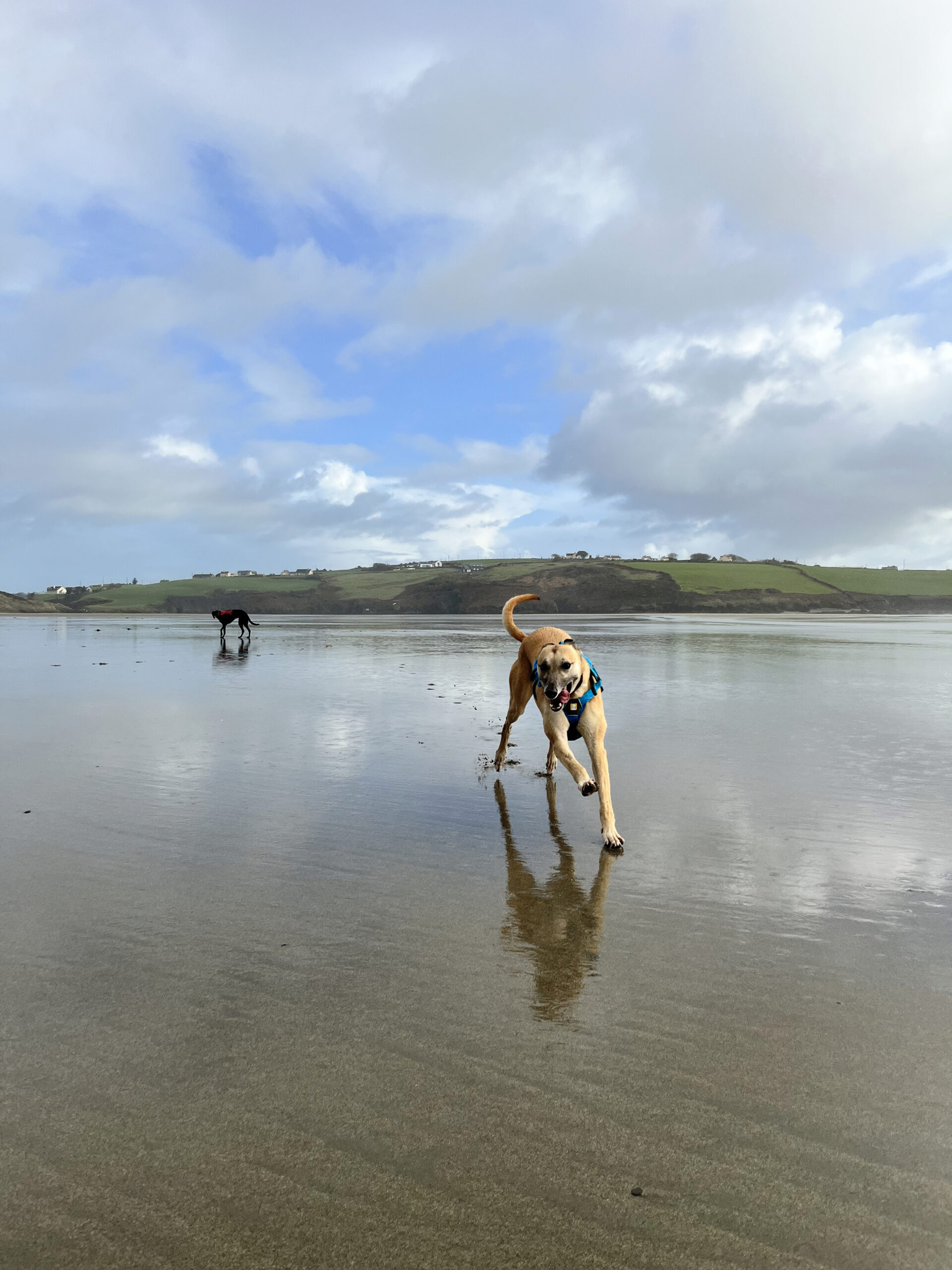
The Best Dog Friendly Walking Spots in West Cork!

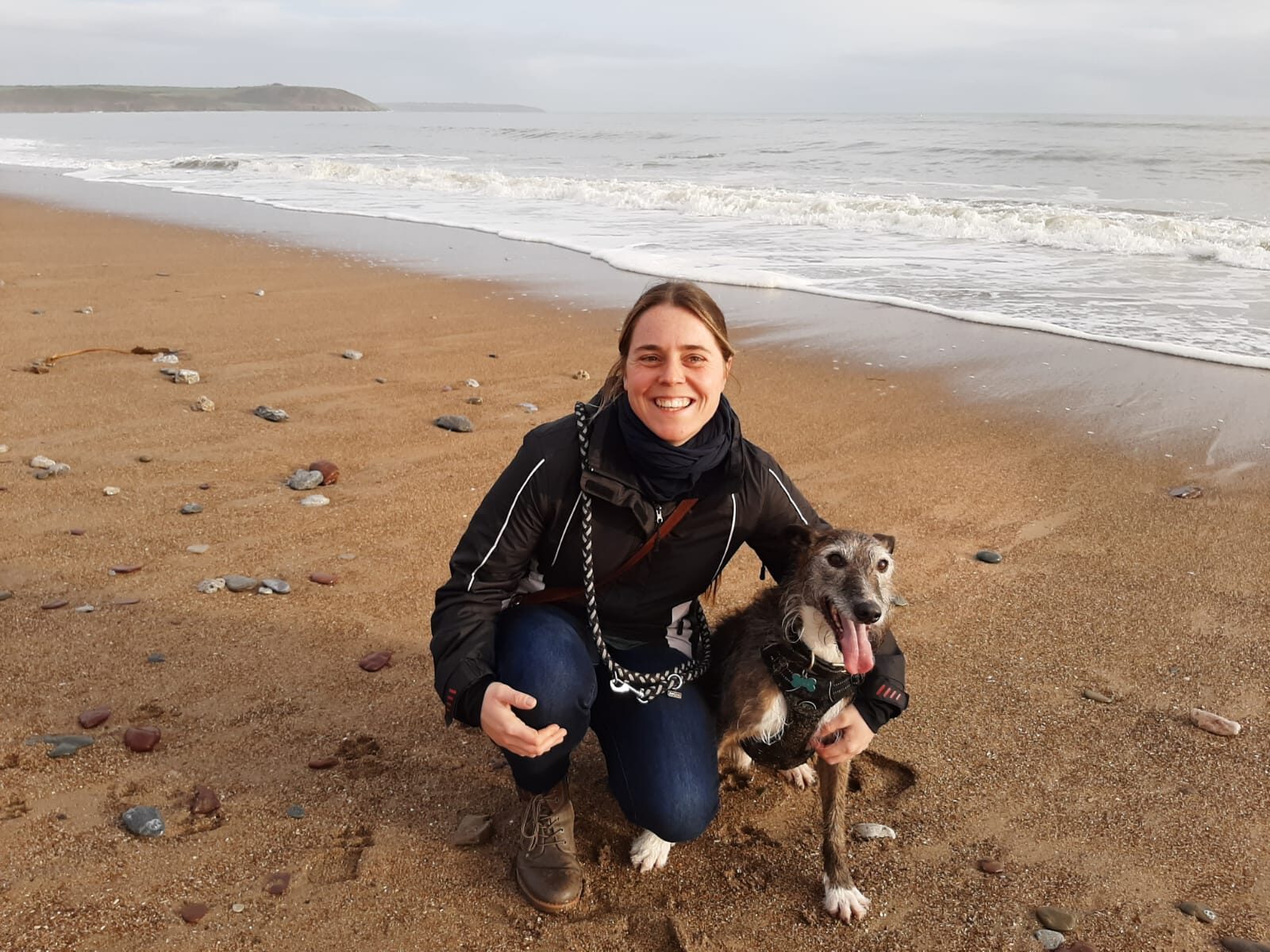
Vet Nurse Katie Harte is an outdoor enthusiast and loves nothing better than going out with her dogs, here are her top spots in West Cork, why not make it your To Do list for this year???

  • Dromkeen forest walk, Innishannon
  • Clare O’ Leary walk, Bandon
  • Inchydoney beach. Clonakilty
  • Castlefreke recreational area , Rathbarry – Various waymarked woodland trails and beach walks on nearby beaches (The long strand, Red strand, Owenahincha & Warren beaches)
  • Warren beach <–> Owenahincha beach cliff walk, Rosscarbery
  • Dromilihy forest recreational area, Connonagh (20 mins from Dunmanway / Clonakilty)
  • Dunworley beach & cliff walk. Timoleague
  • Timoleague <-> Courtmacsherry coastal road walk
  • Courtmacsherry Beach & woodland walk (also 7 heads walk starting point)
  • Kilbrittain village park & wood walk
  • Coolmain beach & Harbour view beach. Kilbrittain
  • Garrettstown <–> Garylucas cliff walk & beach walks. Old head, Kinsale
  • Charles Fort costal walk
  • Garrettstown wood trails. Ballinspittle
  • Curraghbinny woods, Carrigaline
  • Carrigaline <-> Crosshaven Greenway
  • Carrigfadda hill walk, Reenascreena (20mins from Dunmanway & Clonakilty)
  • Rineen woods, Castlehaven
  • Lough Hyne lake / country road walk & Knockomagh hill walk. Skibbereen
  • Farran woods, Macroom
  • The Gearagh nature preserve. Macroom
  • Glengarriff nature reserve
  • Gougane Barra forest park. Ballingeary
  • Drimoleague heritage walkways, various routes
  • Hungry hill, Beara peninsula
pillow foot

Pillow Foot or Plasma Cell Pododermatitis in Cats

What is Pillow foot?

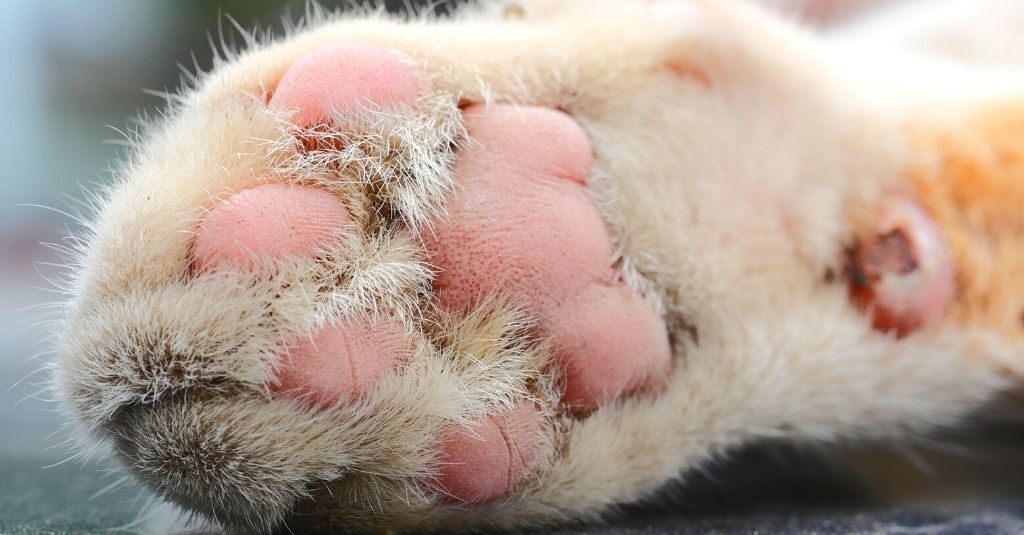
Pillow Foot in Cats (Plasma Cell Pododermatitis in Cats) is a rare disease of the footpads of cats. Due to the accumulation of a specific type of white blood cells called plasma cells, the footpad becomes inflamed. Plasma cells play a major role in the immune system.

Causes of Pillow Foot in cats

The cause is unknown but is thought to be immune-mediated; that is, the immune system causes or aggravates inflammation. Some studies have found a link between pillow foot and feline immunodeficiency virus (FIV) infection so it is important to screen an affected cat for this virus.

Symptoms of Pillow Foot

In the early stages of pododermatitis, soft, non-uncomfortable swelling of the footpads develops. More than one pad on more than one foot is typically involved. Pads may look purple and appear streaky, with white scaly material on the surface. Later, the pads can become bloody and uncomfortable. Sometimes kidney disease and inflammation of the tissues in the mouth can also occur.

Diagnosis of Pillow Foot in Cats

The main diagnostic marker is simply the appearance of the footpads. Removing cells with a small needle and examining them under the microscope (fine needle aspirate) may reveal numerous plasma cells. Blood tests may be recommended to look for infection, kidney problems, or evidence of immune response, but the results are variable. A biopsy of an affected foot pad usually confirms the diagnosis.

Treatment for Pillow Foot

Treatment may be not needed if the inflammation is mild and the cat feels okay. In some cats, the condition spontaneously disappears. However, in other cats, medications are needed to balance the immune system. In this case, steroids or immune-suppressive medications may be prescribed. Sometimes, surgery is an option to remove lesions that affect only one food pad, but this is uncommon. Many pets require some medication for life and need periodic blood tests to monitor for adverse effects of the medications.


pet-first-aid-kit

First Aid in Dogs and Cats

First Aid In Dogs and Cats


Golden Rules

  • Be prepared – keep your first aid kit organised and up to date.
  • Don’t panic at the first sign of a problem, try and remain calm and be logical in your approach
  • Know when to seek further help – minor problems may often be dealt with at home but if in any doubt consult your vet


First aid as the name suggests is the first treatment you would give when presented with an injury or traumatic episode. We all hope that our pets will never be in the situation where it is needed however the preparation of a basic first aid kit and some tips on how to handle situations may make dealing with an emergency much easier.


Cuts and tears:

These may vary from small superficial skin tears with little blood to larger gashes that require stitching. Basic examination of the wound will help you decide what to do.

  • Trim away any hair that is covering the wound
  • Flush well with a good amount of warm water or saline, this will remove any dust or debris
  • Apply a light bandage or dressing if possible to minimise further contamination- consult your vet if you are worried.

Bleeding wounds:

Some deep wounds or those on ears or tails may bleed profusely. The most important thing to do here is to apply pressure.

  • For severe wounds where a lot of blood is being lost use a tea towel to create a firm pad. This can be bandaged firmly onto the wound and should not be removed until you reach the vets
  • Ears – a head bandage can be applied alternatively use something to hold the ear firmly to the head to stop repeated flapping and give time for a clot to form
  • Tails – lots of tape is often required to hold these in place.
  • Sometimes wounds that appear small, for example a puncture wound caused by a bite may be significantly contaminated by bacteria. There may be tissue damaged underneath the skin that requires veterinary treatment.


Seizures:

Although these may seem very frightening when they occur it is very important you remain calm.

  • Reduce any external stimuli if possible such as loud noises or bright lights
  • Many animals may lose control of bladder or bowel function during a fit this is not unusual
  • Do not attempt to try and clear an airway you may get bitten
  • Reassure your pet whilst the seizure is happening, talk quietly and calmly.


Heat stroke:

Signs may include excessive panting, disorientation, collapse or seizures.

  • Wet towels with cold water and apply them to less hairy parts of the body such as under the front and back legs and over the abdomen. Change the towels as they begin to warm.
  • Create an airflow either using a fan or an open window in a moving car.
  • Avoid completely submerging your animal in water this may lead to more problems
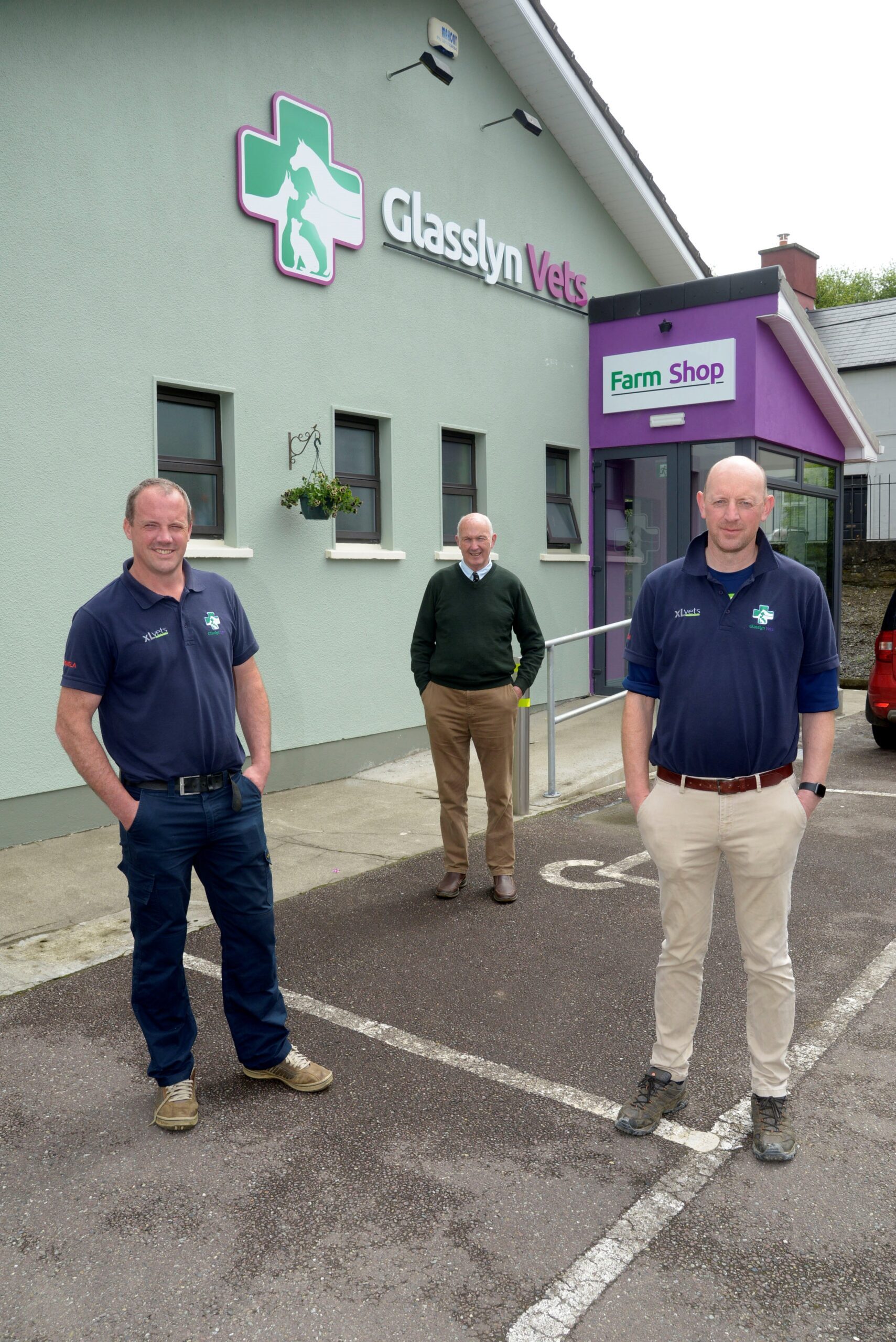
Kevin, Patrick and John Healy

We are hiring for our veterinary team!

When Cornelius O’Driscoll set up his veterinary practice in Bandon in 1915, he could not have dreamed that it would still be serving the people of West Cork a century later. Glasslyn Veterinary clinics in Bandon, Kinsale and Dunmanway are rightly proud of their reputation for high quality care based on over 100 years of experience combined with cutting edge technology, the best skills and the most modern facilities. Glasslyn Vets is now one of the largest veterinary practices in the country with fifteen full-time vets and a strong team of support staff.

We are currently expanding our veterinary team and have two roles available.

Large Animal Veterinary Surgeon (Bandon, Co. Cork)

Glasslyn Vets is looking to recruit an experienced and enthusiastic large animal veterinary surgeon for a full-time position to join our growing team primarily in the Bandon area. Preference is for a minimum two years’ experience, but all applicants will be considered and replied to.

Qualifications and Experience
• Experience in farm animal practice, particularly dairy an advantage
• Veterinary Council of Ireland registered
• Ability to work independently and on own initiative
• High standard of professionalism
• Strong communication, organisational and analytical skills

This role is supported by an excellent team of other LA vets and clinic-based staff. Salary is commensurate with experience. Generous benefits package includes pension contributions, sick pay and generous CPD through XL Vets.


Small Animal Veterinary Surgeon (Co. Cork)
Glasslyn Vets is looking to recruit an experienced small animal veterinary surgeon for a full-time position to take full responsibility for SA clinic practice in one of our clinics in Co. Cork. There is no requirement for out of hours work.  A minimum of four years’ small animal experience is required for this role.

Qualifications and Experience
• At least 4 years’ experience in small animal practice
• Veterinary Council of Ireland registered
• Ability to work independently and on own initiative
• High standard of professionalism
• Strong communication, organisational and analytical skills

The role is supported by an exceptional and supportive team of nurses and vets with excellent levels of equipment and case load. Salary is commensurate with experience. Generous benefits package includes pension contribution, sick pay scheme and generous CPD through XL Vets.

For a confidential discussion about our opportunities call Kevin O Sullivan on 023 8841404 or email CV to [email protected].

Adorable dog and cat wearing Santa hats together at room decorat

How to keep your pets safe at Christmas

With Christmas fast approaching, sadly there are a lot of foods we eat at this time of year which are harmful to our pets. There are also other potential hazards around the house including decorations and toys which we need to be mindful of. Mince pies and Christmas cake often contain grapes and raisins which are toxic to dogs and cats and can lead to kidney failure. Signs of ingestion include vomiting and diarrhea. It is advisable to keep these out of reach of your pet. Some of these cakes and pies can also contain alcohol which should be avoided.

Chocolates are often plentiful around the house at Christmas time. Chocolate especially dark chocolate contains theobromine which is toxic to pets. In smaller quantities it can cause stomach upset such as vomiting and diarrhea but in larger amounts can lead to neurological signs and can be dangerous. Dogs will often eat the wrappers of sweets and chocolate which can cause its own issues such as obstructions.

Bones should always be avoided; it is ok to give your pet small amounts of turkey but making sure it is free from any small bones/ fragments. These bones can cause problems like constipation or more seriously can lodge in pet’s throats or digestive tract. Cooked bones can also splinter after ingestion and cause perforation of your pet’s intestines.

Tinsel and small toys should be kept out of reach of pets in case of accidental ingestion.  Mistletoe and holly berries are both toxic to dogs and cats if ingested. Signs of holly and mistletoe toxicity include vomiting, excessive drooling and diarrhea.

If you suspect your pet has ingested any toxins it is important to contact your veterinary clinic straight away.

British shorthair cat, domestic cat, neutered cat in a blanket

Importance of neutering your cat

Where a cat is not intended to be bred from we fully support spaying, not only as part of responsible pet ownership, but for your pet’s benefit also.  There are multiple indications for spaying: Prevention of ‘calling’ and attracting tomcats and obviously a subsequent pregnancy. Did you know that mating in cats causes ovulation? This means every time a cat mates, you are nearly guaranteed a pregnancy – and when your cat starts calling, she will find a way out to mate and get pregnant. An unneutered cat and her offspring could be responsible for 100 kittens within 7 years!

Unlike in dogs, we can neuter cats when they are “in heat”/ calling. – So it is never too late to book your cat in for neutering.

Apart from an unwanted pregnancy, there is less risk of pyometra (a horrible, life threatening infection in the womb), less risk of the spread of FIV (feline immunodeficiency virus) and feline leukaemia and other reproductive issues such as ovarian cysts and cancer.

Equally, male cats should be castrated, in order to avoid unwanted kittens, reduce territorial fighting and the spread of FIV and feline leukaemia.

Should you decide to get your pet neutered, your pet will be admitted on the morning of the operation. Any questions you may have will be answered by the veterinary surgeon or veterinary nurse at your pre-operative consultation. Your pet will be given an injection of pain relief and a mild sedative to help them relax whilst waiting for the operation. Once anaesthetised, an area of hair will be clipped on the side of the belly and the skin prepared for sterile surgery. After the ovaries and uterus have been removed, incisions in the abdominal muscles, fat and skin will be stitched closed.

We hope that you are now able to make an informed decision regarding spaying. Contact our team to learn more.

Bandon Contact Details
📞 023 8841404
📍 Station Road,
Bandon,
Co. Cork.
Ireland.
P72 FY72
Muskerry Vets
📞 02641055
📍 Sawmill Yard, Macroom,
Co. Cork,
Ireland.
P12EY80

Kinsale Contact Details
📞 021 4772277
📍 1 Church Square,
Kinsale,
Co. Cork.
Ireland.
P17 W281
Carbery Vets
📞 023 8845206
📍 Bridge street
Dunmanway
Co Cork
Ireland
P47FN36