No products in the cart.

Fasciola hepatica, or liver fluke (low res)

Combatting worm burdens and free parasite control consultancy

As of the 1st of June 2022, worming products and other anti-parasitic drugs will no longer be readily available for farmers to purchase over the counter without a prescription.

Why are these implications coming in?

These measures have been introduced as a result of the overuse of worming products throughout the year. Antiparasitic resistance is an increasing concern in livestock farming. Resistance is present when a medicine does not kill the target parasites as expected. Although it may kill some of the parasites it may not kill all of them. Resistance is when less than 95% of susceptible worms are killed therefore allowing the leftover worms to modify their genetics to build resistance.

Every time animals are treated with an antiparasitic product there is a risk of resistance forming. Therefore alternative methods (herd or flock health plans, grazing management) of controlling worms in livestock that do not rely on dosing should be considered. Multiple factors contribute to the increased risk of resistance and parasite control planning should try to address these where possible.

How can we help our farmers combat worm burdens in livestock for the year ahead?

Animal Health Ireland have put in place a consultancy service between veterinary practitioners and their clients as part of the Targeted Advisory Service on Animal Health (TASAH). This is a free and voluntary programme supported as part of the Rural Development Plan 2014-2020, co-funded by the Irish government and the EU. The purpose of the parasite control TASAH is to facilitate discussions and planning between farmers and their veterinarians on the best practices around parasite control with the long term view of minimising the further development of antiparasitic resistance.

The TASAH will fund a veterinary farm visit and two faecal egg counts. The Parasitic Control TASAH Consult is open to all cattle and sheep farmers in Ireland. Herd or flock owners must nominate a trained, participating veterinary practitioner to undertake the farm visit.

If you are a herd or flock owner and would like to register for a Parasite Control TASAH, please click here.  For additional information contact our Large Animal team on 023 8847404.
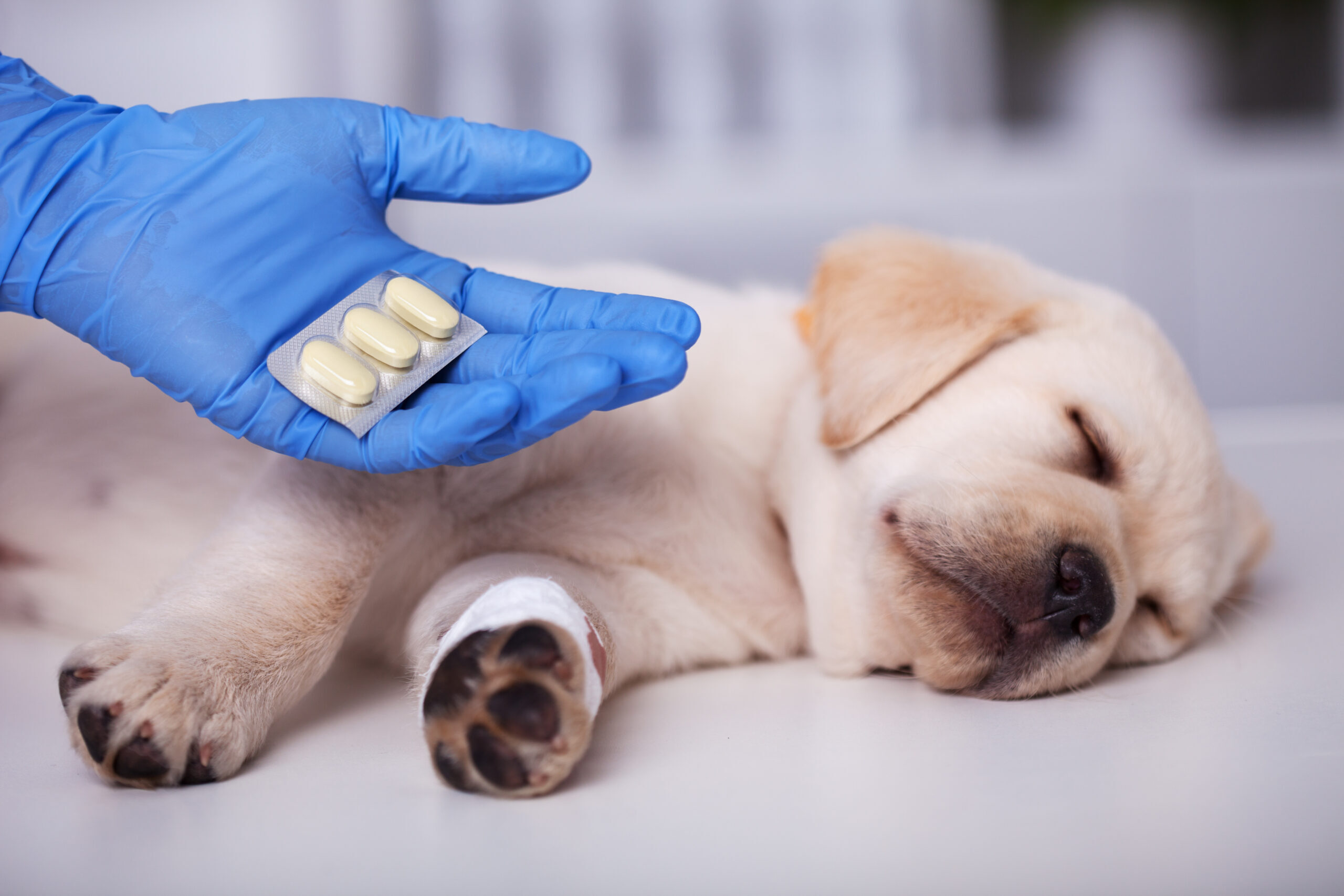
Cute puppy dog getting medication after treatment at the veterin

Canine Cough

Canine cough is a highly infectious and transmissible upper respiratory infection of dogs. It was previously known as kennel cough with the misconception that it can only be caught by dogs boarding in kennels. However, canine cough can affect any dogs mixing with others i.e. in the local park, at the groomers, puppy classes etc.

Typically, dogs infected with canine cough present with a dry hacking cough that can last from 5 – 10 days and usually require veterinary attention. Other symptoms include reduced appetite, lethargy and a high temperature. Puppies, older dogs and dogs with underlying illnesses can be more seriously affected and can run the risk of developing bronchopneumonia or chronic bronchitis.

Dogs usually require a course of antibiotics and steroids to help with tracheal inflammation. Sometimes the vet will discuss chest x-rays to rule out any other causes of coughing. If you suspect your dog has canine cough and you are bringing them to the vet clinic, we ask that the patient remains in the car until the vet is ready for him/her. This is due to its highly infectious nature and to reduce the risk of spread to any other dogs in the clinic.

There are typically two infectious agents that cause canine cough:

  • Parainfluenza
  • Bordetella Bronchiseptica

It is important that we keep up to date yearly with vaccines. If your dog is going into kennels or you plan to do training classes or puppy classes, your pet will require the canine cough vaccine at least 3 weeks beforehand.

The vaccine can be given in 3 different ways:

  • Up the nose
  • Into the mouth
  • In injectable form

Each method is as effective as the other. For more information on canine cough please contact our companion veterinary team on 023 8841404 or 021 4772277.

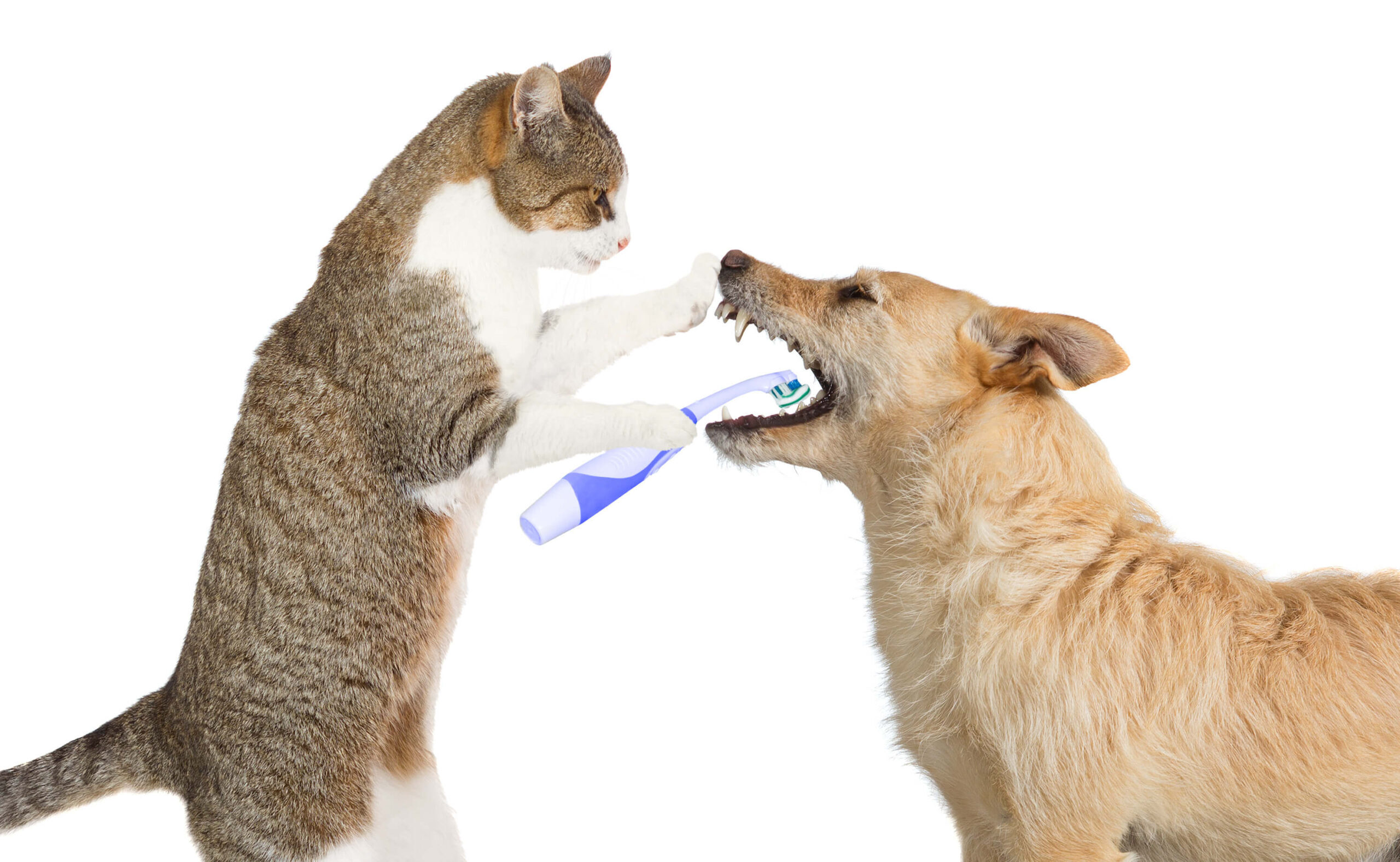
Cute cat cleaning dogs teeth low res

Importance of Pet Dental Health

Looking after the dental health of your pet is very important.  By the young age of three most dogs and cats have some degree of dental disease. Unfortunately, this is not noticed by many pet owners until later in their lives as pets tend to hide signs of discomfort a little bit better than we do. It is usually not until owners notice that their furry friend has smelly breath which is a common sign of dental disease.

What are the other signs of dental disease?

Some signs of dental disease can be more subtle than others, but they are still important to identify.

  • Plaque and Tartar build-up

Plaque is a film on the teeth that is composed of bacteria; when this accumulates, it can harden into tartar.

  • Red, swollen or bleeding gums
  • Difficulty eating or chewing
  • Loss of appetite
  • Weight loss
  • Pain

If your pet is reluctant to let you touch their mouth, outside or inside, they may be experiencing pain. Pain occurs when tartar and food are trapped below the gum line.

Importance of regular examinations

We recommend regular examinations by a veterinary surgeon or nurse to determine if your pet needs teeth cleaning or something more invasive like a dental extraction. A routine dental cleaning involves scaling and polishing of the teeth but if an extraction is needed the vet will discuss this procedure with owners prior to doing so. We also offer dental x-ray which is important to determine the health of the roots of the teeth and surrounding bone.

Although this may prove to be difficult, we would highly recommend regular teeth brushing for your pet. We offer a variety of toothbrushes, toothpaste and water additives specifically designed for pets (not human toothpaste!). Pets who have 100% wet food diets are particularly vulnerable, so we recommended appropriate dry food and dental chews which helps to crack off some plaque buildup.

Thanks to Laura Creedon, Veterinary Nurse, for her insights into this area.

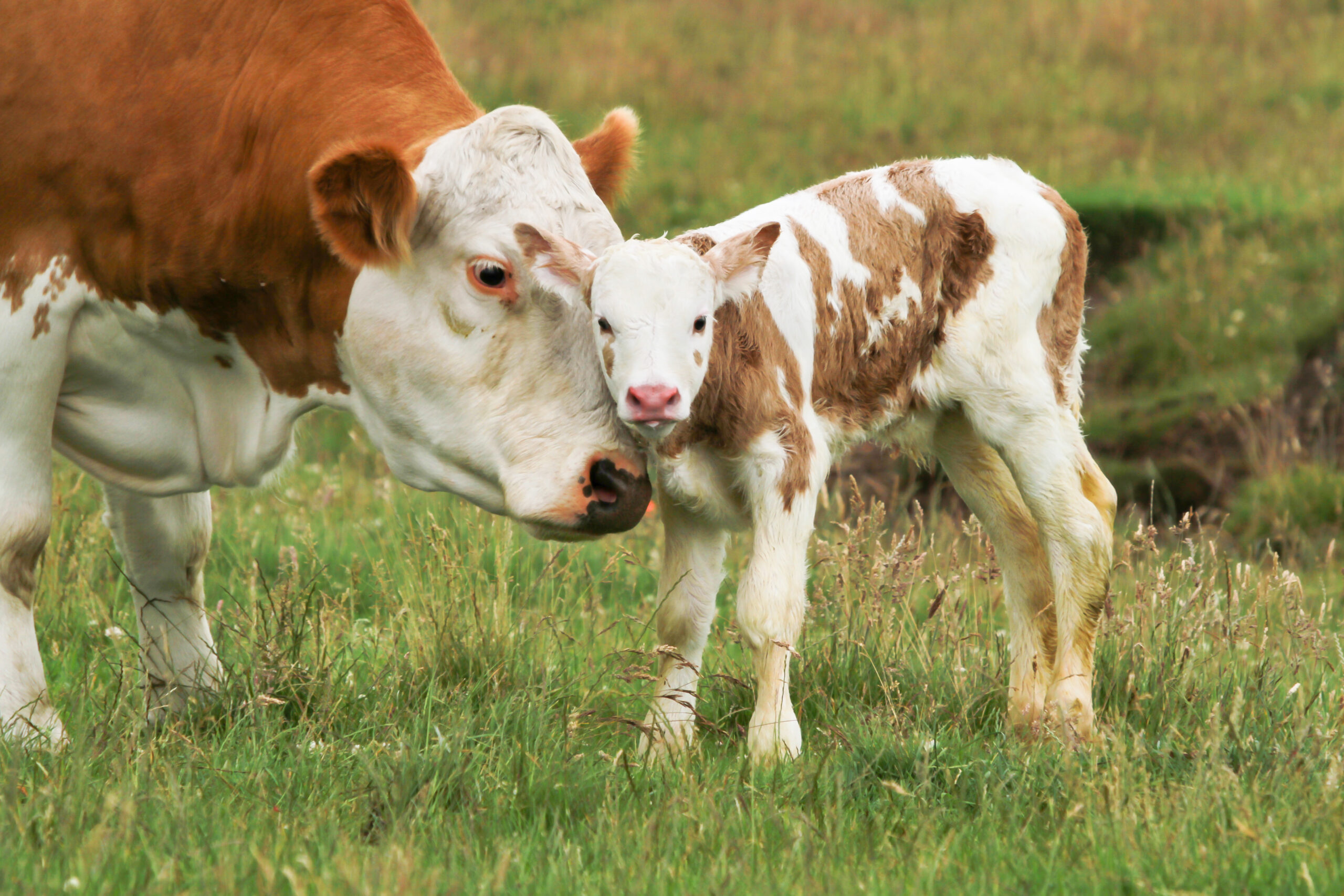
new born calf

Getting ready for Breeding

If you are going to start AI on May 1 then April is the month for preparation.

In simple terms Pregnancy rate is Submission rate x Conception rate.

In Irish terms submission rate is the amount of cows that are available for service (calved >42 days) that have been bulled in the first 3weeks of breeding. The target is 90% in a seasonal herd.  The target for conception to 1st and 2nd service is about 65%. So if you have 100 cows and you have a submission rate of 90% then 90 cows should be bulled in first 3 weeks. If 65% of them hold then this leaves about 41 cows left to breed (that were eligible to breed in first 3 weeks.)

Second service will get another 27 cows (65%). This gives you in total 86cows in calf in 6 weeks.

So in short you can make up for a poorer conception rate with a good submission rate. While conception rate is affected by disease/health and energy (energy levels, dry matter intake; buffer feeding) submission rate is really just seeing them in heat.

Submission rate can be improved by:

  • One month before breeding you need to check cows for heat or not – pre breeding. Tail paint/apply scratch cards to all cows 3 weeks before start of breeding and note any cows not bulling.
  • Any cow calved 42 days and was not seen bulling within these 3 weeks should be scanned and treated if necessary. This avoids the loss of time further in breeding season and a cow that was once a February calver becoming an April calver.
  • Any cow that was treated for retained cleaning should be re-examined before breeding. They may show heat even with a chronic womb infection.
  • A vasectomised bull will aid in heat detection during the breeding season.

Conception Rate

  • Ensure all vaccinations are up to date and that maiden heifers have received their primary course ahead of breeding. Lepto/ BVD/ IBR can all interfere with conception rate.
  • Implementing regular BCS (body condition score) on your farm leading up to breeding will highlight the high-risk cows that require attention. Ideally at breeding cows should have BCS of 2.75 -3.25.                                                                                                                         The high-risk group would include under conditioned cows, high yielders, lame cows and difficult calvers. Some of these would benefit from once a day milking or extra feeding.
  • Consider keeping lame cows or under conditioned cows close to the parlour to optimise dry matter intake and reduce energy used to and from parlour.
  • Ensure adequate mineral and trace element intake. Copper and Manganese deficiency can lead to silent heats. Selenium deficiency will affect conception rates.

Don’t forget the Bull

Bull should be given a once over before breeding starts. Fertility can be assessed by one of the vets. Mobility is vital and if showing signs of lameness, his feet should be tended too ahead of breeding to allow recovery time.

Bandon Contact Details
📞 023 8841404
📍 Station Road,
Bandon,
Co. Cork.
Ireland.
P72 FY72
Muskerry Vets
📞 02641055
📍 Sawmill Yard, Macroom,
Co. Cork,
Ireland.
P12EY80

Kinsale Contact Details
📞 021 4772277
📍 1 Church Square,
Kinsale,
Co. Cork.
Ireland.
P17 W281
Carbery Vets
📞 023 8845206
📍 Bridge street
Dunmanway
Co Cork
Ireland
P47FN36