No products in the cart.

pet-first-aid-kit

First Aid in Dogs and Cats

First Aid In Dogs and Cats


Golden Rules

  • Be prepared – keep your first aid kit organised and up to date.
  • Don’t panic at the first sign of a problem, try and remain calm and be logical in your approach
  • Know when to seek further help – minor problems may often be dealt with at home but if in any doubt consult your vet


First aid as the name suggests is the first treatment you would give when presented with an injury or traumatic episode. We all hope that our pets will never be in the situation where it is needed however the preparation of a basic first aid kit and some tips on how to handle situations may make dealing with an emergency much easier.


Cuts and tears:

These may vary from small superficial skin tears with little blood to larger gashes that require stitching. Basic examination of the wound will help you decide what to do.

  • Trim away any hair that is covering the wound
  • Flush well with a good amount of warm water or saline, this will remove any dust or debris
  • Apply a light bandage or dressing if possible to minimise further contamination- consult your vet if you are worried.

Bleeding wounds:

Some deep wounds or those on ears or tails may bleed profusely. The most important thing to do here is to apply pressure.

  • For severe wounds where a lot of blood is being lost use a tea towel to create a firm pad. This can be bandaged firmly onto the wound and should not be removed until you reach the vets
  • Ears – a head bandage can be applied alternatively use something to hold the ear firmly to the head to stop repeated flapping and give time for a clot to form
  • Tails – lots of tape is often required to hold these in place.
  • Sometimes wounds that appear small, for example a puncture wound caused by a bite may be significantly contaminated by bacteria. There may be tissue damaged underneath the skin that requires veterinary treatment.


Seizures:

Although these may seem very frightening when they occur it is very important you remain calm.

  • Reduce any external stimuli if possible such as loud noises or bright lights
  • Many animals may lose control of bladder or bowel function during a fit this is not unusual
  • Do not attempt to try and clear an airway you may get bitten
  • Reassure your pet whilst the seizure is happening, talk quietly and calmly.


Heat stroke:

Signs may include excessive panting, disorientation, collapse or seizures.

  • Wet towels with cold water and apply them to less hairy parts of the body such as under the front and back legs and over the abdomen. Change the towels as they begin to warm.
  • Create an airflow either using a fan or an open window in a moving car.
  • Avoid completely submerging your animal in water this may lead to more problems
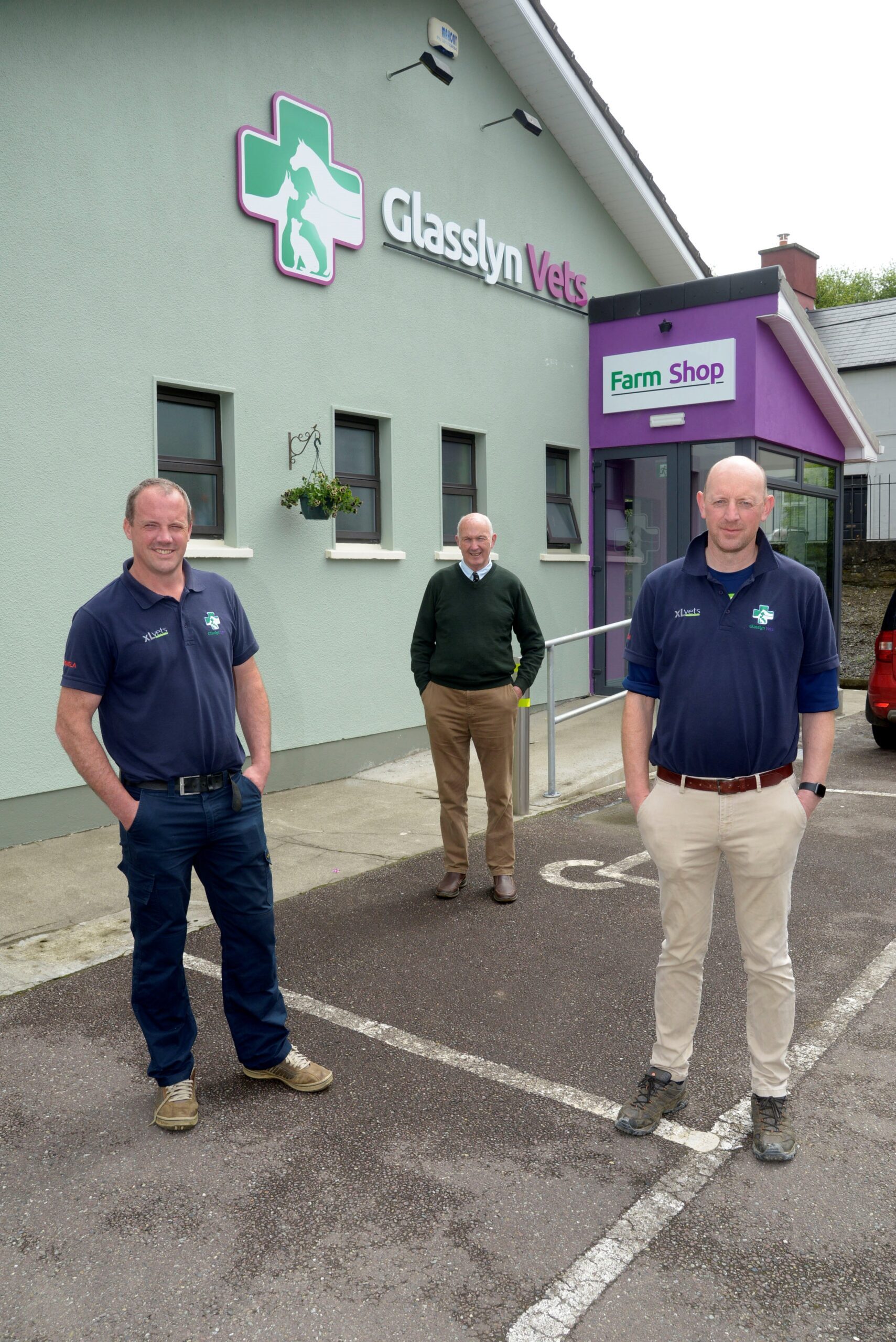
Kevin, Patrick and John Healy

We are hiring for our veterinary team!

When Cornelius O’Driscoll set up his veterinary practice in Bandon in 1915, he could not have dreamed that it would still be serving the people of West Cork a century later. Glasslyn Veterinary clinics in Bandon, Kinsale and Dunmanway are rightly proud of their reputation for high quality care based on over 100 years of experience combined with cutting edge technology, the best skills and the most modern facilities. Glasslyn Vets is now one of the largest veterinary practices in the country with fifteen full-time vets and a strong team of support staff.

We are currently expanding our veterinary team and have two roles available.

Large Animal Veterinary Surgeon (Bandon, Co. Cork)

Glasslyn Vets is looking to recruit an experienced and enthusiastic large animal veterinary surgeon for a full-time position to join our growing team primarily in the Bandon area. Preference is for a minimum two years’ experience, but all applicants will be considered and replied to.

Qualifications and Experience
• Experience in farm animal practice, particularly dairy an advantage
• Veterinary Council of Ireland registered
• Ability to work independently and on own initiative
• High standard of professionalism
• Strong communication, organisational and analytical skills

This role is supported by an excellent team of other LA vets and clinic-based staff. Salary is commensurate with experience. Generous benefits package includes pension contributions, sick pay and generous CPD through XL Vets.


Small Animal Veterinary Surgeon (Co. Cork)
Glasslyn Vets is looking to recruit an experienced small animal veterinary surgeon for a full-time position to take full responsibility for SA clinic practice in one of our clinics in Co. Cork. There is no requirement for out of hours work.  A minimum of four years’ small animal experience is required for this role.

Qualifications and Experience
• At least 4 years’ experience in small animal practice
• Veterinary Council of Ireland registered
• Ability to work independently and on own initiative
• High standard of professionalism
• Strong communication, organisational and analytical skills

The role is supported by an exceptional and supportive team of nurses and vets with excellent levels of equipment and case load. Salary is commensurate with experience. Generous benefits package includes pension contribution, sick pay scheme and generous CPD through XL Vets.

For a confidential discussion about our opportunities call Kevin O Sullivan on 023 8841404 or email CV to [email protected].

Adorable dog and cat wearing Santa hats together at room decorat

How to keep your pets safe at Christmas

With Christmas fast approaching, sadly there are a lot of foods we eat at this time of year which are harmful to our pets. There are also other potential hazards around the house including decorations and toys which we need to be mindful of. Mince pies and Christmas cake often contain grapes and raisins which are toxic to dogs and cats and can lead to kidney failure. Signs of ingestion include vomiting and diarrhea. It is advisable to keep these out of reach of your pet. Some of these cakes and pies can also contain alcohol which should be avoided.

Chocolates are often plentiful around the house at Christmas time. Chocolate especially dark chocolate contains theobromine which is toxic to pets. In smaller quantities it can cause stomach upset such as vomiting and diarrhea but in larger amounts can lead to neurological signs and can be dangerous. Dogs will often eat the wrappers of sweets and chocolate which can cause its own issues such as obstructions.

Bones should always be avoided; it is ok to give your pet small amounts of turkey but making sure it is free from any small bones/ fragments. These bones can cause problems like constipation or more seriously can lodge in pet’s throats or digestive tract. Cooked bones can also splinter after ingestion and cause perforation of your pet’s intestines.

Tinsel and small toys should be kept out of reach of pets in case of accidental ingestion.  Mistletoe and holly berries are both toxic to dogs and cats if ingested. Signs of holly and mistletoe toxicity include vomiting, excessive drooling and diarrhea.

If you suspect your pet has ingested any toxins it is important to contact your veterinary clinic straight away.

British shorthair cat, domestic cat, neutered cat in a blanket

Importance of neutering your cat

Where a cat is not intended to be bred from we fully support spaying, not only as part of responsible pet ownership, but for your pet’s benefit also.  There are multiple indications for spaying: Prevention of ‘calling’ and attracting tomcats and obviously a subsequent pregnancy. Did you know that mating in cats causes ovulation? This means every time a cat mates, you are nearly guaranteed a pregnancy – and when your cat starts calling, she will find a way out to mate and get pregnant. An unneutered cat and her offspring could be responsible for 100 kittens within 7 years!

Unlike in dogs, we can neuter cats when they are “in heat”/ calling. – So it is never too late to book your cat in for neutering.

Apart from an unwanted pregnancy, there is less risk of pyometra (a horrible, life threatening infection in the womb), less risk of the spread of FIV (feline immunodeficiency virus) and feline leukaemia and other reproductive issues such as ovarian cysts and cancer.

Equally, male cats should be castrated, in order to avoid unwanted kittens, reduce territorial fighting and the spread of FIV and feline leukaemia.

Should you decide to get your pet neutered, your pet will be admitted on the morning of the operation. Any questions you may have will be answered by the veterinary surgeon or veterinary nurse at your pre-operative consultation. Your pet will be given an injection of pain relief and a mild sedative to help them relax whilst waiting for the operation. Once anaesthetised, an area of hair will be clipped on the side of the belly and the skin prepared for sterile surgery. After the ovaries and uterus have been removed, incisions in the abdominal muscles, fat and skin will be stitched closed.

We hope that you are now able to make an informed decision regarding spaying. Contact our team to learn more.

black dog portrait walking in a park, with harness and flea collar low res

Why flea & worm treatments are essential

Protecting our pets and making sure they stay fit and healthy is the most important thing when we decide to introduce a pet to our family. Throughout your pet’s life, it is crucial that you regularly utilise effective, preventative therapies to ward off parasites for the long-term health and wellness of both your pet and your family. Keep in mind that prevention is much simpler and less expensive than treatment.

What are fleas?

A flea is a small, reddish brown, wingless insect, which feeds off the blood of mammals. This can include pets such as our dogs, cats and rabbits but can also include tasty humans. Although they are small they can be seen with the naked eye and are about 1-3 mm long. They have flat bodies and very powerful back legs which mean they can jump huge distances for their size.

Fleas do not live on your pet; they just hop on and off to feed and can live in your floorboards and carpets.  Once you see a flea or flea dirt in the coat, you may have a problem in your house.

What are worms?

There are several different worms that might infect your pet and harm your pet. Roundworms, lungworms, and tapeworms are among the numerous worms that prey on animals. Some worms have the capacity to lay more than 100,000 eggs per day, which are then dispersed across the environment by the pet’s faeces.

Treatment to take

You should:

  • Kill any adult fleas on your pet to stop them biting with a spot on.
  • Break the flea life cycle to stop more adult fleas hatching out with a household spray.

Once you have identified a problem you will have to ensure rigorous flea control for a further 12 months before you can be confident that you have resolved it.  But of course: prevention is best.

At Glasslyn Vets, we always promote the importance of flea and worm treatments for your pet to ensure they are protected against one of the most common dangers.  We stock Advocate (a monthly spot on) and Bravecto Plus (a 3 monthly spot on), which treat fleas and most worms.  In addition, you should give your cat a tapeworm tablet very 6-12 months if she is an outdoor cat. Do it twice yearly if she is an avid hunter.

If you would like to know more about flea And worm treatments, contact us today.

pexels-photo-617278

FIV and FeLV

What is FIV?
Feline Immunodeficiency Virus is a virus that attacks the immune system. It is commonly
transmitted through saliva and blood, for example bite wounds, and is more common in outdoor
or feral cats that are not neutered.

What is FeLV?
Feline Leukemia Virus also attacks the immune system, but this is mainly transmitted through
body excretion exchanges such as sharing litter trays/food bowls or mutual grooming.

Symptoms of FIV and FeLV include the following:
• Upper respiratory Issues
• Fever
• Poor appetite
• Oral infections/inflammation
• Diarrhoea
• Anaemia

Here in Glasslyn we offer a test which requires a small blood sample from the patient and only
takes 15-20minutes for results. This can be booked in through a consultation with one of our
vets. A small blood sample must be collected from your cat to run the test, and the results will be
ready within 15-20 minutes. We advise to wait until they are at least 6 months of age before
testing for any of these viruses. Cats that test positive for FIV/FeLV can still potentially lead a
normal life but would require more care and attention and would also be advised to live indoors
to reduce the risk of the virus spreading to other feline friends.

Vaccines against the FeLV virus are available here in Glasslyn but unfortunately there are no
vaccines available to protect against the FIV virus.

Neutering is strongly advised from 6 months of age to reduce the spread of these viruses.

November is “Cat Appreciation Month” here at Glasslyn and we are offering 10% off all cat neuters in our Bandon and Kinsale branches during the week of the 14th of November. Book early to avoid disapointment!

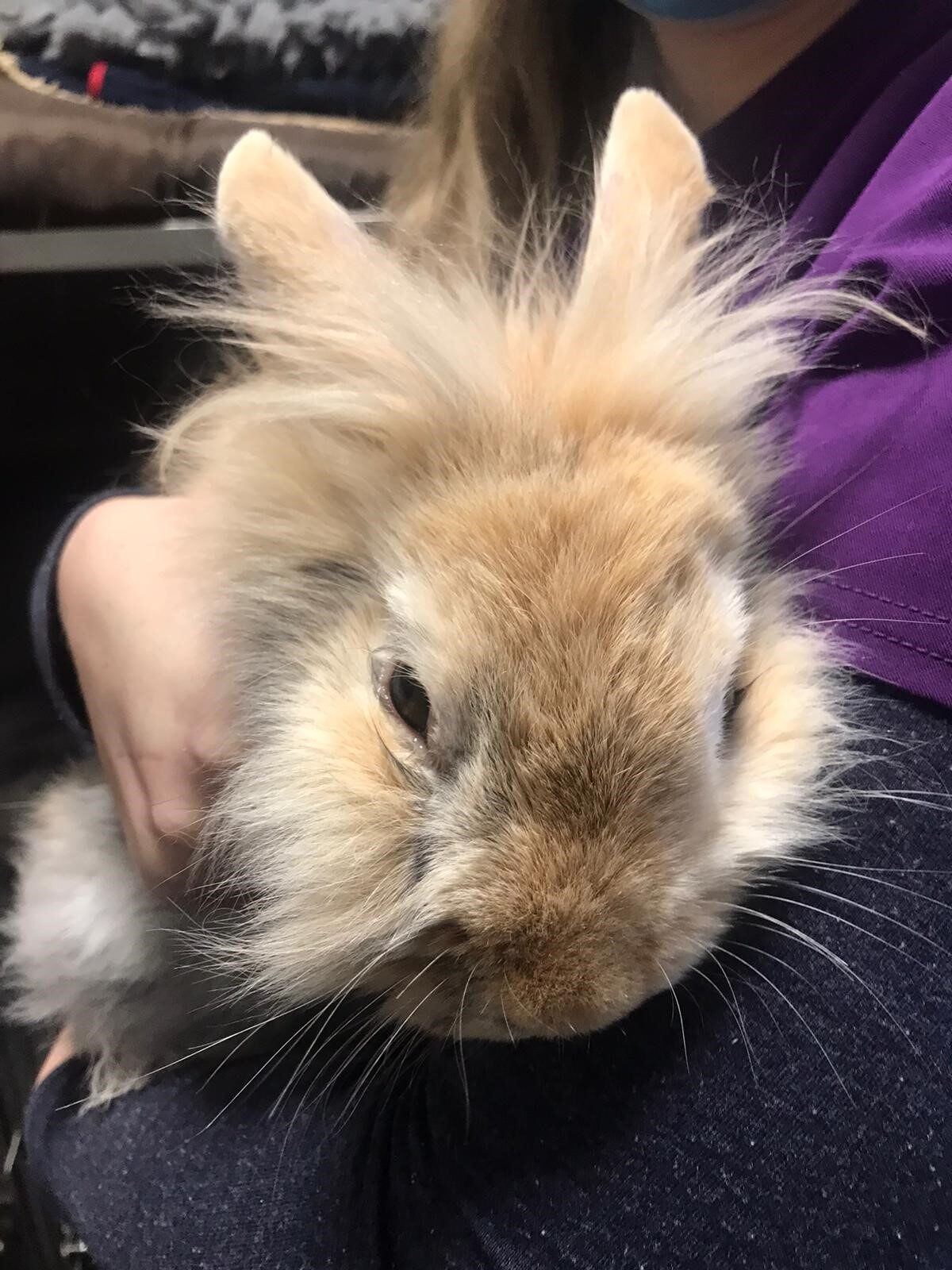
bunny2

Rabbits as a Pocket Pet

For celebration of Pocket Pets month, we will focus on rabbits in this article.
Rabbits are great little pets with a lot of personality. They are very sociable animals and should ideally be kept as a pair but can be kept alone. They will give their owner a lot of love and attention!
They are also very intelligent and can learn a lot of tricks with some patient training.
As a ‘Pocket Pet’, they need less space than a medium to large sized dog, so an appropriately sized cage and a few outings a day in your flat/ house or garden, will suffice plenty.
Another positive point of owning a rabbit is that, compared to some other small furries, they get relatively old, usually reaching 8 years or older.
When it comes to expenses, rabbits might look small – but they actually do eat a lot. Pellets and vegetables only make 10% of their diet, the other 90% consist of hay (or grass if you have plenty of it).
They also have a very fast metabolism and a trip to the vet can be quite costly because they often require the same amount of drugs than a large dog! Rabbits can also be very complex and when they are poorly, we often have to address and treat multiple organs at once.
Routine vaccinations against Myxomatosis and viral Haemorrhagical disease should be performed once yearly, as well as regular deworming if they are kept outside.
In any case, rabbits make great family pets, especially for people who do not want to go for walks or enjoy a silent pet, but make sure to do your homework.

arthriti article

Pain Management in Arthritic Cases

I personally use the WET (weight, exercise, treatment) approach.

Weight: Excess pressure puts a huge strain on joints and when looking at a pain scale (i.e. 10/10 for pain), the pain score drop most significantly in obese animals who lose weight.

The advice is simple if you pet is overweight: cut out any treats or replace them with low calorie treats (such as Educ treats) and if your pet already does not get any extra food, reduce the food intake overall by 20% or failing that, switch to a prescription eight loss diet.

Here at Glasslyn, we are always happy to perform free of charge weight clinics – you can call us to book in for those!

Exercise: Ideally, every arthritic dog would get a physio- or hydrotherapy referral to target specific problem joints.

But in general, low impact exercise in the water (minimum of 10 minutes twice weekly) and little and often is best.

5K walks should not be your priority anymore as prolonged forces will put abnormal pressure on the joints and will worsen arthritis in time.

Treatment:

In the acute phase of arthritis, we should focus on acute pain management.

Our first line treatment is usual non-steroidal anti inflammatories (i.e. carprofen/ meloxicam), as it also deals with soft tissue swellings.

Sometimes we add in gabapentin or other pain killers that belong to the opioid group.

Recently, new products have come out on the market: Librela for dogs and Solensia for cats. This is a mononuclear antibody injection that mops up the messenger that signals arthritic pain. This provides superior pain relief, is however quite costly and is usually reserved for more advanced cases.

Personally, I also like putting a lot of emphasis on improving joint quality.

By improving the joint quality, we do not only eventually get a pain killing effect so that we can use less pain killers in the longer term but we also might slow the progression of arthritis down.

I quite like Cartrophen injections for dogs, which is pentosane sulphate and this injection is given weekly for 4 weeks. After the 3rd injection, 75% of clients see a vast improvement (usually after the 4th injection 99% of clients see a big improvement in the dog’s gait and pain level). The course of injections is repeated every 6-9 months (depending on the severity of the arthritis) .

Cartrophen not only improves the joint fluid quality but also prevent nasty enzymes gnawing away at the cartilage – thus it has the potential to slow down the progression of arthritis.

In addition, essential fatty acids (EFAs) reduce inflammation overall and should also be used. These are usually combined with glucosamines and chondroitin, which are proteins that we do find in joints – but it was discovered that there is no glucosamine transporter in the intestines, which means glucosamines need to be built down and up again as they are not directly absorbed.

Other supplements, such as boswelia or turmeric may also be used.

In any case, a multimodal approach is needed to manage arthritis.


298251134_5184047438370769_2180502823837650168_n

Glasslyn Vets Puppy Party!


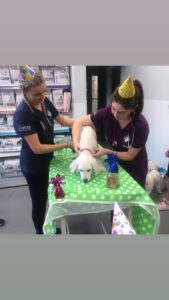
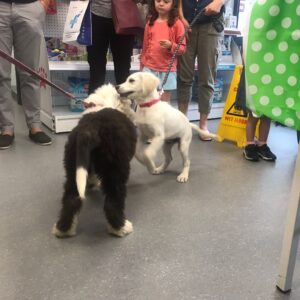
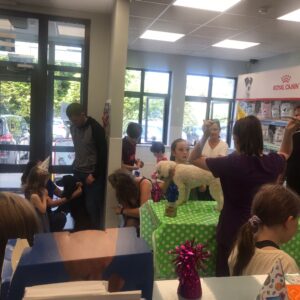
On 24 August 2022 Glasslyn Vets hosted a Free Puppy Party!

This included a free Vet check and loads of goodies like Food, Toys, Poo bags, Treats and Vouchers.

Keep an eye on our Website Homepage and social media pages for our next event!

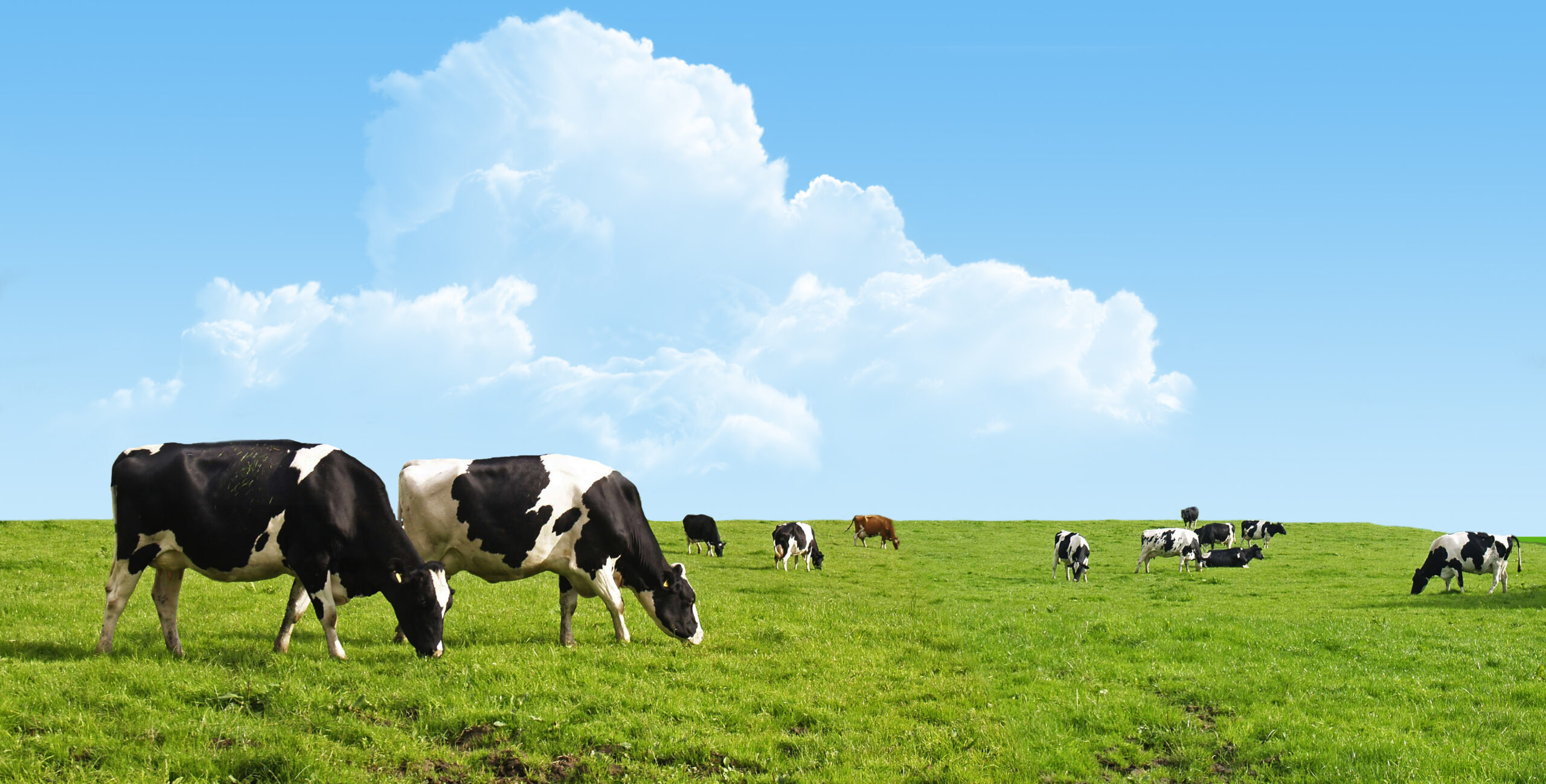
Cows grazing on a green field.

Managing herd lameness

As herd sizes increase, the incidence of lame cows is also increasing. Increased walking distances and increased standing times have a detrimental effect on cow hoof health. Lameness is not only a problem for the cow; it can lead to significant financial losses for the farm business.

Considering the fact that every case of a lame cow can cost up to €300, having a herd plan in place for lameness is vitally important. The cost of a case of lameness includes the loss of milk production for 2 months before and up to 4 months after the clinical case, the veterinary bills, the increased infertility and the increased risk of culling.

The four main causes of lameness in an Irish grazing system are:

White Line Disease

White line disease is the separation of the hoof wall from the sole on the outside claw of the hind foot. It may start off as a thin black line but it fills with grit and stones causing pain and sometimes infection. Treatment includes trimming the affected claw, a shoe on the good claw and anti-inflammatory injection. Most of these do not need antibiotic treatment.

Digital Dermatitis (Mortellaro)

Highly contagious, this initially looks like a red rash, and can develop into extensive skin loss and scabbing around the cleft between the claws and on the heel. Treatment involves topical antibiotic spray daily for up to 5 days. Do not put these cows through the footbath. Prevention is the best approach to Digital Dermatitis with weekly foot bathing using formalin, copper sulphate or inorganic acids. Talk to your vet about the best location for your footbath, and the conentrations of products to be used. Try not to use a plastic footbath because generally cows do not like walking through them and as a result you will not use it as often as you should.

Solar Bruising and Ulcers

Red to dark purple discolouration, which only becomes visible about 2–3 months after the damage has been done. Sole ulcers can develop from very severe bruising. These occur when the tissue under the hoof becomes inflamed and can break through the horn, or cause under-run sole. Excess horn should be trimmed from around the ulcer, a shoe applied to the opposite claw, topical antibiotic applied and anti-inflammatory injection.

Foul in the Foot/ Footrot

Symptoms include swelling above the hoof, splayed claws, and a foul smelling secretion between the claws. It is caused by bacteria entering the foot through cracks in the skin caused by dirty wet conditions. Treatment requires antibiotics.

How to reduce lameness

Look at your own behaviour

  • Watch the rear group of cows and make sure their heads stay down (if the head is up – they are being pushed)
  • Ensure they aren’t pushing each other (cows don’t like body contact)
  • Do not rush the back of the herd with dogs or quad bike

 Roadways

  • Well-designed
  • Firm, compacted base material
  • Crowned to keep water off – Non-damaging surfaces, well-drained edges
  • Width sufficient for herd size (min 5 m)
  • Free of congestion points – avoid right angle bends, narrowing of race, mud holes, excess crowning

 Collecting yards

  • Ensure plenty of space in the yard to congregate – a minimum of 1.3 square metres space for Jersey cows and 1.4 to 1.5 square metres space for Friesian cows (depending on their size and the design of the shed)
  • Look for any other factors that would make cows fear the yard (slippery concrete, stray voltage, electrified backing gate)
  • Use the backing gate only to take up space, not to push cows

 Prevalence and cost

  • 20-35% of cows suffer some degree of lameness
  • 90% of lameness is in the foot, with 80% in the hind limbs and 80% of these cases in the outer claw
  • Clinical lameness is estimated to reduce milk yield by 350kg per lactation
  • A case of clinical lameness is estimated to cost €160 – €300


Point Lameness Reduction Plan

  1. Record keeping (not just lameness, of course!)
  2. Early detection and effective treatment
  3. Minimising risk of injury (risk assessment, design and construction of facilities, and understanding of the dairy cow for good stockmanship and low stress handling)
  4. Hygiene or minimizing risk of infection (footbaths and facilities)
  5. Good health for the foot (cow comfort, avoiding health issues)
Bandon Contact Details
📞 023 8841404
📍 Station Road,
Bandon,
Co. Cork.
Ireland.
P72 FY72
Muskerry Vets
📞 02641055
📍 Sawmill Yard, Macroom,
Co. Cork,
Ireland.
P12EY80

Kinsale Contact Details
📞 021 4772277
📍 1 Church Square,
Kinsale,
Co. Cork.
Ireland.
P17 W281
Carbery Vets
📞 023 8845206
📍 Bridge street
Dunmanway
Co Cork
Ireland
P47FN36