No products in the cart.

Adorable dog and cat wearing Santa hats together at room decorat

How to keep your pets safe at Christmas

With Christmas fast approaching, sadly there are a lot of foods we eat at this time of year which are harmful to our pets. There are also other potential hazards around the house including decorations and toys which we need to be mindful of. Mince pies and Christmas cake often contain grapes and raisins which are toxic to dogs and cats and can lead to kidney failure. Signs of ingestion include vomiting and diarrhea. It is advisable to keep these out of reach of your pet. Some of these cakes and pies can also contain alcohol which should be avoided.

Chocolates are often plentiful around the house at Christmas time. Chocolate especially dark chocolate contains theobromine which is toxic to pets. In smaller quantities it can cause stomach upset such as vomiting and diarrhea but in larger amounts can lead to neurological signs and can be dangerous. Dogs will often eat the wrappers of sweets and chocolate which can cause its own issues such as obstructions.

Bones should always be avoided; it is ok to give your pet small amounts of turkey but making sure it is free from any small bones/ fragments. These bones can cause problems like constipation or more seriously can lodge in pet’s throats or digestive tract. Cooked bones can also splinter after ingestion and cause perforation of your pet’s intestines.

Tinsel and small toys should be kept out of reach of pets in case of accidental ingestion.  Mistletoe and holly berries are both toxic to dogs and cats if ingested. Signs of holly and mistletoe toxicity include vomiting, excessive drooling and diarrhea.

If you suspect your pet has ingested any toxins it is important to contact your veterinary clinic straight away.
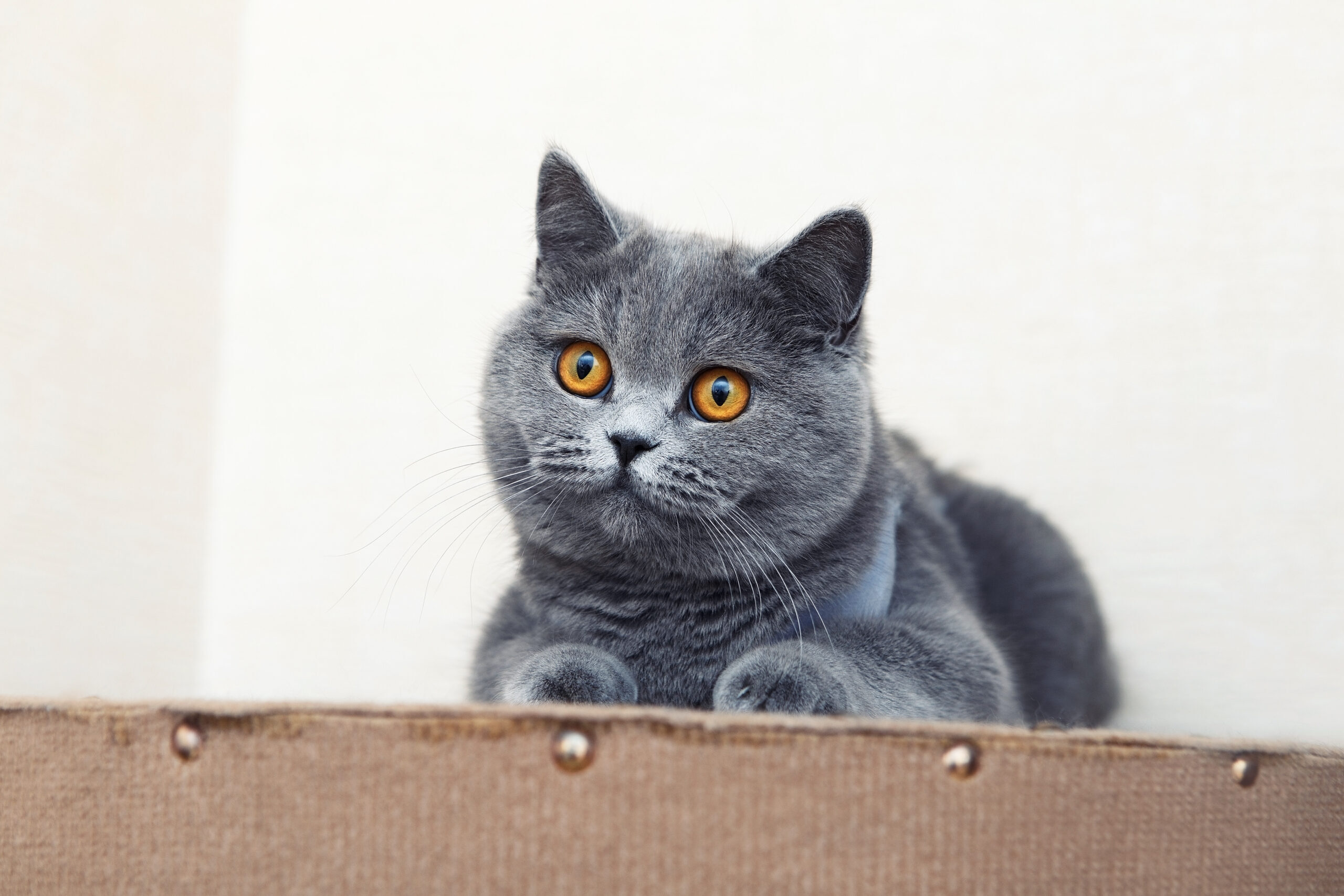
British shorthair cat, domestic cat, neutered cat in a blanket

Importance of neutering your cat

Where a cat is not intended to be bred from we fully support spaying, not only as part of responsible pet ownership, but for your pet’s benefit also.  There are multiple indications for spaying: Prevention of ‘calling’ and attracting tomcats and obviously a subsequent pregnancy. Did you know that mating in cats causes ovulation? This means every time a cat mates, you are nearly guaranteed a pregnancy – and when your cat starts calling, she will find a way out to mate and get pregnant. An unneutered cat and her offspring could be responsible for 100 kittens within 7 years!

Unlike in dogs, we can neuter cats when they are “in heat”/ calling. – So it is never too late to book your cat in for neutering.

Apart from an unwanted pregnancy, there is less risk of pyometra (a horrible, life threatening infection in the womb), less risk of the spread of FIV (feline immunodeficiency virus) and feline leukaemia and other reproductive issues such as ovarian cysts and cancer.

Equally, male cats should be castrated, in order to avoid unwanted kittens, reduce territorial fighting and the spread of FIV and feline leukaemia.

Should you decide to get your pet neutered, your pet will be admitted on the morning of the operation. Any questions you may have will be answered by the veterinary surgeon or veterinary nurse at your pre-operative consultation. Your pet will be given an injection of pain relief and a mild sedative to help them relax whilst waiting for the operation. Once anaesthetised, an area of hair will be clipped on the side of the belly and the skin prepared for sterile surgery. After the ovaries and uterus have been removed, incisions in the abdominal muscles, fat and skin will be stitched closed.

We hope that you are now able to make an informed decision regarding spaying. Contact our team to learn more.

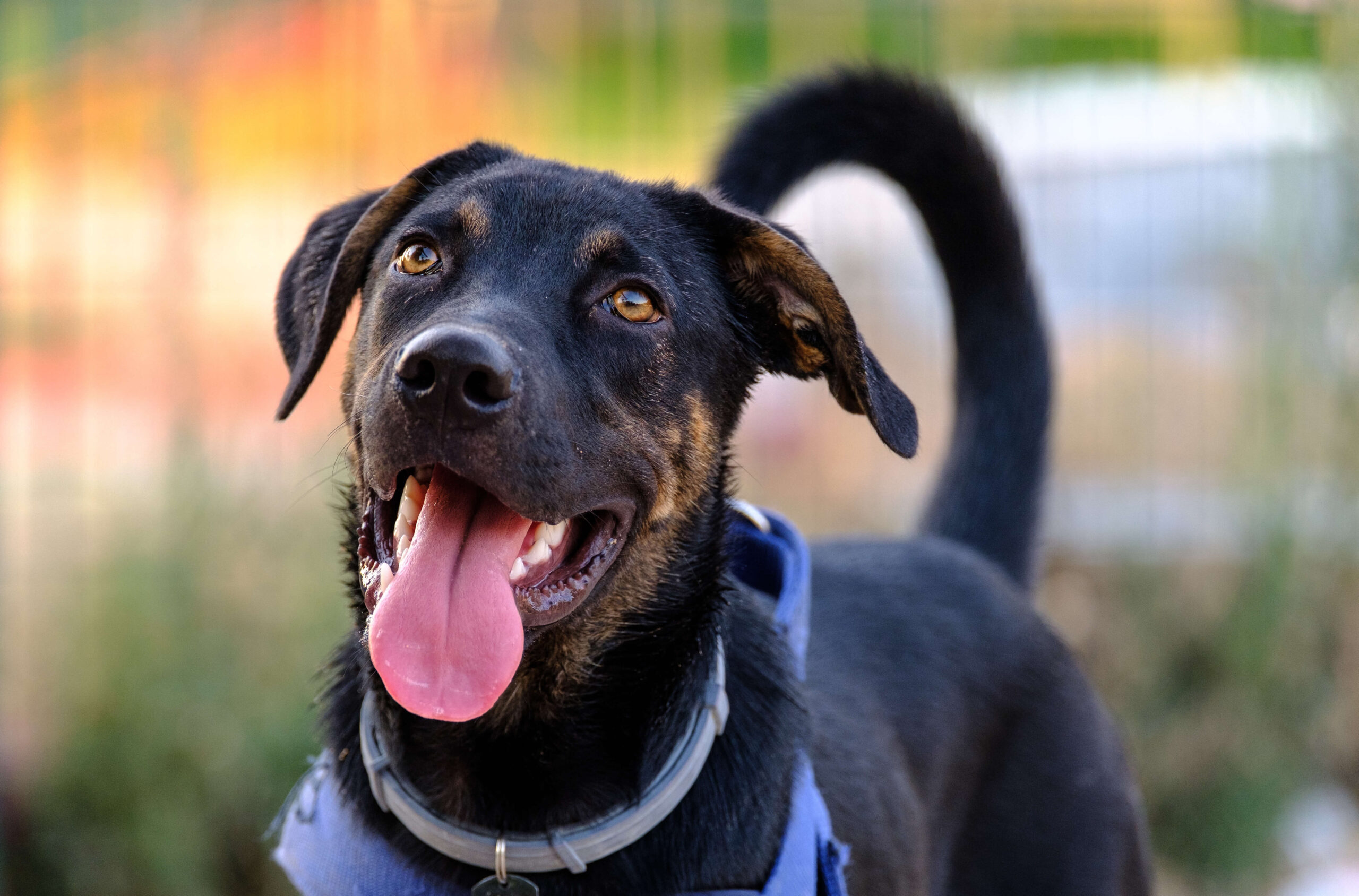
black dog portrait walking in a park, with harness and flea collar low res

Why flea & worm treatments are essential

Protecting our pets and making sure they stay fit and healthy is the most important thing when we decide to introduce a pet to our family. Throughout your pet’s life, it is crucial that you regularly utilise effective, preventative therapies to ward off parasites for the long-term health and wellness of both your pet and your family. Keep in mind that prevention is much simpler and less expensive than treatment.

What are fleas?

A flea is a small, reddish brown, wingless insect, which feeds off the blood of mammals. This can include pets such as our dogs, cats and rabbits but can also include tasty humans. Although they are small they can be seen with the naked eye and are about 1-3 mm long. They have flat bodies and very powerful back legs which mean they can jump huge distances for their size.

Fleas do not live on your pet; they just hop on and off to feed and can live in your floorboards and carpets.  Once you see a flea or flea dirt in the coat, you may have a problem in your house.

What are worms?

There are several different worms that might infect your pet and harm your pet. Roundworms, lungworms, and tapeworms are among the numerous worms that prey on animals. Some worms have the capacity to lay more than 100,000 eggs per day, which are then dispersed across the environment by the pet’s faeces.

Treatment to take

You should:

  • Kill any adult fleas on your pet to stop them biting with a spot on.
  • Break the flea life cycle to stop more adult fleas hatching out with a household spray.

Once you have identified a problem you will have to ensure rigorous flea control for a further 12 months before you can be confident that you have resolved it.  But of course: prevention is best.

At Glasslyn Vets, we always promote the importance of flea and worm treatments for your pet to ensure they are protected against one of the most common dangers.  We stock Advocate (a monthly spot on) and Bravecto Plus (a 3 monthly spot on), which treat fleas and most worms.  In addition, you should give your cat a tapeworm tablet very 6-12 months if she is an outdoor cat. Do it twice yearly if she is an avid hunter.

If you would like to know more about flea And worm treatments, contact us today.

pexels-photo-617278

FIV and FeLV

What is FIV?
Feline Immunodeficiency Virus is a virus that attacks the immune system. It is commonly
transmitted through saliva and blood, for example bite wounds, and is more common in outdoor
or feral cats that are not neutered.

What is FeLV?
Feline Leukemia Virus also attacks the immune system, but this is mainly transmitted through
body excretion exchanges such as sharing litter trays/food bowls or mutual grooming.

Symptoms of FIV and FeLV include the following:
• Upper respiratory Issues
• Fever
• Poor appetite
• Oral infections/inflammation
• Diarrhoea
• Anaemia

Here in Glasslyn we offer a test which requires a small blood sample from the patient and only
takes 15-20minutes for results. This can be booked in through a consultation with one of our
vets. A small blood sample must be collected from your cat to run the test, and the results will be
ready within 15-20 minutes. We advise to wait until they are at least 6 months of age before
testing for any of these viruses. Cats that test positive for FIV/FeLV can still potentially lead a
normal life but would require more care and attention and would also be advised to live indoors
to reduce the risk of the virus spreading to other feline friends.

Vaccines against the FeLV virus are available here in Glasslyn but unfortunately there are no
vaccines available to protect against the FIV virus.

Neutering is strongly advised from 6 months of age to reduce the spread of these viruses.

November is “Cat Appreciation Month” here at Glasslyn and we are offering 10% off all cat neuters in our Bandon and Kinsale branches during the week of the 14th of November. Book early to avoid disapointment!

Bandon Contact Details
📞 023 8841404
📍 Station Road,
Bandon,
Co. Cork.
Ireland.
P72 FY72
Muskerry Vets
📞 02641055
📍 Sawmill Yard, Macroom,
Co. Cork,
Ireland.
P12EY80

Kinsale Contact Details
📞 021 4772277
📍 1 Church Square,
Kinsale,
Co. Cork.
Ireland.
P17 W281
Carbery Vets
📞 023 8845206
📍 Bridge street
Dunmanway
Co Cork
Ireland
P47FN36