No products in the cart.

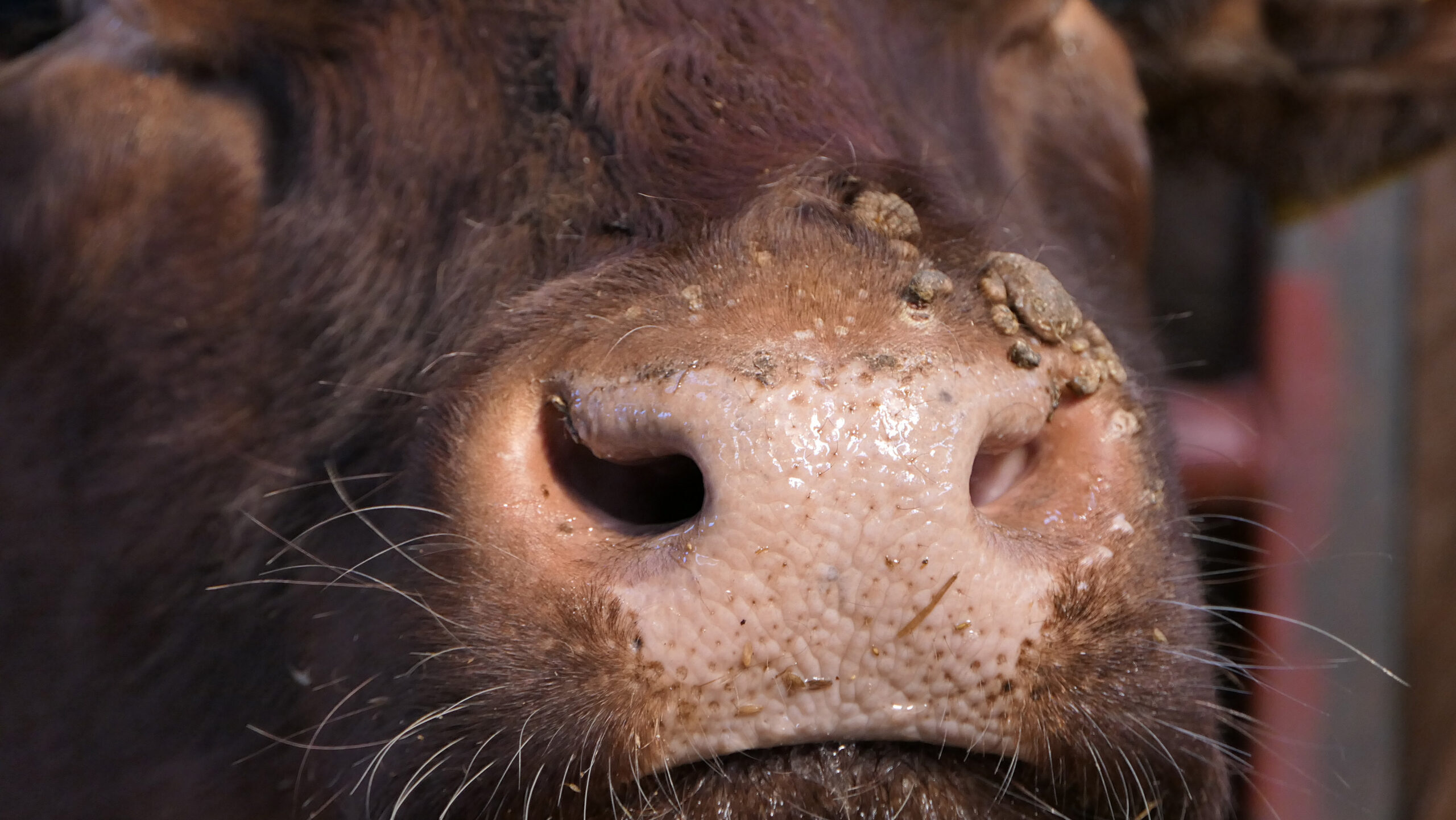
Cow with warts caused by an infectious and contagious virus bovi

IBR and It’s Effect on Your Herd

Infectious Bovine Rhinotracheitis or more commonly known as IBR is a virus that can present itself in many forms on farm including respiratory, fertility and production issues.

The textbook clinical signs of IBR are

  • ‘burnt’ muzzle
  • pink eye
  • high temp
  • dullness and lack of appetite
  • milk drop
  • snotty nose
  • ‘snore’ as their windpipe is affected.

This is severe form of IBR and even with aggressive treatment there can be huge losses.

On dairy farms the presentation of IBR may not always be as severe.  It can cause niggling problems such as:

  • production loss of 5-10%
  • embryo losses/ abortions
  • increased culling rate
  • poor treatment response for other diseases

A frequent consequence of IBR that we see on farm is calf ill health. Calves that are not thriving, wet noses, on/off temps +/- in the first 1-2 weeks of life that don’t respond well to treatment.  Antibiotics do not treat viruses but are used for the secondary bacterial infection. Usually calves survive but they don’t do as well in terms of daily gain going forward.

Time, treatment costs and extra feed for same gain are all things to consider here.

How does it spread?

It’s an airborne disease – think of COVID- it’s in water droplets, coughing, nasal secretions.It is worth noting that can be found in sperm from infected bulls.

Latent carriers are a huge problem

We use the term latent carriers to describe animals that have been previously infected with IBR, recovered from the disease but the virus basically hibernates in the animal’s immune system.

During a stressful period the virus is reactivated and the ‘apparently healthy’ animal will shed to other naïve animals and they will be clinically sick. It becomes a vicious cycle as this can create more carriers. In this way a serious problem can start in a previously ‘clean’ herd.


How do I know if my herd is affected?

  • Swab – sick animals or animals with nasal discharge

+/-

  • Bloods – sample 5-10 cows for IBR antibodies

+/-

  • Bulk Milk Sample – will test for IBR antibodies.


How can you prevent it?

Keep a closed herd to prevent. If buying reduce the risk by buying from herds that are either proven IBR negative or herds that are vaccinating.

Vaccination –there are a number of different protocols including live and inactivated which differ for age groups and from farm to farm.


Contact the office to have a chat through the protocol that best suits your farm.
itchy

Atopy in Dogs

Most common ear and skin disease


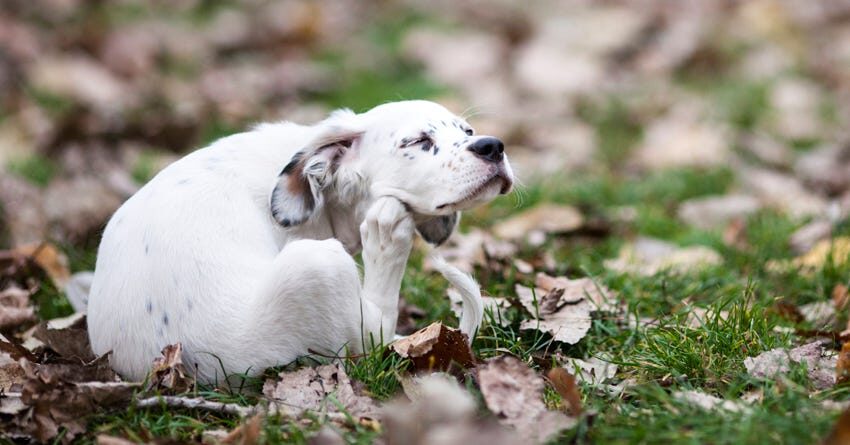
Atopy is a hereditary skin disease of dogs, characterised by skin inflammation and itchiness (pruritus).

Infections by bacteria or yeast are a secondary cause, which will need to be treated, but is not the primary cause for the most common skin condition: atopy.

Current understanding is that it is caused by an abnormal reaction of the immune system to tiny particles in the environment called allergens, combined with abnormalities in the surface layer (stratum corneum) of the skin. Allergens enter the body through the skin and lead to the production of certain antibodies in genetically predisposed animals. These antibodies then cause either intermittent or chronic (long-term) symptoms.

Corticosteroids: these usually come in tablet form or can be given by injection. They can be very useful in acute, short-term cases as they can work within hours, but must be used with care in more long-term cases in order to reduce the risk of side effects. Corticosteroids can also be applied directly to affected skin in the form of gels or sprays. This form of treatment can play a very important part in managing Atopy.

Apoquel/ Cytopoint/Cyclosporine: this drug, like corticosteroids is very effective but costs significantly more. Although slightly slower to work, its advantage over corticosteroids is reduced long-term side effects. Adding in other treatments, listed below, can reduce the dosage and frequency of administration of all systemic drugs:

Prescription diets: these are specially formulated to improve skin health and reduce pruritus.

Essential fatty acids: these originate from fish and various plants such as Evening Primrose and Borage. It may take 8-10 weeks to see the effect of these.

Topical treatments: these are applied directly to the skin in the form of shampoos, lotions and moisturisers. They help soothe and repair.

Hyposensitisation: having a vaccine made up, which contains the allergens your dog is allergic to and injecting this under the skin can be effective in 50 to 80% of cases but usually only yields an overall improvement of 50%.

This is called Allergen Specific Immunotherapy (ASIT). It may take 3-12 months to see a positive response, needs to be given life long and is mainly used with young dogs suffering from symptoms throughout the year.

If your pet suffers from atopy, there is unfortunately no quick fix. Flare ups will occur, when allergen exposure is high, despite adequate treatment.

Atopy is a complex condition and is best discussed with your vet, especially if an itch or an infection is not well controlled.

Speak to us if you would like to discuss this further.

Bandon Contact Details
📞 023 8841404
📍 Station Road,
Bandon,
Co. Cork.
Ireland.
P72 FY72
Muskerry Vets
📞 02641055
📍 Sawmill Yard, Macroom,
Co. Cork,
Ireland.
P12EY80

Kinsale Contact Details
📞 021 4772277
📍 1 Church Square,
Kinsale,
Co. Cork.
Ireland.
P17 W281
Carbery Vets
📞 023 8845206
📍 Bridge street
Dunmanway
Co Cork
Ireland
P47FN36