No products in the cart.

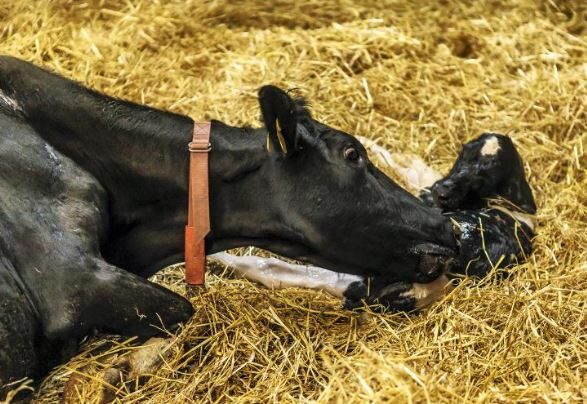
Milk fever cow and calf

Main Strategies to Avoid Milk Fever at Calving

Milk fever and subclinical milk fever are the most important macromineral disorders that affect transition dairy cows. The occurrence of milk fever or subclinical hypocalcaemia is related to increased incidence rates of several other transition cow problems. The cows with low blood level of calcium have a higher likelihood of having immunosupression, an assisted calving (2-3x), retained placenta, uterine prolapse, endometritis, mastitis (8x), displaced abomasum (2-4x) ketosis and fertility problems. Therefore, it very important that both milk fever and subclinical milk fever are prevented.

The main strategies to avoid milk fever and subclinical hypocalcaemia at calving are:

  1. Ensuring the correct BCS at calving (BCS 3.0)
  2. Providing adequate Mg supplementation pre-calving (min 20 g per cow per day)
  3. Achieving negative DCAB (dietary cation anion balance)
  4. Reducing dietary K intake

*It is very important to have your silage analysed to know the mineral content and the nutritional value.

Cows who have gone down with milk fever should be treated by a vet with IV calcium. High risk cows (over-conditioned, high-yielding, lame cows and cows with a previous history of milk fever) would benefit receiving an oral calcium bolus at the point of calving and the second one 12 hours later in aid of lowering the chance of the cow getting milk fever.

Consider milk fever as a gateway disease to other illnesses and work towards identifying the specific strategy for milk fever control in the enterprise. All farms should have some pre-determined strategy for milk fever prevention. If you have an increased number of transition cow problems or more than 5% of your cows get milk fever an investigation into the issue would be advisory.

Contact Glasslyn Vets for further information on milk fever prevention and testing.
 

walks

The Best Dog Friendly Walking Spots in West Cork!

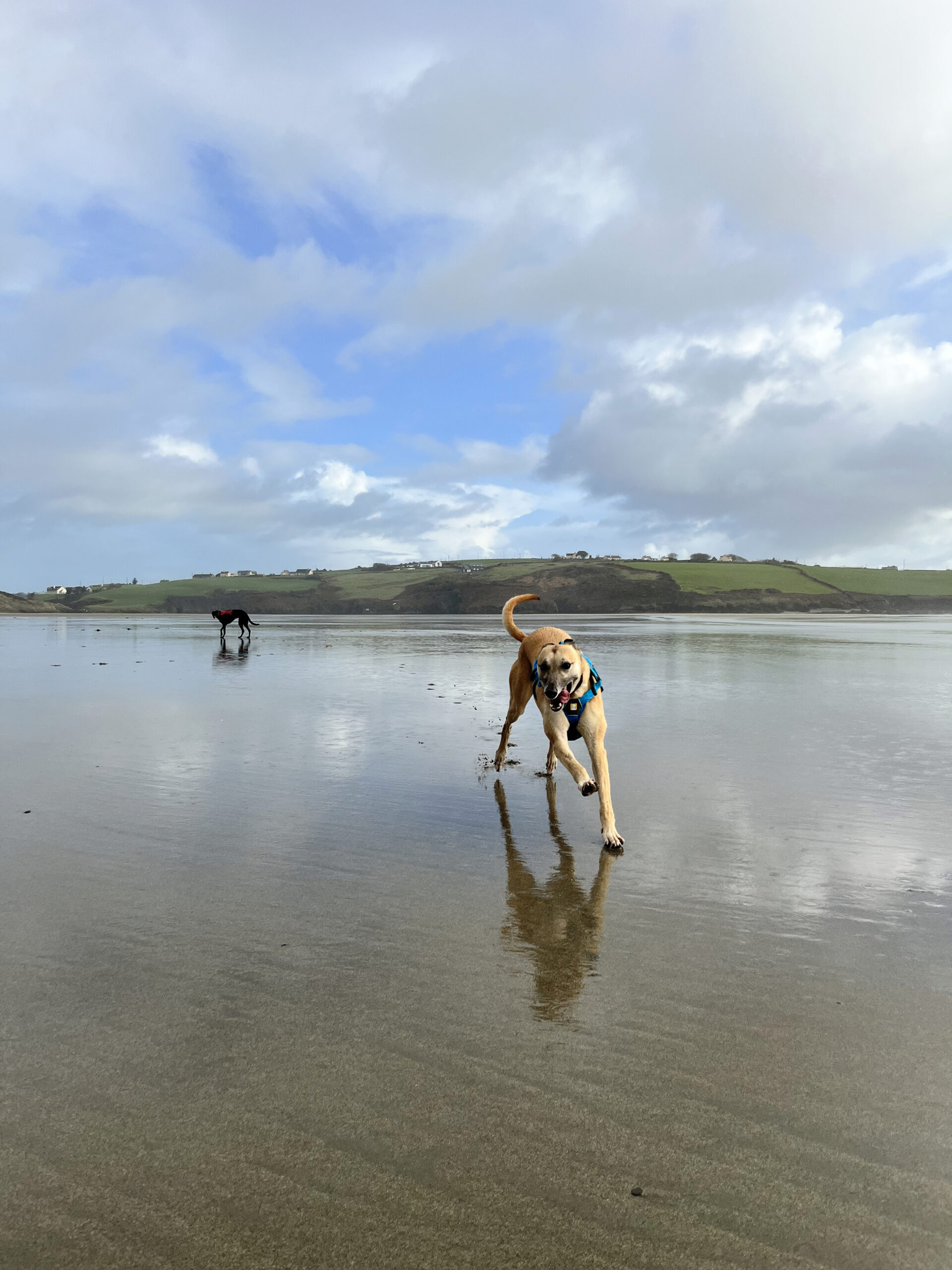
Vet Nurse Katie Harte is an outdoor enthusiast and loves nothing better than going out with her dogs, here are her top spots in West Cork, why not make it your To Do list for this year???

  • Dromkeen forest walk, Innishannon
  • Clare O’ Leary walk, Bandon
  • Inchydoney beach. Clonakilty
  • Castlefreke recreational area , Rathbarry – Various waymarked woodland trails and beach walks on nearby beaches (The long strand, Red strand, Owenahincha & Warren beaches)
  • Warren beach <–> Owenahincha beach cliff walk, Rosscarbery
  • Dromilihy forest recreational area, Connonagh (20 mins from Dunmanway / Clonakilty)
  • Dunworley beach & cliff walk. Timoleague
  • Timoleague <-> Courtmacsherry coastal road walk
  • Courtmacsherry Beach & woodland walk (also 7 heads walk starting point)
  • Kilbrittain village park & wood walk
  • Coolmain beach & Harbour view beach. Kilbrittain
  • Garrettstown <–> Garylucas cliff walk & beach walks. Old head, Kinsale
  • Charles Fort costal walk
  • Garrettstown wood trails. Ballinspittle
  • Curraghbinny woods, Carrigaline
  • Carrigaline <-> Crosshaven Greenway
  • Carrigfadda hill walk, Reenascreena (20mins from Dunmanway & Clonakilty)
  • Rineen woods, Castlehaven
  • Lough Hyne lake / country road walk & Knockomagh hill walk. Skibbereen
  • Farran woods, Macroom
  • The Gearagh nature preserve. Macroom
  • Glengarriff nature reserve
  • Gougane Barra forest park. Ballingeary
  • Drimoleague heritage walkways, various routes
  • Hungry hill, Beara peninsula
pillow foot

Pillow Foot or Plasma Cell Pododermatitis in Cats

What is Pillow foot?

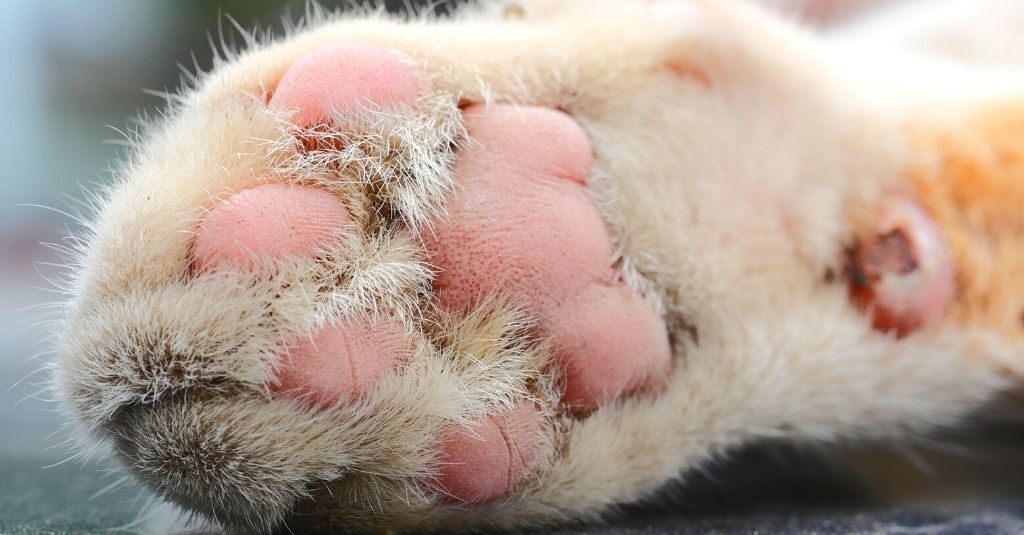
Pillow Foot in Cats (Plasma Cell Pododermatitis in Cats) is a rare disease of the footpads of cats. Due to the accumulation of a specific type of white blood cells called plasma cells, the footpad becomes inflamed. Plasma cells play a major role in the immune system.

Causes of Pillow Foot in cats

The cause is unknown but is thought to be immune-mediated; that is, the immune system causes or aggravates inflammation. Some studies have found a link between pillow foot and feline immunodeficiency virus (FIV) infection so it is important to screen an affected cat for this virus.

Symptoms of Pillow Foot

In the early stages of pododermatitis, soft, non-uncomfortable swelling of the footpads develops. More than one pad on more than one foot is typically involved. Pads may look purple and appear streaky, with white scaly material on the surface. Later, the pads can become bloody and uncomfortable. Sometimes kidney disease and inflammation of the tissues in the mouth can also occur.

Diagnosis of Pillow Foot in Cats

The main diagnostic marker is simply the appearance of the footpads. Removing cells with a small needle and examining them under the microscope (fine needle aspirate) may reveal numerous plasma cells. Blood tests may be recommended to look for infection, kidney problems, or evidence of immune response, but the results are variable. A biopsy of an affected foot pad usually confirms the diagnosis.

Treatment for Pillow Foot

Treatment may be not needed if the inflammation is mild and the cat feels okay. In some cats, the condition spontaneously disappears. However, in other cats, medications are needed to balance the immune system. In this case, steroids or immune-suppressive medications may be prescribed. Sometimes, surgery is an option to remove lesions that affect only one food pad, but this is uncommon. Many pets require some medication for life and need periodic blood tests to monitor for adverse effects of the medications.


Bandon Contact Details
📞 023 8841404
📍 Station Road,
Bandon,
Co. Cork.
Ireland.
P72 FY72
Muskerry Vets
📞 02641055
📍 Sawmill Yard, Macroom,
Co. Cork,
Ireland.
P12EY80

Kinsale Contact Details
📞 021 4772277
📍 1 Church Square,
Kinsale,
Co. Cork.
Ireland.
P17 W281
Carbery Vets
📞 023 8845206
📍 Bridge street
Dunmanway
Co Cork
Ireland
P47FN36