No products in the cart.

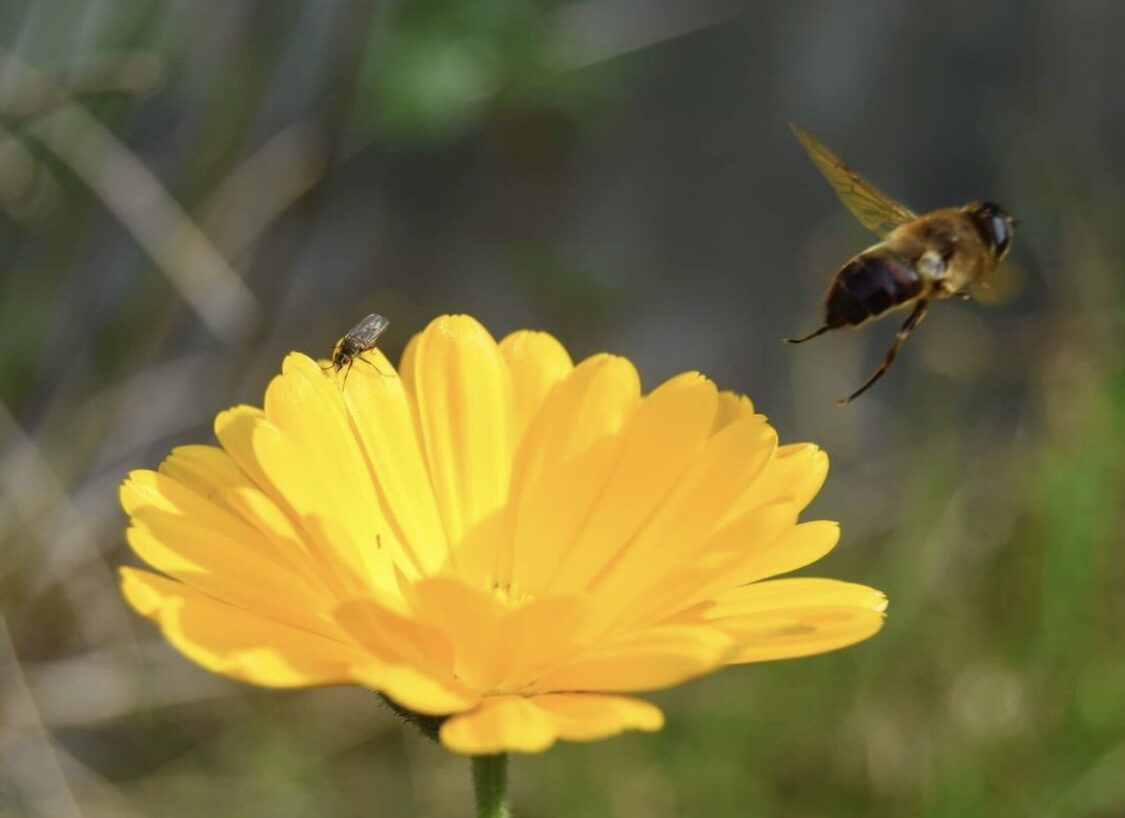
bee pic

Creating a Pollinator-Friendly Garden

Every garden, no matter its size, can be a haven for hungry pollinators. In Ireland, there are 98 different types of bee: the honeybee, 20 different bumblebees and 77 different solitary bees. They along with other insects such as moths, butterflies & hoverflies carry out the very important job of pollination. Here are some tips to help encourage them into your space and help their numbers thrive.

  1. Plant trees, shrubs & flowers ( listed below) to attract bees, butterflies & moths throughout the year.

Spring: Willow, Dandelion, Gorse, Sycamore Blossom, Horse Chestnut, Bluebell, Snowdrops, Daisy, Elder, wild garlic

Summer: Hawthorn/Whitethorn, Fuchsia, Blackberry Blossom, White Clover, Foxglove, Lavender, Milk thistle, Poppy, Lobelia, Sunflowers

Autumn: Bell Heather, Ling Heather, Dahlia, Aster, Borage

Autumn/Winter: Ivy Blossom, Honeysuckle, Holly

  1. Build or buy an insect hotel. These are readily available to buy now but are a easy and fun to make yourself
  2. Create an insect friendly area by allowing a small part of your garden to go wild
  3. Provide a shallow water source for insects to drink out of. This could also encourage dragonflies & damselflies to your garden.
  4. Use non toxic pest control methods
wccp

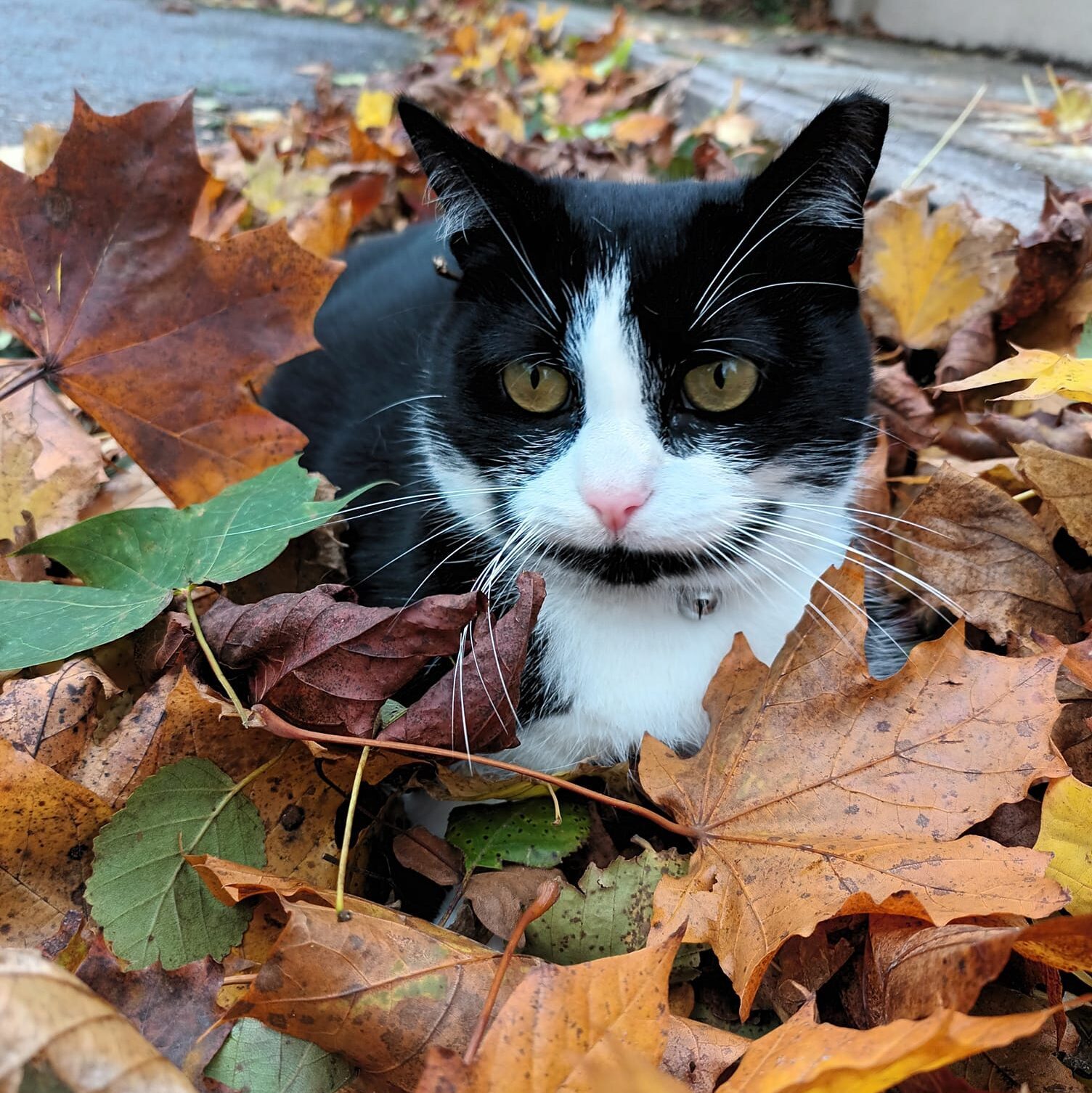
West Cork’s Cutest Pet!

We joined forces with The Southern Star to find West Cork’s Cutest Pet!

Glasslyn Vets Social Media and Marketing Administrator, Alexa du Plessis joined a panel of judges along with Southern Star editor Siobhan Cronin and Social Democrats leader Holly Cairns to narrow it down to 10 finalists after a whopping 260 entrees.

The winner will receive a €100 grooming voucher, €100 pet food voucher and €50 health check, a professionally taken portrait, and a trophy.

Winner will be announced on 8 July 2023!


Go and Vote on : https://www.southernstar.ie/west-corks-cutest-pet?fbclid=IwAR0Xj6rStNg_vXcwqQHPLaVU8tm61WEXu-XwdkqLy34MBvG3mp-av6yTEoI

ziggy g

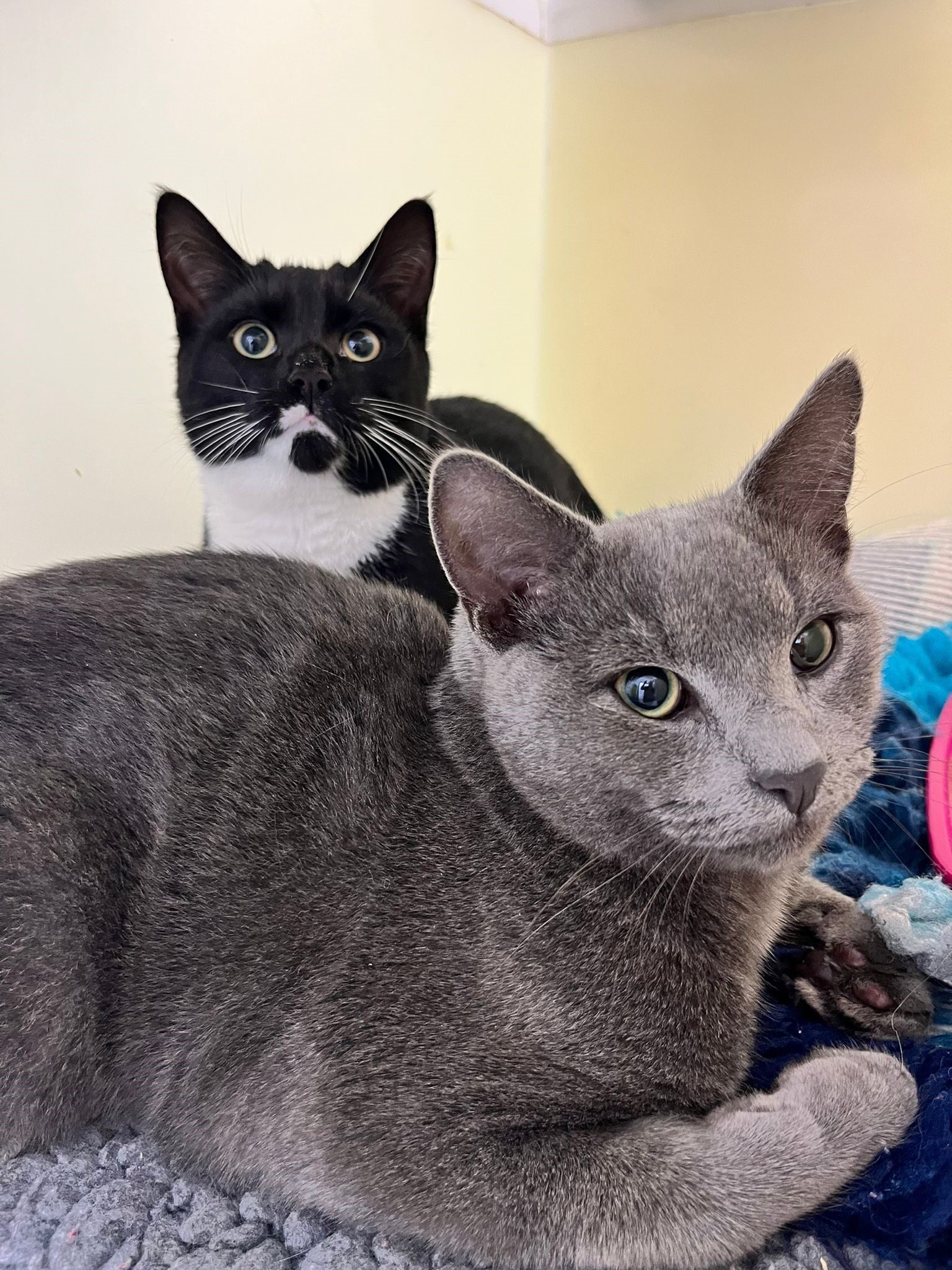
FELINE IDIOPHATIC CYSTITIS

What to do when your cat has been diagnosticated with Feline Idiophatic Cystitis (FIC)? FIC is a complex syndrome that requires a multimodal management approach. Lets look at some tips:

ENVIRONMENTAL MODIFICATION- REDUCING STRESS
Cats with FIC are more sensitive to stress than avarage cats. Often, it is difficult to detect signs of stress in cats, but we need to provide an appropiate and rich
enviornment for them.
The most important aspects to consider are:
– Provide safe and quiet places to rest, where the cat can not be disturbed.
– Provide hight places where they can climb and have a view of most of the “territory”.
– Provide scratching surfaces, horitzontal and vertical.
– Play with the cat every day; they need to express their predatory behaviour and stay active. We can also hide small amounts of food around the house to simulate predatory activities.
– In a multiple-cat house is very important to provide enough ressources to avoid conflict (water, food, litter boxes..).
– Litter boxes: there are several aspects to consider refering the litter boxes: Place the litter box in a quiet and safe place, away from the
windows/outsie, so it can’t be overlooked. The litter box has to be away from the water and food. In mutiple-cat houses, there must be 1 box for cat plus 1 extra ideally, in different locations. Litter should be cleaned regullarly.
– We can also use feromones like Feliway.
It is very important to have close attention to the preferences of our cat (toys, litter, food…) and provide him/her depending on them.
You have to notice that environmental enrichment is the most important aspect in FIC management.

DIETARY AJUSTMENTS
Another important aspect in the management of FIC is increasing water intake in order to diluate the urine. Some strategies to achive this are:
– Feed with wet food (canned food) but we need to be careful when changin diets, it can be a stress factor in some cats.
– Use pet water fountains.
– Change water regularly, the water must always be clean and fresh.
– We can try flavoured water (tuna, beef…).
– Add some water in the dry food (if your cat tolerates it).
– Be sure that your cat likes the water bowl. It is recommended to fill the bowl so the cat doesn’t need to put all his/hers head inside. We can try different
bowls.
Normally, no other changes in the diet are required. If you cat needs an special diet, we will adapt it with the descrived strategies.

WEIGHT MANAGEMENT STRATEGIES
Overweight and obesity are an important risk factor in FIC developement (and many other pathologies).
Some things we can try are:
– Increase activity: we can try playing more with the cat, with games that requieres running, jumping and climbing. If the cat stays alone long periods
of time, we can try with interactive toys.
– Diet management and diet changes: it’s important to feed the exact quantity that the cat needs and avoid giving him/her too many treats. If necessary,
we may change the diet into a specific weight management diet.


DRUG THERAPY
There are few drugs proved to be effective against FIC, but we can use some to improve clinical signs and recurrence.
– Glycosaminoglycan replacers: might be beneficial in some cats.
– Analgesia and anti-inflamatory drugs: they can’t resolve the episode by themselves, but can reduce the severity of signs.
– Amitriptyline: it can be usefull in severe recurrent cases


feline-allergic13

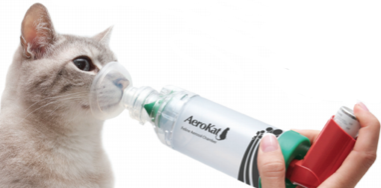
How To Use an Inhaler on a Cat

  1. Make the cat comfortable with the chamber . Before applying any medication, we need to make sure the cat tolerates the Chamber. We will start with short sessions, using snacks -or similar-, to associate the chamber with good input. We can start by showing the chamber to the cat and giving her/him a snack. Then, we will place the snack inside the face mask, so the animal puts the head voluntarily into the mask. Every session, we will increase the time that the face is inside the mask.
  2. Use the Chamber. Once the cat is comfortable, we can introduce the medication. After adding the medicine, you must count 15 breaths before releasing the cat, to make sure all is inhaled.
  3. Remember to always make it a positive experience, either through play or snacks!
Cats

Cat Weight Loss Tips

Tips for weight loss in cats

Obesity in cats are common, especially those who are kept indoors. Obesity is a serious problem that can predispose cats to different complex pathologies. These pathologies can put the cat’s life in risk, like hepatic lipidosis, diabetes, cystitis, skin problems or lameness.

A cat with perfect body condition-and weight- should have marked waist, the ribs should be palpated easily (but not seen) and shouldn’t have a lot of abdominal fat.

The pillars for a successful weight loss in cats are:

  • Diet: if the cat is overweight or obese, switch his/her diet to a specific one for weight loss and maintenance.
  • Exercise: it is very important to keep the cat moving! Try different things to promote exercise. Some of them are:
    • Play with the cat: it will help on the weight loss journey, but it is also important to simulate hunting behaviours in cats that are kept indoors. Every cat will prefer a different toy, some prefer rat-like toys, others prefer playing with balls. Try to play with your cat at least 30-60 minutes a day.
    • Change the place of the water or food bowl every few days (carefully so the cat doesn’t get stressed).
    • Hide some food in different places of the house, so the cat must look for it (a small part of the cat’s food ration).
    • Make your cat jump on surfaces (putting the food on high surfaces, playing…).
  • Treat any kind of mobility issues.
  • Ambiental enrichment: it is possible that the cat is eating more than he/she should because he is getting bored. Ambiental enrichment is an important part of the weight loss program (and also important in every cat we have home!). Some things that we can provide our cats with, are:
    • Scratching posts. Both vertical and horizontal.
    • High places where they can climb.
    • Hiding places.
    • Interactive toys
    • Litter trays must be away from the food and water, in a quiet location. In multi-cat houses, it is important to have 1 more litter tray than the number of cats we have.
    • If we have more than 1 cat, it is important to provide them with enough resources, so they don’t have to fight for them (food bowls, water, resting places…).
  • Follow-up consults: it is important to control the evolution of the weight loss program to make sure that it is working.
adaptil

Adaptil: How to make car travel more relaxing for your dog

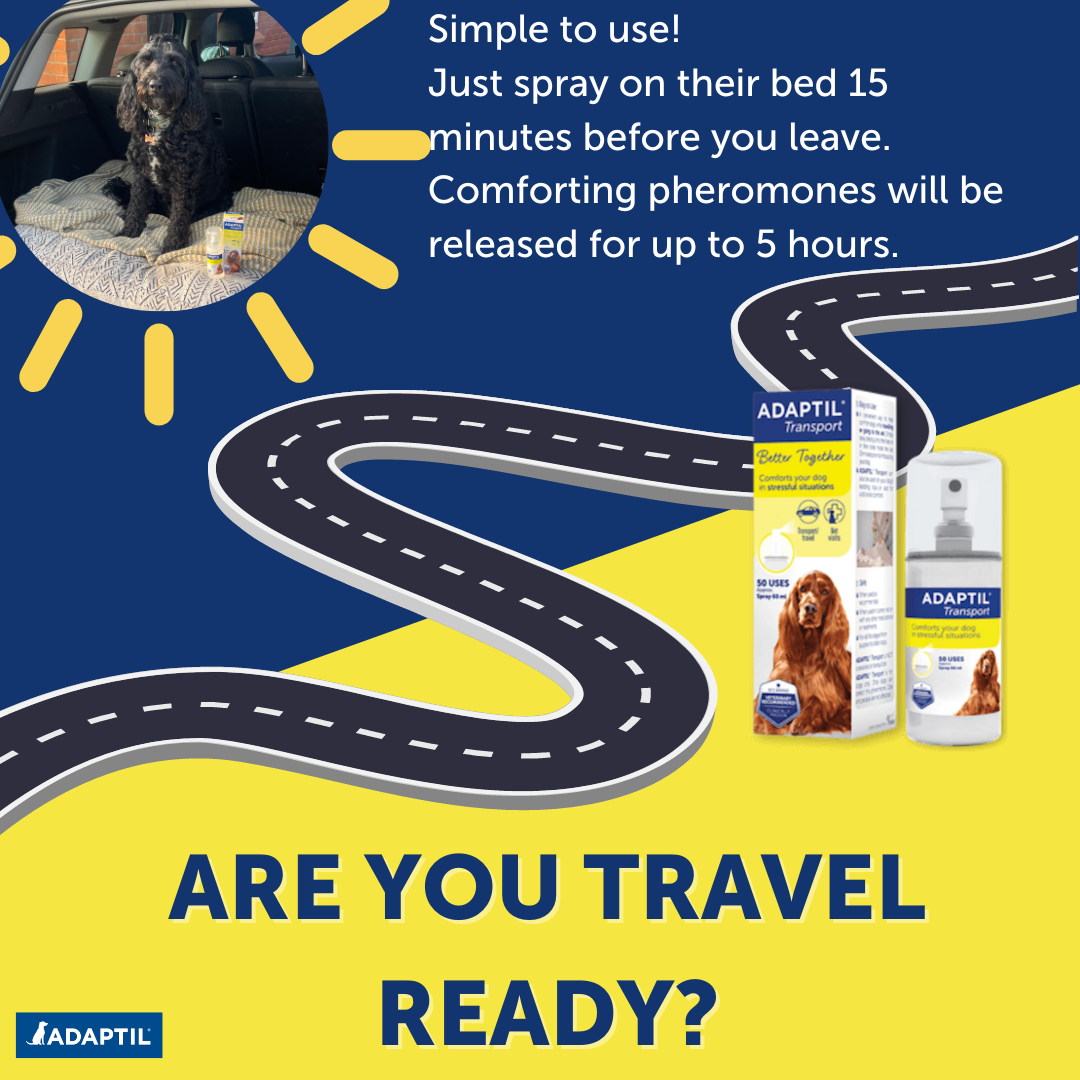
1. ADAPTIL Transport is clinically proven to help your dog cope when travelling:

Studies have shown:

· 85% reduction of shaking.

· 71% reduction of panting*.

Easy to use:

· Spray in the car or on your dog’s blanket/bedding just 15 minutes before your dog gets in. They will then receive up to 5 hours of comforting pheromones.

2. You need to build up your dog

You need to start small. Start with a stationary car and reward them for relaxed body language. When you feel they are comfortable, progress to having the engine one and when happy with this stage progress to taking short drives.

3. Safety tips

· Make sure your dog is properly restrained for their (and your) safety.

· Options include a seatbelt harness, dog carrier, crate or dog guard.

· Introduce your dog to the appropriate restraint so they have positive associations with it beforehand.

4. Travel tips

· Stop for exercise and toilet breaks every 2 hours.

· Bring water for your dog with you.

· Keep the car well ventilated.

· Don’t leave your dog unattended in the car.

5. Sign that your dog is uncomfortable or anxious

Dogs have super sensitive hearing and can hear noises earlier and much more acutely than humans. If they have not yet acclimated to the sound of car horns, or cars passing by on rainy days, these sudden noises could make them nervous and, therefore, show signs of being uncomfortable or anxious when you take them outside.

If your dog seems restless when they are around cars and they start panting, trembling, salivating or even vomiting, you need to take action to allay their fears.

Helping them to get used to cars may take some time, but with patience, gentle training and support, you’ll soon be travelling around.


6. Other tips for travelling with your dog

As well as using ADAPTIL Transport to support your pooch, these tips should help you travel safely and calmly!

· Train them to use and be comfortable in a carrier, or wearing a car harness before you start using them in the car.

· Before the journey, help your dog get used to being around the car. Let them sniff and explore the car when it is stationary; show them their ‘space’ in the car, whether it’s a crate, or where they will be restrained with a harness; put some familiar items like their blanket or favourite toy beside them; sit in the car together with the engine running, but don’t drive; after a few times doing this, start taking short trips. Always reward your dog when they are calm with quiet praise during the process.

· Make sure you give yourself enough time before the journey to go at your dog’s pace they may not be ready for a car journey straight away, but need a couple of times just sitting in the car without the engine on to adjust.

· Associate their first journeys with pleasant things, like going to the park.

· Keep the first journeys short. When on longer journeys, stop at least every couple of hours for exercise and to allow them to go to the toilet.

· Only feed them with a light meal before you travel. This will help limit car sickness if they are prone to it.

· Take plenty of water with you on the journey and make sure they have a drink when you stop for a break.

· Keep the car well ventilated and never leave your dog unattended in the car.

· You can also try playing music in the car that helps calm your dog after all, it’s proven that certain types of music can help put your dog at ease.

· Training your dog from a young age to accept that travelling by car is a normal part of life, will enable them to join you in all sorts of adventures and activities and build their confidence.

Happy travels!

dbvets24

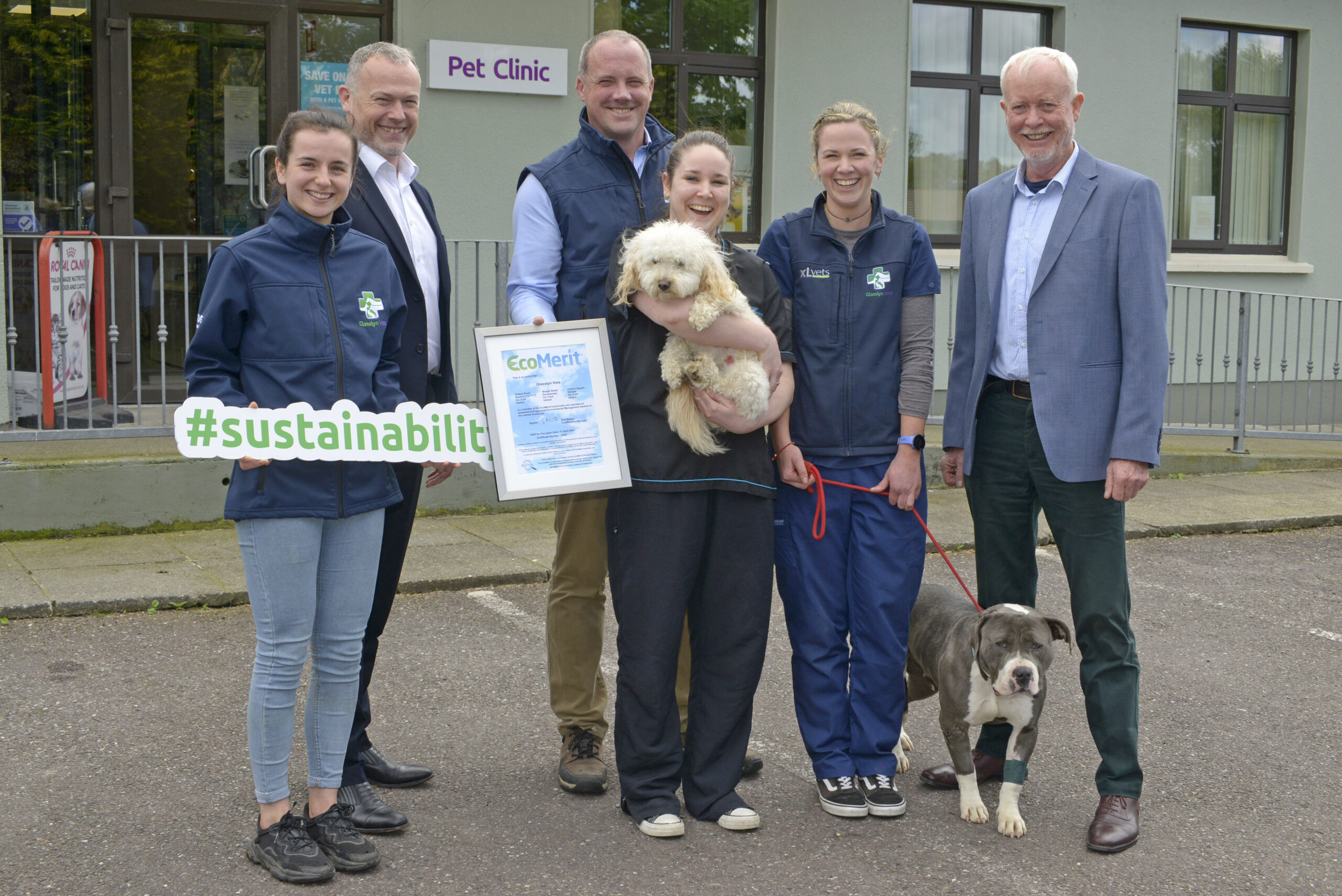
Glasslyn Vets Awarded EcoMerit Environmental Certification

Glasslyn Vets has been awarded the EcoMerit Environmental Certification in recognition of their commitment to ongoing environmental improvement. The award recognises that the company has successfully put in place a programme of energy, waste, and water efficiencies to reduce their environmental footprint.

The Certificate relates to Glasslyn Vets two clinics in Bandon and Kinsale, and to its Carbery Vets clinic in Dunmanway. Glasslyn Vets’ environmental improvement plans include reviewing its procurement procedures to establish to what extent environmental considerations inform purchasing decisions, implementing a waste prevention programme, increasing segregation for reuse and recycling, and investigating ways to conserve water.

On receiving the EcoMerit Certification, Kevin O’ Sullivan, Managing Director, Glasslyn Vets said: “I believe this accreditation is a positive start to Glasslyn Vets’ sustainable journey and we are keen to play our part. We want our business to perform in a sustainable way and show others that it is possible to make changes for the better, which will have a positive impact on the environment. We believe vets play an important role in promoting more sustainable farm practices and Glasslyn Vets will continue to implement changes that demonstrates our commitment to environmental improvement”.

The pace of climate change has picked up significantly in recent years. As a community, Irish veterinary practices are steeped in rural life through agriculture and have a finger on the pulse of everyday life in towns and cities too. This unique position enables vets to recognise the role sustainable thinking and action can play in their businesses in the face of this major challenge.

Mike Curran, CEO of XL Vets added “We are delighted to announce that our XLVets Ireland member, Glasslyn Vets in Cork, are the next veterinary practice in Ireland to have achieved an EcoMerit Certification. Glasslyn business principal Kevin O’ Sullivan, a key leader of our sustainability project, is also Chair of XLVets Ireland. Following on from the XLVets Ireland and XLVets Skillnet (Skillnet Ireland) certification last year, Glasslyn joins us with other sites who complete their certification journey in the coming weeks, with more to follow. An EcoMerit Certification commits us to an annual independent audit every year for five years in order to ensure sustainability targets are met in-house.”

Commenting on Glasslyn Vets accreditation Phil Walker, Managing Director, EcoMerit stated “EcoMerit is delighted that Glasslyn Vets has achieved EcoMerit Certification. In so doing it demonstrates its commitment to sustainable practice and in particular to effective environmental improvement, with external support and verification, combined with measurement and monitoring. With this certification, Glasslyn has now become part of the EcoMerit Sustainable Energy Community, whose members have delivered average emissions reductions of over 60% in a 10-year period. We particularly welcome this as part of the XLVets broader commitment to its sustainability journey and look forward to developing our partnership in this regard.“

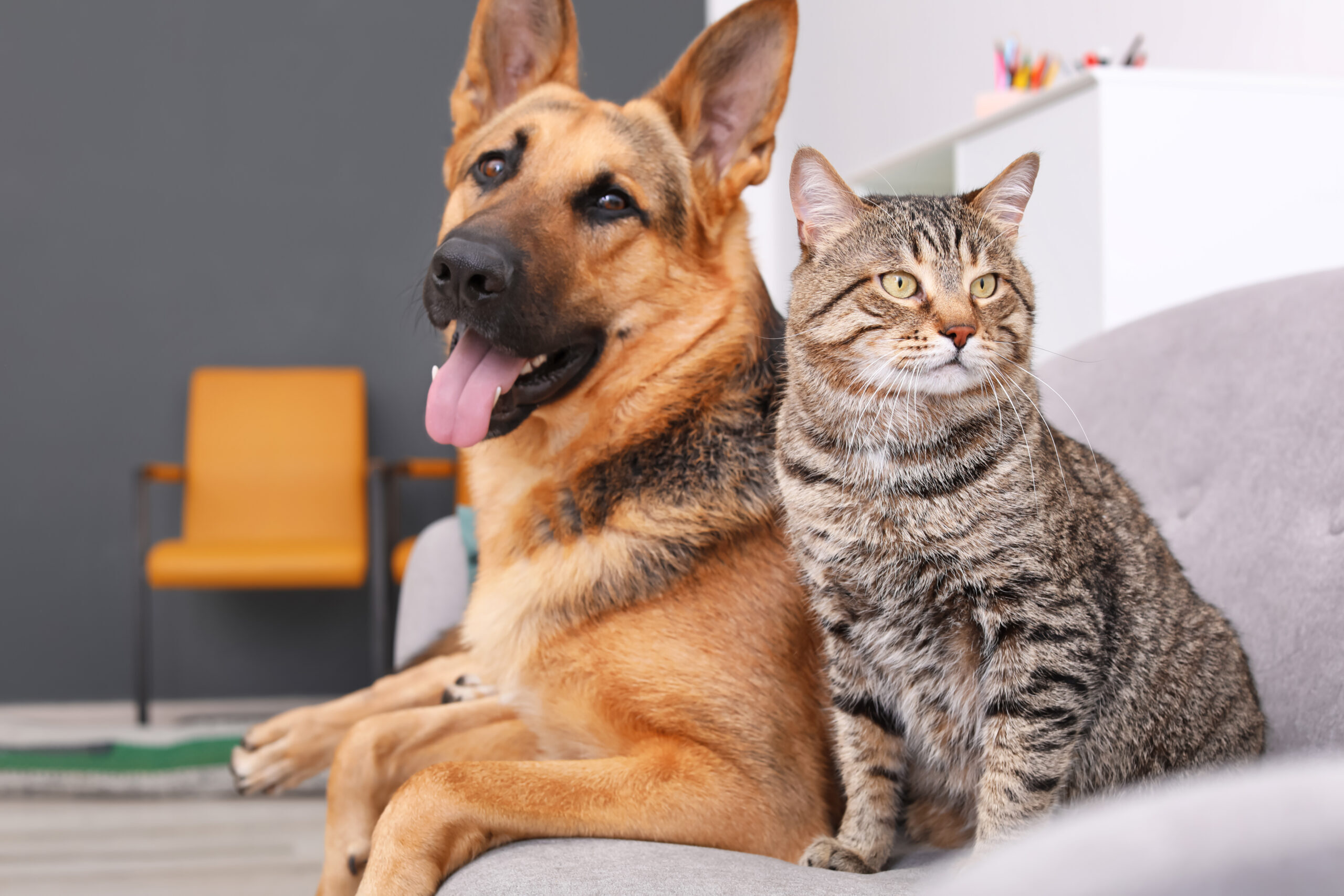
Adorable cat and dog resting together on sofa indoors. Animal fr

How to Identify Diabetes in Cats and Dogs

Diabetes is a problem that can affect both dogs and cats. It is a condition where there is a higher than normal level of glucose (sugar) in the blood and urine. This article will explain how the disease can be identified and what can be done to manage it.

Which animals are most at risk of developing diabetes? 

  • Overweight or obese cats and dogs
  • Animals on long term steroids
  • Entire (unspayed) bitches
  • Elderly dogs and cats

What are the signs?

  1. Increased drinking and increased urination
    This happens because excess glucose is lost from the body into the urine. It takes water with it which causes the animal to drink more and urinate more. 
  1. Weight loss and lack of energy
    Glucose is an important energy source which is lost from the body. Affected dogs and cats tend to lose weight and feel more tired even though they are often hungrier and eat more. 
    1. Collapse
      If diabetes is left untreated, the body will start to use fat as an energy source instead of glucose. This process produces compounds called ketones, which are poisonous. The animal may become very sick and dehydrated and need intensive veterinary care.


How is diabetes diagnosed?

There are a few ways of checking if your pet has diabetes generally a combination of at least two tests plus the appropriate clinical signs will be used to make diagnosis.

Urine Test
This is a quick and easy test to do to see if there is glucose in the urine. If you suspect your pet may be diabetic, bring a fresh urine sample to the surgery to be checked. Use a clean jar or sample pot which can be obtained from the practice.

Blood test

  1. Blood glucose levels
  2. Blood fructosamine levels – Fructosamine is a protein which increases in the blood stream when an animal has uncontrolled diabetes. It is a much more reliable way of checking for diabetes in cats who can sometimes have high blood glucose levels as a result of stress!


Treatment and Management

Insulin injections – Insulin helps reduce the amount of circulating glucose in the bloodstream and is the main factor in controlling diabetes. Injections may be given once or more commonly twice daily depending on your pet’s individual requirements. They are given under the skin usually at the scruff of the neck and are generally very well tolerated by most patients. The vets and nurses will show you how to carry out these injections so that treatment can be maintained at home.

Diet – Use of a diet designed for diabetic patients may help reduce the quantity of insulin required and achieve faster control of the disease. In dogs food must be given at set times during the day however cats will be allowed to graze.

Exercise – Regular exercise is good for diabetic patients but should be carefully controlled to help stabilise insulin requirements.

Correction of underlying factors – Weight management, spaying and reduction of steroid administration may all help improve the condition of a diabetic patient.


What can I expect when my pet starts treatment?

If your pet is very unwell when their diabetes is identified they may need to be hospitalised for a few days for the vet to get the symptoms under control.  It may take some time to fully stabilise a diabetic patient, however improvements in your pet should be seen within a few weeks of starting treatment.  Blood, urine and weight checks will be carried out periodically to monitor your pet’s response to treatment. Occasionally the vet may also carry out something called a ‘glucose curve’ to check your pet’s response to insulin over a 12-24 hour period.

 Low blood sugar (hypoglycaemia)
One potentially dangerous complication that you should be prepared for is “hypoglycaemia”; this is when blood sugar falls too low. This may happen if your pet refuses to eat or too much insulin is given. The early signs include unrest or lack of energy, and weakness or shivering which may progress to fits and unconsciousness.  If you suspect any of these signs try and feed your pet. If they will not eat straight away syringe or rub something sweet into the mouth and call your veterinary surgeon for advice.

The aim of treatment is to control blood glucose levels and restore a good quality of life for both you and your pet. Diabetes can usually be controlled by simple injections, exercise and dietary management. Regular monitoring is essential to maintain good control of all diabetic patients.

If you have any further questions about diabetes please contact one of our team for more advice.

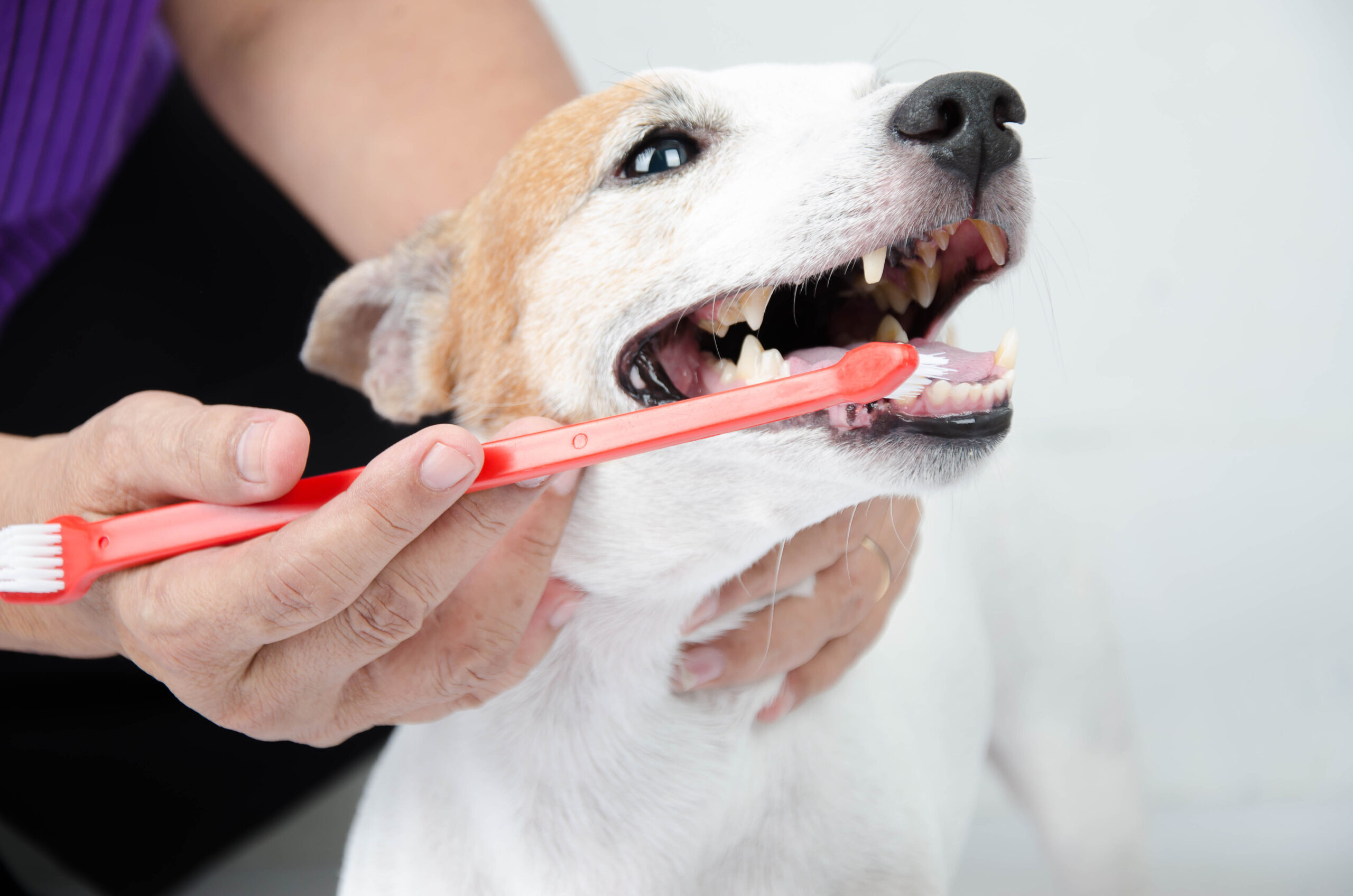
hand brushing dog’s tooth for dental care

Importance of Dental Care for your Pets

Dental disease is one of the most common problems in cats and dogs. It can be the cause of bad of breath, bleeding gums and chronic pain but can also be a source of infection which can spread to other parts of the body including kidneys, liver and the heart.

The early stages of the disease can be reversed by good oral hygiene including tooth brushing (not impossible in cats!), descaling and use of dental diets. For more advanced cases the only successful method of treatment may be to remove the teeth. Although this may seem drastic many cats are a lot happier after this procedure and will eat biscuits very happily!

Why does dental disease happen?

Without regular cleaning, teeth will become coated in a layer of plaque which is a mixture of bacteria and calcium deposits that are present in saliva.  As the plaque accumulates it can lead to painful inflammation of the gums also known as gingivitis. If left undisturbed it will form a layer of calculus or tartar which provides a perfect surface for more plaque accumulation.

Plaque, tartar and gum disease can be treated relatively easily, however if left unchecked may lead to loosening of teeth in their sockets (periodontal disease) and in some circumstances tooth root abscesses. These problems will generally require removal of the affected tooth as part of the treatment.  Broken teeth generally occur due to trauma and cats may also get tiny holes in their teeth which can be extremely painful.

How do I know if my pet has dental disease?

  • Red, swollen or bleeding gums
  • Pus around the gum lines
  • Bad breath
  • Dribbling (which can lead to fur staining)
  • Rubbing or pawing at the mouth
  • Difficulty eating
  • Pet will not allow mouth examination due to pain or discomfort

Remember: Pain is not always obvious in cats and dogs but it doesn’t mean it isn’t present

What does dental treatment consist of?

In most cases if your vet advises you that your pet needs dental treatment, this will involve a general anaesthetic. Removal of tartar and plaque from teeth generally requires the use of high speed air driven descaling equipment. The majority of our pets will not tolerate this when they are conscious, neither will they allow drilling or tooth removal!

A general anaesthetic means that the vet can have good access to the teeth and gums whilst protecting the pet’s airway from debris and fluid as the teeth are cleaned. The teeth will be descaled to remove the tartar and reveal any damaged or loose teeth that may need to be taken out. Finally they will be polished before the animal is woken up.

Dental disease in cats

Gingivostomatitis (inflammation of the gums) is a common disease in cats. It is a very painful condition and can result in severe changes within the mouth. Bad breath and weight loss are two common signs but unfortunately mean that the disease may be quite advanced by the time this is noticed. Red marks on the gums are a sign of gum disease.

FORLS (Resorptive Lesions) – These are very painful small holes that appear in the teeth of some cats. It is not clear why they occur but teeth will always need attention if they are present.

How to brush your pet’s teeth

Step 1

Introduce your pet to the taste of special animal toothpaste by allowing them to lick it off your finger. Make this an enjoyable experience and give them plenty of praise. Do this for 3-5 days.

Step 2

Use your finger to gently rub some toothpaste onto the outside surfaces of the teeth and gums. Start with the canines and gradually work your way to the back teeth. After a few days you can also start to introduce a finger brush to get your pet used to having an unusual object in their mouths.

Step 3

Use your finger to gently rub some toothpaste onto the outside surfaces of the teeth and gums. Start with the canines and gradually work your way to the back teeth. After a few days you can also start to introduce a finger brush to get your pet used to having an unusual object in their mouth

Now you can introduce a pet toothbrush. Brush each tooth in a circular motion with the brush angled at 45 degrees (downwards for the lower jaw and upwards for the upper jaw). Make sure you brush both the tooth and gum line.


It is very important to pay close attention to the health of your pet’s teeth and gums. If dental disease is overlooked or left untreated your pet may experience significant pain and discomfort. There are many ways to keep teeth clean. These include tooth brushing, dental diets and mouth washes to name a few.

Please contact our team if you would like to arrange a dental check for your pet, or for any further information on home dental care.  We are offering free dental check ups with a 10% discount on dental cleanings throughout the month of May.

alena

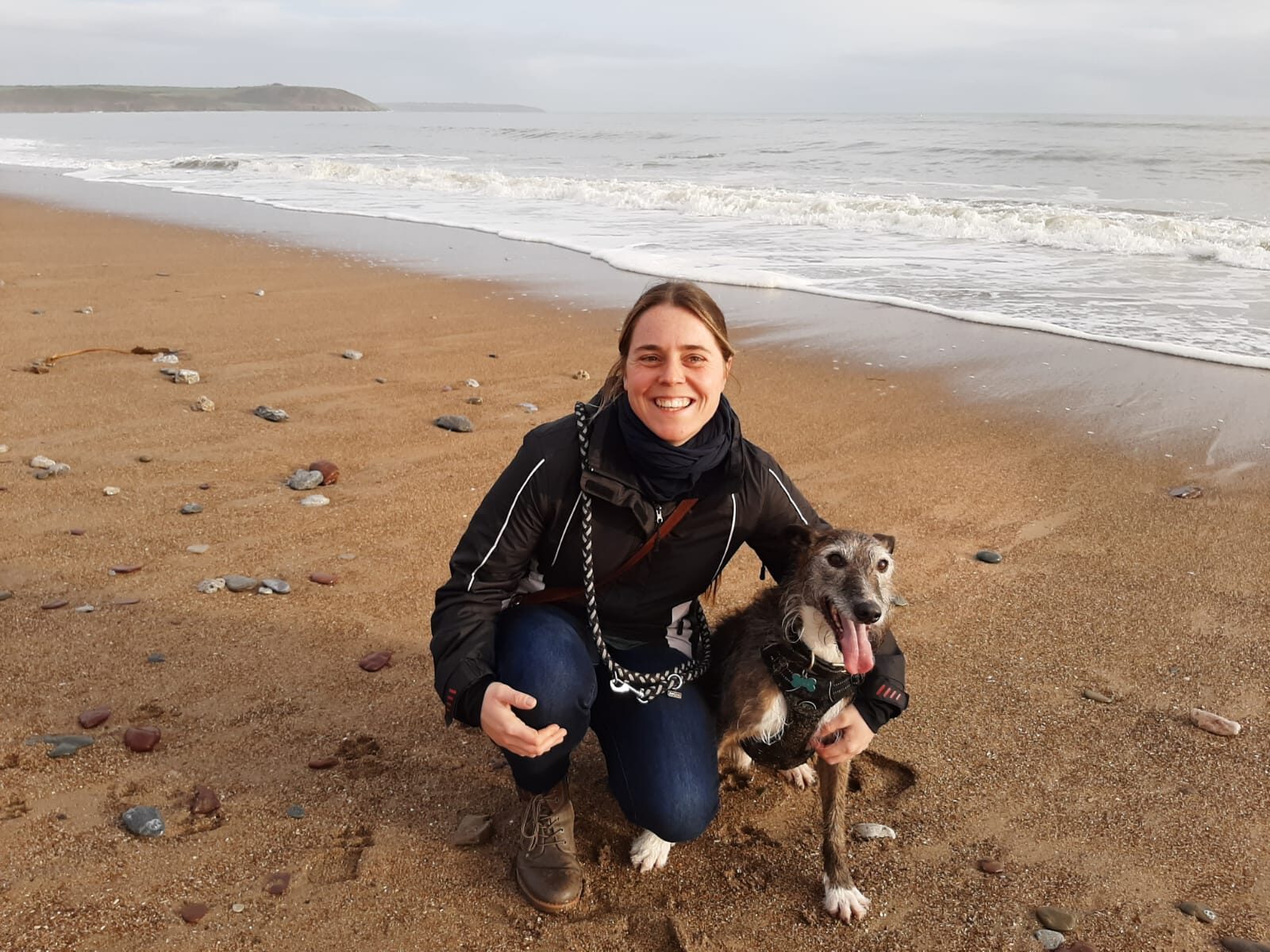
Alena from Alena’s PAWsitive Dog School Interview

What to do when a dog growls at you when he is eating or on the sofa?

Any form of aggression should be discussed with a professional. There are always different reasons for this behaviour, however it is a good start not to let them have access to the sofa or bed if they start guarding those spaces! Normally, I have no problem with people and dogs sharing this space (both my dogs sleep on the bed), BUT when they start guarding that — it’s a big no no!

Resource guarding with food is a different problem and can have multiple reasons. The most important advice I give here is to NEVER take food away from your dog (unless extremely harmful) as this can cause them to feel a need to guard it.


What to do with an anxious dog who can’t be left alone?

This is an issue that can have different reasons as well. The key is to leave your dog for very short periods of time starting with about 30 seconds and working up from that. It’s best to start teaching your dog from an early age that it is ok to be alone.

Leaving them with something to do can also be helpful chewing relieves stress so a stuffed Kong, BECO Bone or similar can be very helpful, but please be careful to not leave your dog with a toy they might destroy so it can become potentially harmful.

Not allowing your pup to follow you into every room (especially the bathroom) teaches them to be less dependent.

If you are concerned, getting advice from a professional can be very helpful for you and your dog.


How to handle your reactive dog on the lead, would they ever be able to be off lead walking around others?

Yes — with a lot of work and effort on the owners part. A reactive dog can be able to be walked off leach and some will find friends to play with as well.

This is the one thing, where I will shout “Get a trainer to help”, simply because it’s too complicated to explain here. Until you get help, find yourself quiet spots with little to no off leash dogs. Advocate for your dog, when another dog or human approaches. Try to walk away if necessary, in case you see problems while they are walking towards you. I own a reactive dog myself and know how hard this journey is. This is also why I became a trainer. If there are people reading this owning happy off leash dogs — please help us out and put them on leads. While your dogs don’t mean any harm, their happy energy can frighten dogs that have had bad experiences.


What is you most and least favourite breed to work with?

Oh — I can’t pick a favourite. I like having loads of different breeds and different personalities in training, since they all have different needs and motivators that challenge me. My least favourite are probably breeds made popular through films, not because of the breed, but rather the expectations owners have thanks to films and media. They don’t realise how much work goes into training a dog. Once owners are aware of that, I love working with those breeds as well.


Best potty training tips for puppies?

Make a schedule! A really simple excel sheet that helps you to remember to bring your pup out every 1 to 2 hours. This is especially important if several people share the responsibility. Also bring them out after every meal time, every nap and every play session.

Crate training will also be a life saver in trying to get your pup potty trained.


What is the biggest mistake you see with owners and training puppies?

Taking too long to start training. Start the second you come home with your puppy. Focus on the most important house rules: on the couch or not, upstairs or not, etc. Start like you want to continue. If you don’t want your 40kg dog to jump up on your white dress don’t allow your cute little puppy to jump up! What they learn at the start is what they will know for the rest of their life. Also waiting too long to get help. It’s much easier to help with a behaviour that just developed than one that the dog is showing for a year.


What are your views on crate training?

LOVE IT! It’s an absolute life saver when raising a puppy. We can’t always have our eyes everywhere when raising a puppy so giving ourselves and our puppies some quiet time makes a huge difference. Dogs living feral would sleep in dens. Simulating one by putting up a crate and making it super cosy, can help your pup to settle. What our puppies don’t learn to do (doing business in the house, eating sofas, shoes, etc…) they are less likely to learn as an adult.


What is best for walking big dogs: haltis, collars or harness, slip lead?

No piece of equipment you buy in a shop will stop your dog from pulling. Some of them might just make it uncomfortable and lure you in a false sense of security.

I love a front clip harness combined with a double clip lead —  not just for big dogs but every dog that pulls. The reason is that it gives me a huge amount of control even when the dog is quite big. My favourite client where this worked is about 50kg herself and she owns a 60kg Mastiff. Her dog used to be very afraid and often tried to run away when he saw cars or leaves. Once I know, I have that control and I’m not hurting my dog, I can start the training process.


Which celebrity dog trainer training style do you agree with the most? Cesar Millan, Victoria Stillwell, Jas Leverette?

Most definitely Victoria Stillwell! Her work is based on a scientific understanding of dogs. She explains well and uses easy to follow methods.

Jas Leverette uses good training methods as well, but they are sometimes not very practical. Also he likes the use of additional equipment that can be hard to set up in certain situations. What I don’t agree with is taking the dog away from the owner for the majority of the initial training process. This way it can be hard for owners to follow through later on.

Cesar Milan  —  I have very strong negative feelings about this training style. He does not have formal qualifications and completely disregards the dogs way of thinking, communicating, learning and just continues to bully them until they give up. I could go on and on about this but won’t for this Q&A.


About Alena:

Alena grew up in Germany and have loved dogs ever since she can remember. While never allowed her own dog — She grew up around her mum’s friends breeding business (Dalmatians).

She has always been interested in the way dogs think and learn and from about 10 years old started following a dog trainer that became very popular through his tv show.

When she came to Ireland and started to volunteer in a shelter, she could finally use some of the advice she heard on the program to help find more of the dogs a loving home.

This is where she met her first dog Jack who quickly showed her that she knew very little! So she began to study everything she could find about canine behaviour to help him work through some of the trauma he experienced before meeting her.

He passion is to help more dogs and people in similar situations, but also to teach puppy owners how to give them the best start in life.


Your can contact Alena via the below:

Contact:

0894848209

[email protected]

alenasdogschool.com

through Facebook and Instagram Alena’s PAWsitive Dog School

Bandon Contact Details
📞 023 8841404
📍 Station Road,
Bandon,
Co. Cork.
Ireland.
P72 FY72
Muskerry Vets
📞 02641055
📍 Sawmill Yard, Macroom,
Co. Cork,
Ireland.
P12EY80

Kinsale Contact Details
📞 021 4772277
📍 1 Church Square,
Kinsale,
Co. Cork.
Ireland.
P17 W281
Carbery Vets
📞 023 8845206
📍 Bridge street
Dunmanway
Co Cork
Ireland
P47FN36