No products in the cart.

Category: General Health

pexels-couleur-2674485

Calf Summer Scour Syndrome

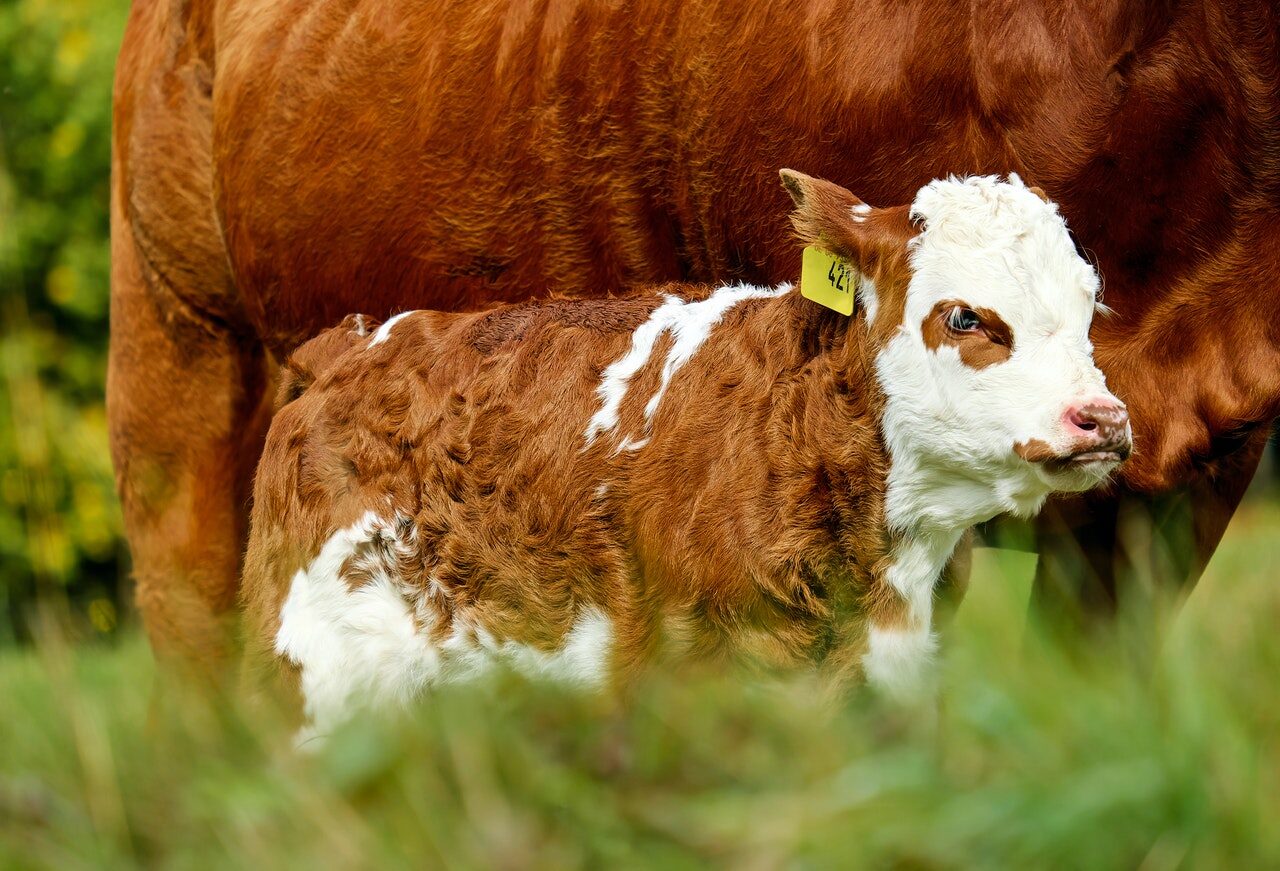
We visited some farms in the last number of years to examine calves that were near weaning or weaned but were scouring and losing weight. These calves were suffering from ‘’Summer Scour syndrome’’ or ‘’calf to grass syndrome’’. These calves had to be taken off grass and put back on milk and a fibre source.

Summer scour in calves is a relatively new phenomenon, where calves start to scour profusely, become dehydrated and lose weight rapidly a few weeks after turnout to grass. Calves are selective grazers which means they only eat the tip of the grass plant, this tip is full of
sugar and nitrogen while being low in fibre.

It is more commonly seen in calves turned out to have excellent quality nitrogen (N)-rich grass. It is believed that an excessive intake of N (calves tend to browse from the top of the leaf, where non-protein N is concentrated) leads to ammonia toxicity and the resulting scouring and wasting in the calves. Those fed on older, more fibrous grass rarely suffer from the condition.

  • NOW is the time to prevent this from happening this year, feeding a product like Rumenito or Equaliser 365 pellet with your calf ration daily, can aid in the prevention of summer scour syndrome.
  • Feeding a source of fibre at grass can also help in preventing acidosis and summer scour syndrome.
  • This can also be complicated by Coccidiosis which can be easily diagnosed by taking a Faecal sample.
pexels-pixabay-33550

Managing Calf Scour

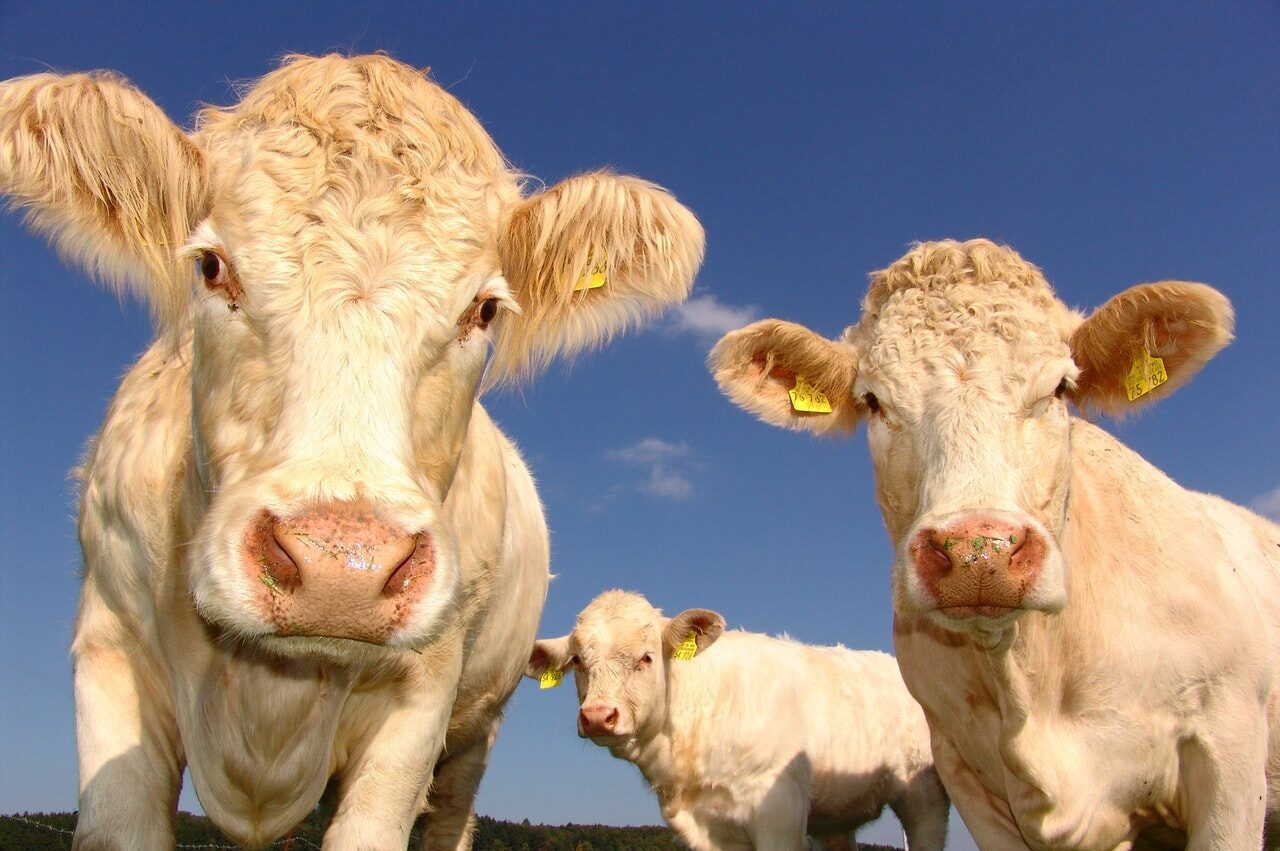
Scour is one of the main contributors to calf mortality in Ireland. It results from a badly damaged gut, leading to a loss of function of the intestines, which leads to watery faeces. Damage to the intestines results in nutrients not being absorbed properly.

There are a number of infectious agents that cause scour:

  • Parasites:
    • Cryptosporidium
    • Coccidia
  • Viruses:
    • Rotavirus
    • Coronavirus
  • Bacteria:
    • Salmonella
    • Coli

The most common causes of scour are rotavirus, cryptosporidium and coccidia. Coronavirus and salmonella are fewer common causes and E. coli is rare.  Coccidia generally causes scour in calves older than 3 weeks.   E.coli can cause scour in calves less than 5 days old.  It is important to note that cryptosporidium is a zoonotic disease, which means that it can be readily transferred from animals to humans.

Treating a calf with scour

 The most important principles of treating calf scour are:

  • Oral rehydration
  • Isolation of the calf from the others
  • Continue to feed milk

Oral rehydration

This is the single most important aspect of treating a scouring calf. A large volume of salts and fluids are lost due to the scouring, so these need to be replaced regularly. An extra 1 to 2 feeds of electrolytes a day is necessary while the calf is scouring e.g. milk in morning, electrolytes at lunchtime, milk in the evening and electrolytes at night. If the calf is not drinking then electrolytes can be stomach tubed effectively. Effervescent electrolyte tablets containing bicarbonate are especially good for the calves that are not drinking. These will help correct the acidosis/depression of the calf that occurs. Sachet or dietetic electrolytes are sufficient to be used for calves that are drinking some volume of milk and are not overly depressed.

Removal of the calf from the group of calves

Scour is contagious so by isolating the sick calf it helps prevent the spread of infection to the other animals in the group. It also helps the sick calf to recover better.

Continue to feed milk

Despite some common myths, continuing to feed milk/good quality milk replacer does not worsen or prolong scour. In contrast, it will continue to provide some nutrition to the calf and will help with the healing of the intestines. It is not recommended to tube milk to calves with scour if they are not drinking as it will cause a build-up of acids in the stomach and damage the wall of the rumen. It will cause the calf to become more acidotic and depressed. By withholding milk from the calf it will only cause starvation and will prevent a quicker recovery.

It is also important to find out the pathogen causing the scour. By bringing a sample to the clinic, we can determine in the lab what the cause of the scour is and therefore target treatments more accurately. Knowing the exact cause allows proper decisions to be made regarding treatment and prevention.

Probiotics are a dietary supplement that are useful to help with the repair of the intestines as well as revitalisation of the good bacteria in the gut. Long term use of these will help stabilise the calf’s gut.

Prevention of calf scour

A good start to a calf’s life is essential.

  • Good quality colostrum fed to the calf is key. The quality of colostrum can be assessed with a refractometer.
  • If poor quality colostrum is fed, it leads to a failure of passive transfer of antibodies which in turn increases the risk of the calf getting sick with scour or pneumonia etc.
  • Use the 1,2,3 rule: ‘Cow’s first milk, fed within the first two hours of birth, minimum volume of 3 litres’.

The calf’s environment is also key to prevention.

  • They need to be kept in a clean, warm and dry bed at all times.
  • Wet bedding and poor drainage aid with the spreading of disease. You should be able to kneel down in the calf’s bed and it should not be wet, cold or hard. If you find it uncomfortable, then it is not suitable for the calf.
  • Cleaning & disinfection of the feeding equipment used is also. This is especially important if there is an outbreak of scour to prevent transfer of the disease from one pen to another.
  • Avoid overcrowding of pens as well as mixing of ages of calves.
  • Placing footbaths with disinfectant outside every calf house and making sure that everyone’s boots are dipped both going in and out of the house to prevent spread.
  • Isolation pens for sick calves to help spread from calf to calf. It is important to identify the problem quickly and isolate the affected animal as soon as possible.

Vaccination of the cows 3-12 weeks prior to calving will provide increased protection against calf scour.

  • The vaccine is effective against rotavirus, coronavirus and E.coli.
  • Note that it is important to have good colostrum management here as well because the antibodies are passed to the calves via the colostrum. The antibodies in the colostrum reduce the incidence & severity of the scour.

Risk factors for calf scour

  • Dirty, wet environment
  • Poor drainage in the calf house
  • Stressed calves
  • Poor colostrum management leading to poor passive transfer of antibodies
  • Calves of different ages being mixed
  • Lack of isolation of sick calves

Economic significance

If calves get scour in their early life it can set them back significantly and therefore there is delayed growth of the animals. Looking after and caring for a sick calf or calves takes a lot of time, which is of the utmost importance especially during the springtime. Costs of medication to treat the animals, as well as losses due to mortality, can be high.

Antibiotics & their use in scour treatment

The most common causes of scour are parasites and viruses. Antibiotics do not work against these. They only work against bacteria. Therefore, it doesn’t make any sense to treat a calf with antibiotics just because they are scouring. This is why testing the scour sample is essential to the overall management of scouring calves. By using antibiotics ‘because that was what was left over in the yard at home’, is only contributing to antibiotic resistance and isn’t a wise use of funds either.

Only scouring calves that are very sick or have a high temperature should be given antibiotics. Calves that are very sick have a weakened immune system and therefore can get a secondary bacterial infection so this is when antibiotics should be used correctly. It is important to get advice from your vet regarding the use of antibiotics with scouring calves.

In summary

  • Plenty of electrolytes & fluids are essential in the treatment of scour
  • Prevention & hygiene are of utmost importance & of key significance reducing costs due to treatments and losses
  • Antibiotics are not essential in treating scour in most cases
  • Continue to feed milk to help speed up the recovery process– do not starve the calves!

For additional information contact our large animal team on 023 8847404.

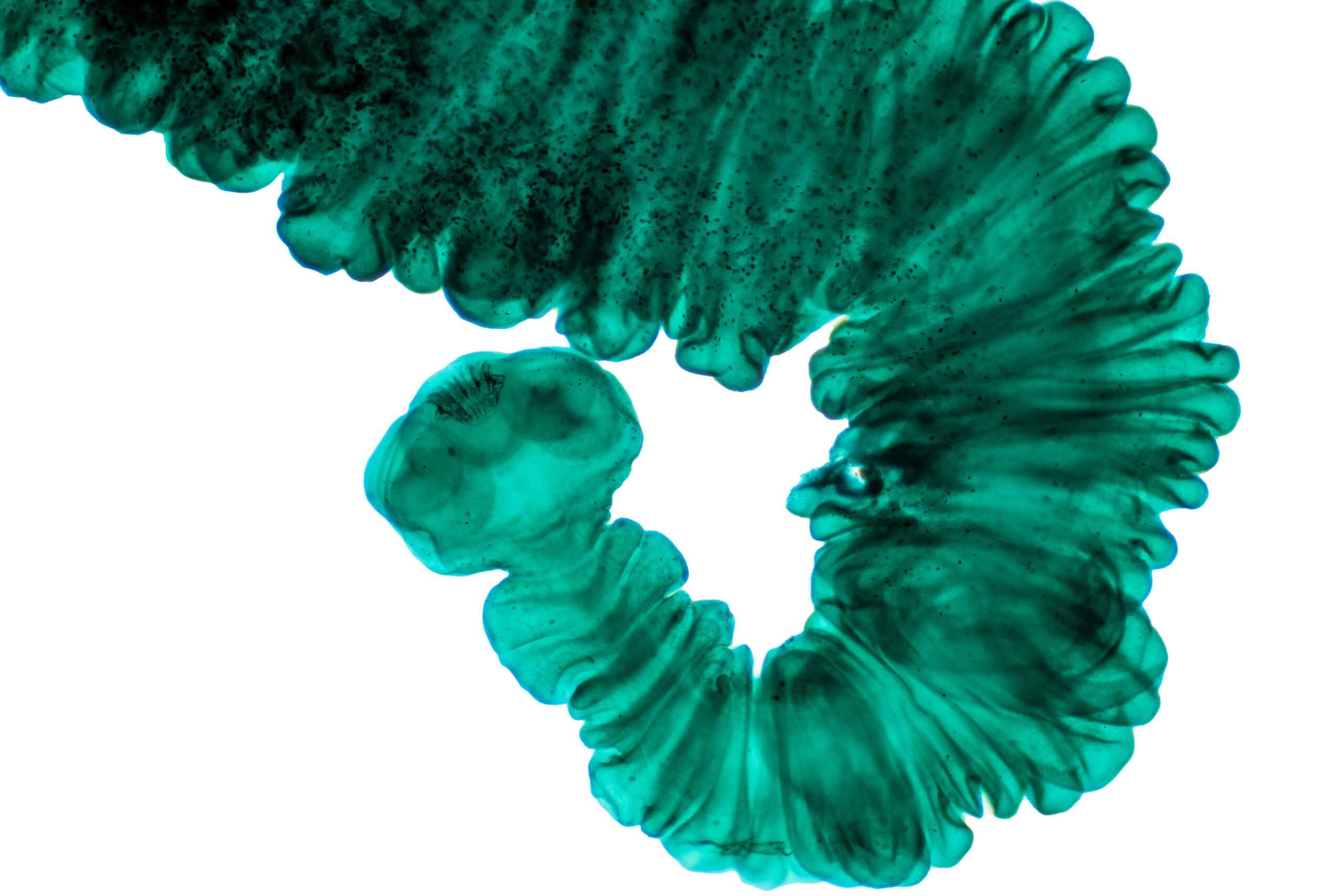
Fasciola hepatica, or liver fluke (low res)

Combatting worm burdens and free parasite control consultancy

As of the 1st of June 2022, worming products and other anti-parasitic drugs will no longer be readily available for farmers to purchase over the counter without a prescription.

Why are these implications coming in?

These measures have been introduced as a result of the overuse of worming products throughout the year. Antiparasitic resistance is an increasing concern in livestock farming. Resistance is present when a medicine does not kill the target parasites as expected. Although it may kill some of the parasites it may not kill all of them. Resistance is when less than 95% of susceptible worms are killed therefore allowing the leftover worms to modify their genetics to build resistance.

Every time animals are treated with an antiparasitic product there is a risk of resistance forming. Therefore alternative methods (herd or flock health plans, grazing management) of controlling worms in livestock that do not rely on dosing should be considered. Multiple factors contribute to the increased risk of resistance and parasite control planning should try to address these where possible.

How can we help our farmers combat worm burdens in livestock for the year ahead?

Animal Health Ireland have put in place a consultancy service between veterinary practitioners and their clients as part of the Targeted Advisory Service on Animal Health (TASAH). This is a free and voluntary programme supported as part of the Rural Development Plan 2014-2020, co-funded by the Irish government and the EU. The purpose of the parasite control TASAH is to facilitate discussions and planning between farmers and their veterinarians on the best practices around parasite control with the long term view of minimising the further development of antiparasitic resistance.

The TASAH will fund a veterinary farm visit and two faecal egg counts. The Parasitic Control TASAH Consult is open to all cattle and sheep farmers in Ireland. Herd or flock owners must nominate a trained, participating veterinary practitioner to undertake the farm visit.

If you are a herd or flock owner and would like to register for a Parasite Control TASAH, please click here.  For additional information contact our Large Animal team on 023 8847404.

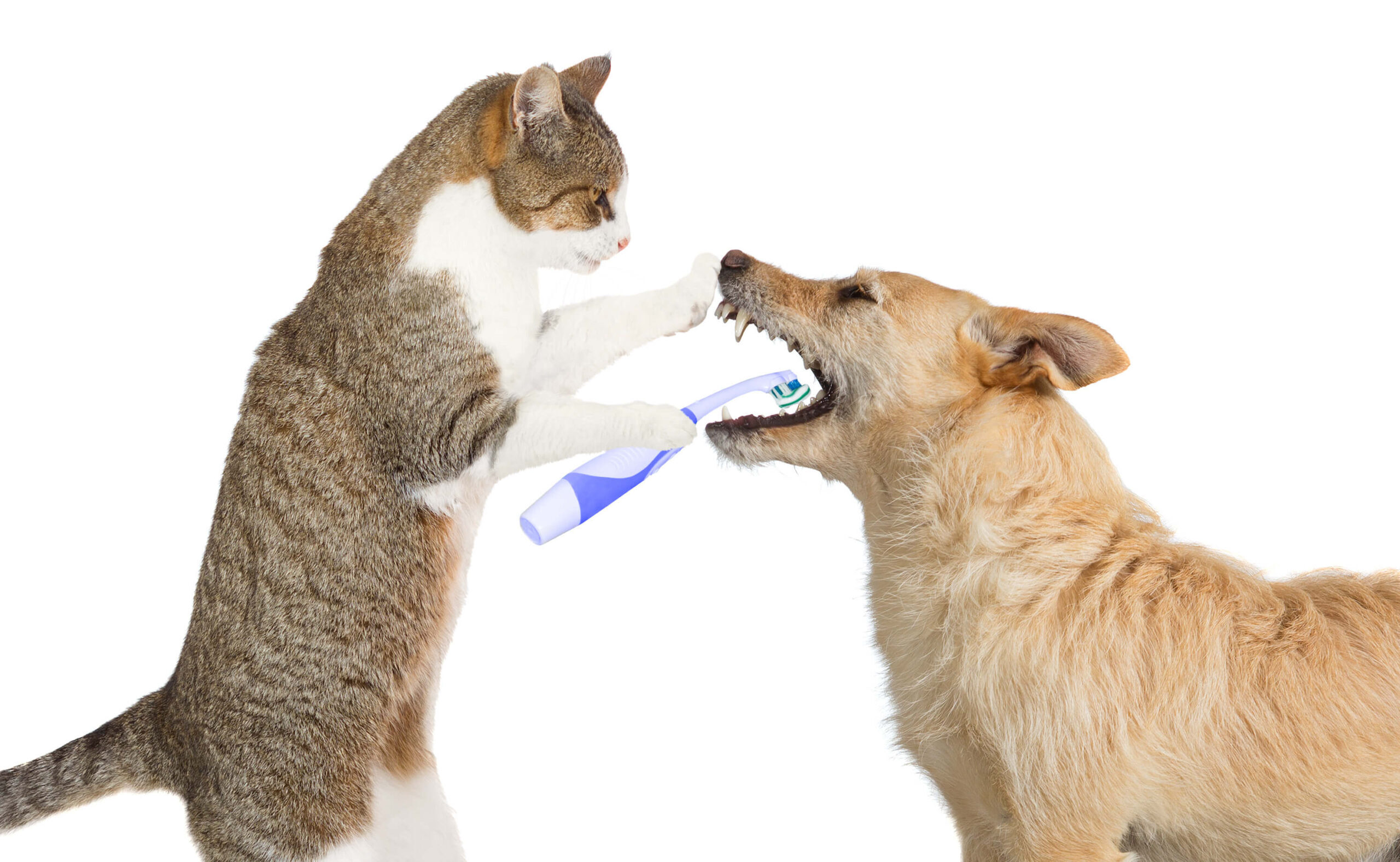
Cute cat cleaning dogs teeth low res

Importance of Pet Dental Health

Looking after the dental health of your pet is very important.  By the young age of three most dogs and cats have some degree of dental disease. Unfortunately, this is not noticed by many pet owners until later in their lives as pets tend to hide signs of discomfort a little bit better than we do. It is usually not until owners notice that their furry friend has smelly breath which is a common sign of dental disease.

What are the other signs of dental disease?

Some signs of dental disease can be more subtle than others, but they are still important to identify.

  • Plaque and Tartar build-up

Plaque is a film on the teeth that is composed of bacteria; when this accumulates, it can harden into tartar.

  • Red, swollen or bleeding gums
  • Difficulty eating or chewing
  • Loss of appetite
  • Weight loss
  • Pain

If your pet is reluctant to let you touch their mouth, outside or inside, they may be experiencing pain. Pain occurs when tartar and food are trapped below the gum line.

Importance of regular examinations

We recommend regular examinations by a veterinary surgeon or nurse to determine if your pet needs teeth cleaning or something more invasive like a dental extraction. A routine dental cleaning involves scaling and polishing of the teeth but if an extraction is needed the vet will discuss this procedure with owners prior to doing so. We also offer dental x-ray which is important to determine the health of the roots of the teeth and surrounding bone.

Although this may prove to be difficult, we would highly recommend regular teeth brushing for your pet. We offer a variety of toothbrushes, toothpaste and water additives specifically designed for pets (not human toothpaste!). Pets who have 100% wet food diets are particularly vulnerable, so we recommended appropriate dry food and dental chews which helps to crack off some plaque buildup.

Thanks to Laura Creedon, Veterinary Nurse, for her insights into this area.

Pet insurance

Should I get pet insurance?

Most definitely! If your dog or cat gets injured or sick, pet insurance will protect you from unexpected bills that you had not budgeted for. It can make diagnostic and treatment decisions easier for you and your veterinary surgeon, and it will ensure the best possible outcome for your pet.

In general, most policies will cover veterinary fees up to around €2,000 for an injury only plan and between €3,000 – €4,000 for an injury and illness plan. The other benefits included will depend on the level of cover you choose.  Injury and illness treatments will usually include surgery, prescription drugs and tests.

Policies may also cover some of the costs associated with the search for a missing or stolen pet, such as the cost of putting up posters or offering a reward.  Third party liability for dogs usually comes as standard and means that any damage or injury caused by your dog is covered up to €250,000.

Preventative and routine treatments such as vaccinations, worming and de-fleaing, neutering and dental procedures won’t be covered with pet insurance, but these can be subsidised by Glasslyn Vets Health Plan. In addition, if your pet is over 7 years old, you also need to cover 35% of each condition.

You will also need to bear in mind that you pay the vet directly first and claim the fee back from your insurance afterwards.

While there may be some procedures that are not covered by pet insurance, you should look at pet insurance as a peace of mind.  Most claims are either for long term conditions, such as skin conditions or diabetes, and the drugs used are covered – unlike with human insurance. Geriatric animals can often present with several conditions – so even though you might still have to pay 35% plus the excess towards a bill, it is worth having pet insurance.  When pets get older, multiple conditions can add up quickly.

Every pet owner will be hoping their four-legged friend will never need major surgery or treatment – but nobody knows what is around the corner.  Contact us today to learn more about pet insurance.

Thanks to Denise Philpott, Veterinary Surgeon, for explaining the benefits of pet insurance.

Bandon Contact Details
📞 023 8841404
📍 Station Road,
Bandon,
Co. Cork.
Ireland.
P72 FY72
Muskerry Vets
📞 02641055
📍 Sawmill Yard, Macroom,
Co. Cork,
Ireland.
P12EY80

Kinsale Contact Details
📞 021 4772277
📍 1 Church Square,
Kinsale,
Co. Cork.
Ireland.
P17 W281
Carbery Vets
📞 023 8845206
📍 Bridge street
Dunmanway
Co Cork
Ireland
P47FN36