
 Alexa Du Plessis
2025 Synchronisation Package for Dairy Farmers



2 Farm talks being hosted by us and Zoetis on how to Improve In-Calf Rates on Farms.
See you there!
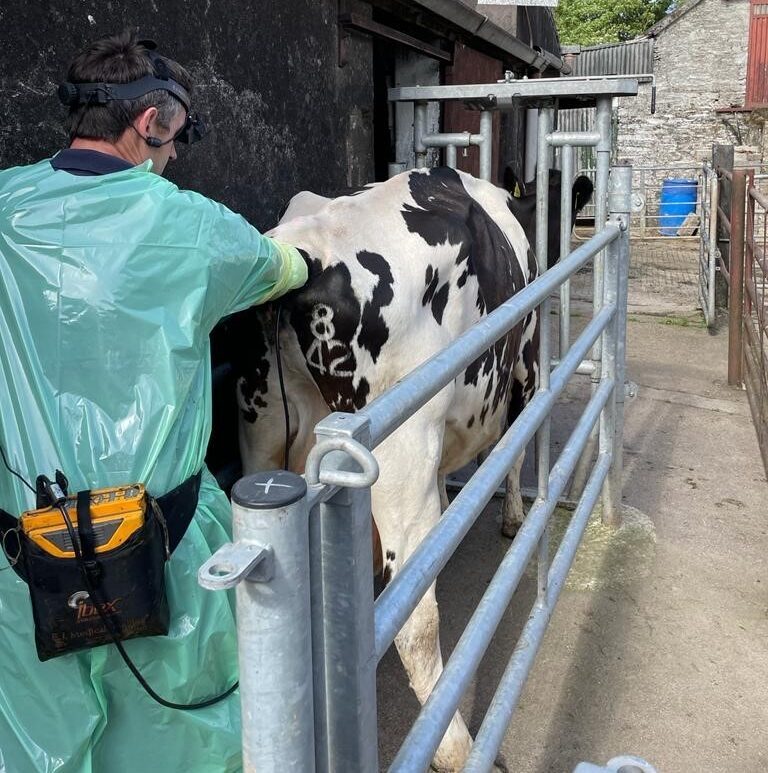
Early pregnancy test results give you more detailed information for your herd reproduction reports, so you can accurately assess your herd’s reproduction performance. Herd reproduction reports need a high percentage of cows to have an early aged results. To get early aged pregnancy test results, cows must be scanned between 35 and 122 days of pregnancy (5 to 17 weeks).
Depending on your mating length, you may need to do more than one round of pregnancy testing to get early aged results for your whole herd.
1st scan (12 to 14 weeks after mating start date) to ensure that cows that got pregnant in the first 6 weeks of mating will have early aged results.
2nd scan (at least 42 days after the end of mating) to age cows that got pregnant in the later part of mating.
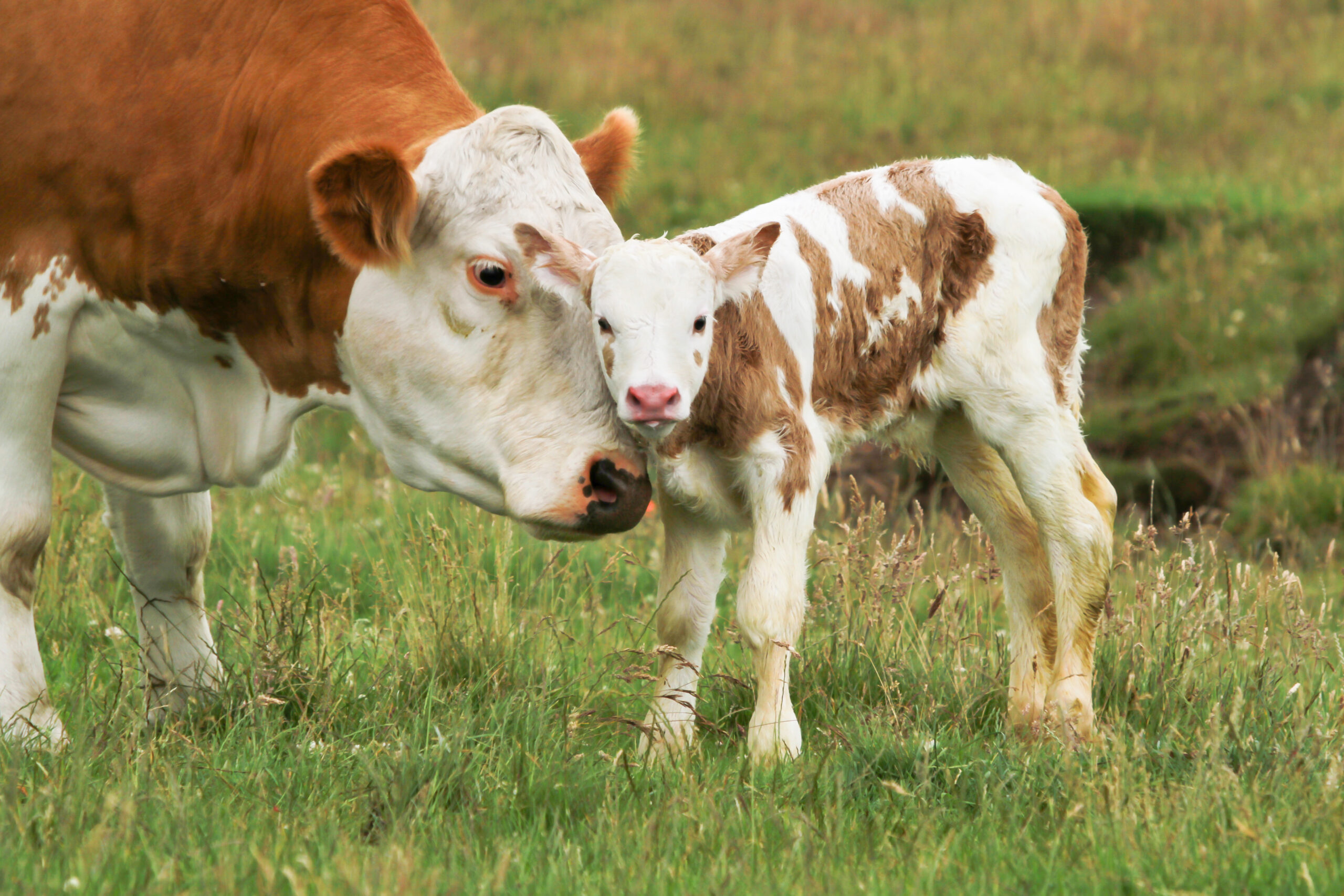
If you are going to start AI on May 1 then April is the month for preparation.
In simple terms Pregnancy rate is Submission rate x Conception rate.
In Irish terms submission rate is the amount of cows that are available for service (calved >42 days) that have been bulled in the first 3weeks of breeding. The target is 90% in a seasonal herd. The target for conception to 1st and 2nd service is about 65%. So if you have 100 cows and you have a submission rate of 90% then 90 cows should be bulled in first 3 weeks. If 65% of them hold then this leaves about 41 cows left to breed (that were eligible to breed in first 3 weeks.)
Second service will get another 27 cows (65%). This gives you in total 86cows in calf in 6 weeks.
So in short you can make up for a poorer conception rate with a good submission rate. While conception rate is affected by disease/health and energy (energy levels, dry matter intake; buffer feeding) submission rate is really just seeing them in heat.
Bull should be given a once over before breeding starts. Fertility can be assessed by one of the vets. Mobility is vital and if showing signs of lameness, his feet should be tended too ahead of breeding to allow recovery time.
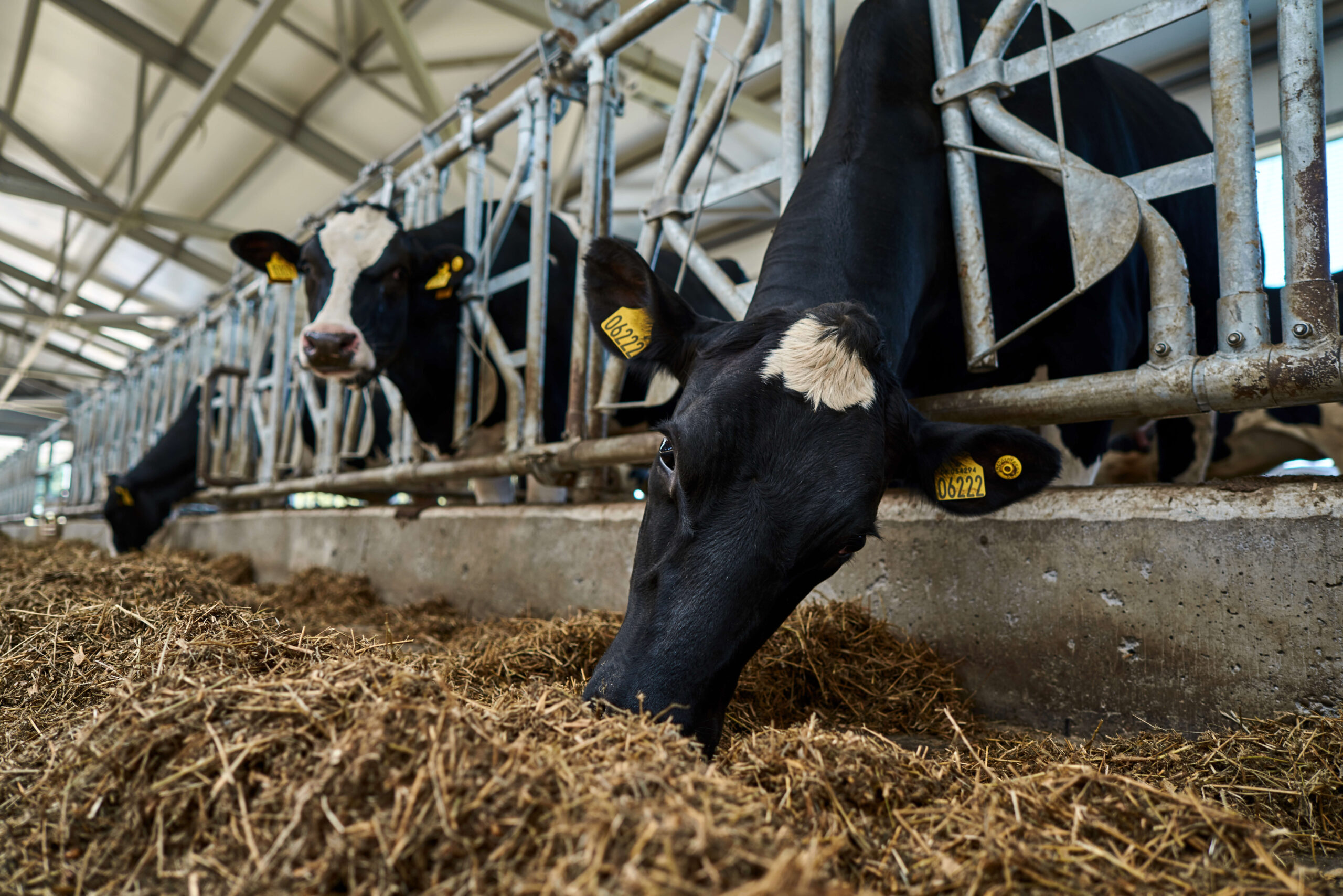
Successful transition from the dry period into lactation is one of the most important moments in a dairy cow’s lactation. It will have a direct impact on milk production, cow health and reproductive performance during the subsequent lactation. Therefore, it is important to get mineral nutrition correct in the dry period.
Dry cows should be fed a dry cow mineral for the duration of the dry period ideally for 6 -8 weeks. This is to ensure there is a good reserve of minerals built up to allow the cow to calve down without any issues and continue into the lactation to follow.
Most Irish silages don’t supply the required amount of minerals to get the cow through the dry period. Therefore these minerals need to be supplemented. If you haven’t already done so, test your silage for minerals.
It is important to note that the mineral status of our soils and forages varies hugely from farm to farm and year to year. The simplest and most accurate way of knowing the mineral status is testing the forages being fed to cows whether it be grass, grass silage, maize or whole crop silage. Once known informed decisions can be made on the most effective way of supplementation.
When it comes to major mineral nutrition, the most important issue is establishing a good basis for the control of milk fever and subclinical milk fever. Milk fever is known as the ‘gateway disease’ because it leads to many other complications such as retained cleanings and displaced abomasum.
The risk of milk fever is reduced if cow BCS is monitored and controlled in late lactation and throughout the dry period. Cows should be dried off between BCS 3-3.25 and this BCS maintained throughout the dry period. Cows with both too high and too low BCS are shown to have an increased risk of milk fever.
Clinical milk fever is usually easy to detect. Sub-clinical milk fever is often difficult to detect and can go un-noticed. This in-turn can increase costs because it affects more cows and lead to varying metabolic disorders such as retained cleanings, metritis, mastitis and ketosis.
The increase in demand for Calcium at the onset of lactation presents a major challenge to a cow’s system. Around calving and the transition period into lactation the demand for Ca increases by several fold.
It is not so much the sudden demand for Ca that causes milk fever but more so the fact that the cow’s system can take 24-48 hours post calving to become fully functional. It is this time-lag that causes the cow to drain Ca from her plasma pool and as this reserve decreases so too does the cow’s blood Ca status, possibly bringing about a case of sub-clinical or clinical milk fever.
In order to avoid this issue it is critical that mineral supplementation is continued up until the point of calving and an adequate post-calving mineral is supplied also.
Magnesium is a key major mineral in relation to the control of milk fever. Magnesium is needed for the metabolism and the absorbtion of calcium within the cow around calving. Throughout the dry period a cow needs between 25-30g Magnesium/day. If a silage mineral analysis is 0.15% magnesium a cow eating 11kg dry matter intake during the dry period will take in 1.65g/mg from silage. As a result the mineral supplement will need to supply at least 24g of magnesium. If the feed rate of the mineral is 120g/head/day it needs to be a minimum of 20% mg to make up the deficit.
Potassium in Irish silages is typically between 1.8-2.4%. Potassium locks up magnesium in the rumen which can slow down the absorption and mobilisation of calcium leading to milk fever. With sufficient magnesium supplementation the typical levels of potassium can be managed. If potassium is greater than 1.8% in silage alternative measures need to be taken such as introducing Cal-Mag or sweetened Cal-Mag.
Grass silage supplies the necessary calcium requirements during the dry period. Unless following a DCAD diet program calcium is not required during the dry period. Grass silage supplies what is required.
Trace minerals, or micro minerals, play a huge role in the overall immunity, fertility and production of dairy cows. Throughout the dairy cows’ cycle calving is the most stressful period on the immune system. It is important that throughout the dry period the cow is allowed to build up the necessary amount of trace minerals to allow the cow draw from it’s reserves when it calves down. Irish grass silages have been shown to below in copper, selenium and zinc. As a result, supplementation is essential.
Important Trace Minerals
Selenium works with Vit E and acts as an antioxidant. It helps boost cow and calf immunity.
Copper is needed for successful immune function and plays a key role in reproduction and hoof health.
Zinc is the trace mineral that influences udder and hoof health in dairy cows. Zinc supplementation is important at all times of the year as it helps to keep somatic cell counts under control, reduce incidences of mastitis and helps to maintain the hardness of the hoof.
Low dietary iodine (I) intake during pregnancy has been associated with an increased incidence of small and weak calves, increased incidence of goitre, decreased resistance to hypothermia, decreased survival and low immunity. In the following lactation cows recycle poorly, which means that is not stored in the body and so must be supplied in the diet.
Inorganic minerals cannot be stored by the animal and, therefore, do not allow mineral reserves to be built up for times of stress, such as calving or disease.
To discuss options on implementing a successful dry cow or monitoring mineral status of your herd, contact the office on 023 8841404.
 james_31d2nl5l