No products in the cart.

Category: Uncategorized

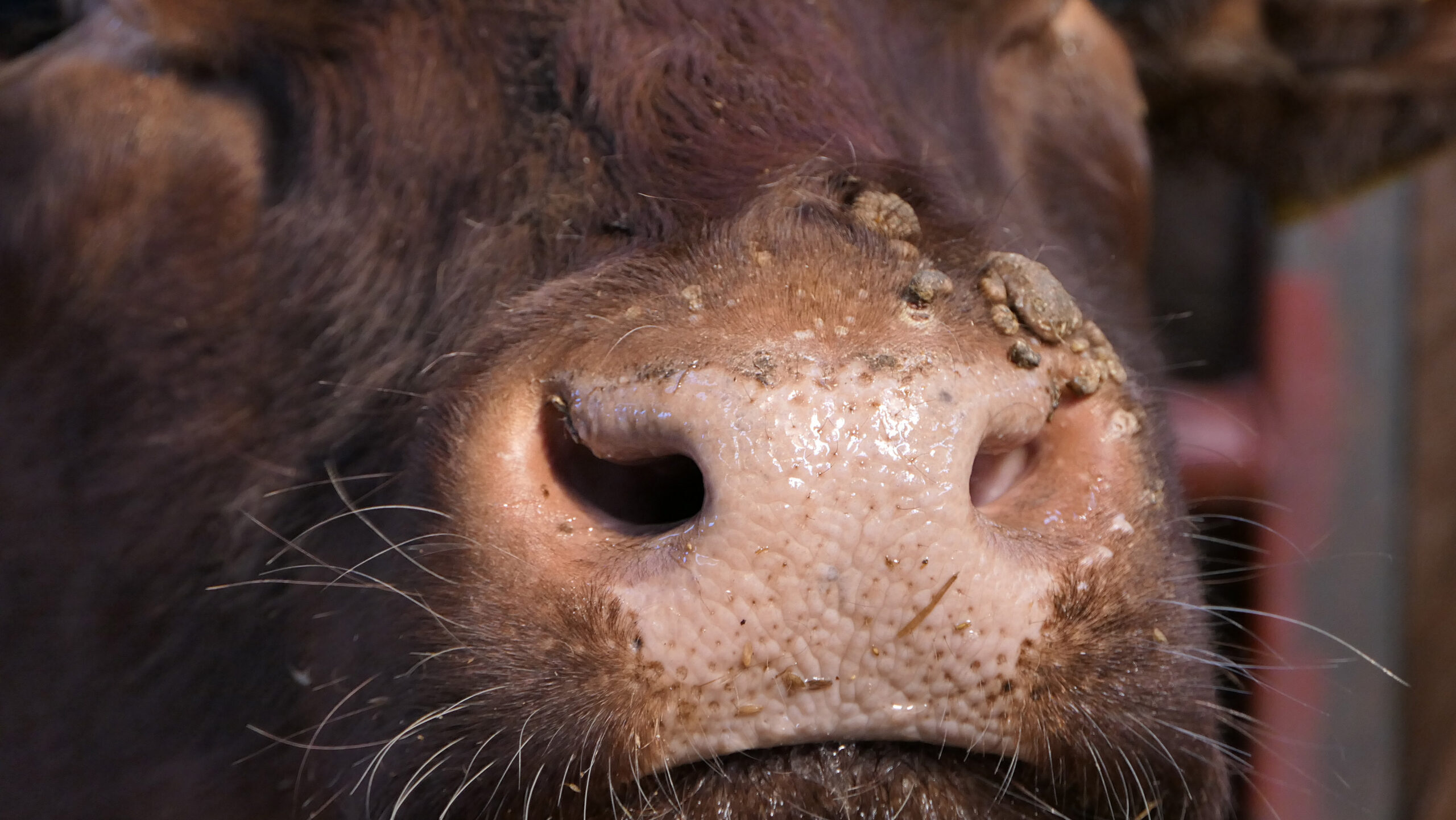
Cow with warts caused by an infectious and contagious virus bovi

IBR and It’s Effect on Your Herd

Infectious Bovine Rhinotracheitis or more commonly known as IBR is a virus that can present itself in many forms on farm including respiratory, fertility and production issues.

The textbook clinical signs of IBR are

  • ‘burnt’ muzzle
  • pink eye
  • high temp
  • dullness and lack of appetite
  • milk drop
  • snotty nose
  • ‘snore’ as their windpipe is affected.

This is severe form of IBR and even with aggressive treatment there can be huge losses.

On dairy farms the presentation of IBR may not always be as severe.  It can cause niggling problems such as:

  • production loss of 5-10%
  • embryo losses/ abortions
  • increased culling rate
  • poor treatment response for other diseases

A frequent consequence of IBR that we see on farm is calf ill health. Calves that are not thriving, wet noses, on/off temps +/- in the first 1-2 weeks of life that don’t respond well to treatment.  Antibiotics do not treat viruses but are used for the secondary bacterial infection. Usually calves survive but they don’t do as well in terms of daily gain going forward.

Time, treatment costs and extra feed for same gain are all things to consider here.

How does it spread?

It’s an airborne disease – think of COVID- it’s in water droplets, coughing, nasal secretions.It is worth noting that can be found in sperm from infected bulls.

Latent carriers are a huge problem

We use the term latent carriers to describe animals that have been previously infected with IBR, recovered from the disease but the virus basically hibernates in the animal’s immune system.

During a stressful period the virus is reactivated and the ‘apparently healthy’ animal will shed to other naïve animals and they will be clinically sick. It becomes a vicious cycle as this can create more carriers. In this way a serious problem can start in a previously ‘clean’ herd.


How do I know if my herd is affected?

  • Swab – sick animals or animals with nasal discharge

+/-

  • Bloods – sample 5-10 cows for IBR antibodies

+/-

  • Bulk Milk Sample – will test for IBR antibodies.


How can you prevent it?

Keep a closed herd to prevent. If buying reduce the risk by buying from herds that are either proven IBR negative or herds that are vaccinating.

Vaccination –there are a number of different protocols including live and inactivated which differ for age groups and from farm to farm.


Contact the office to have a chat through the protocol that best suits your farm.
walks

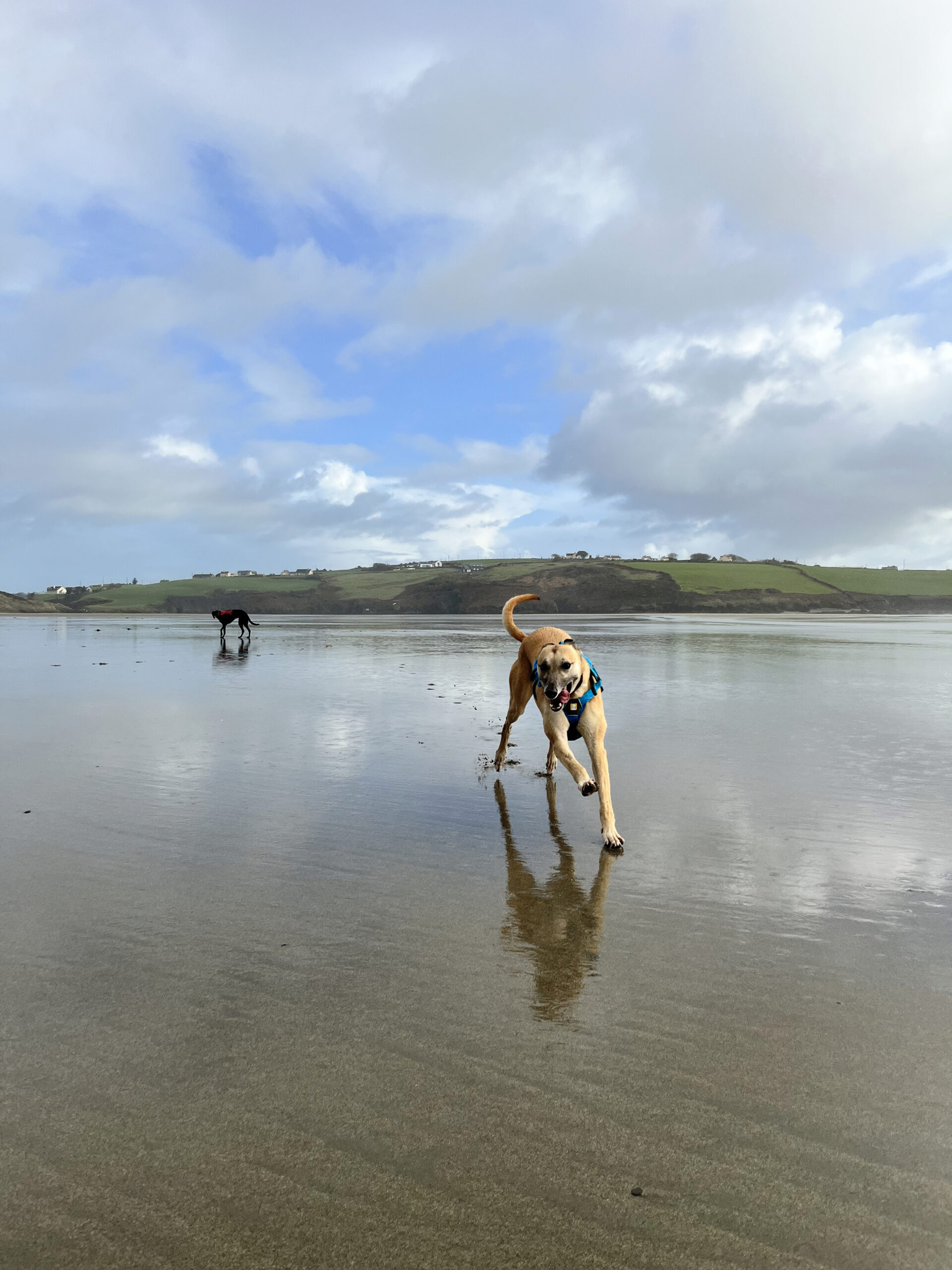
The Best Dog Friendly Walking Spots in West Cork!

Vet Nurse Katie Harte is an outdoor enthusiast and loves nothing better than going out with her dogs, here are her top spots in West Cork, why not make it your To Do list for this year???

  • Dromkeen forest walk, Innishannon
  • Clare O’ Leary walk, Bandon
  • Inchydoney beach. Clonakilty
  • Castlefreke recreational area , Rathbarry – Various waymarked woodland trails and beach walks on nearby beaches (The long strand, Red strand, Owenahincha & Warren beaches)
  • Warren beach <–> Owenahincha beach cliff walk, Rosscarbery
  • Dromilihy forest recreational area, Connonagh (20 mins from Dunmanway / Clonakilty)
  • Dunworley beach & cliff walk. Timoleague
  • Timoleague <-> Courtmacsherry coastal road walk
  • Courtmacsherry Beach & woodland walk (also 7 heads walk starting point)
  • Kilbrittain village park & wood walk
  • Coolmain beach & Harbour view beach. Kilbrittain
  • Garrettstown <–> Garylucas cliff walk & beach walks. Old head, Kinsale
  • Charles Fort costal walk
  • Garrettstown wood trails. Ballinspittle
  • Curraghbinny woods, Carrigaline
  • Carrigaline <-> Crosshaven Greenway
  • Carrigfadda hill walk, Reenascreena (20mins from Dunmanway & Clonakilty)
  • Rineen woods, Castlehaven
  • Lough Hyne lake / country road walk & Knockomagh hill walk. Skibbereen
  • Farran woods, Macroom
  • The Gearagh nature preserve. Macroom
  • Glengarriff nature reserve
  • Gougane Barra forest park. Ballingeary
  • Drimoleague heritage walkways, various routes
  • Hungry hill, Beara peninsula
pillow foot

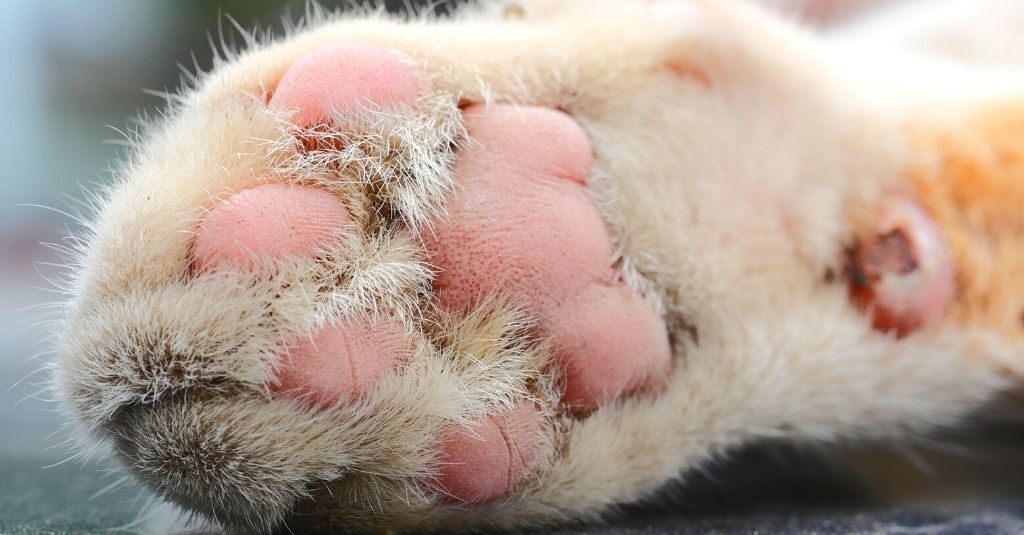
Pillow Foot or Plasma Cell Pododermatitis in Cats

What is Pillow foot?

Pillow Foot in Cats (Plasma Cell Pododermatitis in Cats) is a rare disease of the footpads of cats. Due to the accumulation of a specific type of white blood cells called plasma cells, the footpad becomes inflamed. Plasma cells play a major role in the immune system.

Causes of Pillow Foot in cats

The cause is unknown but is thought to be immune-mediated; that is, the immune system causes or aggravates inflammation. Some studies have found a link between pillow foot and feline immunodeficiency virus (FIV) infection so it is important to screen an affected cat for this virus.

Symptoms of Pillow Foot

In the early stages of pododermatitis, soft, non-uncomfortable swelling of the footpads develops. More than one pad on more than one foot is typically involved. Pads may look purple and appear streaky, with white scaly material on the surface. Later, the pads can become bloody and uncomfortable. Sometimes kidney disease and inflammation of the tissues in the mouth can also occur.

Diagnosis of Pillow Foot in Cats

The main diagnostic marker is simply the appearance of the footpads. Removing cells with a small needle and examining them under the microscope (fine needle aspirate) may reveal numerous plasma cells. Blood tests may be recommended to look for infection, kidney problems, or evidence of immune response, but the results are variable. A biopsy of an affected foot pad usually confirms the diagnosis.

Treatment for Pillow Foot

Treatment may be not needed if the inflammation is mild and the cat feels okay. In some cats, the condition spontaneously disappears. However, in other cats, medications are needed to balance the immune system. In this case, steroids or immune-suppressive medications may be prescribed. Sometimes, surgery is an option to remove lesions that affect only one food pad, but this is uncommon. Many pets require some medication for life and need periodic blood tests to monitor for adverse effects of the medications.


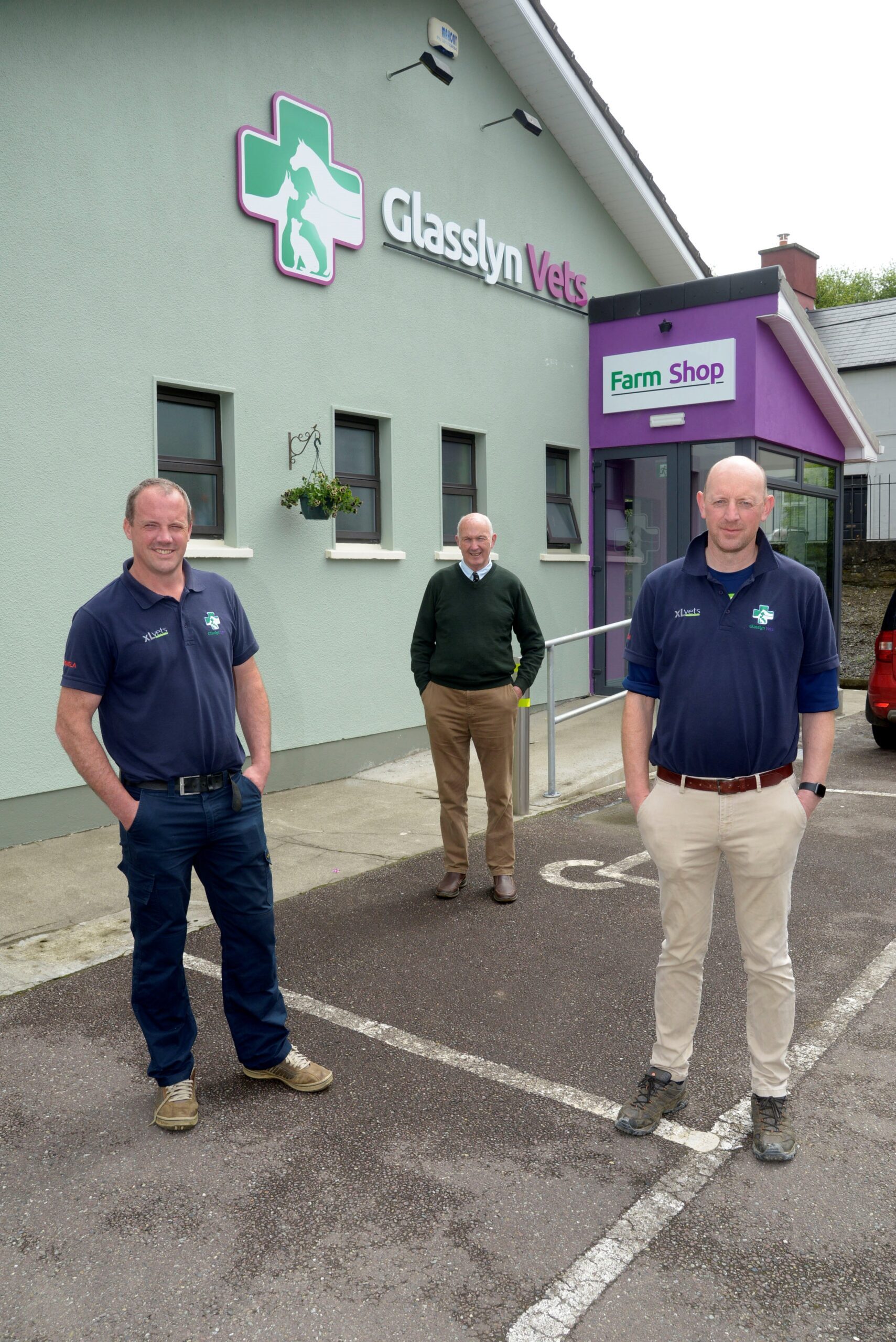
Kevin, Patrick and John Healy

We are hiring for our veterinary team!

When Cornelius O’Driscoll set up his veterinary practice in Bandon in 1915, he could not have dreamed that it would still be serving the people of West Cork a century later. Glasslyn Veterinary clinics in Bandon, Kinsale and Dunmanway are rightly proud of their reputation for high quality care based on over 100 years of experience combined with cutting edge technology, the best skills and the most modern facilities. Glasslyn Vets is now one of the largest veterinary practices in the country with fifteen full-time vets and a strong team of support staff.

We are currently expanding our veterinary team and have two roles available.

Large Animal Veterinary Surgeon (Bandon, Co. Cork)

Glasslyn Vets is looking to recruit an experienced and enthusiastic large animal veterinary surgeon for a full-time position to join our growing team primarily in the Bandon area. Preference is for a minimum two years’ experience, but all applicants will be considered and replied to.

Qualifications and Experience
• Experience in farm animal practice, particularly dairy an advantage
• Veterinary Council of Ireland registered
• Ability to work independently and on own initiative
• High standard of professionalism
• Strong communication, organisational and analytical skills

This role is supported by an excellent team of other LA vets and clinic-based staff. Salary is commensurate with experience. Generous benefits package includes pension contributions, sick pay and generous CPD through XL Vets.


Small Animal Veterinary Surgeon (Co. Cork)
Glasslyn Vets is looking to recruit an experienced small animal veterinary surgeon for a full-time position to take full responsibility for SA clinic practice in one of our clinics in Co. Cork. There is no requirement for out of hours work.  A minimum of four years’ small animal experience is required for this role.

Qualifications and Experience
• At least 4 years’ experience in small animal practice
• Veterinary Council of Ireland registered
• Ability to work independently and on own initiative
• High standard of professionalism
• Strong communication, organisational and analytical skills

The role is supported by an exceptional and supportive team of nurses and vets with excellent levels of equipment and case load. Salary is commensurate with experience. Generous benefits package includes pension contribution, sick pay scheme and generous CPD through XL Vets.

For a confidential discussion about our opportunities call Kevin O Sullivan on 023 8841404 or email CV to [email protected].

298251134_5184047438370769_2180502823837650168_n

Glasslyn Vets Puppy Party!


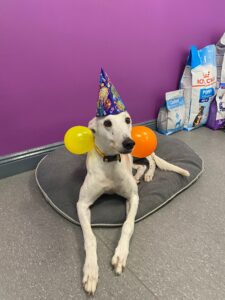
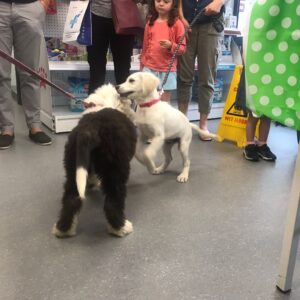
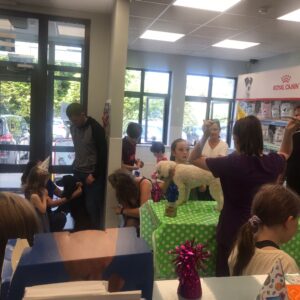
On 24 August 2022 Glasslyn Vets hosted a Free Puppy Party!

This included a free Vet check and loads of goodies like Food, Toys, Poo bags, Treats and Vouchers.

Keep an eye on our Website Homepage and social media pages for our next event!

IMG-20220725-WA0041

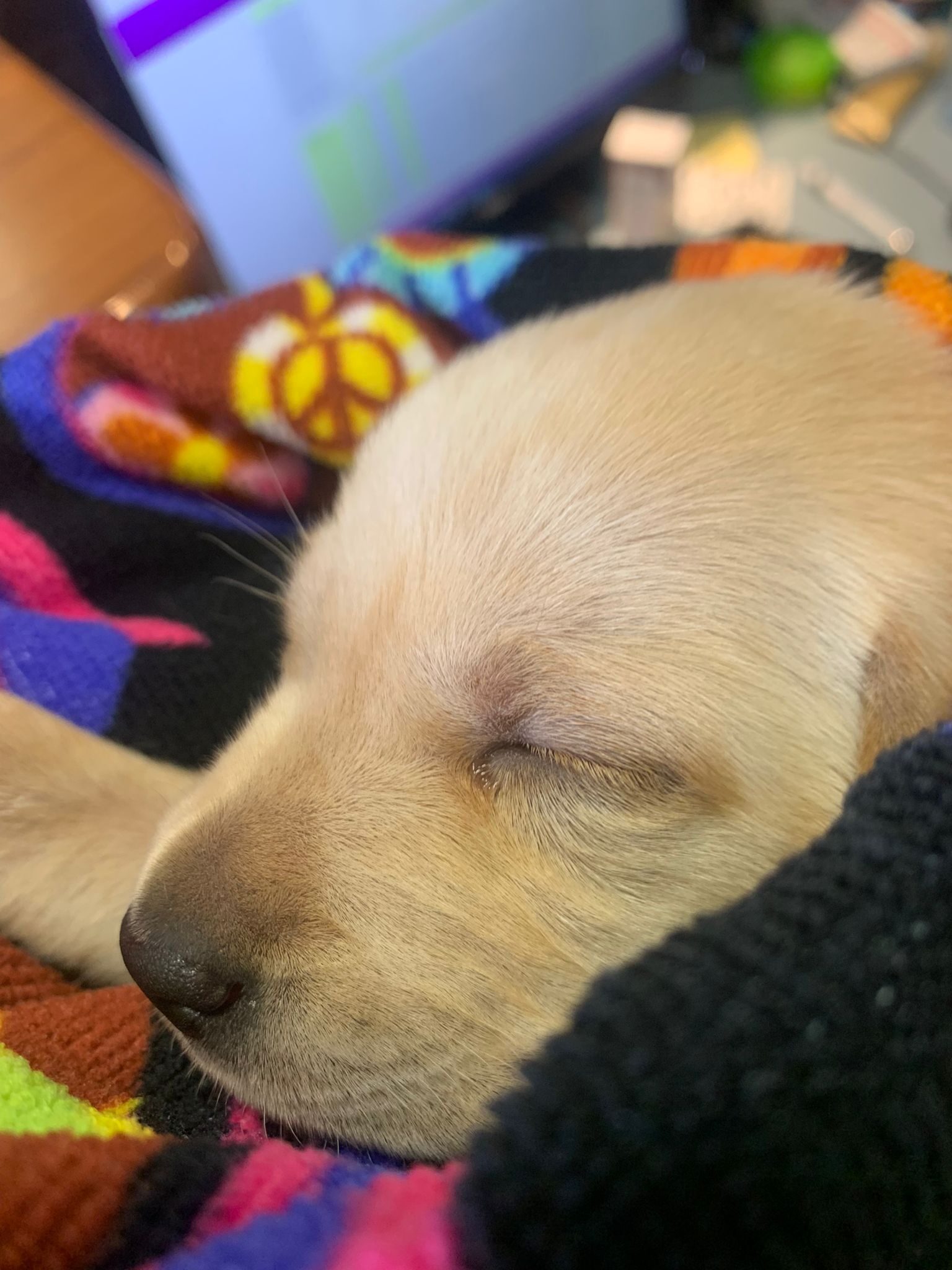
Caring for your new puppy 2 months – 2 years

Congratulations on your new family member! Dogs are a great addition to every family and provide years of unconditional love & companionship. The following is a bit of advice to help get your new best friend off to a great start.

Puppies generally go to their new homes at 8 – 12 weeks old. Here at Glasslyn we advise that you start vaccinating your new pet at 8 weeks old. This vaccine (known as a 7 in 1) covers your pet against distemper, hepatitis, parvovirus, parainfluenza & leptospirosis. After their initial vaccine they get a booster 4 weeks later (at 12 weeks old) they get another booster once they turn 9 months old. After this they get a vaccine every 12 months to help protect them for the rest of their lives. We also advise your dog gets a kennel cough vaccine, this is required for all kennels, puppy day care etc. Once your pet has had their initial course of vaccines (at 13 weeks) they are safe to get out and begin socialising with other puppies & people. It is important to start socialising your pet at a young age to help prevent behavioural problems when they are older.

It is also important to ensure that your pet is up to date with their parasite treatments. You must be especially vigilant with younger animals who need to be treated more often than adult pets. Puppies should be wormed every 2 weeks until they are 12 weeks old, every month until they are 6 months old & every 3 months after this. Flea treatments can be given monthly or every three months depending on the product used.

Neutering your pet is another important part of owning a dog. Neutering helps prevent unwanted litters, mammary/prostate cancers, womb infections, wandering & behavioural issues. Dogs can be neutered from 6 months onwards depending on the breed of the dog:

  • Small breeds can be neutered from 6 months
  • Medium – Large breeds, we advise to wait until they are 1 year old
  • Giant breeds, we advise to wait until they are 2 years old

*This can vary with certain breeds

Female dogs cannot be neutered while they are coming into or already in season. We advise that you wait 8 weeks once their season has ended to get them neutered. It is important to ensure that they are kept away from any unneutered male dogs both in your own household and outside while they are in season.

We stock a variety of breed & age specific foods for your dog at our clinics. It is vital to feed your pet an appropriate diet throughout their lives and we can advise you more about this when your puppy comes in for their vaccinations & neutering appointments.

Our pet health plan starting at €15 a month includes all your dog’s vaccines, parasite treatments, an annual check-up and 15% off neutering & food. You can sign up for it at any stage either online or in person.

smeagol

First steps in choosing a puppy

Firstly when looking for a puppy, prospective owners should research what dog breed would suit their family circumstances. Certain breeds require a lot of exercise, particularly working dogs ie collies, huskies etc. Owners need to make sure that they can offer the time and commitment to exercise and spend time with them, as often they can become frustrated and develop behavioural problems if their needs aren’t being met. We also need to consider some health issues which may arise in some dog breeds ie. respiratory, skin and orthopaedic issues.

When viewing the puppy, owners should ideally see both parents of the pup and the house itself, to ensure both parents are healthy and the pup is coming from a good home. It is not recommended to collect pups at the side of the road or shopping centres etc. Legally all pups should be microchipped and registered when being sold or rehomed. Puppies should be at least 8 weeks old before being rehomed and ideally have the first vaccine given of DHPPi and L4.

A 2nd vaccine of the same is normally given 4 weeks after the first injection. This is to protect your pup against infectious diseases such as parvo virus and leptospirosis (Weil’s disease). It is important for everyone at home including the puppy, that they are vaccinated.

Bandon Contact Details
📞 023 8841404
📍 Station Road,
Bandon,
Co. Cork.
Ireland.
P72 FY72
Muskerry Vets
📞 02641055
📍 Sawmill Yard, Macroom,
Co. Cork,
Ireland.
P12EY80

Kinsale Contact Details
📞 021 4772277
📍 1 Church Square,
Kinsale,
Co. Cork.
Ireland.
P17 W281
Carbery Vets
📞 023 8845206
📍 Bridge street
Dunmanway
Co Cork
Ireland
P47FN36