
 Alexa Du Plessis
Looking after wildlife: Hedgehogs
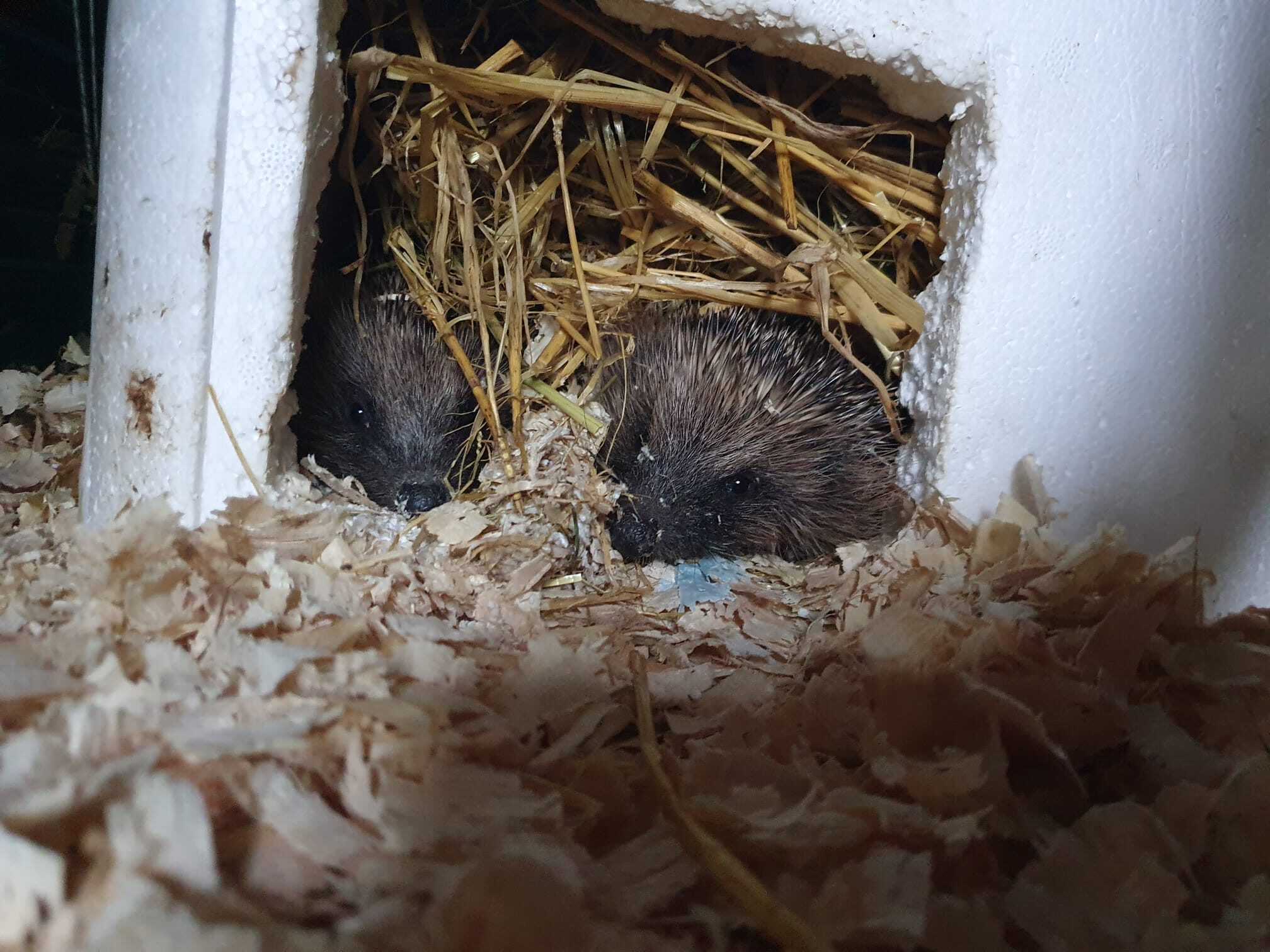
Hedgehogs are one of our most loved native mammals. They are especially loved by gardeners thanks to their habit of eating slugs. Sadly, due to loss of habitat, increased road traffic & use of insecticides, their numbers have dropped by 30% in the last decade. Taking care of hedgehogs has never been so important. Here are our top tips for looking after hedgehogs and creating a hedgehog friendly garden.
How to make your garden hedgehog friendly
- Hedgehogs need space to roam, they can cover up to 19km every night! To help them out you can cut holes at ground level in fences or dig channels under dense hedges so they can get through easily. The holes should be about 13cm in width & height
- Refrain from using pesticides if possible. Pesticides such as slug pellets can poison hedgehogs if they eat affected slugs. Less slugs also means less food for hedgehogs
- Don’t be too tidy. Leave some tall perennials & piles of leaves standing over winter or leave an area of grass unmown to create homes for insects. Mulch beds with compost to encourage earthworms and build woodpiles to attract woodlice. Hedgehogs love to eat bugs & worms!
- If you have a pond in your garden, make sure hedgehogs and other wildlife can get out of it. Make a shallow beach at one end or use a plank of wood wrapped in chicken wire as a non- slip ramp
- Always check for hedgehog nests before forking over compost heaps or strimming long grass.
Feeding Hedgehogs in your garden
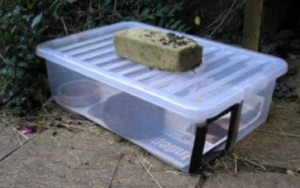
Hedgehogs always benefit from being given extra food. They love meat flavoured cat food both wet & dry but should also be provided with a shallow dish of fresh water. Ceramic bowls are less likely to be knocked over so are a great choice. You can make your own hedgehog feeding station easily using a large plastic storage container. A brick should be placed on the lid, this prevents cats & foxes eating the food. Carefully cut a hole out of the container around 4.5’’ square, cover edges with tape to prevent sharp edge and place food & water bowls in the very back.
What to do if you find a hedgehog
If you see a hedgehog out in the daytime, it could be injured or sick. With the exception of pregnant females who venture out during the day to gather nesting materials or in search of extra food. These hedgehogs will be very active and should be left alone whereas a sick animal may be staggering or not moving at all. Please phone us if you find a sick hedgehog or are concerned about an animal, for more advice on 023 88 41404 / 021 4772277
 james_31d2nl5l