 Alexa Du Plessis
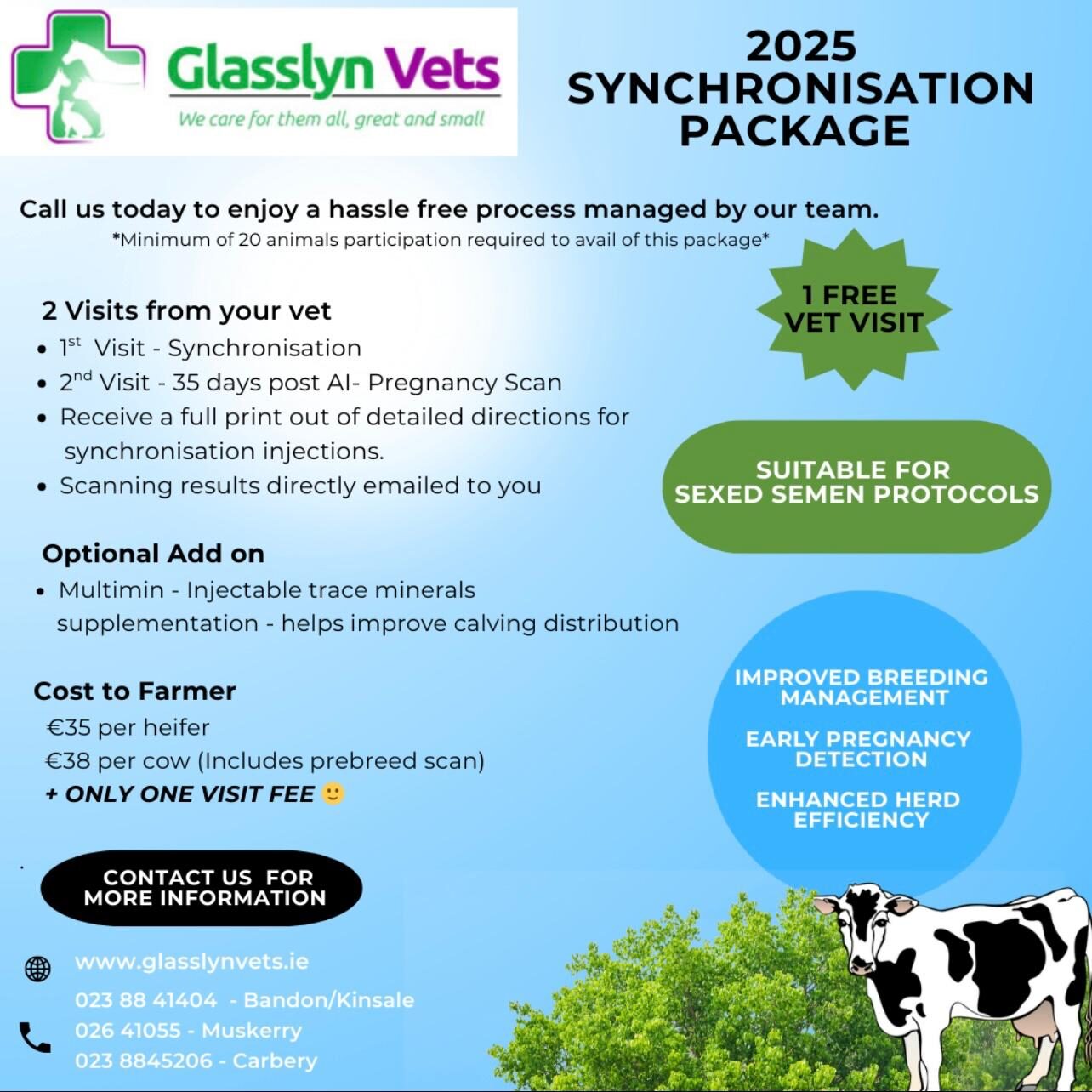
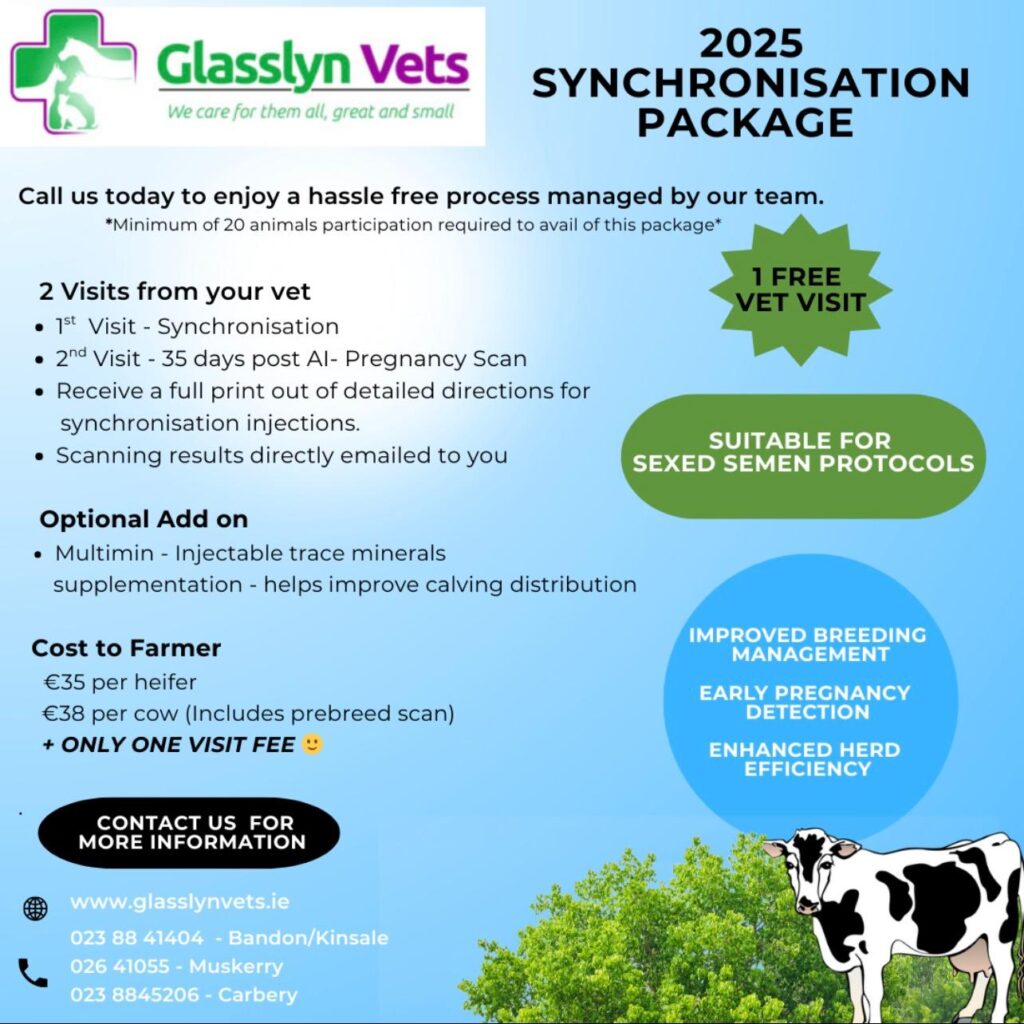
2025 Synchronisation Package for Dairy Farmers

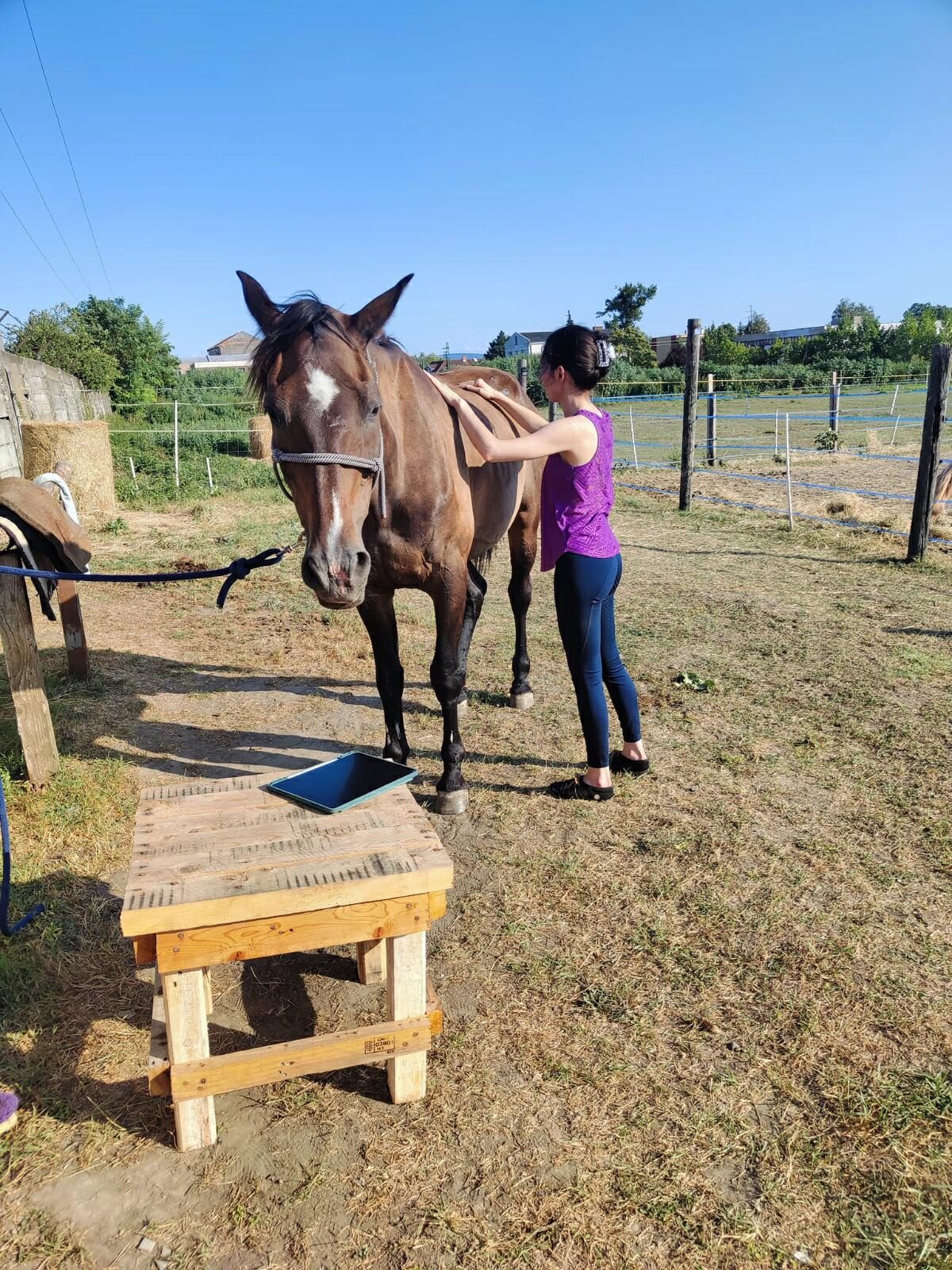
Exciting news! Glasslyn is now offering acupuncture for both pets and horses!
Muskerry based Vet Barbara Kajtarova will now be offering this service to our Macroom, Bandon and Kinsale clients.
WHAT IS ACUPUNCTURE?
A science that sees disease as an impalance or disharmony in the body. To rebalance we need specific points called acupoints.
DO ANIMALS TOLERATE ACUPUNCTURE?
Of Course! They tend to relax and enjoy the process. For patients who become stressed, we can use traditional ways of calming with anxiety relief medication the we can give you before the visit.
WHAT CAN WE TREAT WITH ACUPUNCTURE?
We can treat a wide variety of diseases in combination with traditional western veterinary medicine. We can achieve great results in alleviating pain in our patients.
WHAT TYPES OF PAIN CAN WE TREAT?
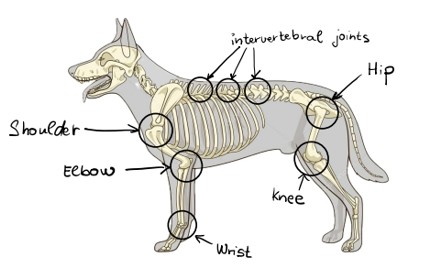
If you think your dog is in pain and you want to know more call or email us as [email protected] and ask for MVDr. Barbara Kajtarova.
We are looking forward to improving your pet’s quality of life!
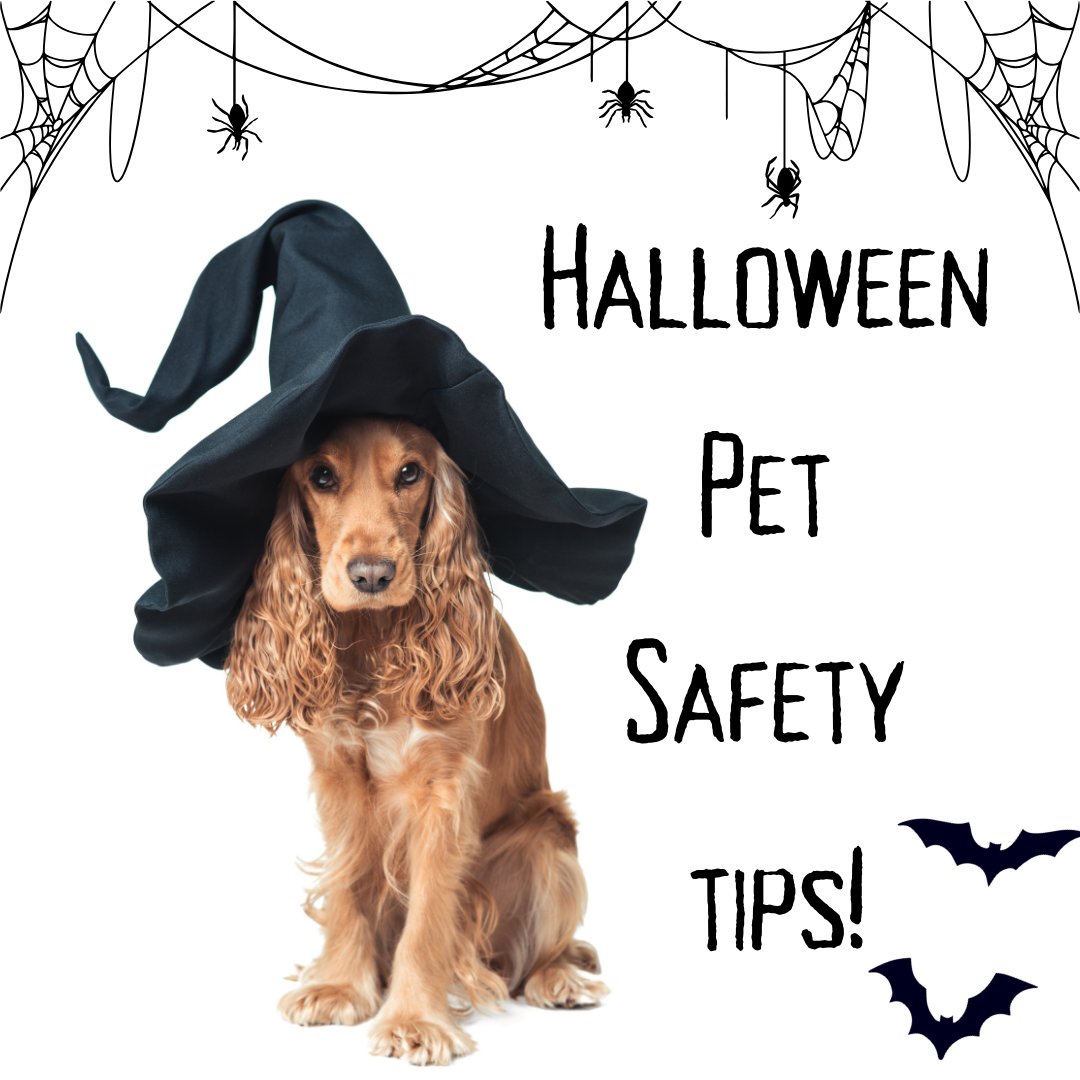
The house can be full of lots of sweets and chocolate, either in preparation for trick-or-treatin’ or when children are very successful in bringing back bags of goodies. These sweets can pose a risk if eaten by our furry friends as they contain an artificial sweetener in the form of xylitol. This is highly toxic to dogs and cats as it causes their blood glucose levels to drop, even in small doses. It can also lead to seizures or even worse.
Chocolate too is poisonous for our feline and canine companions. It contains an chemical called theobromine which is toxic. The toxic dose is dependent on the strength of the chocolate and the weight of the animal. Clinical signs can vary from gastrointestinal upset in mild cases, to seizures and sadly even death.
It’s important that if your pet consumes either of these, that they are seen by a vet as soon as possible. If seen within 30-60 minutes of ingestion , their chances of avoiding serious medical issues and recovery are highest, as we can help eliminate it from their stomachs.
Another risk posed to our pets during Halloween, are fireworks. During this time the loud noise of fireworks can make them very frightened. Often this can lead to pets running away on a walk or escaping the garden/house. We want to avoid cats and dogs getting lost or potentially getting themselves hurt. We also want to make sure they are nowhere nearby when lighting fireworks. So it’s important to keep them inside and safe when there are fireworks in the area. If our pets are extremely frightened and stressed, there are medications that can be prescribed to help reduced their anxiety during this time.
Give us a call for any further advice!
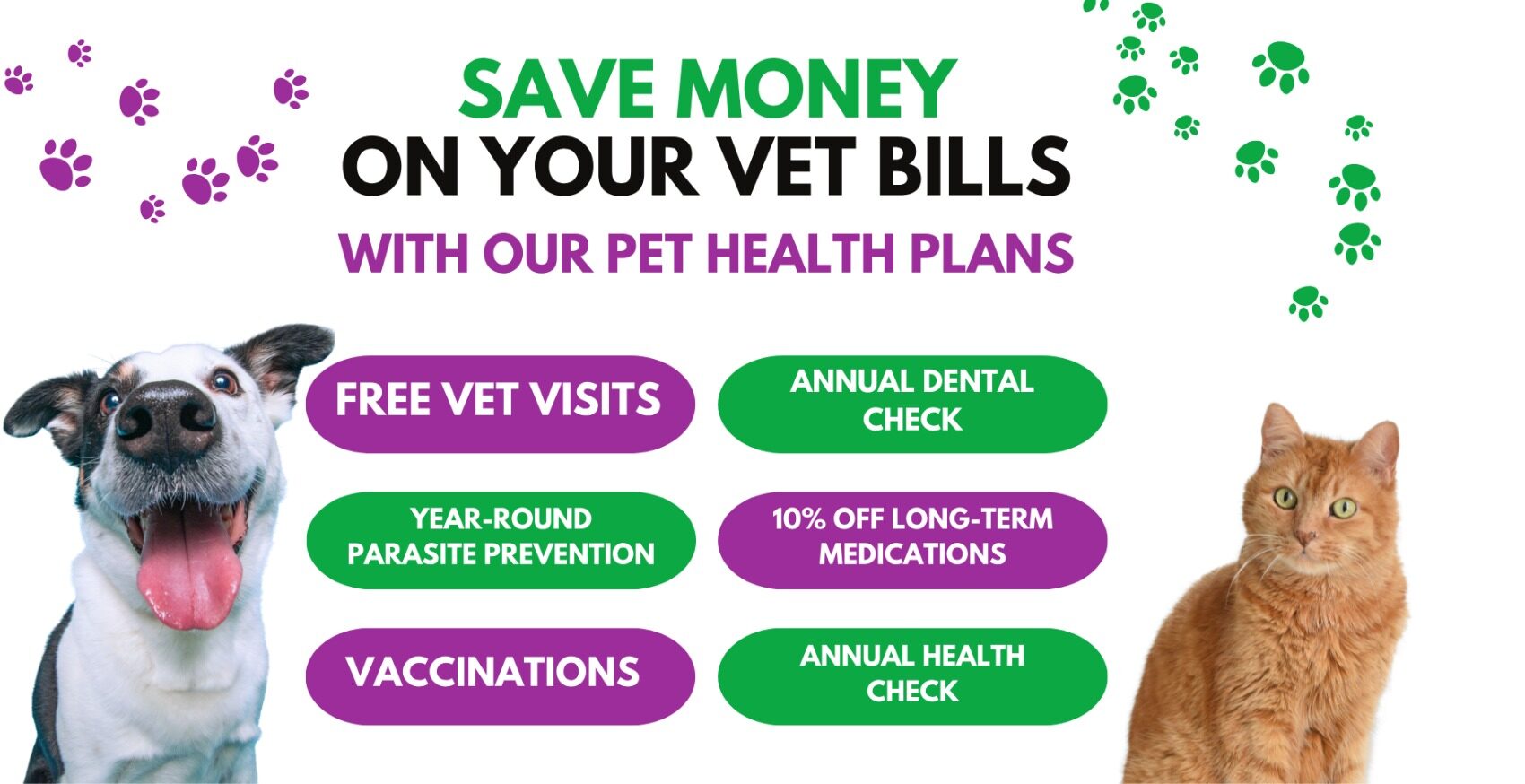
Unlike a Pet Medical Aid, a Healthplan focuses on preventing illnesses as best as possible by making sure your pet goes for regular check-ups and keeps up to date with their annual vaccinations and parasite treatment. By encouraging this, issues like lumps, periodontal disease or skin allergies can be caught quickly and ahead of time before it turns into expensive surgeries and/or causing long term affects to your pets health.
By offering these services, we also ensure your pet is familiar with us and the clinic environment, making sure your pet is stress free and have more positive experiences with us!
What are the main benefits of having a Pet Plan?
So what are you waiting for, lets’ start getting proactive about your pets’ Health!
As all Dairy Farmers may be aware by now , there have been changes in prescription practices driven by the challenge of AMR and the vet council/department of agricultures enforcement of same. (More Responsible use of antibiotics going forward)
Watch a very informative video by Caroline Gavin SSVI, explaining what the changes mean for vets and farmers.
A new veterinary-led consultation for farmers has been developed by Animal Health Ireland called Cell Count Solutions. The objective of this free mastitis consultation is to help facilitate a collaborative approach between the vet and farmer, to ensure better SCC and mastitis control on farms.
During the consultation, all relevant areas including the cow, the milking routine, the environment, records etc. will be discussed. The consultation is available throughout the entire lactation and there aren’t any eligibility requirements necessary to register. Please call our clinic and we will answer any questions you may have.
Why is this Consultation process important for the farmer?
To facilitate our compliance with the legislation , we advise you to sign up for the service because it will have significant implications for the use of lactating antibiotics and dry cow antibiotics , as well as improve the ability to prescribe for your herd.
We will be calling all our Glasslyn Dairy Farmers over the coming days and weeks with further information.

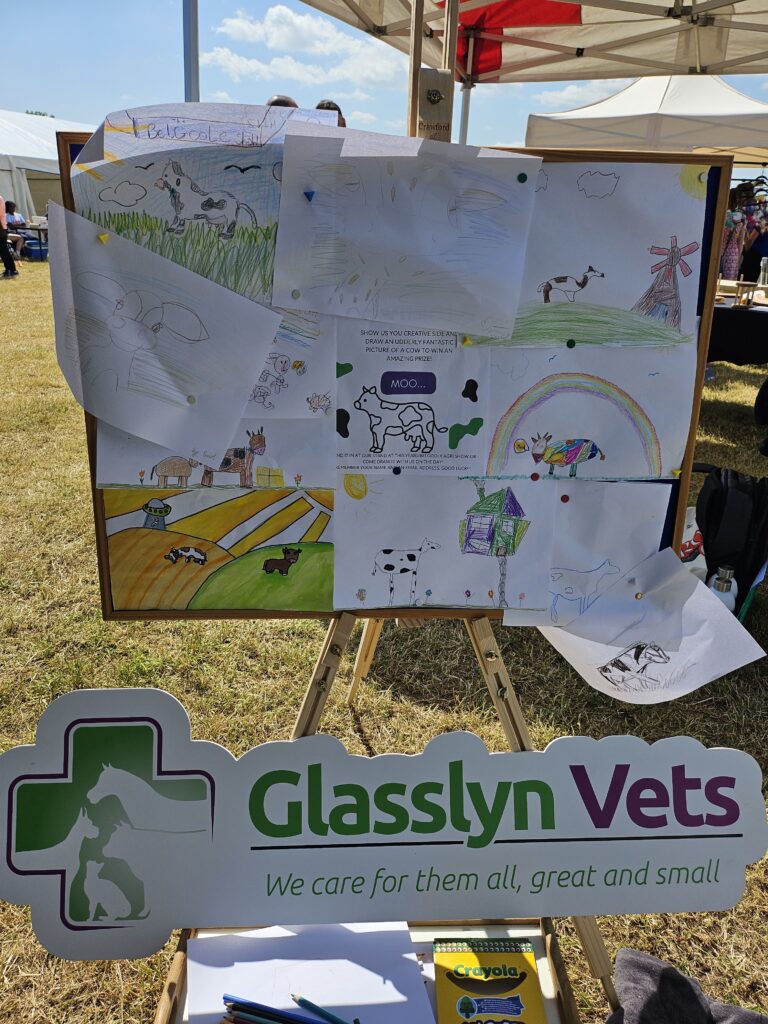
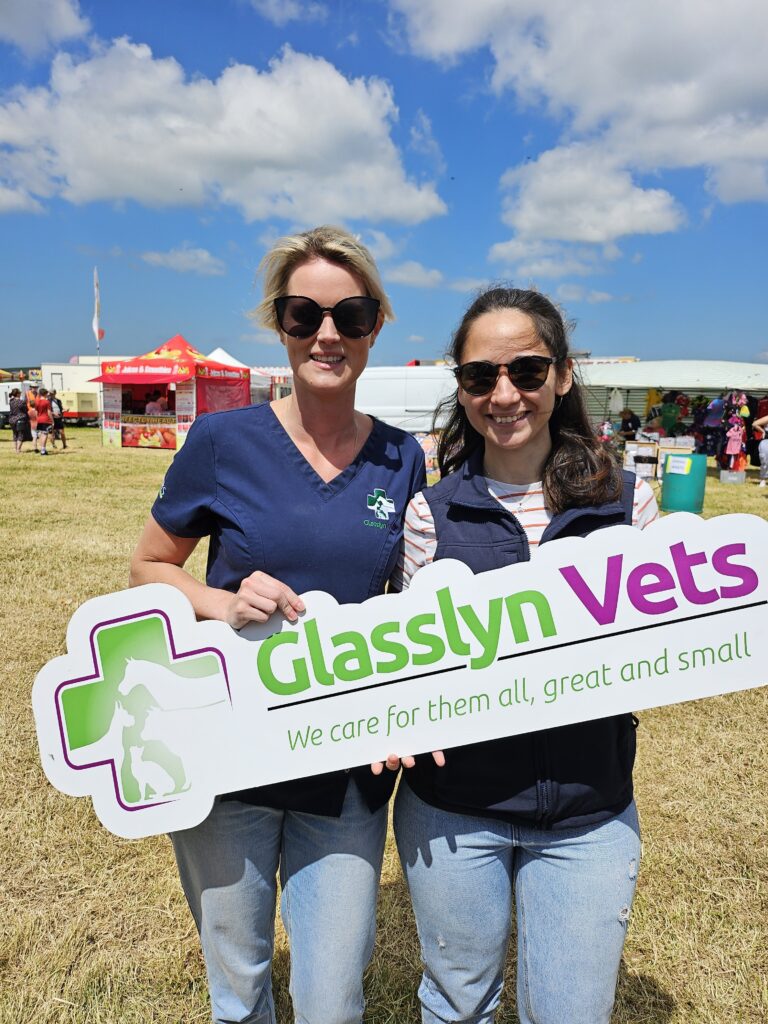
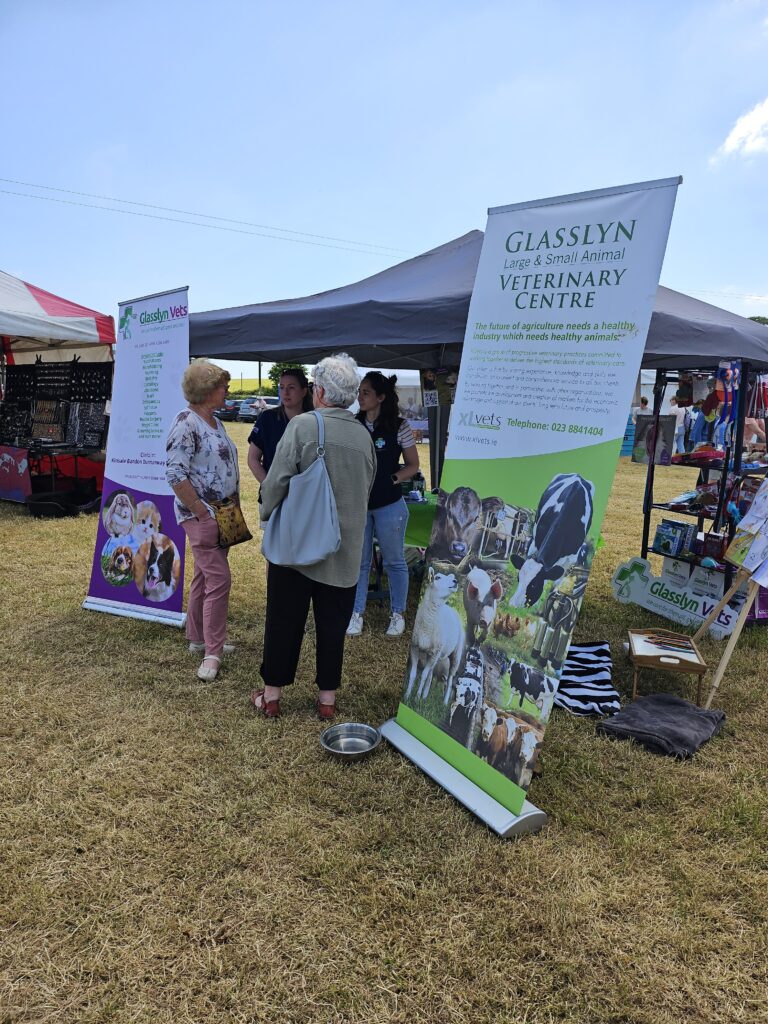
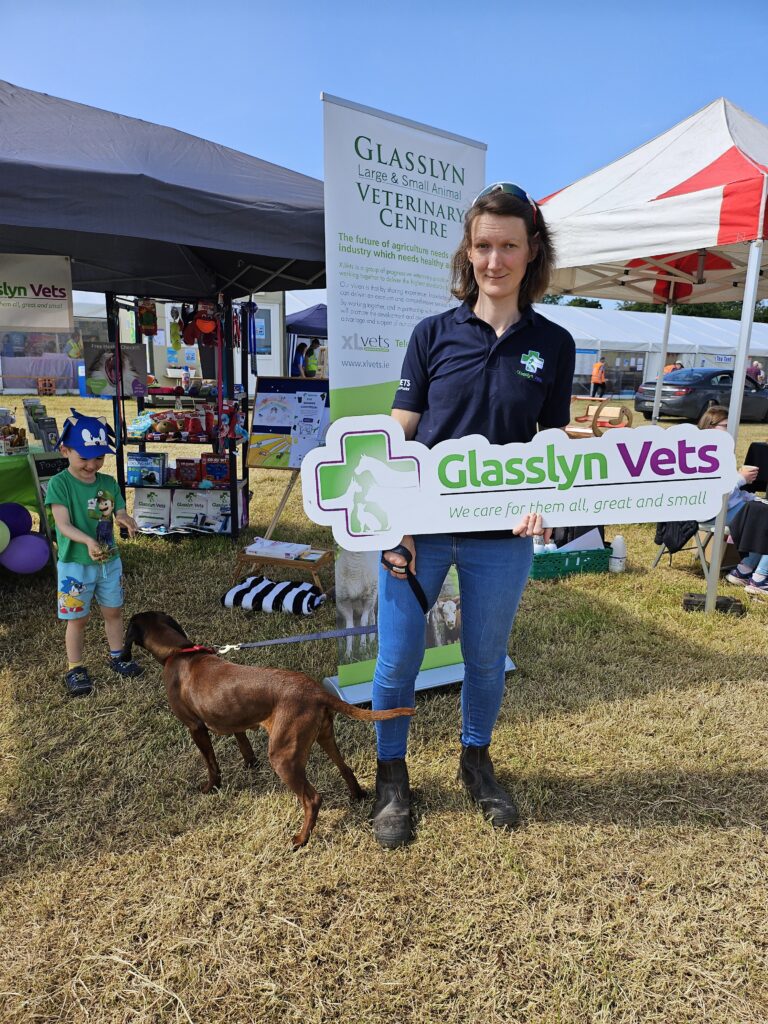
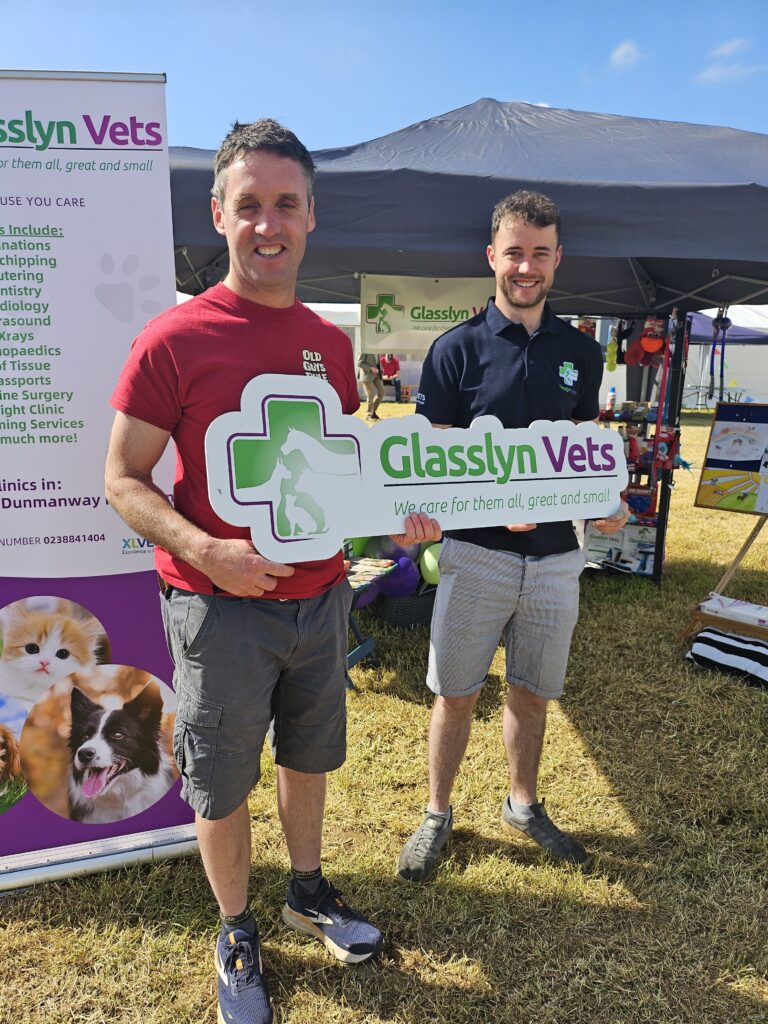
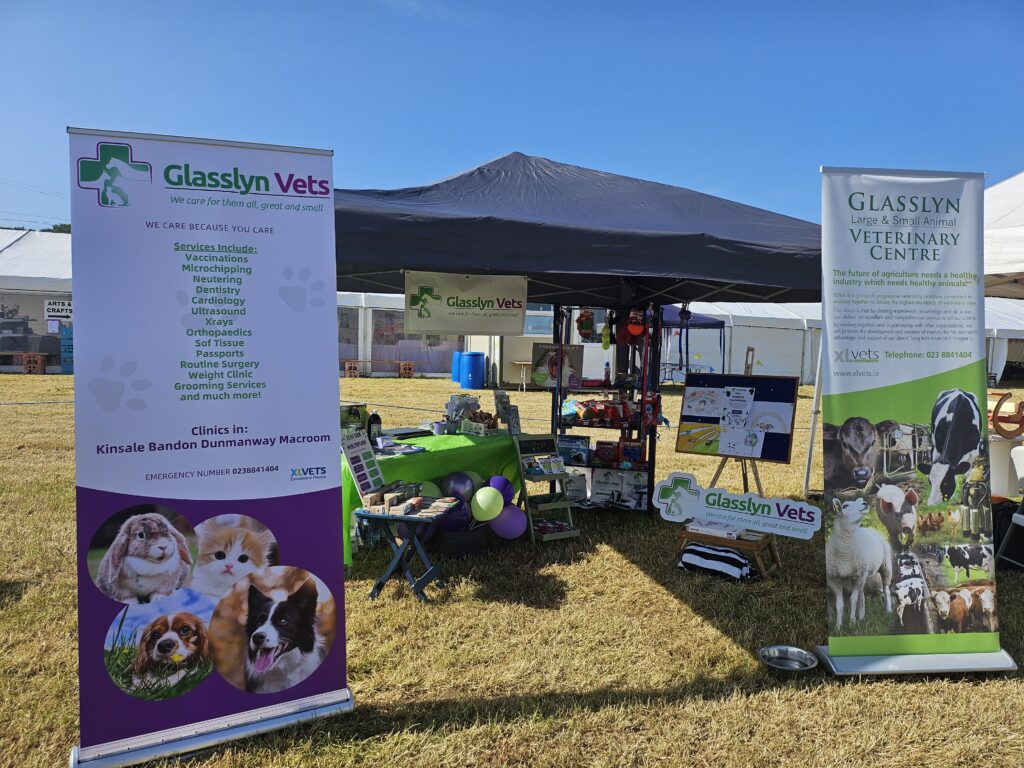
Glasslyn Vets decided to join this years’ Belgooly Show and had our very own stand!
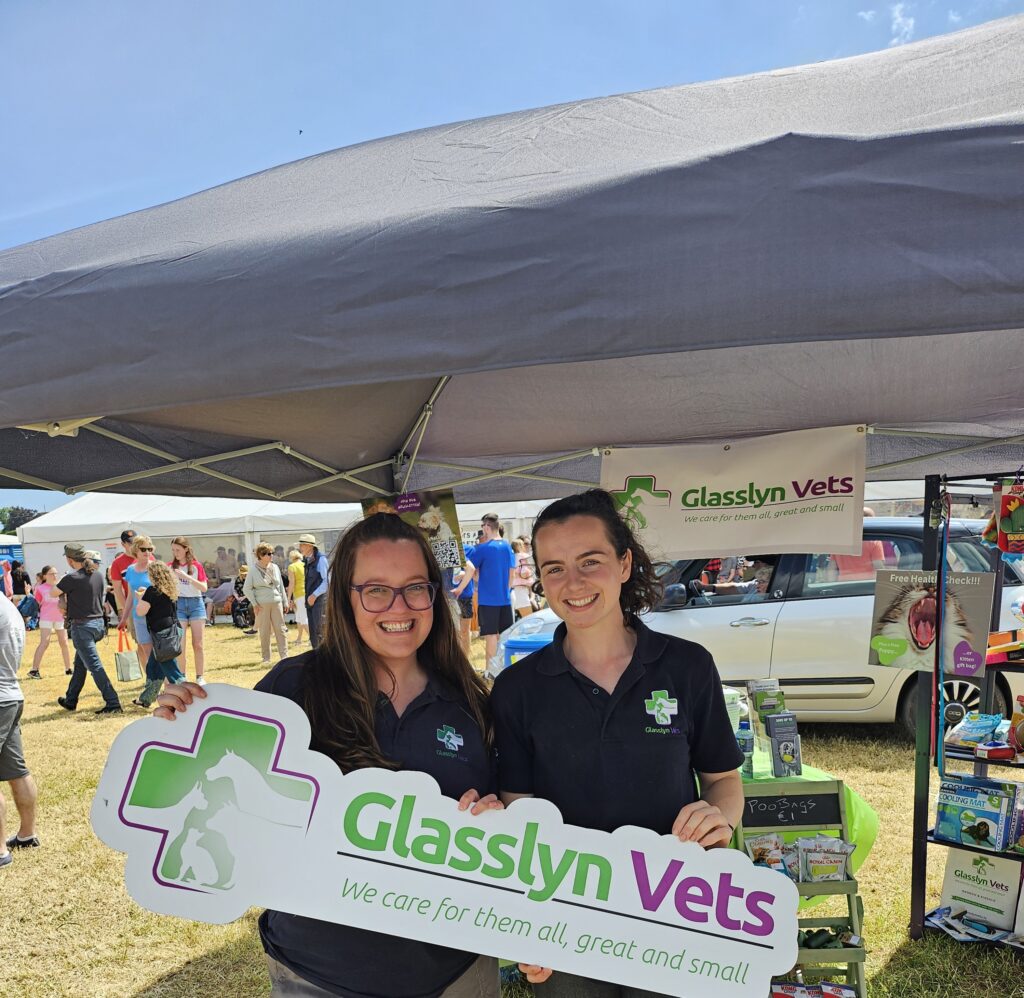
Veterinarians John, Marta, Aili, Cahal and Geraldine came to chat to clients and answer questions and Vet nurses Vivienne and Siana gave advice and handed out complementary doggy bags.
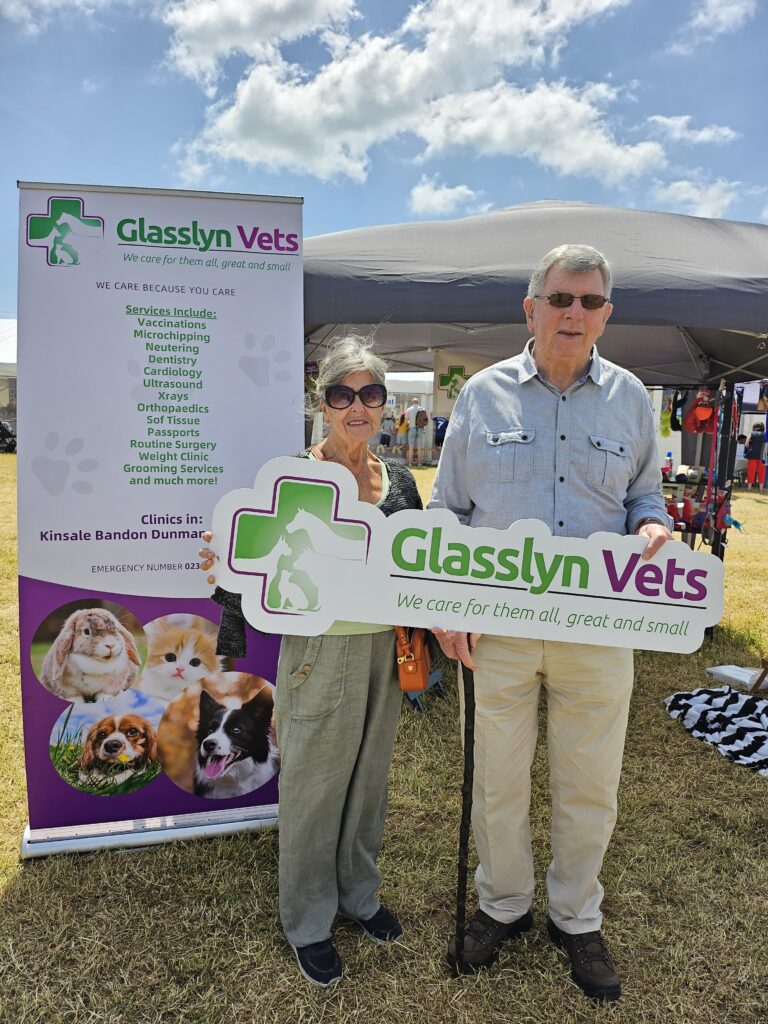
It was a great day with perfect weather and even Glasslyn founding father Frank o Keeffe and his lovely wife popped in for some stories and support!
We had a kids colouring competition where we asked kids to draw a cow and they didnt dissapoint, with the winner getting a goodies hamper with art supplies and pet products.
See you all next year!
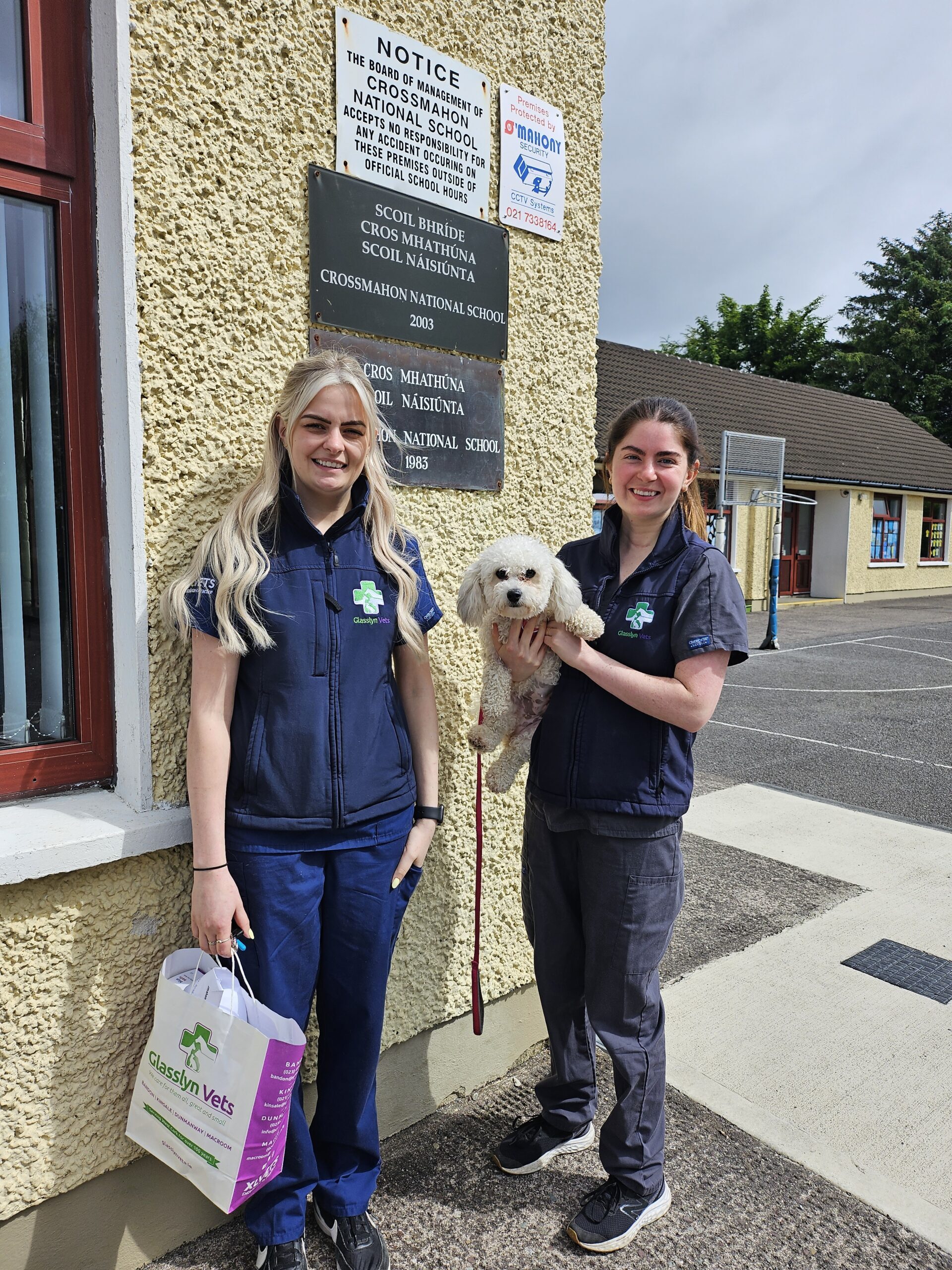
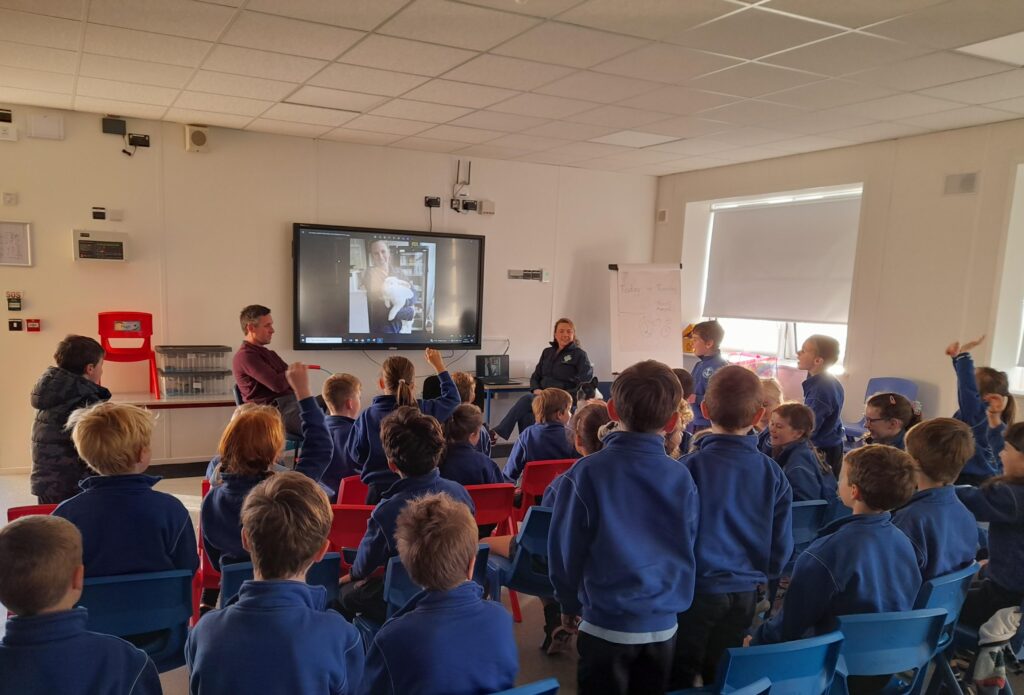
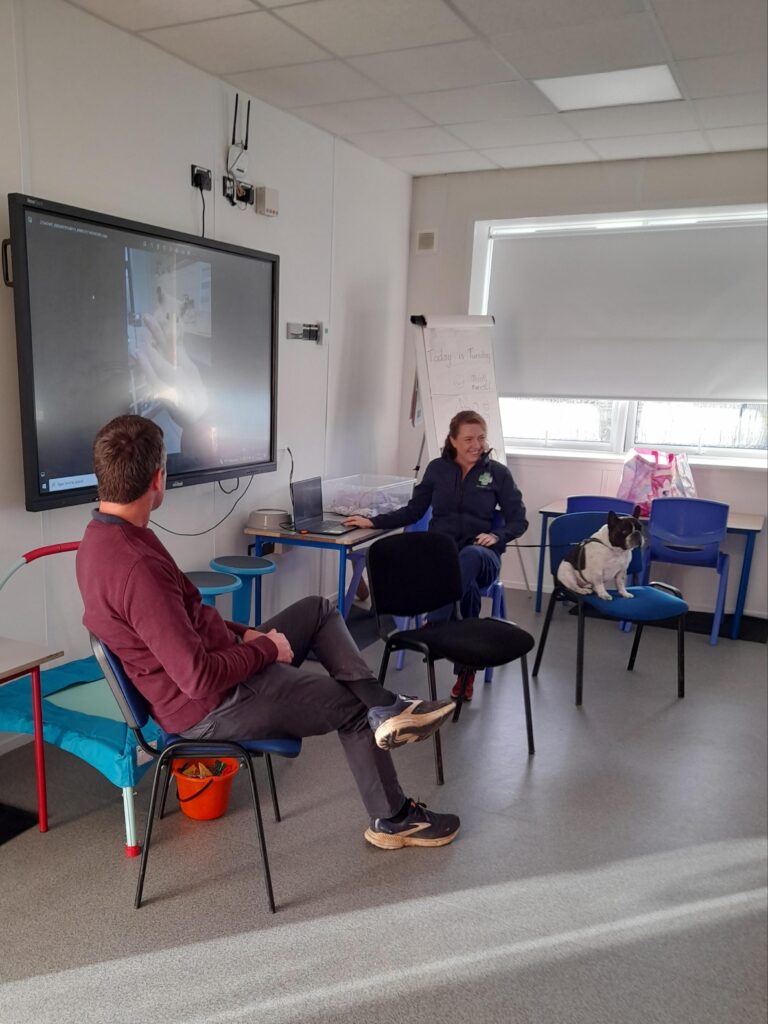
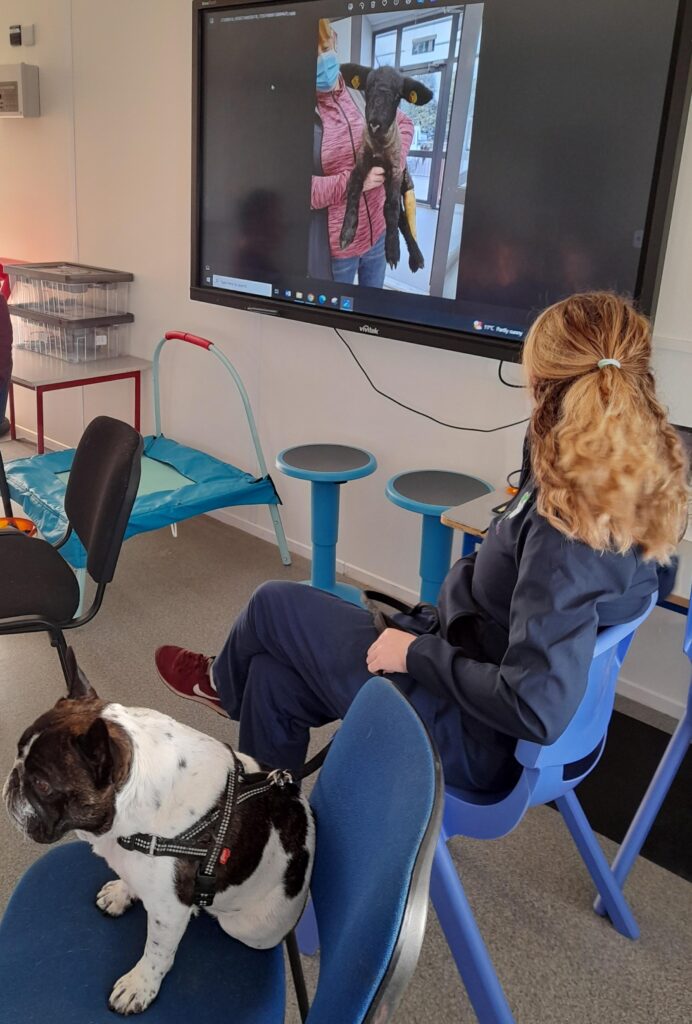
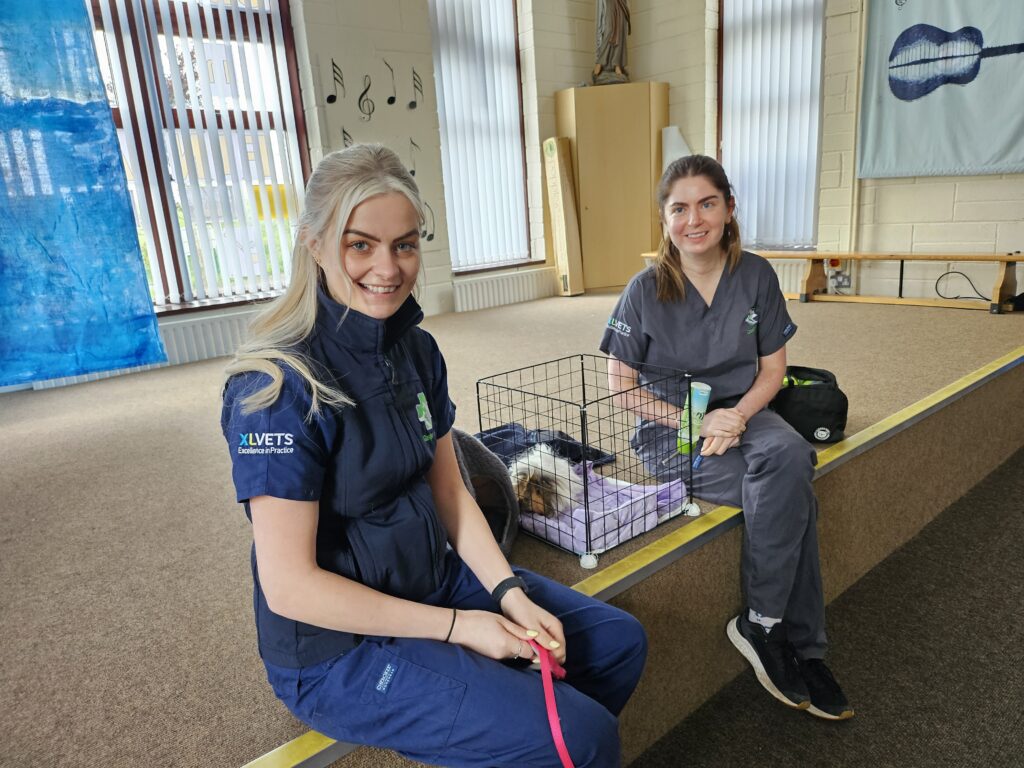
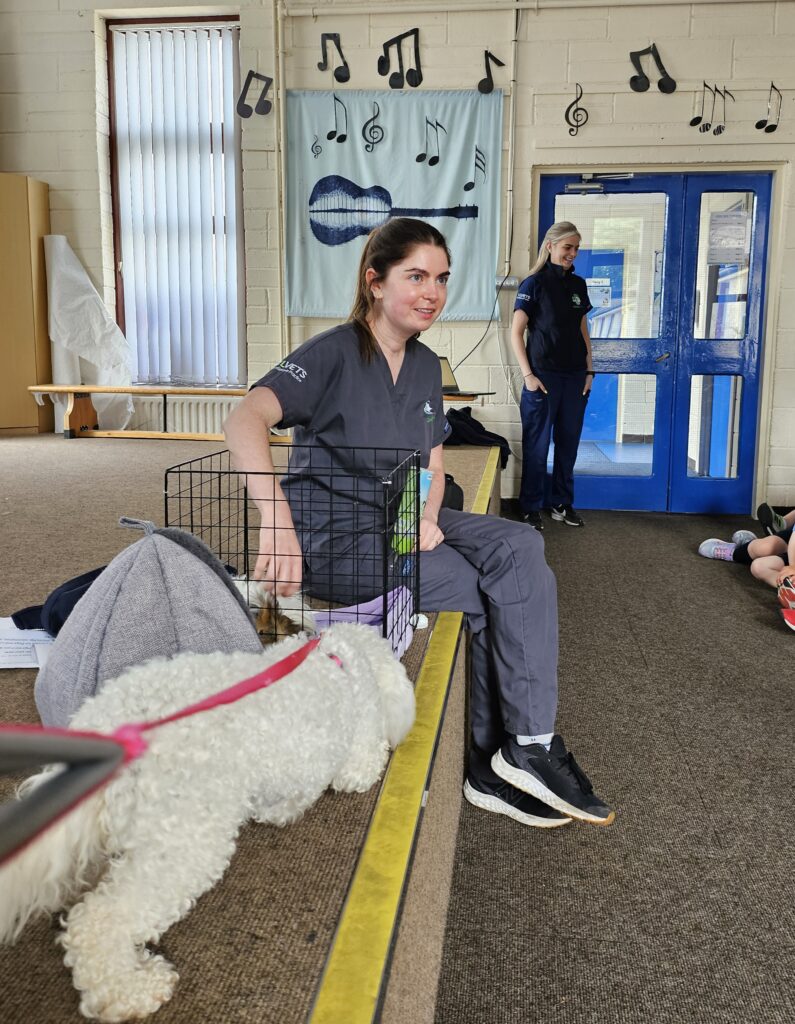
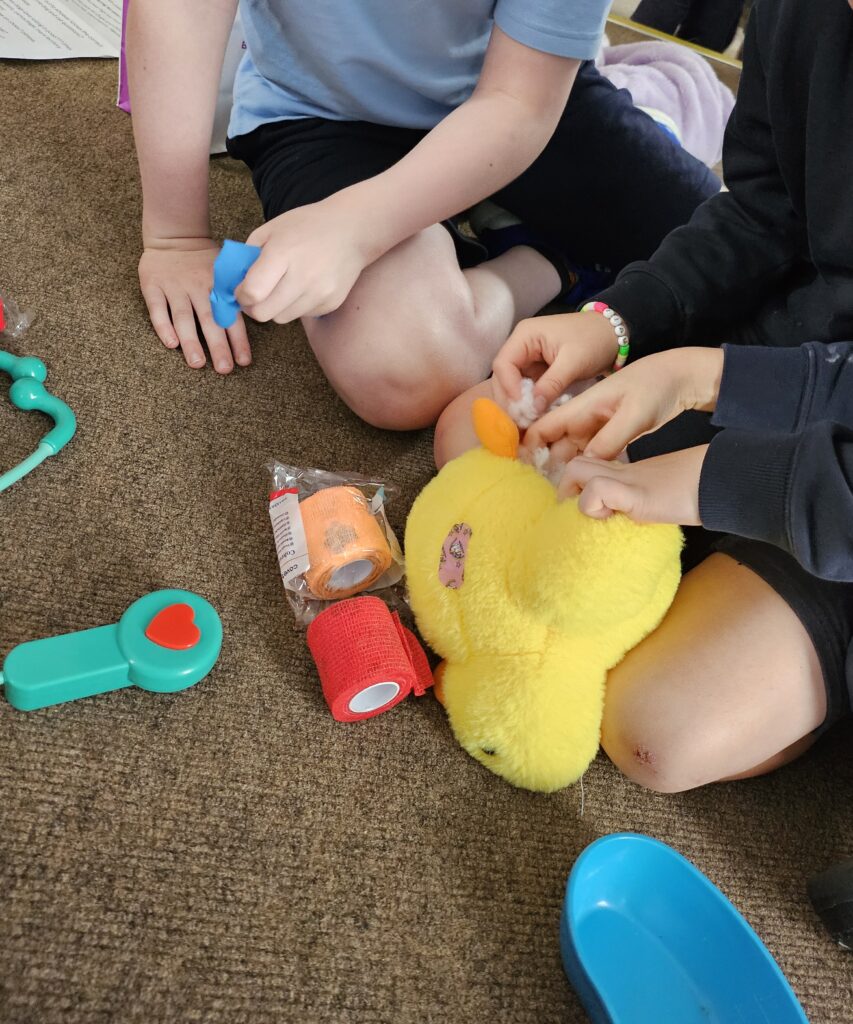
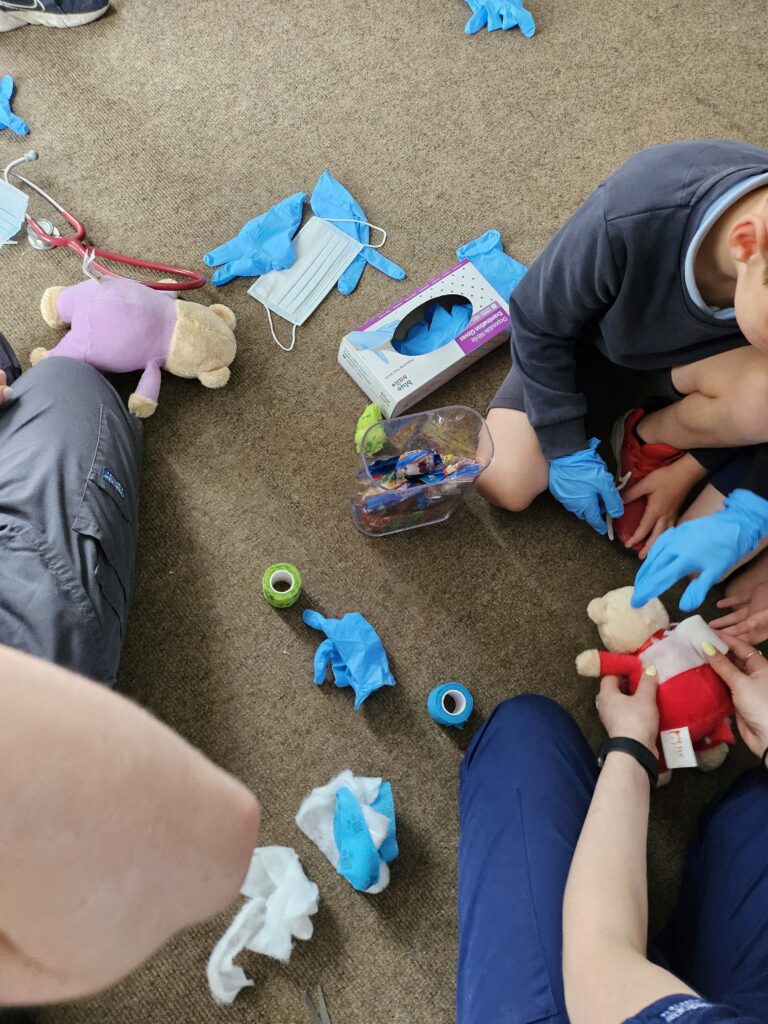
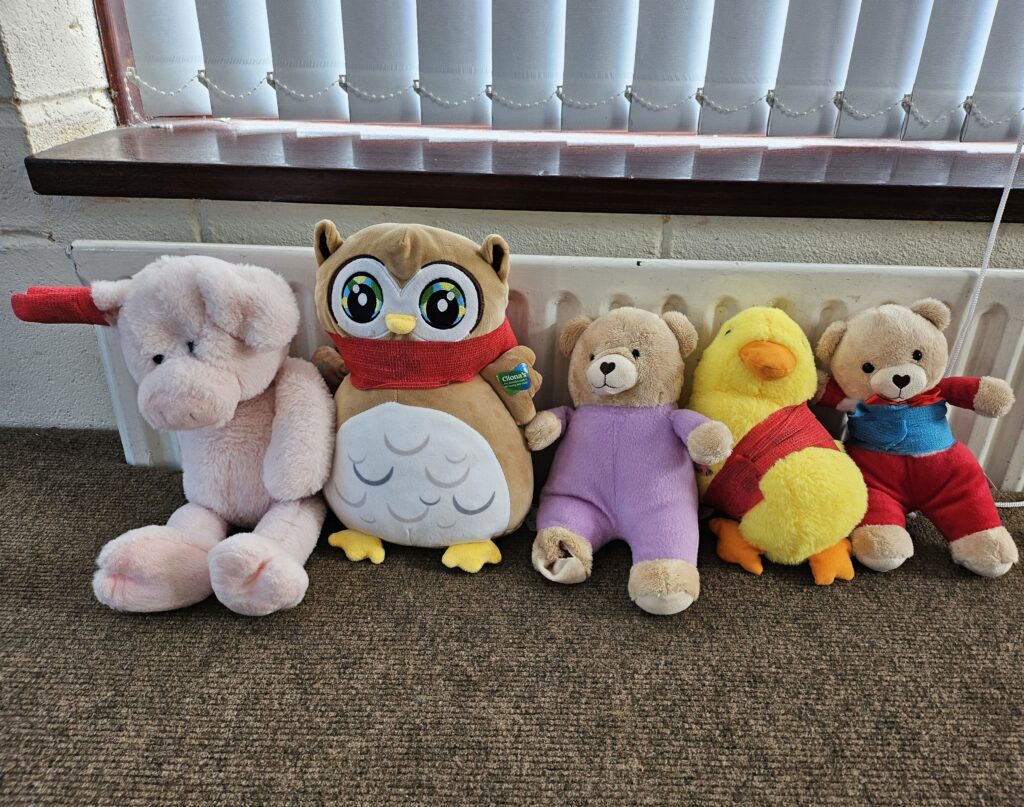
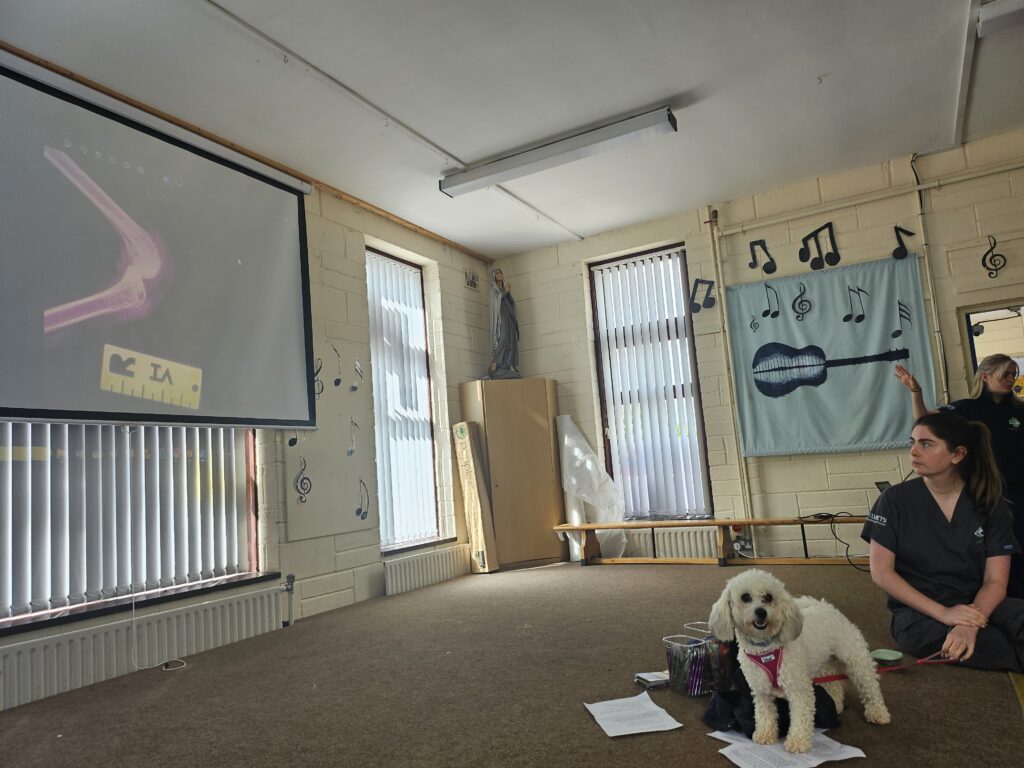
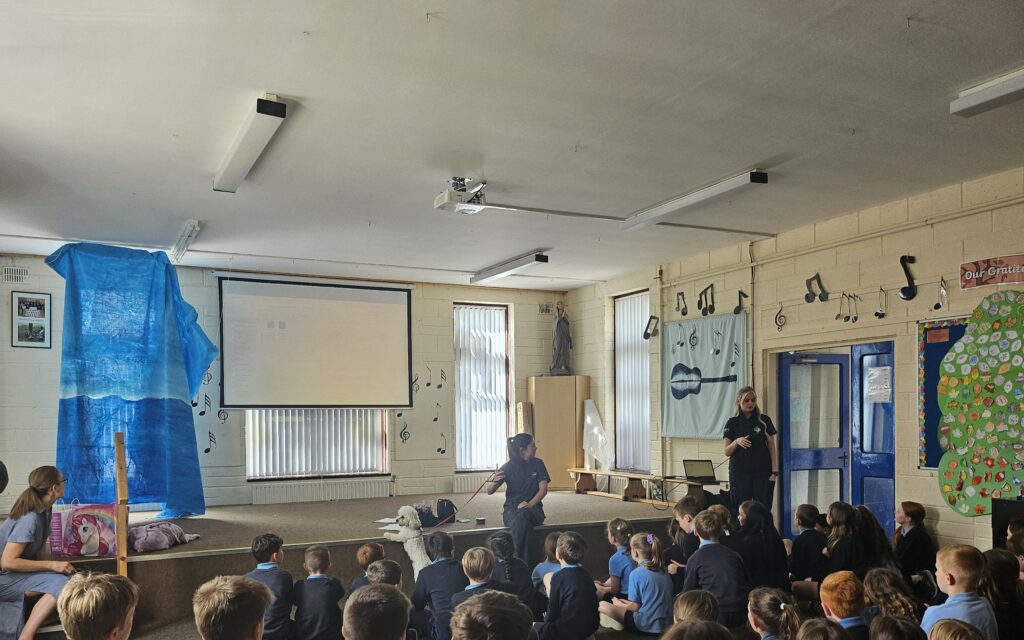
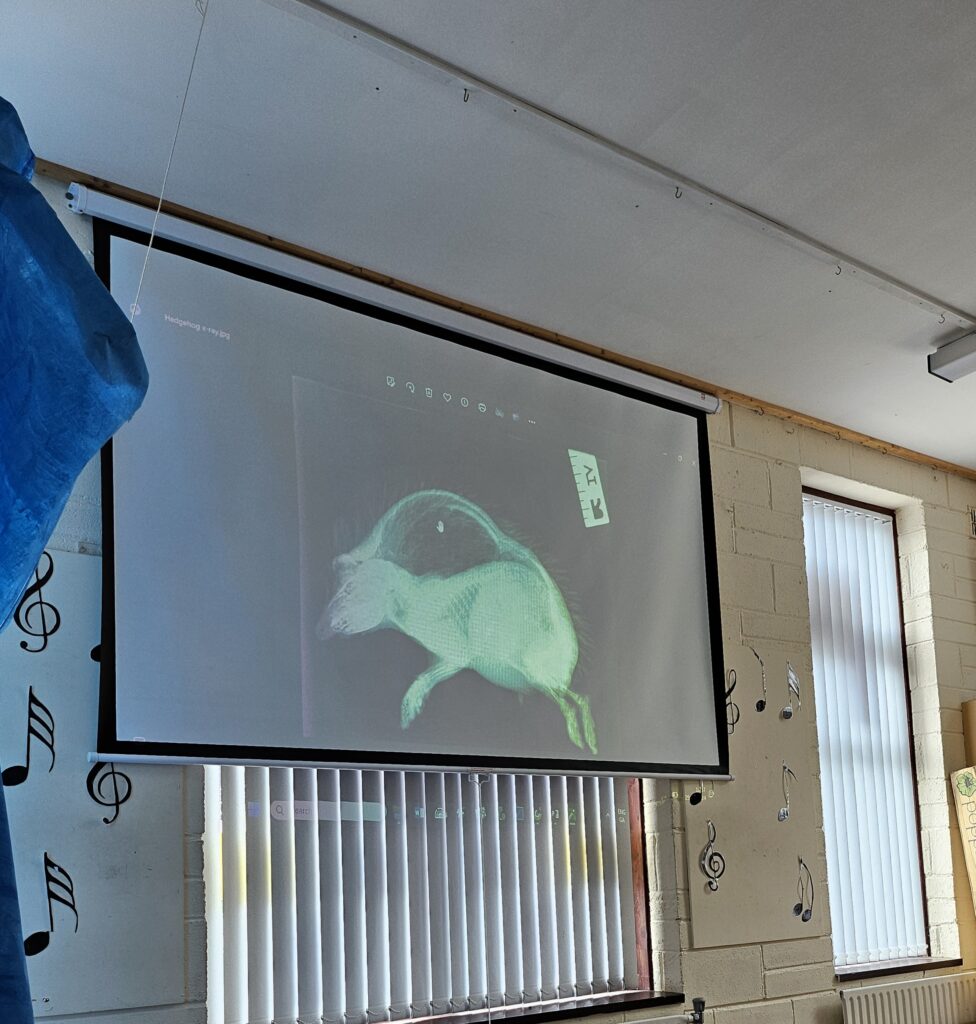
Glasslyn recently visited Scoil Bhríde in Crossmahon and had the most amazing time chatting to the pupils about pet care, Irish wildlife and career options in the Veterinary field.
We played a fun game of ‘guess the Xray’ and even roped in some Junior and Senior infants into helping us perform Teddy Bear Surgery!
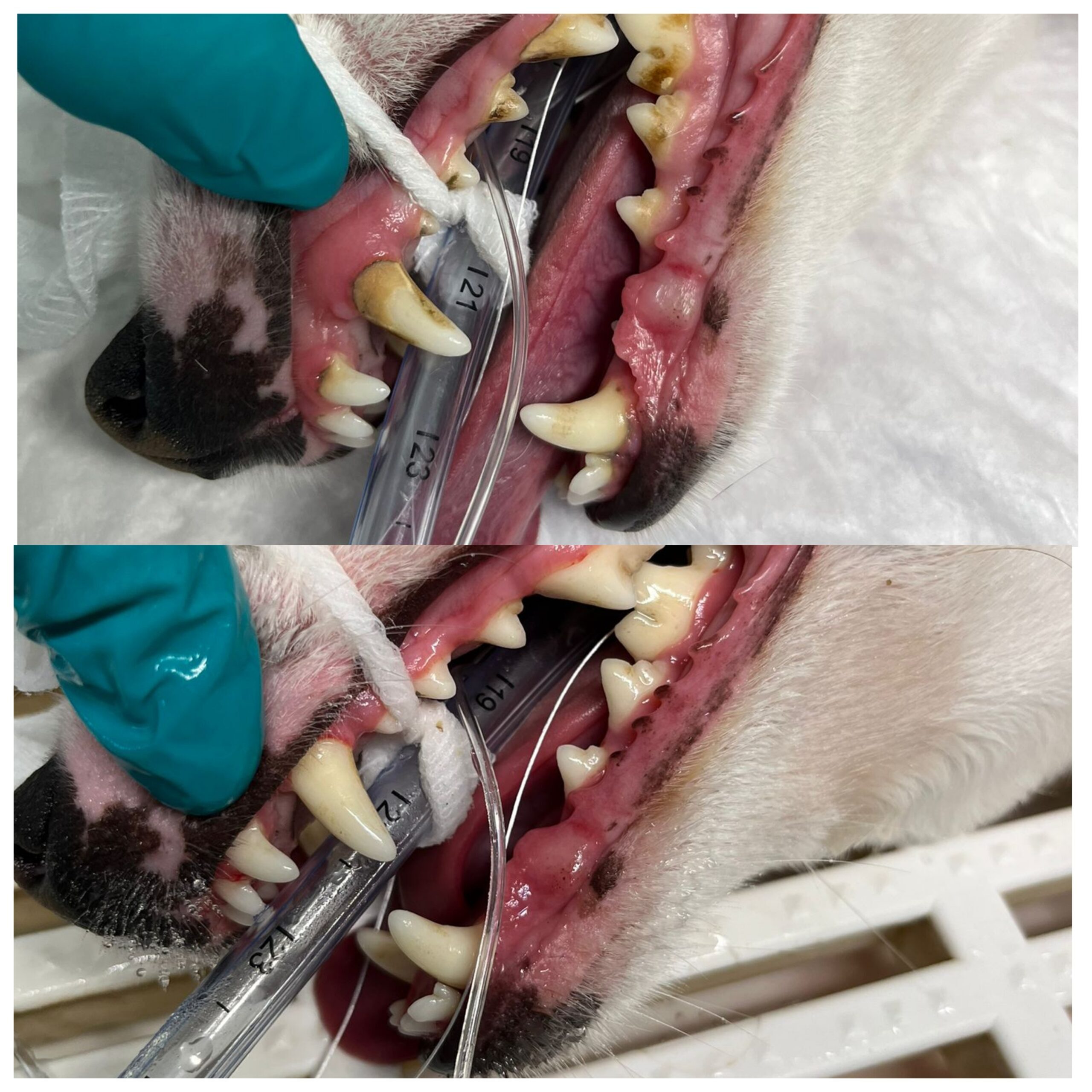
Did you know that dental disease is one of the most undertreated conditions in veterinary medicine?
Dogs and cats can both suffer from various underlying conditions leading to periodontal disease, but tooth brushing is one of the most effective tools to prevent plaque and tartar build up, but what if you cant? A lot of pet owners do not have the time – or a compliant pet – and some pets are just more prone to plaque build up than others.
That is why Veterinarians offer annual Dental check ups and Dental Cleanings that normally go like this:
Firstly, a Vet will have a look in the consult room to see it there is tartar buildup or any injured teeth or potential problems.
From there a complete mouth exam must be performed under general anaesthesia.
For a professional cleaning, intubation is also needed as we use an ultrasonic water descaler. (If the animal was not intubated, a pet could inhale water, which can lead to aspiration pneumonia)
The anaesthesia and water descaler also allows us to clean under the gum line, which is were the bacteria sit that destroy the bone that holds the tooth.
Ultrasonic descalers that do not use water get incredibly hot and can burn your pet when not used properly. They also do not clean under the gum line, making a “dry clean” not effective because the tartar on the actual tooth is not the problem, it is whatever bacterial plaque accumulates under the gum line.
General anaesthetic allows your Veterinarian to also probe the teeth after cleaning to assess the depth of pockets, gum recessions or to see if there is significant bone loss.
More and more clinics now also have dental radiography, which makes it even easier for the Veterinarian to decide if a tooth should come out or not because the amount of bone loss – and sometimes fractures can be seen better. It is also a good tool to look for missing or extra teeth and cysts!
The last step of a good dental assessment and treatment is polishing: it is the final step to destroy the bacterial biofilm.
Most dogs, especially small breed dogs, certain cats and greyhound, will need at least one dental in their life time. Some need it from as young as 3 years of age – some only when they are a bit more mature. Some dogs also need yearly assessments and cleanings in order to prevent tooth extractions.
Glasslyn offers a health plan with a dental add on, where routine boosters, flea and worm prevention and a yearly clean are included.
Come in and talk to us for options and pricing or sign up via https://go.trustvet.com/signup/glasslyn-vets.