No products in the cart.

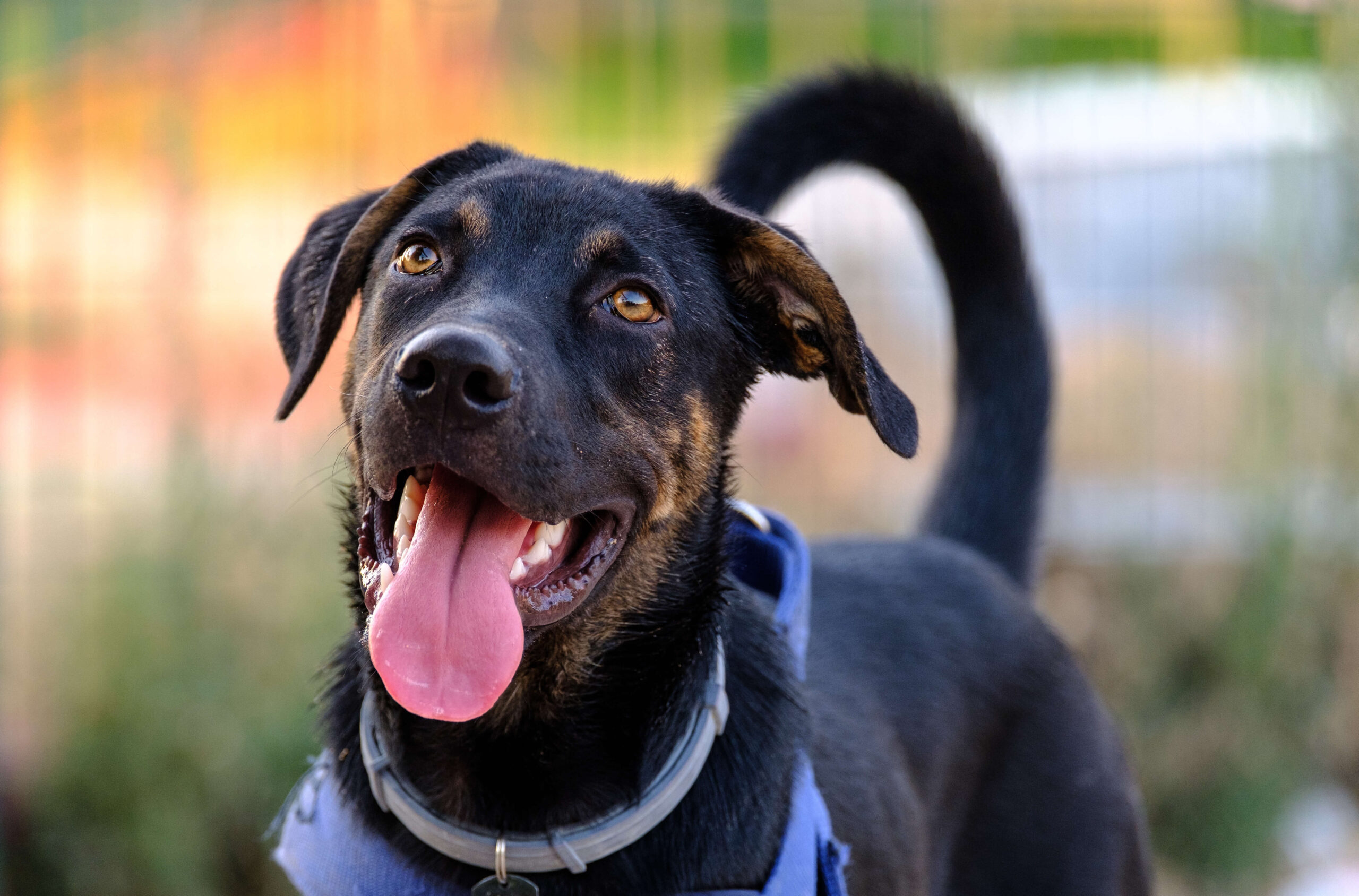
black dog portrait walking in a park, with harness and flea collar low res

Why flea & worm treatments are essential

Protecting our pets and making sure they stay fit and healthy is the most important thing when we decide to introduce a pet to our family. Throughout your pet’s life, it is crucial that you regularly utilise effective, preventative therapies to ward off parasites for the long-term health and wellness of both your pet and your family. Keep in mind that prevention is much simpler and less expensive than treatment.

What are fleas?

A flea is a small, reddish brown, wingless insect, which feeds off the blood of mammals. This can include pets such as our dogs, cats and rabbits but can also include tasty humans. Although they are small they can be seen with the naked eye and are about 1-3 mm long. They have flat bodies and very powerful back legs which mean they can jump huge distances for their size.

Fleas do not live on your pet; they just hop on and off to feed and can live in your floorboards and carpets.  Once you see a flea or flea dirt in the coat, you may have a problem in your house.

What are worms?

There are several different worms that might infect your pet and harm your pet. Roundworms, lungworms, and tapeworms are among the numerous worms that prey on animals. Some worms have the capacity to lay more than 100,000 eggs per day, which are then dispersed across the environment by the pet’s faeces.

Treatment to take

You should:

  • Kill any adult fleas on your pet to stop them biting with a spot on.
  • Break the flea life cycle to stop more adult fleas hatching out with a household spray.

Once you have identified a problem you will have to ensure rigorous flea control for a further 12 months before you can be confident that you have resolved it.  But of course: prevention is best.

At Glasslyn Vets, we always promote the importance of flea and worm treatments for your pet to ensure they are protected against one of the most common dangers.  We stock Advocate (a monthly spot on) and Bravecto Plus (a 3 monthly spot on), which treat fleas and most worms.  In addition, you should give your cat a tapeworm tablet very 6-12 months if she is an outdoor cat. Do it twice yearly if she is an avid hunter.

If you would like to know more about flea And worm treatments, contact us today.

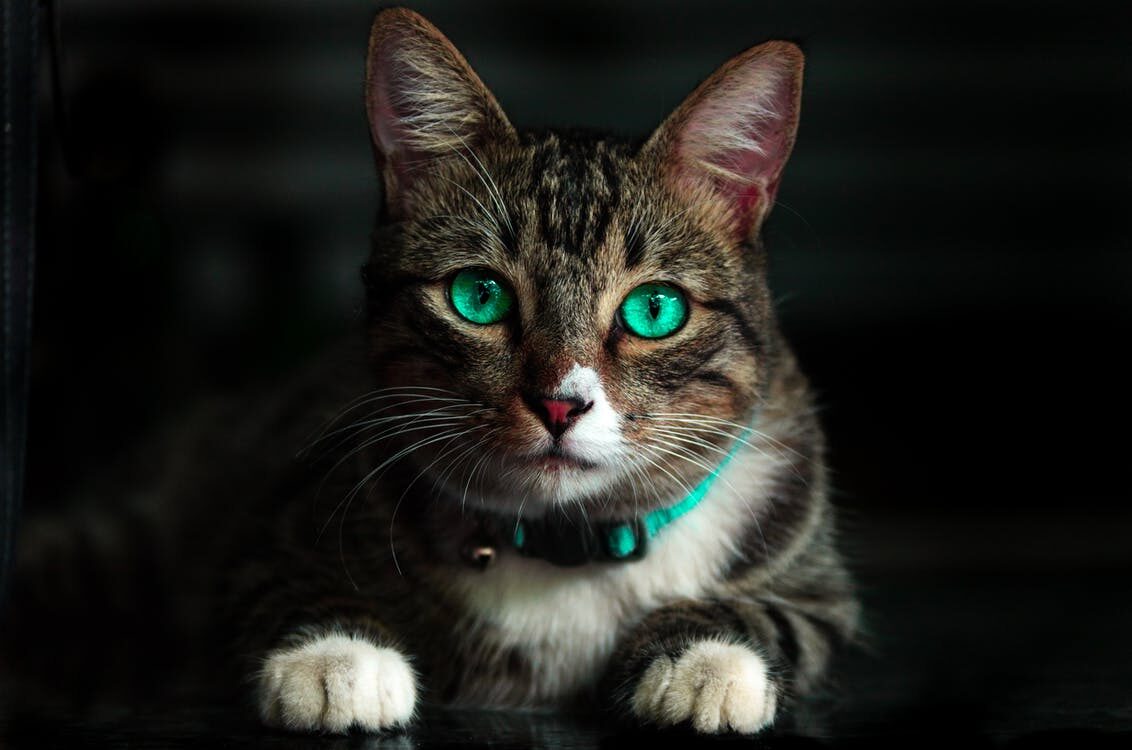
pexels-photo-617278

FIV and FeLV

What is FIV?
Feline Immunodeficiency Virus is a virus that attacks the immune system. It is commonly
transmitted through saliva and blood, for example bite wounds, and is more common in outdoor
or feral cats that are not neutered.

What is FeLV?
Feline Leukemia Virus also attacks the immune system, but this is mainly transmitted through
body excretion exchanges such as sharing litter trays/food bowls or mutual grooming.

Symptoms of FIV and FeLV include the following:
• Upper respiratory Issues
• Fever
• Poor appetite
• Oral infections/inflammation
• Diarrhoea
• Anaemia

Here in Glasslyn we offer a test which requires a small blood sample from the patient and only
takes 15-20minutes for results. This can be booked in through a consultation with one of our
vets. A small blood sample must be collected from your cat to run the test, and the results will be
ready within 15-20 minutes. We advise to wait until they are at least 6 months of age before
testing for any of these viruses. Cats that test positive for FIV/FeLV can still potentially lead a
normal life but would require more care and attention and would also be advised to live indoors
to reduce the risk of the virus spreading to other feline friends.

Vaccines against the FeLV virus are available here in Glasslyn but unfortunately there are no
vaccines available to protect against the FIV virus.

Neutering is strongly advised from 6 months of age to reduce the spread of these viruses.

November is “Cat Appreciation Month” here at Glasslyn and we are offering 10% off all cat neuters in our Bandon and Kinsale branches during the week of the 14th of November. Book early to avoid disapointment!

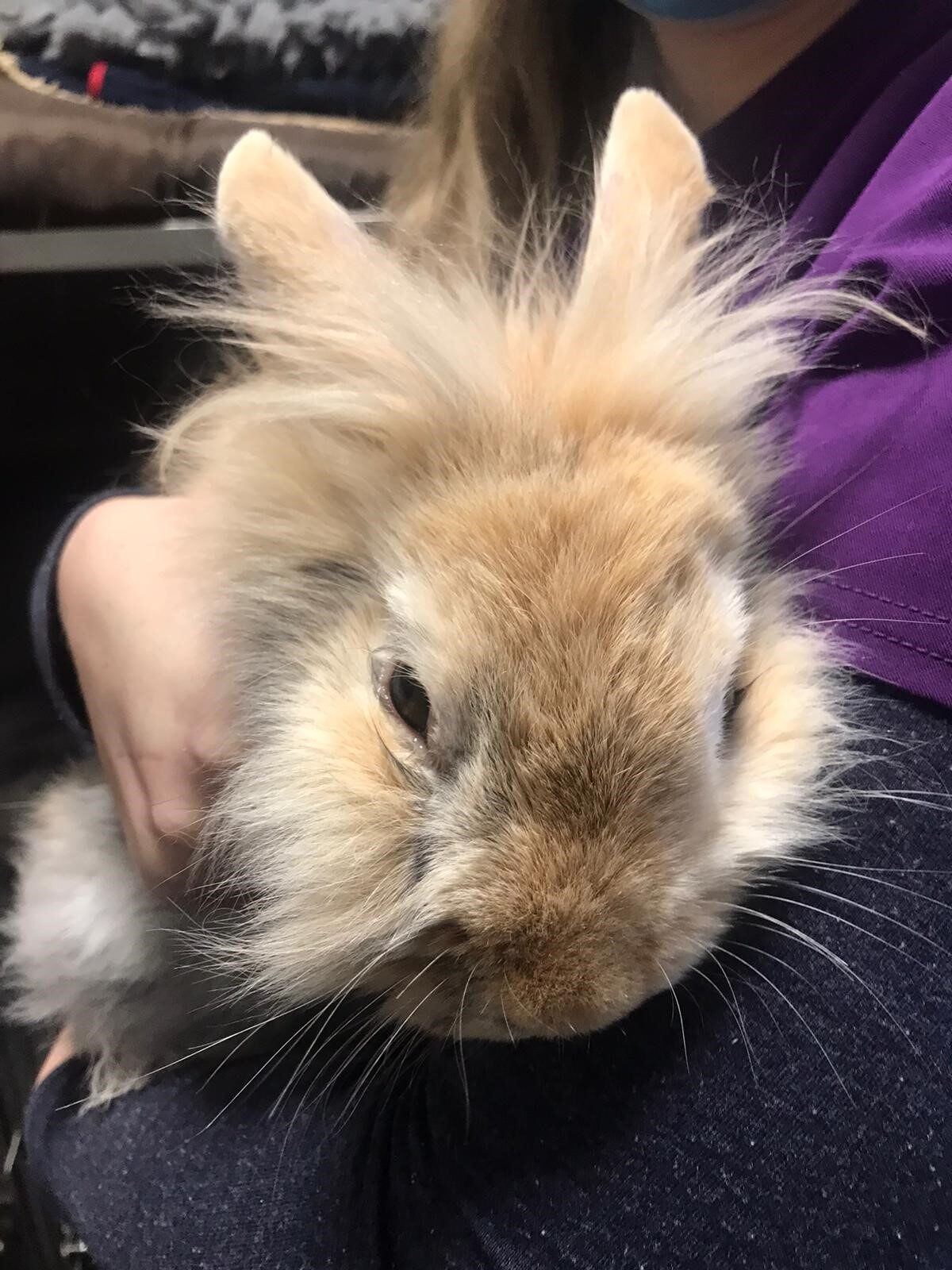
bunny2

Rabbits as a Pocket Pet

For celebration of Pocket Pets month, we will focus on rabbits in this article.
Rabbits are great little pets with a lot of personality. They are very sociable animals and should ideally be kept as a pair but can be kept alone. They will give their owner a lot of love and attention!
They are also very intelligent and can learn a lot of tricks with some patient training.
As a ‘Pocket Pet’, they need less space than a medium to large sized dog, so an appropriately sized cage and a few outings a day in your flat/ house or garden, will suffice plenty.
Another positive point of owning a rabbit is that, compared to some other small furries, they get relatively old, usually reaching 8 years or older.
When it comes to expenses, rabbits might look small – but they actually do eat a lot. Pellets and vegetables only make 10% of their diet, the other 90% consist of hay (or grass if you have plenty of it).
They also have a very fast metabolism and a trip to the vet can be quite costly because they often require the same amount of drugs than a large dog! Rabbits can also be very complex and when they are poorly, we often have to address and treat multiple organs at once.
Routine vaccinations against Myxomatosis and viral Haemorrhagical disease should be performed once yearly, as well as regular deworming if they are kept outside.
In any case, rabbits make great family pets, especially for people who do not want to go for walks or enjoy a silent pet, but make sure to do your homework.

arthriti article

Pain Management in Arthritic Cases

I personally use the WET (weight, exercise, treatment) approach.

Weight: Excess pressure puts a huge strain on joints and when looking at a pain scale (i.e. 10/10 for pain), the pain score drop most significantly in obese animals who lose weight.

The advice is simple if you pet is overweight: cut out any treats or replace them with low calorie treats (such as Educ treats) and if your pet already does not get any extra food, reduce the food intake overall by 20% or failing that, switch to a prescription eight loss diet.

Here at Glasslyn, we are always happy to perform free of charge weight clinics – you can call us to book in for those!

Exercise: Ideally, every arthritic dog would get a physio- or hydrotherapy referral to target specific problem joints.

But in general, low impact exercise in the water (minimum of 10 minutes twice weekly) and little and often is best.

5K walks should not be your priority anymore as prolonged forces will put abnormal pressure on the joints and will worsen arthritis in time.

Treatment:

In the acute phase of arthritis, we should focus on acute pain management.

Our first line treatment is usual non-steroidal anti inflammatories (i.e. carprofen/ meloxicam), as it also deals with soft tissue swellings.

Sometimes we add in gabapentin or other pain killers that belong to the opioid group.

Recently, new products have come out on the market: Librela for dogs and Solensia for cats. This is a mononuclear antibody injection that mops up the messenger that signals arthritic pain. This provides superior pain relief, is however quite costly and is usually reserved for more advanced cases.

Personally, I also like putting a lot of emphasis on improving joint quality.

By improving the joint quality, we do not only eventually get a pain killing effect so that we can use less pain killers in the longer term but we also might slow the progression of arthritis down.

I quite like Cartrophen injections for dogs, which is pentosane sulphate and this injection is given weekly for 4 weeks. After the 3rd injection, 75% of clients see a vast improvement (usually after the 4th injection 99% of clients see a big improvement in the dog’s gait and pain level). The course of injections is repeated every 6-9 months (depending on the severity of the arthritis) .

Cartrophen not only improves the joint fluid quality but also prevent nasty enzymes gnawing away at the cartilage – thus it has the potential to slow down the progression of arthritis.

In addition, essential fatty acids (EFAs) reduce inflammation overall and should also be used. These are usually combined with glucosamines and chondroitin, which are proteins that we do find in joints – but it was discovered that there is no glucosamine transporter in the intestines, which means glucosamines need to be built down and up again as they are not directly absorbed.

Other supplements, such as boswelia or turmeric may also be used.

In any case, a multimodal approach is needed to manage arthritis.


298251134_5184047438370769_2180502823837650168_n

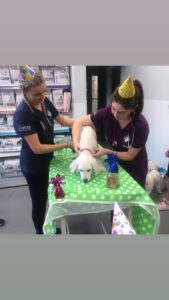
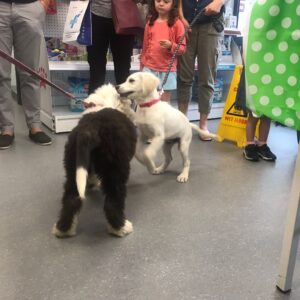
Glasslyn Vets Puppy Party!


On 24 August 2022 Glasslyn Vets hosted a Free Puppy Party!

This included a free Vet check and loads of goodies like Food, Toys, Poo bags, Treats and Vouchers.

Keep an eye on our Website Homepage and social media pages for our next event!

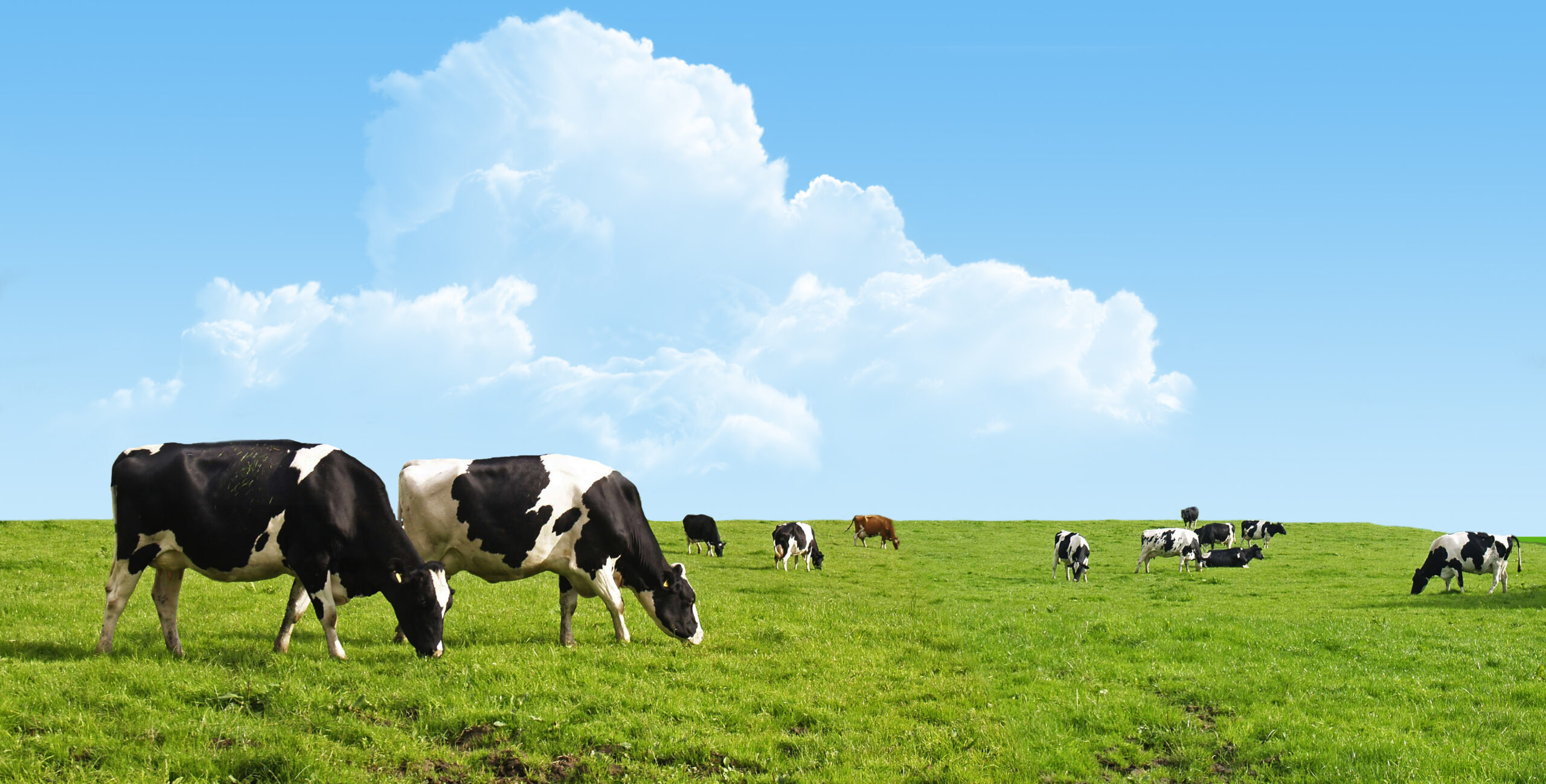
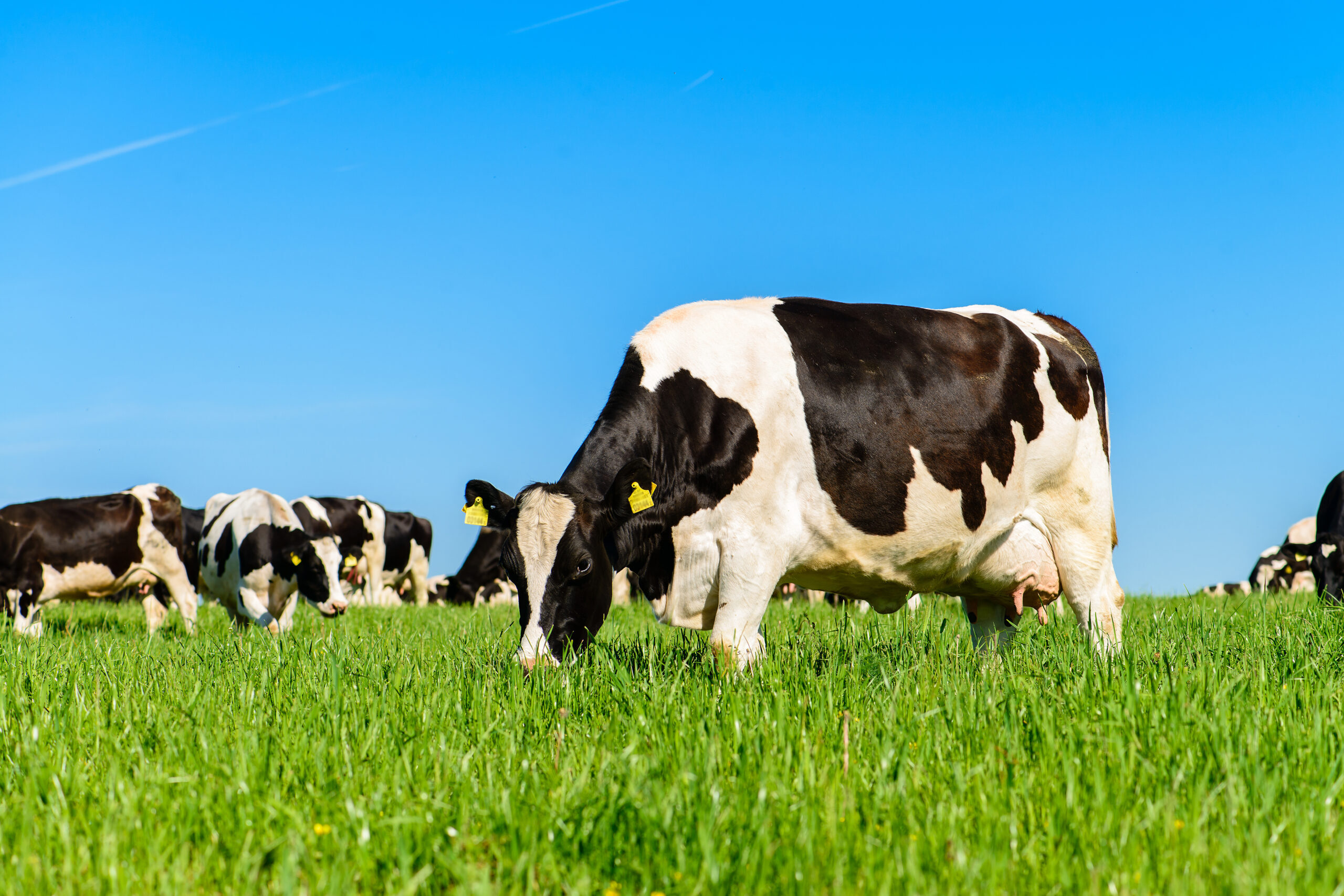
Cows grazing on a green field.

Managing herd lameness

As herd sizes increase, the incidence of lame cows is also increasing. Increased walking distances and increased standing times have a detrimental effect on cow hoof health. Lameness is not only a problem for the cow; it can lead to significant financial losses for the farm business.

Considering the fact that every case of a lame cow can cost up to €300, having a herd plan in place for lameness is vitally important. The cost of a case of lameness includes the loss of milk production for 2 months before and up to 4 months after the clinical case, the veterinary bills, the increased infertility and the increased risk of culling.

The four main causes of lameness in an Irish grazing system are:

White Line Disease

White line disease is the separation of the hoof wall from the sole on the outside claw of the hind foot. It may start off as a thin black line but it fills with grit and stones causing pain and sometimes infection. Treatment includes trimming the affected claw, a shoe on the good claw and anti-inflammatory injection. Most of these do not need antibiotic treatment.

Digital Dermatitis (Mortellaro)

Highly contagious, this initially looks like a red rash, and can develop into extensive skin loss and scabbing around the cleft between the claws and on the heel. Treatment involves topical antibiotic spray daily for up to 5 days. Do not put these cows through the footbath. Prevention is the best approach to Digital Dermatitis with weekly foot bathing using formalin, copper sulphate or inorganic acids. Talk to your vet about the best location for your footbath, and the conentrations of products to be used. Try not to use a plastic footbath because generally cows do not like walking through them and as a result you will not use it as often as you should.

Solar Bruising and Ulcers

Red to dark purple discolouration, which only becomes visible about 2–3 months after the damage has been done. Sole ulcers can develop from very severe bruising. These occur when the tissue under the hoof becomes inflamed and can break through the horn, or cause under-run sole. Excess horn should be trimmed from around the ulcer, a shoe applied to the opposite claw, topical antibiotic applied and anti-inflammatory injection.

Foul in the Foot/ Footrot

Symptoms include swelling above the hoof, splayed claws, and a foul smelling secretion between the claws. It is caused by bacteria entering the foot through cracks in the skin caused by dirty wet conditions. Treatment requires antibiotics.

How to reduce lameness

Look at your own behaviour

  • Watch the rear group of cows and make sure their heads stay down (if the head is up – they are being pushed)
  • Ensure they aren’t pushing each other (cows don’t like body contact)
  • Do not rush the back of the herd with dogs or quad bike

 Roadways

  • Well-designed
  • Firm, compacted base material
  • Crowned to keep water off – Non-damaging surfaces, well-drained edges
  • Width sufficient for herd size (min 5 m)
  • Free of congestion points – avoid right angle bends, narrowing of race, mud holes, excess crowning

 Collecting yards

  • Ensure plenty of space in the yard to congregate – a minimum of 1.3 square metres space for Jersey cows and 1.4 to 1.5 square metres space for Friesian cows (depending on their size and the design of the shed)
  • Look for any other factors that would make cows fear the yard (slippery concrete, stray voltage, electrified backing gate)
  • Use the backing gate only to take up space, not to push cows

 Prevalence and cost

  • 20-35% of cows suffer some degree of lameness
  • 90% of lameness is in the foot, with 80% in the hind limbs and 80% of these cases in the outer claw
  • Clinical lameness is estimated to reduce milk yield by 350kg per lactation
  • A case of clinical lameness is estimated to cost €160 – €300


Point Lameness Reduction Plan

  1. Record keeping (not just lameness, of course!)
  2. Early detection and effective treatment
  3. Minimising risk of injury (risk assessment, design and construction of facilities, and understanding of the dairy cow for good stockmanship and low stress handling)
  4. Hygiene or minimizing risk of infection (footbaths and facilities)
  5. Good health for the foot (cow comfort, avoiding health issues)
Salmonella low res

Vaccinate against salmonella in your herd

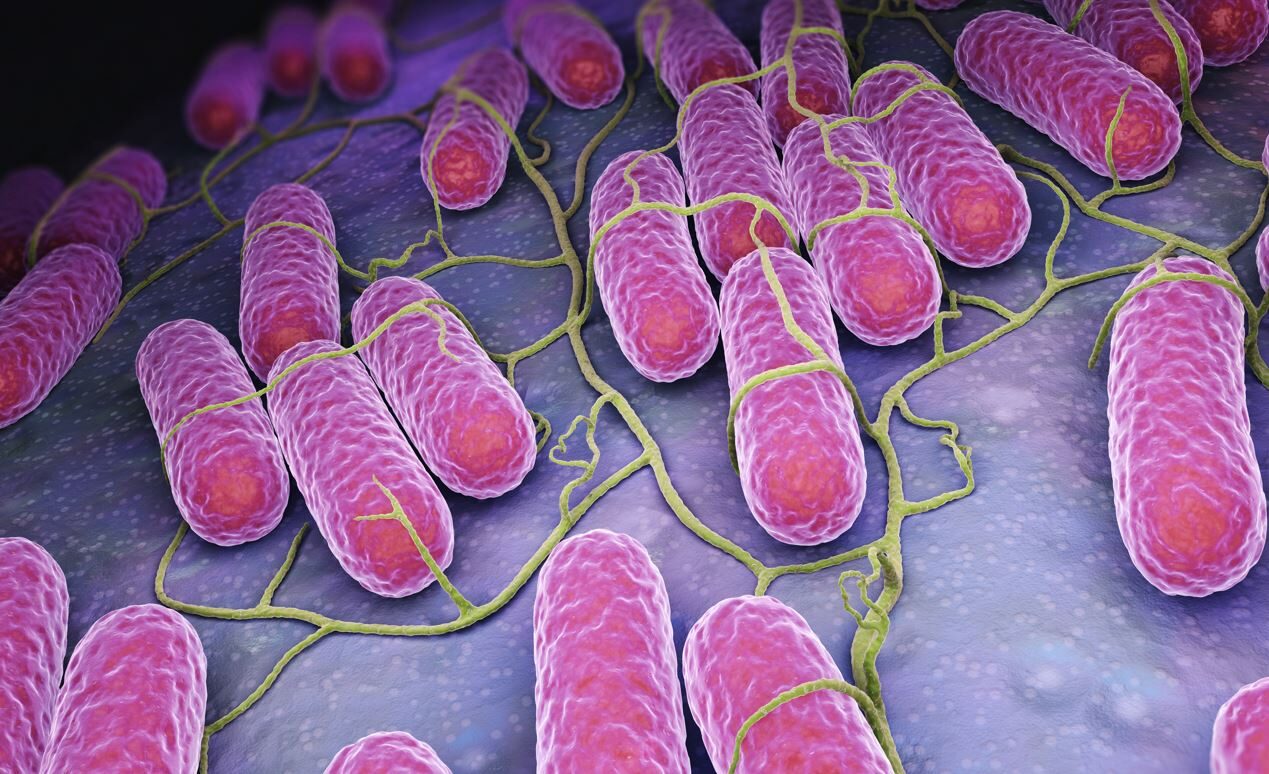
There are multiple clinical signs of salmonellosis. The most common are diarrhoea and abortion, predominantly caused by Salmonella typhimurium and Salmonella dublin respectively. Once infected cattle can acquire immunity and recover or remain carriers. These carriers can shed the bacteria constantly, intermittently or become latent carriers.

Economic implications are not only restricted to treatment costs and mortality, but significantly affect productivity subsequently profitability.

Production losses:

  • Decreased milk production
  • Can lead to fewer calves/cow/year
  • Decreased daily weight gain
  • Ill thrift

Abortions caused by Salmonella dublin in spring born dairy herds likely commence in autumn and peaking in November.  It is therefore recommended to vaccinate pregnant heifers with a primary course, or a booster, at least 2-3 weeks before this main risk period.

Vaccination protocols for Bovilis Bovivac S:

  • Aged 6 months – adult: Two 5ml doses 21 days apart
  • Revaccination annually 2-3 weeks before the main risk period, or 3-4 weeks pre-calving provided a primary vaccination course has been completed by subcutaneous administration
  • Calves from approx. 3 weeks to 6 months can start their primary vaccination course: Two 2ml doses 14-21 days apart

Implementing a vaccination programme in addition with strict management and good husbandry practices will provide cattle with immunity to reduce infections.  Contact our team today to schedule your vaccination.

cows graze on a green field in sunny weather, layout with space for text

Making the most of milk records

Our colleague Kevin Meaney MVB Cert DHH, Southview Veterinary Hospital and XL Vets member, gives a very good insight into how to interpret and act on milk quality reports.

Mastitis and high somatic cell counts (SCC) can be one of the most expensive health problems on a dairy farm. Teagasc research has shown an increase of 1.3 cents per litre in getting a bulk Milk Cell Count from 200,000-300,000 to below 200,000. In a 94-cow herd, this was shown to increase the farm profit by 33%. Milk recording is an essential tool in monitoring mastitis levels on farm- without it, reliable and effective milk quality control is impossible.

As well as udder heath information, milk recording gives us valuable information on the production performance of cows, which helps us to make decisions on a herd and individual cow level, but here we will concentrate on how to find, interpret and act on milk quality reports.

Upon logging into IBCF, you will see on the right side of the dashboard a list of the most recent reports; these are usually the latest milk recording reports.
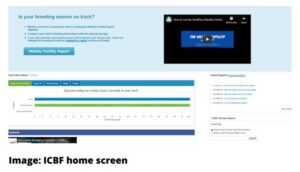
Alternatively, clicking on menu on the left upper corner of the screen, then, selecting reports, then milk management, will allow you access to all your milk reports (See ICBF Reports Menu image below).

Milk Recording Reports

There are 4 Milk Recording Reports;

More commonly used

  • The CellCheck Report; this gives herd-level analysis in a very easy to read format Milk Recording Farm SCC Report (Problem Cow Report);
  • Milk recording Farm Summary Report; this divides herd information into groups based on Autumn/Spring calving and age – may sometimes provide insight into mastitis problem, if there are other management problems Milk recording detailed.

Less commonly used

  • Milk recording Farm Summary Report; this divides herd information into groups based on Autumn/Spring calving and age – may sometimes provide insight into mastitis problem, if there are other management problems.
  • Milk recording detailed Farm Report; this provides a lot of general information on each cow on the farm- not commonly used for mastitis control.

Cell Check Report

This report is a very powerful tool that very quickly and clearly shows us how the herd mastitis control is performing and highlights any worrying trends. It evaluates 4 measures of performance; (and gives the farm a quick, eye-catching star rating for each) 1

  1. Somatic Cell Count
  2. Mastitis control during lactation
  3. Mastitis control during dry period/calving
  4. Clinical mastitis

Somatic Cell Count

This section starts with the bulk milk versus the average SCC at the recording, showing the effect of cows withheld from the tank on the overall SCC of the herd. It also gives the percentage of infected cows in the herd; the higher this is, the greater the source of infection for other cows and the greater the risk of spread. Finally, there is an estimate of loss of milk production, to illustrate the cost of the problem and the benefit in resolving it.
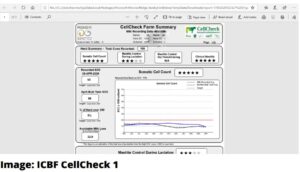
Mastitis Control During Lactation

The recent infection rate identifies the percentage of uninfected cows at the last recording that are now infected. An increase here points to possible problems with the milking regime and control measures. The Chronic infection rate identifies the percentage of cows with persistently high SCC. These animals are a source of infection to other cows and are less likely to resolve or respond to treatment. Many of these cows will need to be culled, so an increase above the 8% threshold presents a serious and expensive problem.
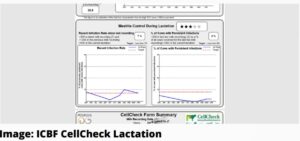
Mastitis Control in Dry Period/ At Calving

The New Infection Rate over the Dry Period gives the percentage of cows that dried off without a high SCC but had one in the new lactation. This may point to poor hygiene at or around the time of drying off, or during housing, calving down or early lactation. It also raises questions about the efficacy of the dry cow therapy and use of sealers.

The Cure Rate over the dry period, is the real test of the Dry Cow Therapy and culling policy. Low cure rate suggests ineffective dry cow tubes but could also mean that some cows should have been culled last autumn, instead of drying off.
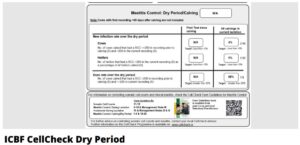
Clinical Mastitis

This section is usually blank, because very few farmers take the time to log onto ICBF and record use of mastitis tubes or clinical mastitis. This is a pity, because accurate recording of this information can be really useful on an individual and herd level- it is very informative to see how many times a cow has been treated for mastitis, along with her SCC results for the year. This can be done on the ICBF event recording option on the menu on the top left corner of the dashboard, or by text message to ICBF. To register your mobile number telephone 1850-600-900.

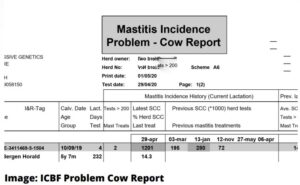
Milk Recording Farm SCC Report (Problem Cow Report)

This report lists the mastitis information for all the cows that had a high SCC in this lactation, order of their SCC at the last recording.

For each cow it gives up to 7 important pieces of information;

  1. Age- a big factor in response to therapy
  2. Lactation- again older cows less likely to respond
  3. Number of tests over 200,000 in this lactation- is this a recent or chronic infection?
  4. SCC results for the last 3-4 recordings; very high results indicate poorer response to therapy
  5. (and 6.) Average SCC and number of high SCC results in the last lactation- cows that were infected in the last lactation and again in this are very unlikely to respond to Dry Cow Therapy this time around
  6. Number of mastitis treatments in this lactation and the last very useful information to have.
Actions – What to do with all this information

  1. Identify new cases (recent infections)
  2. Identify infected quarters, using California Mastitis Test (CMT) and sample for culture.

Options include;

  • Treat infected quarter with mastitis tubes – only likely to work in quite new cases
  • Dry Off the quarter – do not treat with dry cow therapy, watch closely for mastitis
  • Dry off cow – a longer dry period increases cure rates and reduces risk to rest of herd
  • Cull the cow (See 4. below)
  1. Review management
    1. Identify the bacteria causing the infection this will help to pick the most effective control measures
    2. Identify the source (High SCC cows) and is from uninfected cows. Options include;
      • Milking last
      • Running a separate high SCC group
      • Culling infected cows

Identify risk factors for spread – there are too many of these to discuss here, and the risks on your farm need to be identified and resolved, your vet will be happy to advise you on this

4.  Culling decisions – Unfortunately, a large proportion of problem cows will ultimately need to be culled because of a SCC problem. Which cows to cull depend on a number of factors;

  1. Herd Factors – these will determine how many animals you can afford to replace;
  • The level of infection in the herd
  • Number of in-calf replacement heifers
  • Number of cows culled for other reasons, such as infertility or lameness

2. Individual Factors – these will determine which cows will be at the top of the culling list and which will be further down;

  • Number of high SCC results in this lactation- more high results means a poorer response to Dry Cow Therapy
  • Number of high SCC results- high SCC last year, and again this year point to a poor chance of response to Dry Cow Therapy- these cows go to the top of the culling list
  • Age – generally cow in their 3rd lactation or higher show a poor response to Dry Cow Therapy
  • Changes to the udder- this is a factor that is often overlooked, but if a cow has a lumpy udder, she is much less likely to respond to Dry Cow Therapy
IMG-20220725-WA0041

Caring for your new puppy 2 months – 2 years

Congratulations on your new family member! Dogs are a great addition to every family and provide years of unconditional love & companionship. The following is a bit of advice to help get your new best friend off to a great start.

Puppies generally go to their new homes at 8 – 12 weeks old. Here at Glasslyn we advise that you start vaccinating your new pet at 8 weeks old. This vaccine (known as a 7 in 1) covers your pet against distemper, hepatitis, parvovirus, parainfluenza & leptospirosis. After their initial vaccine they get a booster 4 weeks later (at 12 weeks old) they get another booster once they turn 9 months old. After this they get a vaccine every 12 months to help protect them for the rest of their lives. We also advise your dog gets a kennel cough vaccine, this is required for all kennels, puppy day care etc. Once your pet has had their initial course of vaccines (at 13 weeks) they are safe to get out and begin socialising with other puppies & people. It is important to start socialising your pet at a young age to help prevent behavioural problems when they are older.

It is also important to ensure that your pet is up to date with their parasite treatments. You must be especially vigilant with younger animals who need to be treated more often than adult pets. Puppies should be wormed every 2 weeks until they are 12 weeks old, every month until they are 6 months old & every 3 months after this. Flea treatments can be given monthly or every three months depending on the product used.

Neutering your pet is another important part of owning a dog. Neutering helps prevent unwanted litters, mammary/prostate cancers, womb infections, wandering & behavioural issues. Dogs can be neutered from 6 months onwards depending on the breed of the dog:

  • Small breeds can be neutered from 6 months
  • Medium – Large breeds, we advise to wait until they are 1 year old
  • Giant breeds, we advise to wait until they are 2 years old

*This can vary with certain breeds

Female dogs cannot be neutered while they are coming into or already in season. We advise that you wait 8 weeks once their season has ended to get them neutered. It is important to ensure that they are kept away from any unneutered male dogs both in your own household and outside while they are in season.

We stock a variety of breed & age specific foods for your dog at our clinics. It is vital to feed your pet an appropriate diet throughout their lives and we can advise you more about this when your puppy comes in for their vaccinations & neutering appointments.

Our pet health plan starting at €15 a month includes all your dog’s vaccines, parasite treatments, an annual check-up and 15% off neutering & food. You can sign up for it at any stage either online or in person.

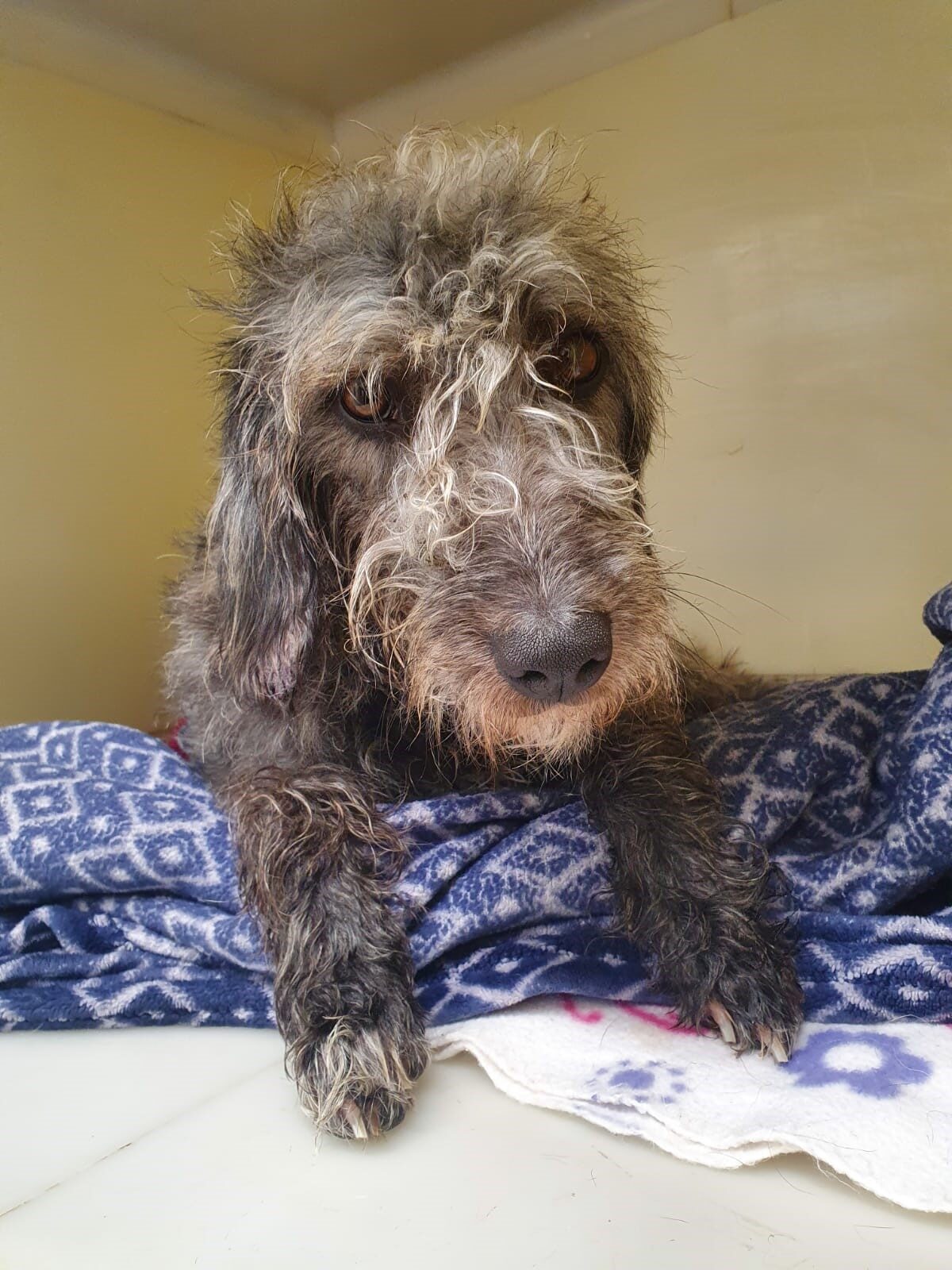
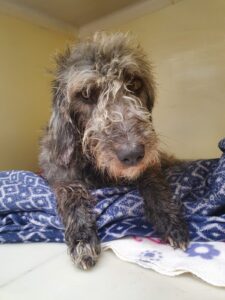
smeagol

First steps in choosing a puppy

Firstly when looking for a puppy, prospective owners should research what dog breed would suit their family circumstances. Certain breeds require a lot of exercise, particularly working dogs ie collies, huskies etc. Owners need to make sure that they can offer the time and commitment to exercise and spend time with them, as often they can become frustrated and develop behavioural problems if their needs aren’t being met. We also need to consider some health issues which may arise in some dog breeds ie. respiratory, skin and orthopaedic issues.

When viewing the puppy, owners should ideally see both parents of the pup and the house itself, to ensure both parents are healthy and the pup is coming from a good home. It is not recommended to collect pups at the side of the road or shopping centres etc. Legally all pups should be microchipped and registered when being sold or rehomed. Puppies should be at least 8 weeks old before being rehomed and ideally have the first vaccine given of DHPPi and L4.

A 2nd vaccine of the same is normally given 4 weeks after the first injection. This is to protect your pup against infectious diseases such as parvo virus and leptospirosis (Weil’s disease). It is important for everyone at home including the puppy, that they are vaccinated.

Bandon Contact Details
📞 023 8841404
📍 Station Road,
Bandon,
Co. Cork.
Ireland.
P72 FY72
Muskerry Vets
📞 02641055
📍 Sawmill Yard, Macroom,
Co. Cork,
Ireland.
P12EY80

Kinsale Contact Details
📞 021 4772277
📍 1 Church Square,
Kinsale,
Co. Cork.
Ireland.
P17 W281
Carbery Vets
📞 023 8845206
📍 Bridge street
Dunmanway
Co Cork
Ireland
P47FN36