No products in the cart.

Category: General Health

cardio

From Murmurs to Miracles

From Murmurs to Miracles, Inside the World of Animal Cardiology at Glasslyn Vets


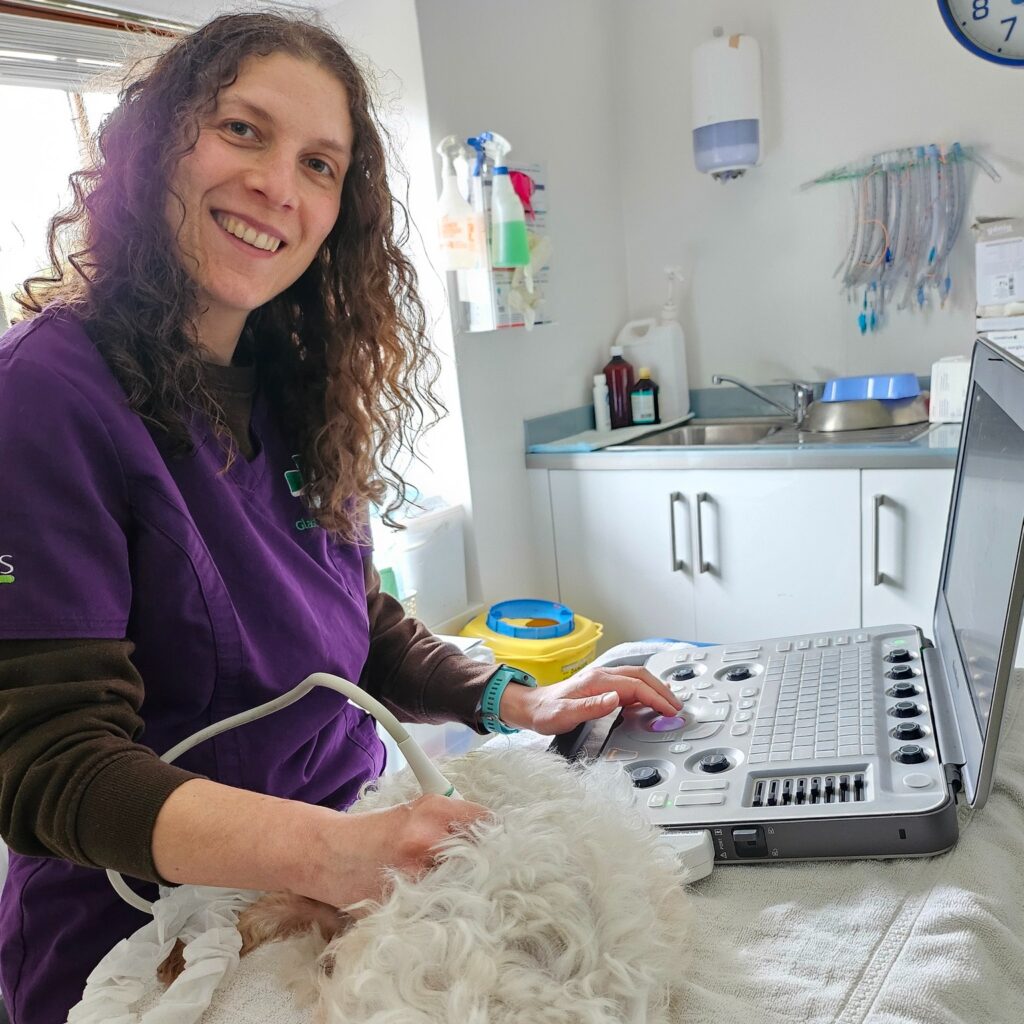
At Glasslyn Vets, we know that every heartbeat matters — especially the furry, whiskered, or occasionally ferret-shaped ones. Our independent cardiorespiratory referral service is here to help pets with heart and breathing problems get the expert care they deserve. Dogs, cats, ferrets… if they’ve got a ticker, we’re here to keep it ticking happily.

Top-Tier Diagnostics

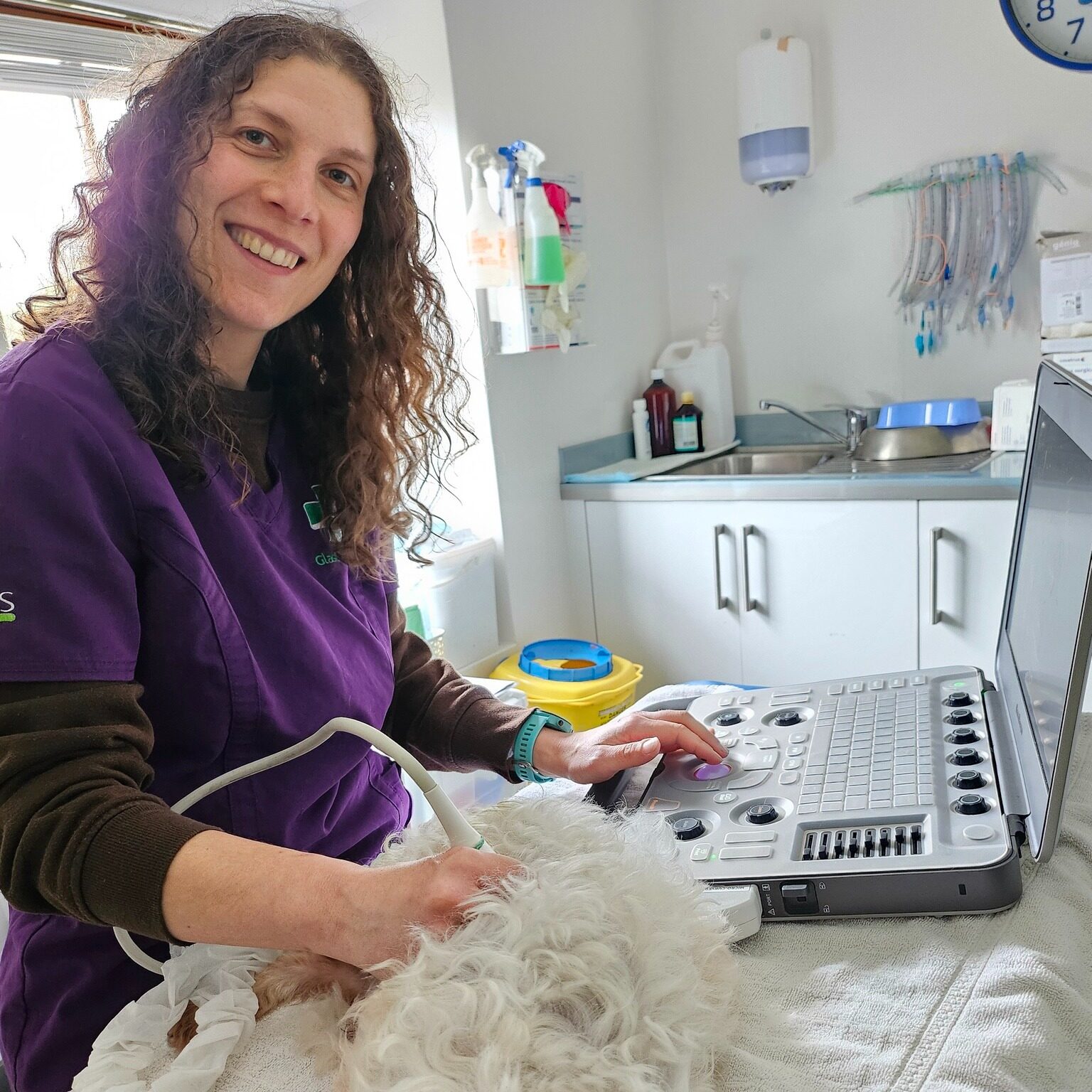
We use a range of advanced diagnostics to get to the bottom of what’s going on inside your pet’s chest, including:

  • Echocardiography
  • Blood pressure monitoring
  • Radiography
  • Haematology
  • Biochemistry, including electrolyte panels

We work closely with referring vets, teaming up to provide a specialist service that blends experience, precision, and a genuine fondness for small creatures with big personalities.

What We Commonly Investigate

From the straightforward to the “hmm, that’s interesting…” our service handles a wide variety of conditions such as:

  • Congenital defects
  • Pericardial effusions
  • Acquired heart diseases including:
    • Dilated cardiomyopathy
    • Hypertrophic cardiomyopathy
    • Degenerative valvular disease
  • Tracheal collapse
  • Feline asthma
  • Chronic bronchitis
  • Lungworm

Meet the Heart Hero: Denise Philpott
Denise Philpott is an advanced practitioner in cardiorespiratory veterinary medicine. She graduated from the Free University of Berlin and has since brought her skills to both first-opinion and referral practices across Ireland and England.

Since earning her Certificate in Veterinary Cardiorespiratory Medicine in 2014, she has been an active member of the Veterinary Cardiovascular Society. She was also involved in the RAPID CAT 2 study, which explored how simple clinical parameters may help vets more easily distinguish cardiac from non-cardiac causes of breathing difficulties in cats. (In short: making life easier for both stressed kitties and the humans caring for them.)

Give us a call if you have any questions or would like to book your pet in for a consultation.
Halloween Pet Safety tips!

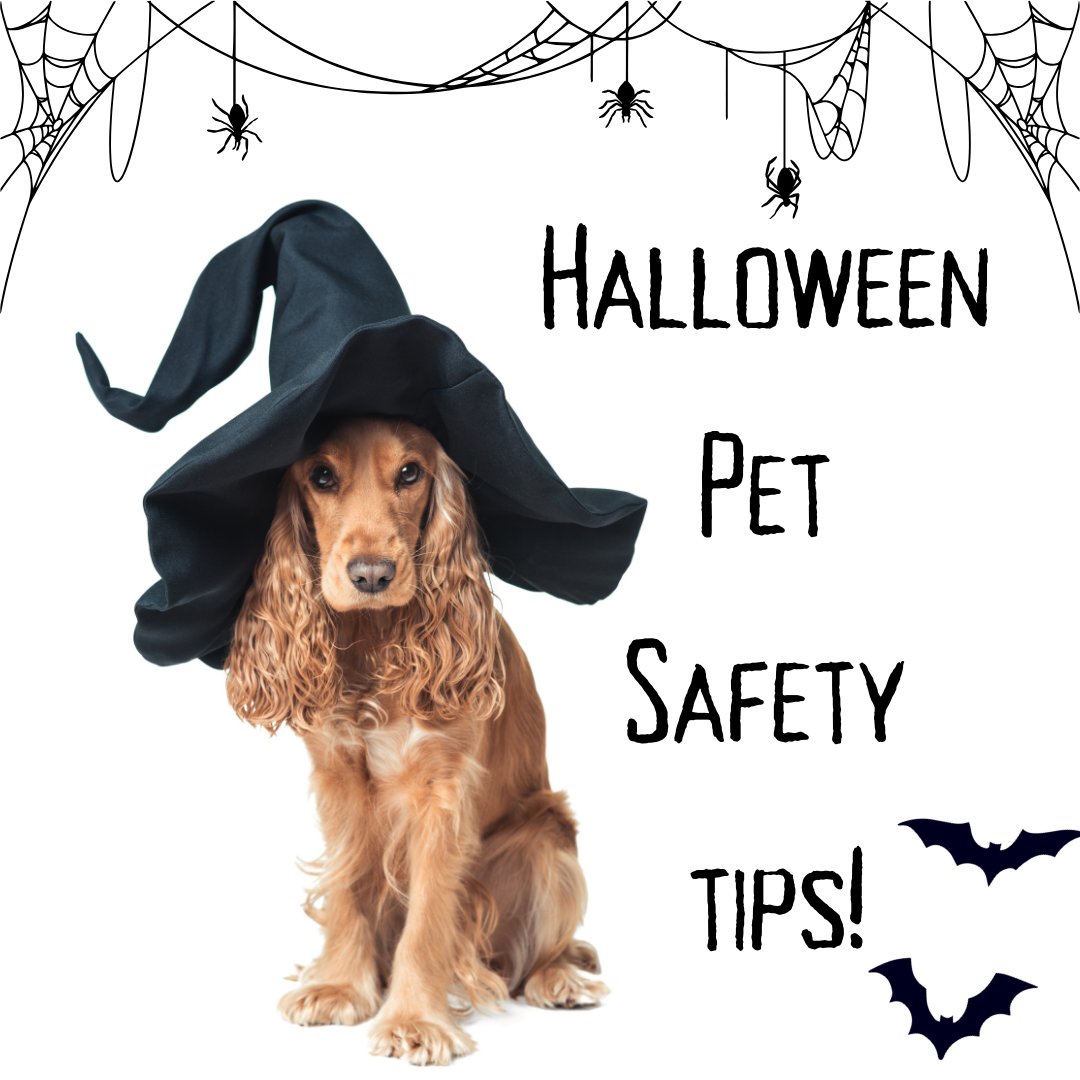
Halloween Pet Safety Tips

At Halloween, there are a few things that we need to be aware of, to help protect our cats and dogs.

The house can be full of lots of sweets and chocolate, either in preparation for trick-or-treatin’ or when children are very successful in bringing back bags of goodies. These sweets can pose a risk if eaten by our furry friends as they contain an artificial sweetener in the form of xylitol. This is highly toxic to dogs and cats as it causes their blood glucose levels to drop, even in small doses. It can also lead to seizures or even worse.

Chocolate too is poisonous for our feline and canine companions. It contains an chemical called theobromine which is toxic. The toxic dose is dependent on the strength of the chocolate and the weight of the animal. Clinical signs can vary from gastrointestinal upset in mild cases, to seizures and sadly even death.

It’s important that if your pet consumes either  of these, that they are seen by a vet as soon as possible. If seen within  30-60 minutes of ingestion , their chances of avoiding serious medical issues and recovery are highest, as we can help eliminate it from their stomachs.

Another risk posed to our pets during Halloween, are fireworks. During this time the loud noise of fireworks can make them very frightened. Often this can lead to pets running away on a walk or escaping the garden/house. We want to avoid cats and dogs getting lost or potentially getting themselves hurt. We also want to make sure they are nowhere nearby when lighting fireworks. So it’s important to keep them inside and safe when there are fireworks in the area. If our pets are extremely frightened and stressed, there are medications that can be prescribed to help reduced their anxiety during this time.


Give us a call for any further advice!

ae91b14c-42e4-f92d-87d0-a39e5394a529

What’s the deal with Pet Healthplans?

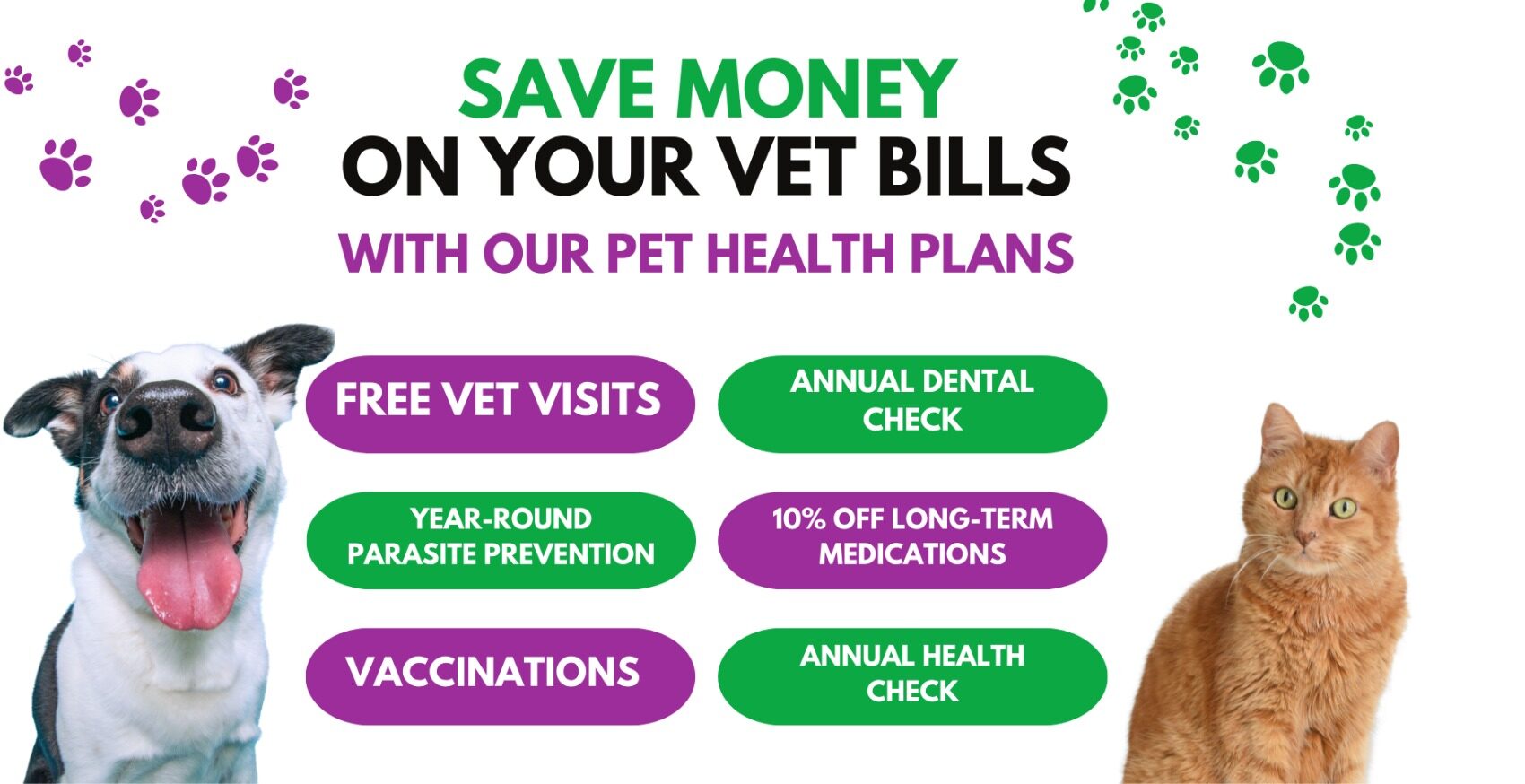
Unlike a Pet Medical Aid, a Healthplan focuses on preventing illnesses as best as possible by making sure your pet goes for regular check-ups and keeps up to date with their annual vaccinations and parasite treatment. By encouraging this, issues like lumps, periodontal disease or skin allergies can be caught quickly and ahead of time before it turns into expensive surgeries and/or causing long term affects to your pets health.

By offering these services, we also ensure your pet is familiar with us and the clinic environment, making sure your pet is stress free and have more positive experiences with us!

What are the main benefits of having a Pet Plan?

  • Proactive response to your pets care, It is far easier to prevent disease and illness than to treat it. Even when 100% prevention isn’t possible, preventative health care, like vaccines, can minimise the symptoms and allow your pet to recover faster, leaving them happier in the long run.
  • Assist with Planning, budgeting and decision-making, With the cost-of-living crisis and rising bills, sometimes you can’t find the extra money at the end of the month you need for your pet’s preventative treatments. With a health plan, you have a direct debit and don’t need to worry about it again. You won’t need to decide between the flea treatment for your pet or the grocery shopping.
  • Reassurance, knowing your pet is on a healthplan and taken care of gives you peace of mind so you can relax and enjoy your time with your pet.
  • Diet, As we offer many discounts on Veterinary food diets, you have the option to choose a brand that fits your budget but that is also a high-quality food. At your pet’s free check up we can discuss the food of your choice, work out feeding guidelines for your pets weight and support you with a weight management plan, if needed.
  • Never miss an important vaccination or treatment, As we send reminders to all our clients, knowing the visit will not cost you a cent on the day, makes it easy to book and not having to budget beforehand!
  • Spread the Cost, a monthly premium is anywhere between €17 and €30, depending on species or size, which is alot more manageable than having to pay a single consult for boosters and parasite treatments.
  • Flexible, our staff is more than willing to help you amend your Healthplan or even pause it for a while, so do speak to us if you have any concerns.

So what are you waiting for, lets’ start getting proactive about your pets’ Health!


20240529_105402

Inspiring Young Minds

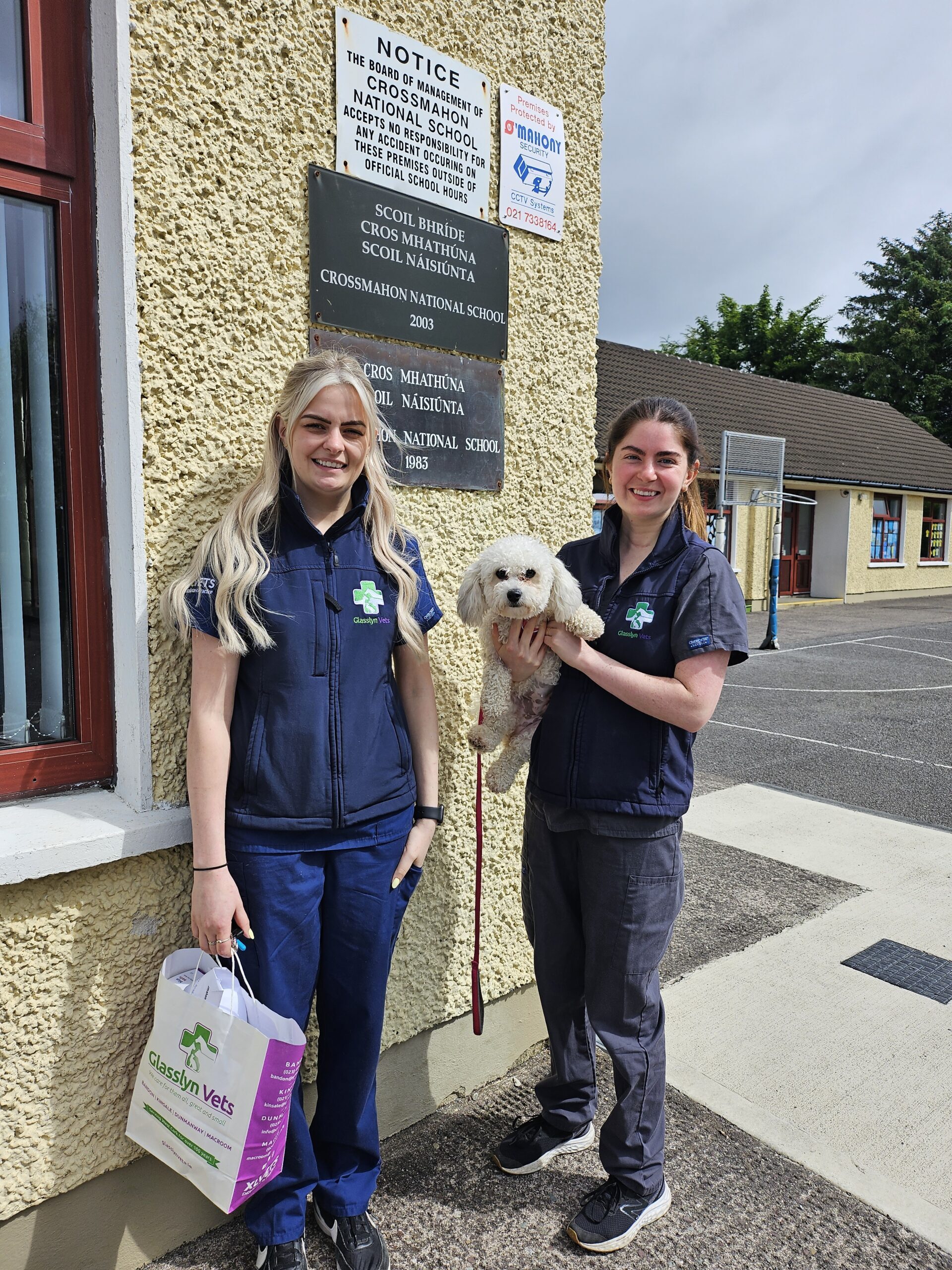
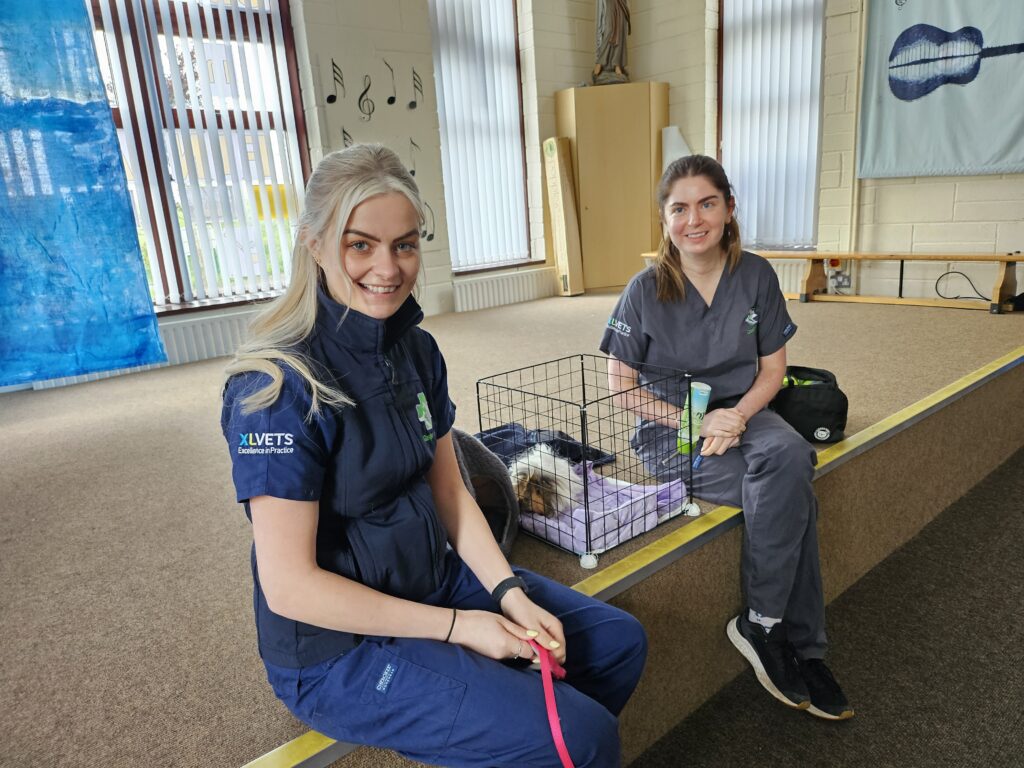
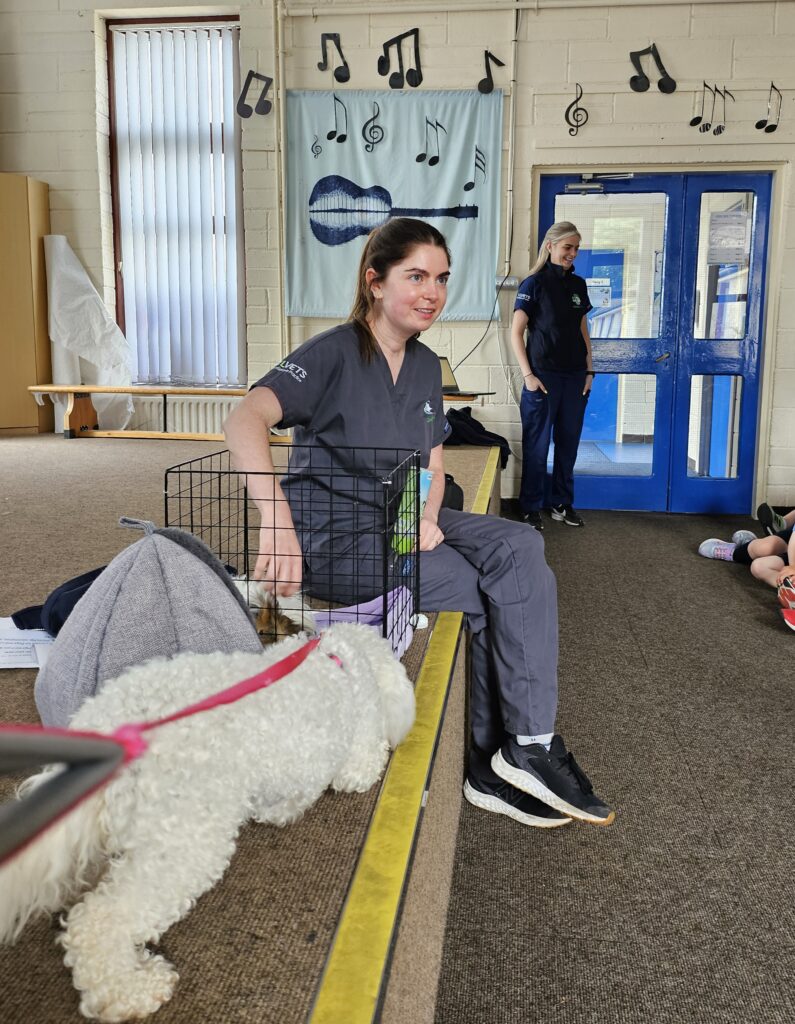
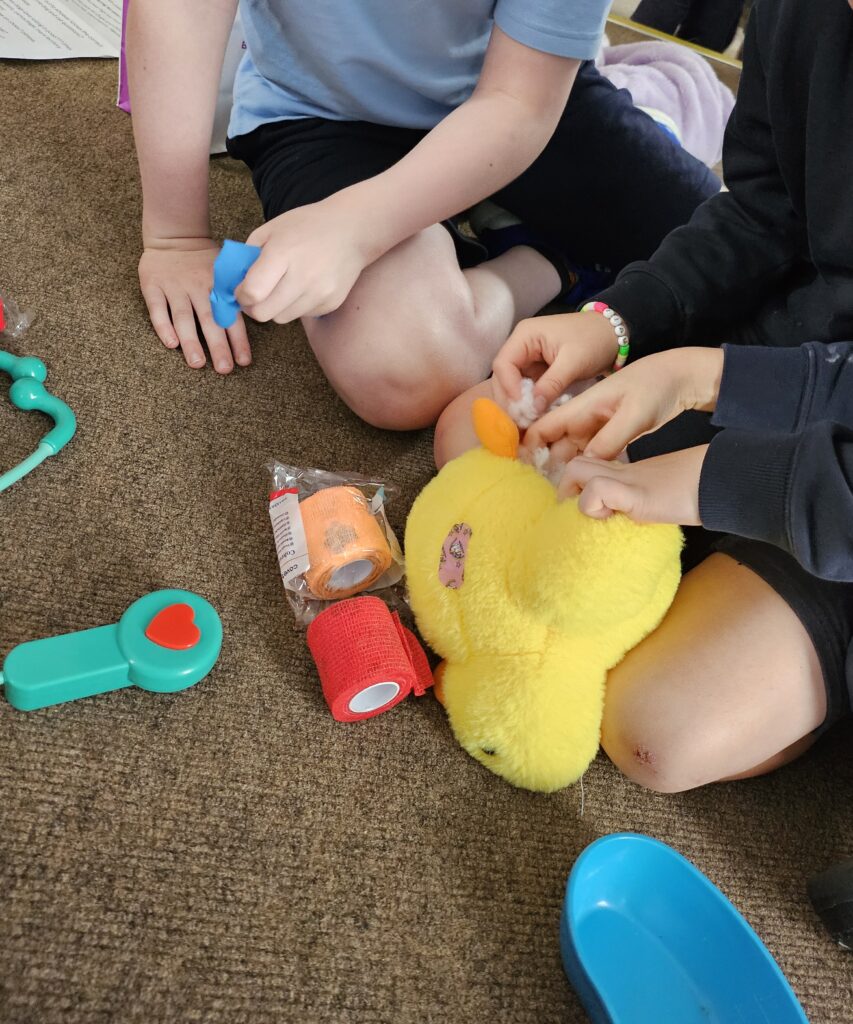
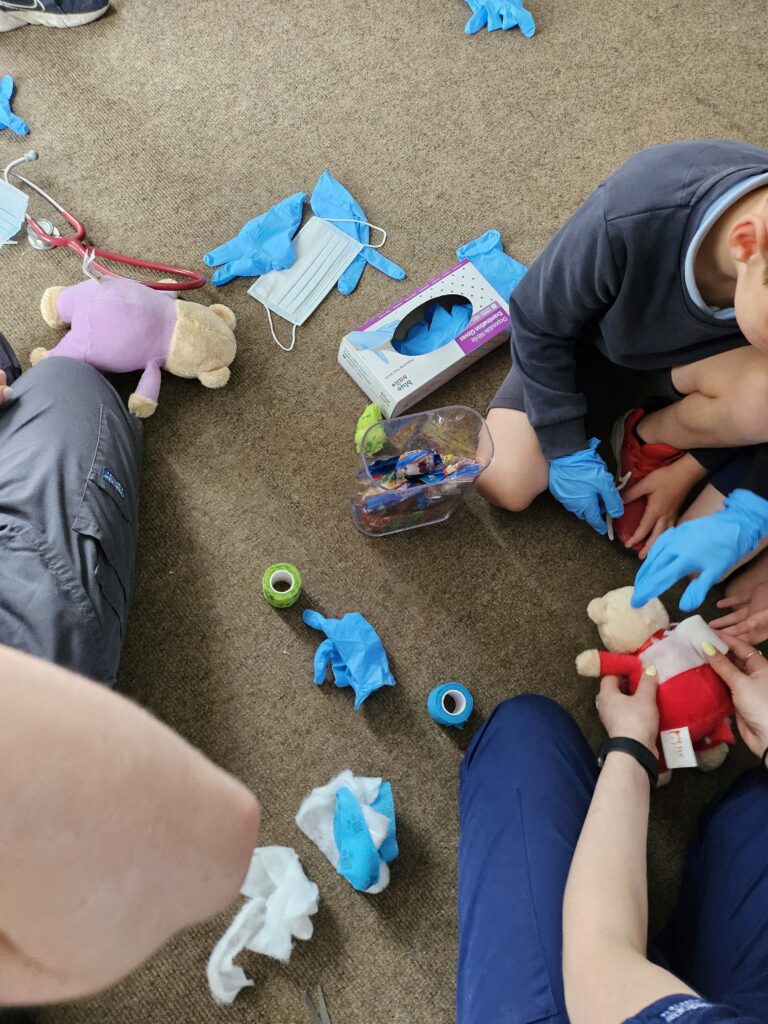
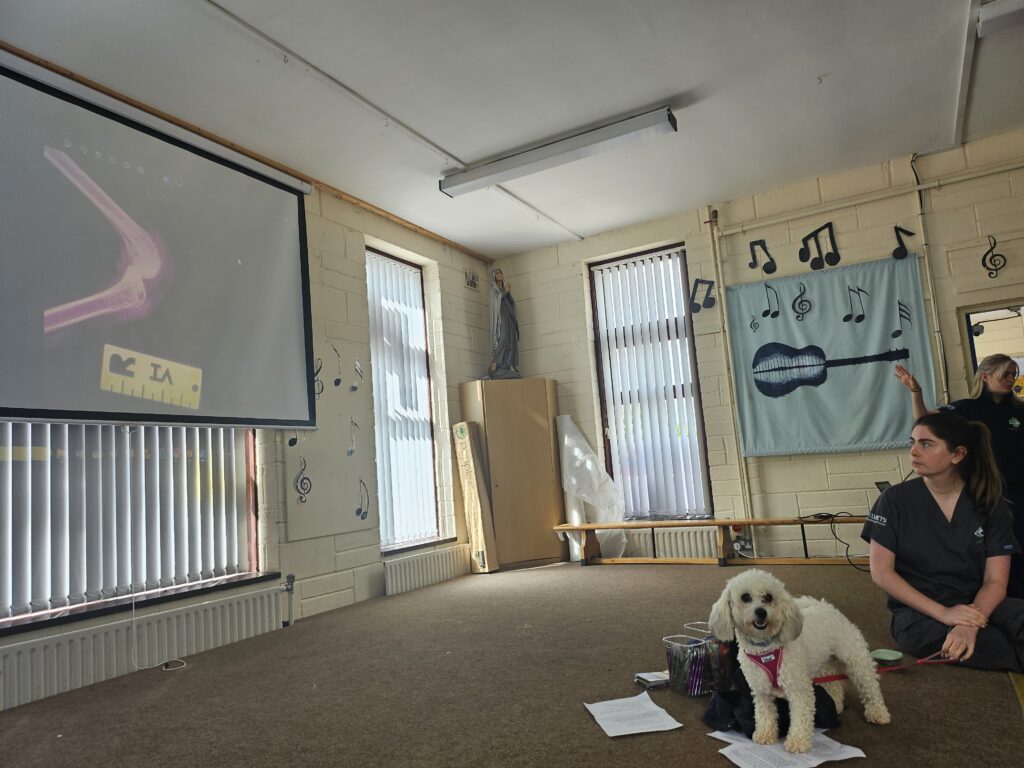
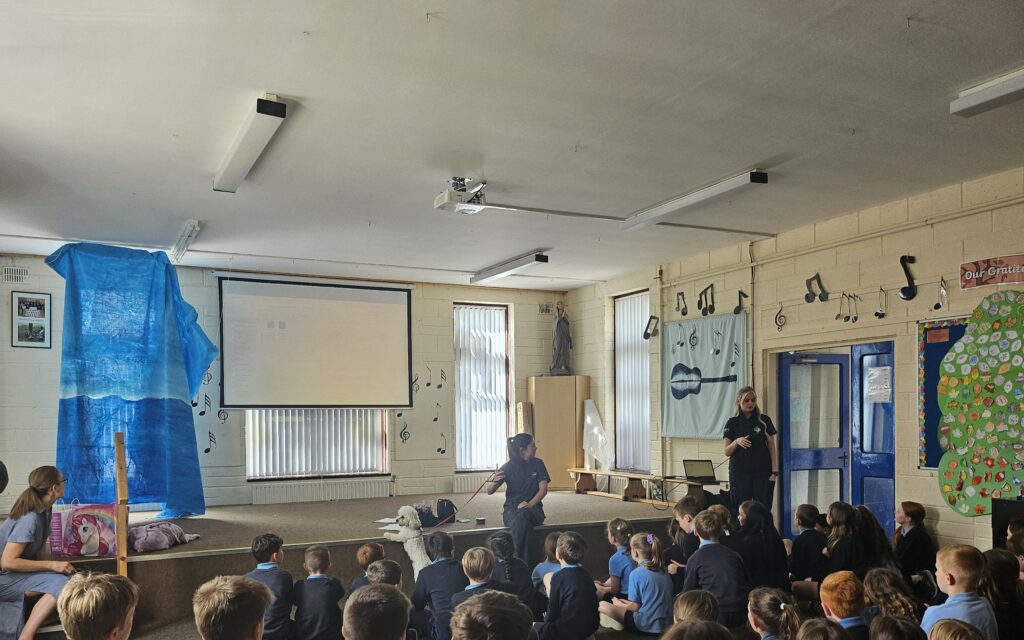
Glasslyn recently visited Scoil Bhríde in Crossmahon and had the most amazing time chatting to the pupils about pet care, Irish wildlife and career options in the Veterinary field.

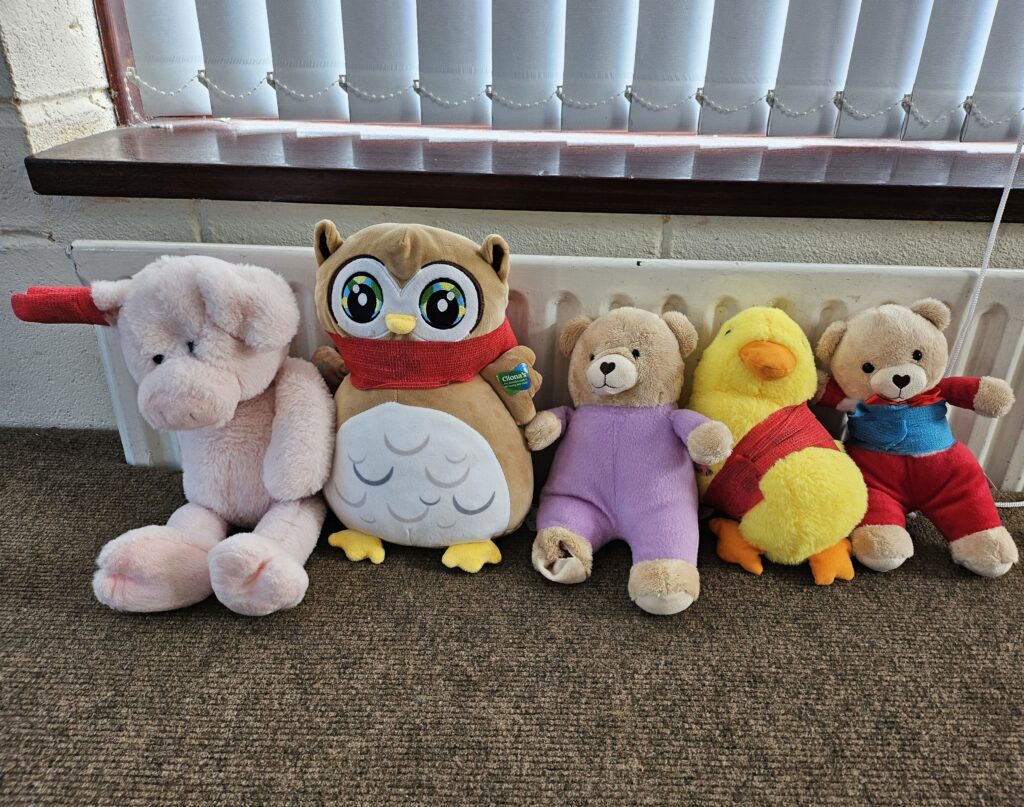
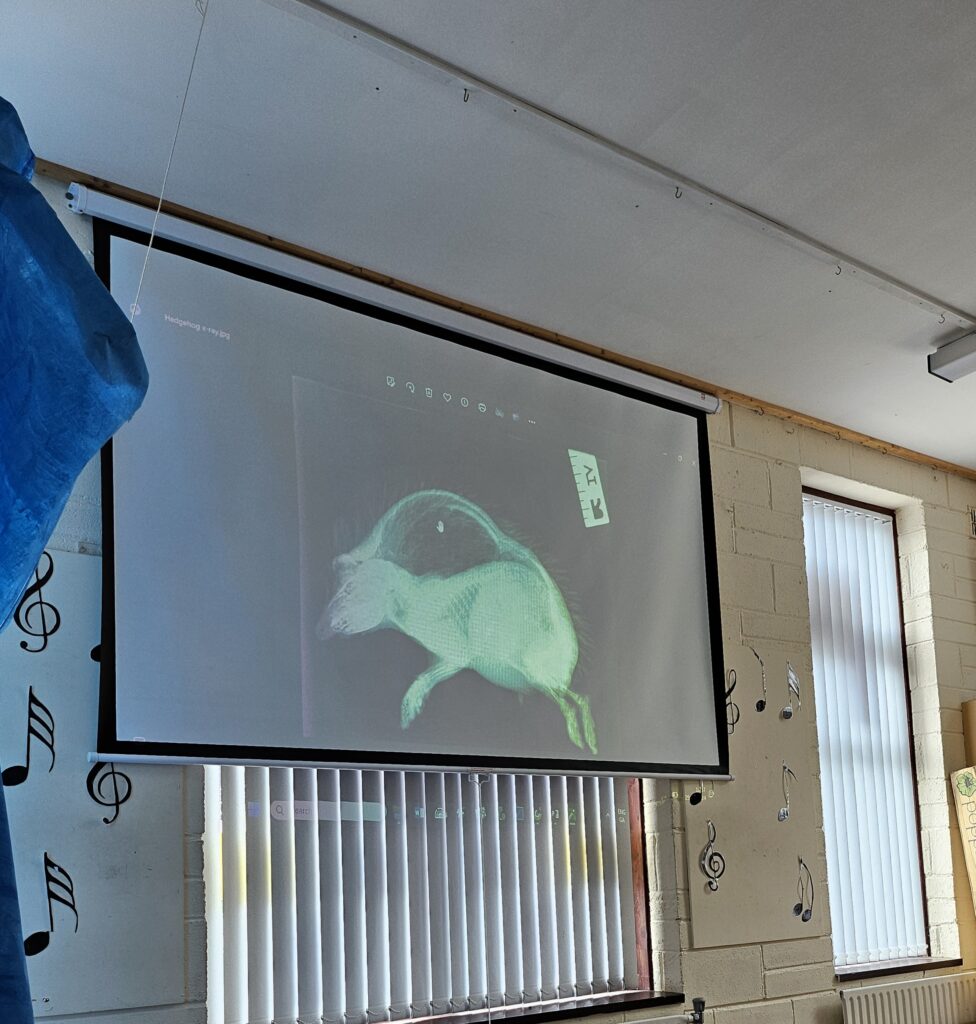
We played a fun game of ‘guess the Xray’ and even roped in some Junior and Senior infants into helping us perform Teddy Bear Surgery!


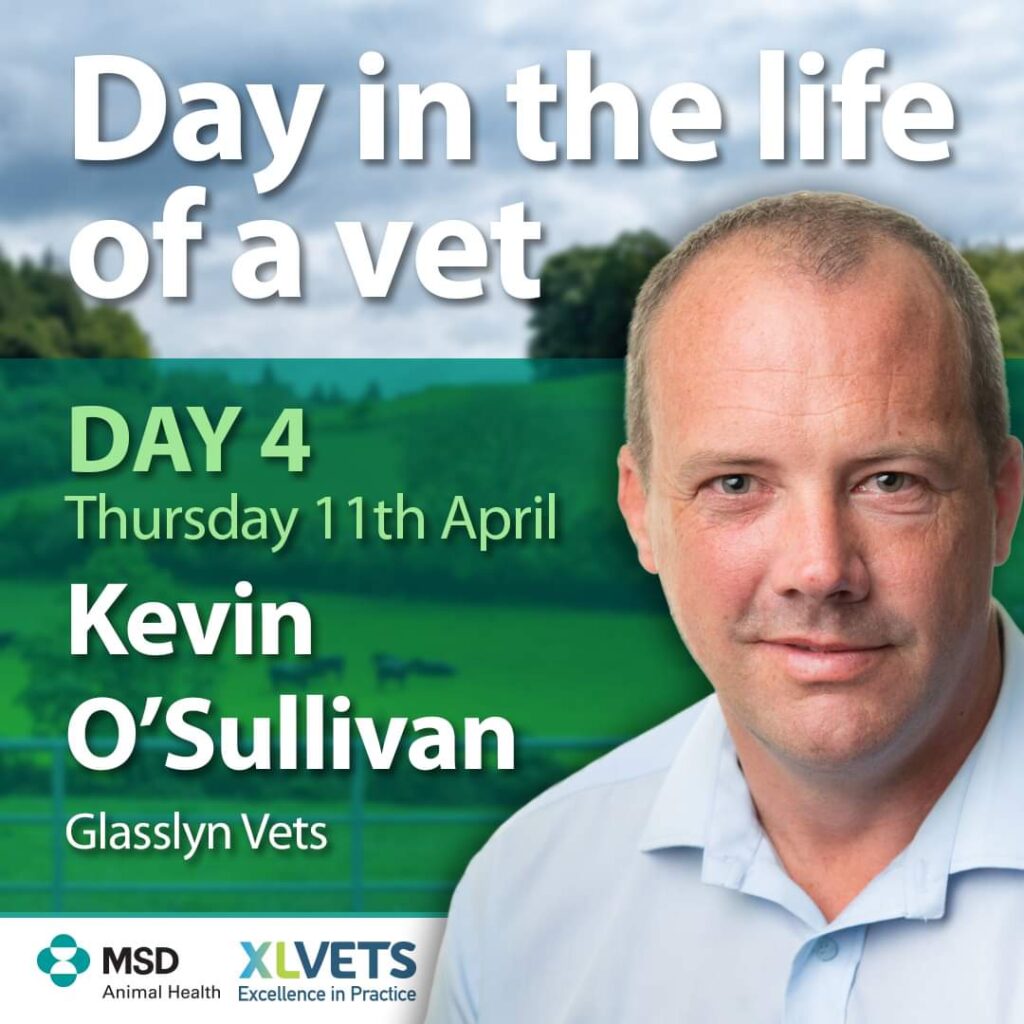
kevin day in the life

Day in the Life of a Vet

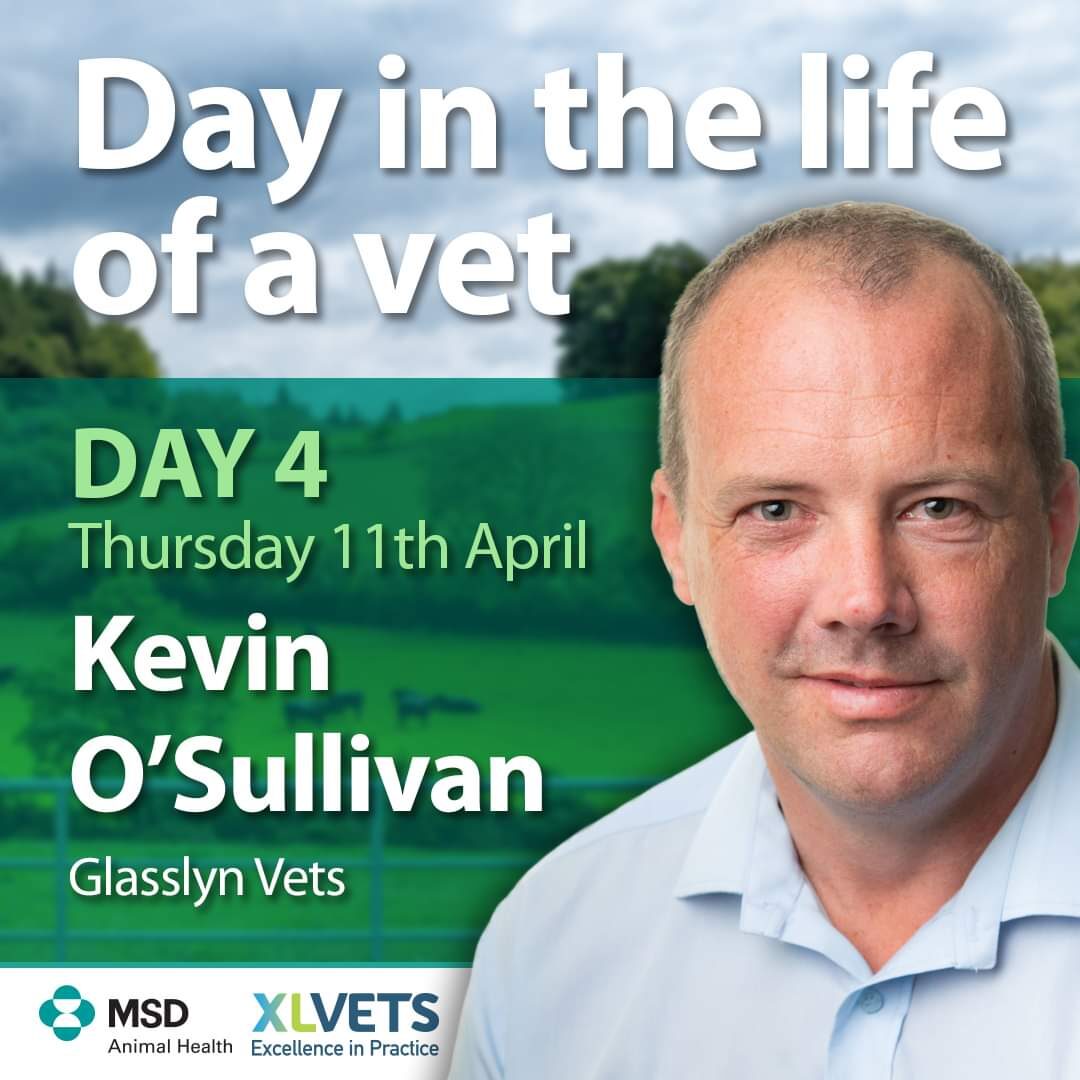
Recently MSD Animal Health and XL Vets ran a series called Day in the Life of a Vet and our very own Kevin O Sullivan was shadowed for a day.

Meet Vets Christine and Richard, Vet Nurse Katie and FLuff & Buff Groomer Caitriona, as well as some interesting cases and a chicken!


Watch how the day unfolded on Instagram: https://www.instagram.com/stories/highlights/17845474305184603/


Untitled dedddign (2)

What a Mess!!!

Did you know you can get fined up to 150 euro for not picking up you dog poop in a public space in Ireland?

But let’s say there is no dog warden around, do you still pick it up? A recent study showed almost 40% of people admit to not picking up poop!

Lets’ see if we can convince you otherwise, Apart from being unsightly and a nuisance when you step or roll through it, it actually is a health hazard:

  • Children are mostly at risk, mainly because hand to mouth movements occur frequently without washing their hands.
  • Faeces can transfer commonly known bacteria such as E. coli, Salmonella spp., Campylobacter spp. , which lead to vomiting, diarrhoea and in rare occasions to kidney failure.
  • Certain tape and hook worms can also be passed onto humans and as we are not the desired end host, these worms can cause serious trouble in our eyes, brains and livers!
  • Last but not least, it is thought that bacterial resistance can occur when a dog faeces are ingested from a dog who is or has been treated with an antibiotic. Superbacteria that do not respond to antibiotics can emerge.


So please, it is simple: Pick up after your dog, lets ensure cleaner walkways for the elderly, wheelchair bound, joggers, strollers and children.

At Glasslyn we are always happy to give you a spare poo bag – and if you are on a walk and you really have forgotten your bags – why do you not approach a fellow dog walker and ask for a spare one?


roz2

Office Dog Roz and Pulpitis

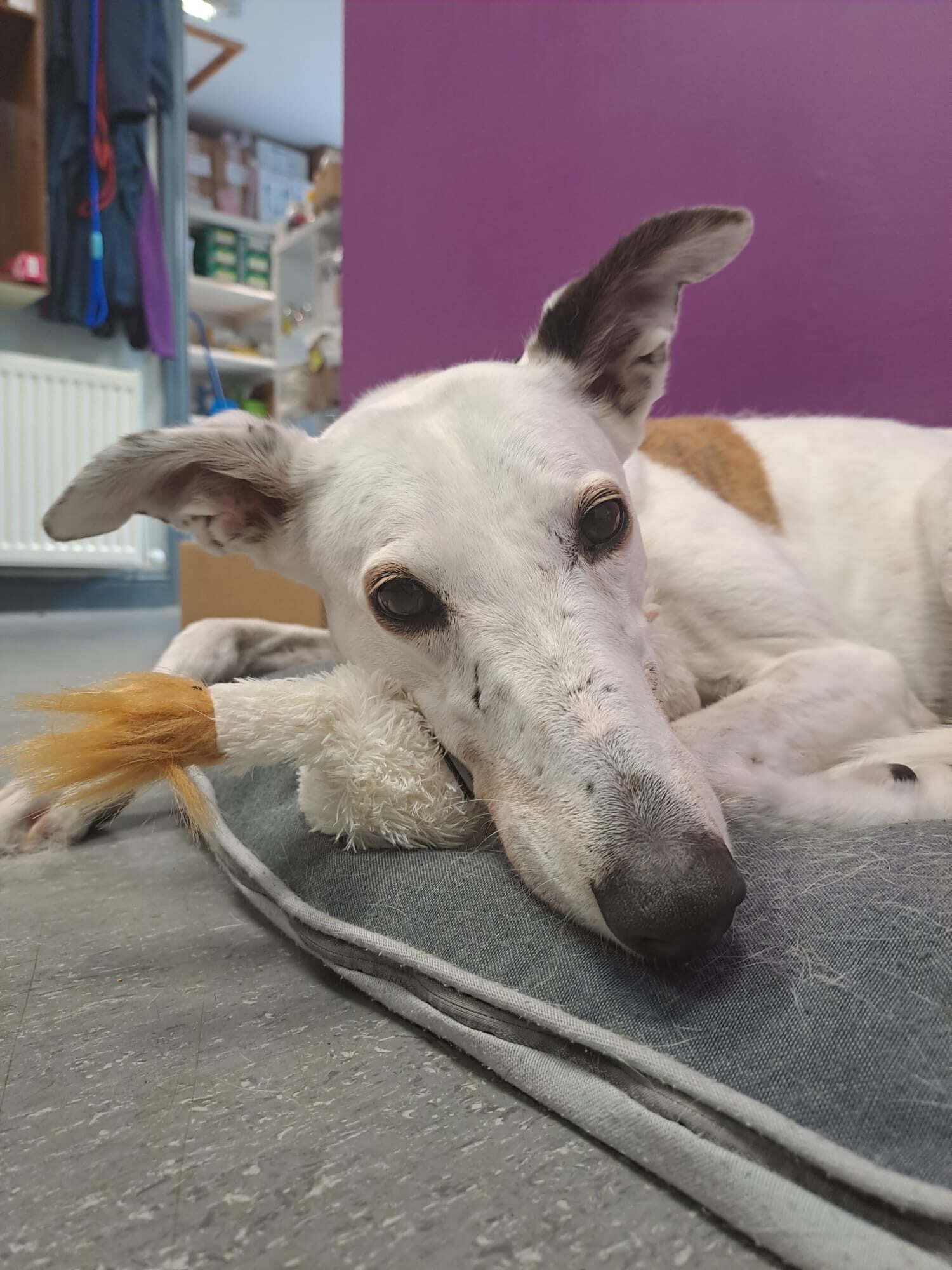
Dental issues can be a hidden source of pain in our pets. Routinely, having a look at your pet’s mouth and teeth can help catch any problems. When checking Roz’s mouth last month, we noticed her lower canine had become discoloured and a diagnosis of pulpitis was made. You can see from the photo below; her tooth had turned a dull / pink colour.

Pulpitis is normally due to trauma to the pulp within the tooth, this leads to bruising and subsequent bleeding within the tooth canal. The most common cause of pulpitis is blunt trauma to the tooth. This is often caused by chewing bones, stones, or accidental clashes when playing.

In addition to the bleeding in the canal, if sufficient trauma happens, the tooth may become subluxated or rotated within the tooth socket. This can lead to rupture of the blood supply. If the tooth has lost blood supply, the tooth will subsequently die. As the tooth is dying off, this causes pain to the animal.

Roz underwent a full general anaesthetic; she had full mouth dental x-rays taken. She was given local anaesthetic nerve blocks to ensure she felt no discomfort. All her teeth were cleaned and polished and the lower canine was removed. The dental x-rays also allowed us to see that two other premolar teeth needed to be extracted.

After her procedure she was kept comfortable at home with pain relief and was fed soft food for the next few days. She has since made a full recovery 😊

Teeth can often be overlooked by owners as a problem in our pets. Often, owners will think that if their animal is eating normally, they don’t have any pain in their mouths. Roz never showed any discomfort and never went off her food, even though she had a painful issue with her canine. It is very important to get regular check ups with your vet, we will always do an oral exam and suggest a dental if needed.

Little puppys Golden retriever

Importance of Microchipping Your Pet

Microchipping is an important part of responsible pet ownership.  It provides peace of mind that if your pet was to go missing, he or she would have the best chance of being returned safely.


When to microchip?

Microchips can be implanted at any time. It is often done in puppies and kittens at or around the time of initial vaccination, or when neutered. It is still a legal requirement for dogs to wear an identity tag on a collar even when microchipped.

If a stray animal is found it is always scanned. Vets, most rescue centres and local authorities have scanners.  When a microchip is found, the database can be accessed 24 hours a day and the owner informed.


What happens when your pet is microchipped?

The microchip is very small, about the size of a grain of rice, the procedure is very simple and no more painful than an injection. The microchip, which has a unique number, is placed under the loose skin between the shoulder blades. Your pet will not be aware of the microchip once it is inserted and the body will not react to it as it is coated in the same material that is used in human pacemakers!


Your vet will check the microchip with a handheld scanner. Your pet’s unique identity number, together with your contact details are registered by you or your vet onto a national database. This can be done online or by post. It is important to change your details should you move address.

bee pic

Creating a Pollinator-Friendly Garden

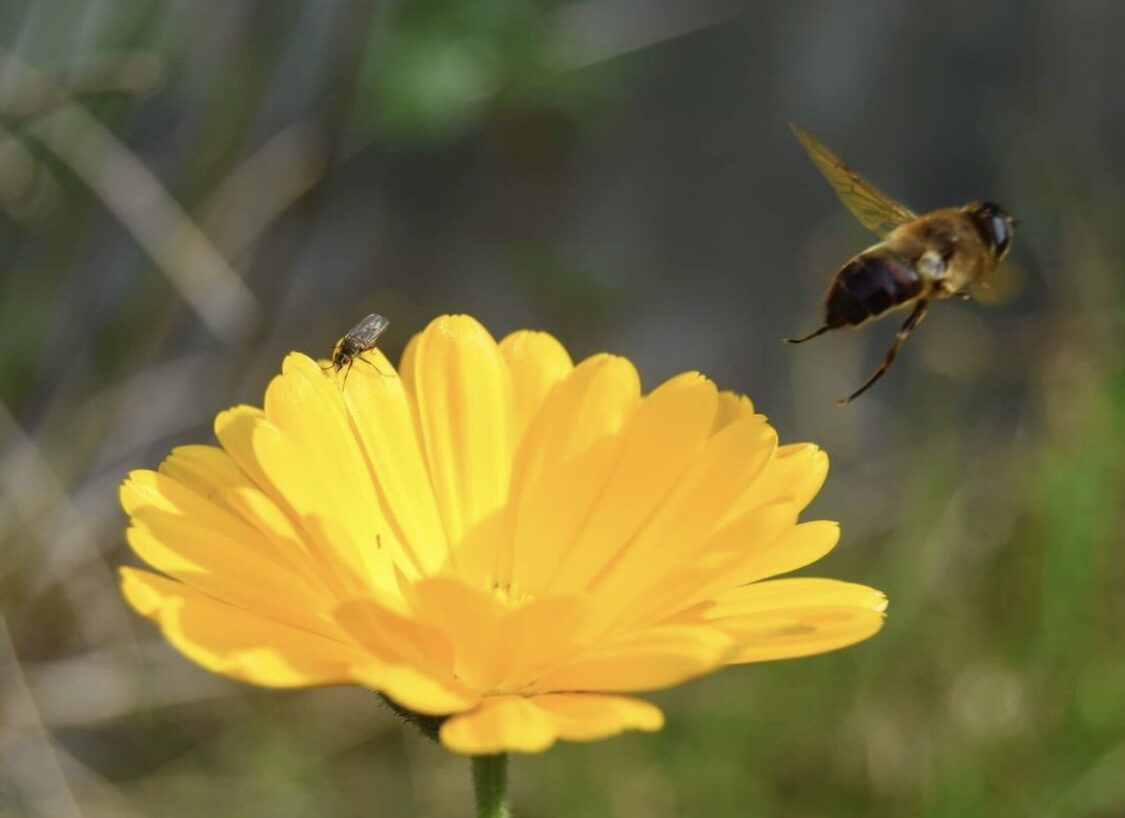
Every garden, no matter its size, can be a haven for hungry pollinators. In Ireland, there are 98 different types of bee: the honeybee, 20 different bumblebees and 77 different solitary bees. They along with other insects such as moths, butterflies & hoverflies carry out the very important job of pollination. Here are some tips to help encourage them into your space and help their numbers thrive.

  1. Plant trees, shrubs & flowers ( listed below) to attract bees, butterflies & moths throughout the year.

Spring: Willow, Dandelion, Gorse, Sycamore Blossom, Horse Chestnut, Bluebell, Snowdrops, Daisy, Elder, wild garlic

Summer: Hawthorn/Whitethorn, Fuchsia, Blackberry Blossom, White Clover, Foxglove, Lavender, Milk thistle, Poppy, Lobelia, Sunflowers

Autumn: Bell Heather, Ling Heather, Dahlia, Aster, Borage

Autumn/Winter: Ivy Blossom, Honeysuckle, Holly

  1. Build or buy an insect hotel. These are readily available to buy now but are a easy and fun to make yourself
  2. Create an insect friendly area by allowing a small part of your garden to go wild
  3. Provide a shallow water source for insects to drink out of. This could also encourage dragonflies & damselflies to your garden.
  4. Use non toxic pest control methods
itchy

Atopy in Dogs

Most common ear and skin disease


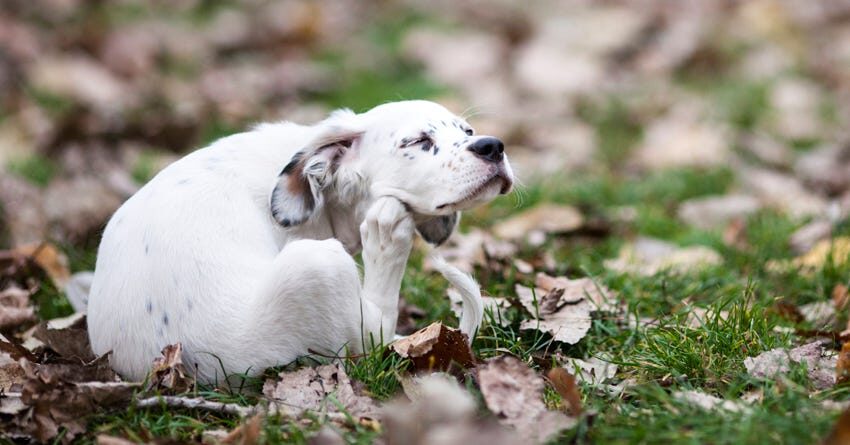
Atopy is a hereditary skin disease of dogs, characterised by skin inflammation and itchiness (pruritus).

Infections by bacteria or yeast are a secondary cause, which will need to be treated, but is not the primary cause for the most common skin condition: atopy.

Current understanding is that it is caused by an abnormal reaction of the immune system to tiny particles in the environment called allergens, combined with abnormalities in the surface layer (stratum corneum) of the skin. Allergens enter the body through the skin and lead to the production of certain antibodies in genetically predisposed animals. These antibodies then cause either intermittent or chronic (long-term) symptoms.

Corticosteroids: these usually come in tablet form or can be given by injection. They can be very useful in acute, short-term cases as they can work within hours, but must be used with care in more long-term cases in order to reduce the risk of side effects. Corticosteroids can also be applied directly to affected skin in the form of gels or sprays. This form of treatment can play a very important part in managing Atopy.

Apoquel/ Cytopoint/Cyclosporine: this drug, like corticosteroids is very effective but costs significantly more. Although slightly slower to work, its advantage over corticosteroids is reduced long-term side effects. Adding in other treatments, listed below, can reduce the dosage and frequency of administration of all systemic drugs:

Prescription diets: these are specially formulated to improve skin health and reduce pruritus.

Essential fatty acids: these originate from fish and various plants such as Evening Primrose and Borage. It may take 8-10 weeks to see the effect of these.

Topical treatments: these are applied directly to the skin in the form of shampoos, lotions and moisturisers. They help soothe and repair.

Hyposensitisation: having a vaccine made up, which contains the allergens your dog is allergic to and injecting this under the skin can be effective in 50 to 80% of cases but usually only yields an overall improvement of 50%.

This is called Allergen Specific Immunotherapy (ASIT). It may take 3-12 months to see a positive response, needs to be given life long and is mainly used with young dogs suffering from symptoms throughout the year.

If your pet suffers from atopy, there is unfortunately no quick fix. Flare ups will occur, when allergen exposure is high, despite adequate treatment.

Atopy is a complex condition and is best discussed with your vet, especially if an itch or an infection is not well controlled.

Speak to us if you would like to discuss this further.

Bandon Contact Details
📞 023 8841404
📍 Station Road,
Bandon,
Co. Cork.
Ireland.
P72 FY72
Muskerry Vets
📞 02641055
📍 Sawmill Yard, Macroom,
Co. Cork,
Ireland.
P12EY80

Kinsale Contact Details
📞 021 4772277
📍 1 Church Square,
Kinsale,
Co. Cork.
Ireland.
P17 W281
Carbery Vets
📞 023 8845206
📍 Bridge street
Dunmanway
Co Cork
Ireland
P47FN36